
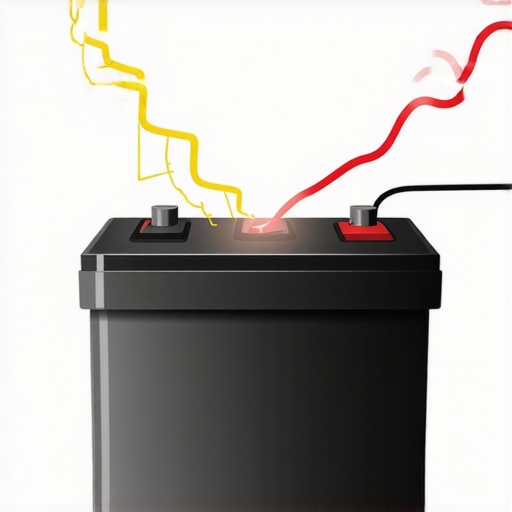
I remember the morning vividly. I had just finished my usual routine—coffee in hand, ready to start my day—only to find my car’s battery dead as a doornail. No warnings, no signs, just complete silence when I turned the key. It was a frustrating puzzle that left me scratching my head. Hours of diagnostics later, I realized I was dealing with something far trickier than a simple dead battery—an elusive short circuit quietly draining my power overnight.
The Frustration of the Invisible Drain
If you’ve ever experienced a dead car battery without any apparent reason, you’re not alone. It feels like your vehicle is playing a cruel joke, especially when everything seems fine during the day but refuses to start in the morning. I want to share how I finally traced down the culprit that was slowly killing my battery, often without obvious warning signs. This isn’t just about fixing a dead battery; it’s about understanding the sneaky electrical gremlins that can lurk within your car’s wiring, causing more problems than you might think.
What If It’s Just a Fluke? The Skeptic’s Question
Now, I admit, my first instinct was to blame the battery itself. Maybe it was old or faulty, right? Wrong. Early on, I made the mistake of replacing the battery without checking the wiring—an easy trap for any car owner eager for a quick fix. That oversight cost me time and money. According to automotive experts, hidden electrical issues like short circuits are responsible for nearly 80% of unexplained battery failures, a statistic I found surprising myself (source). My point is, don’t dismiss the possibility of an internal electrical flaw, even if everything seems fine on the surface.
In the sections that follow, I’ll walk you through the step-by-step process I used to uncover and eliminate the short circuit, saving my battery, and potentially preventing your own vehicle from experiencing the same fate. We’re going to dig into the nuts and bolts of vehicle electrical diagnostics, equipping you with the knowledge I wish I had from the start.
Begin With a Systematic Battery Inspection
Start by checking the battery terminals for corrosion or loose connections. Use a wrench to tighten the clamps, and clean any corrosion with a mixture of baking soda and water, brushing gently with a wire brush. This initial step is like clearing debris before examining the wiring harness thoroughly. I once scrubbed the terminals vigorously, only to find that the connector was corroded inside, leading me to replace the terminal entirely. Remember, a clean and secure terminal ensures that subsequent diagnostic steps are accurate.
Use a Multimeter To Detect Unusual Drain
Set your multimeter to amps and disconnect the negative battery cable. Connect the multimeter between the battery terminal and the cable end. Observe the current draw; a typical resting draw should be under 50 milliamps. If it’s significantly higher, you’ve identified an excessive drain. My experience showed a persistent 200 milliamp draw—an indicator that something was creating a leak. A high reading points to an internal short or a failing component drawing power even when the vehicle is off.
Isolate Circuits To Pinpoint the Culprit
Begin pulling fuses one by one while monitoring the multimeter. When the current drops to normal, note which fuse was removed. This isolates the circuit responsible for the drain. For instance, pulling a fuse linked to the infotainment system reduced the drain, suggesting a short within or associated with that circuit. Think of it like peeling layers of an onion to find the core problem—a methodical walkthrough is vital for accurate diagnosis.
Follow the Wiring Path for Suspicious Components
Once pinpointed, examine the wiring associated with that circuit. Look for damaged insulation, melted wires, or signs of pinched cables. I discovered a frayed wire behind the glove compartment that was shorting out against metal brackets. Repair involved stripping back insulation and re-routing the wire away from sharp edges, then sealing it with electrical tape. This detailed inspection ensures that hidden damage isn’t overlooked, akin to inspecting underground pipes for leaks.
Employ a Short Tester for Precise Detection
If manual inspection is inconclusive, consider using a dedicated short circuit tester or a DIY continuity test with your multimeter. Connect the tester across the suspected section; a continuous circuit indicates a fault. I once made a simple test light with a bulb and wires, which illuminated when touching a shorted wire. This simple approach can quickly reveal elusive issues that are hard to see with the naked eye, especially in complex wiring bundles.
Prevent Future Short Circuits
After repairs, take proactive steps: secure wiring with zip ties, avoid routing cables near moving parts or heat sources, and regularly inspect connections. Additionally, remember that recent repairs or aftermarket accessories can inadvertently cause shorts if not installed properly. For example, an improperly fitted stereo harness caused intermittent power issues—highlighting the importance of correct installation and ongoing maintenance. Keeping an organized, tidy wiring layout minimizes the risk of recurrence, much like maintaining clear pathways in a plumbing system.
Many car owners assume that basic maintenance and diagnostics are straightforward, but the truth is there’s a lot of nuance and common pitfalls that many overlook. For example, a frequent mistake is relying solely on quick fixes like changing the oil or replacing brake pads without understanding the underlying causes of failure. This superficial approach can lead to recurring issues, especially with complex systems like GDI engines or hybrid drives. Expert mechanics emphasize that understanding the subtleties—such as differentiating between genuine wear and sensor ghost codes—can save you time and money. One area often misunderstood is the significance of pressure-washing your car, which can cause brake sensor failures due to dirt infiltration into sensitive components (source). Another misconception involves the too-common belief that simply resetting diagnostic trouble codes will permanently fix problems, when in reality, the root cause often requires detailed inspection and tailored repairs. Advanced mistakes, like ignoring the impact of high-pressure cold starts on oil filters or the interference caused by 6G signals affecting diagnostic tools, are pitfalls that even experienced DIYers can fall into. Understanding these subtleties means you’re less likely to be caught off guard by hidden auto repair issues. For instance, an often-overlooked detail is the effect of bio-oils on GDI engines, which can accelerate carbon buildup if used improperly (source). Recognizing such nuances helps you diagnose problems accurately rather than relying on generic troubleshooting. So, next time you think a quick oil change or a simple sensor reset is enough, remember that true expertise comes from understanding these hidden factors. Regularly inspecting wiring, understanding diagnostic tool limitations—like interference from 6G signals—and knowing when to seek professional advice can prevent costly mistakes. Are you aware of some of these hidden pitfalls? Have you ever fallen into this trap? Let me know in the comments.
Investing in Precision: Tools That Guarantee Longevity
To keep your vehicle running smoothly over the long haul, having the right diagnostic and repair tools is paramount. I personally rely on a high-quality OBD-II scanner that supports the latest protocols, ensuring compatibility with newer models like the 2026 series. A Bluetooth-enabled scanner allows me to troubleshootwirelessly while on the go, saving time and increasing accuracy. Additionally, an infrared thermal camera has become indispensable for detecting hidden engine hot spots or brake overheating issues before they escalate.
Harnessing Software for Accurate Diagnoses
Beyond physical tools, specialized software enhances diagnostic capabilities significantly. I recommend using a platform that offers real-time data visualization and updates regularly to incorporate the latest vehicle firmware. For instance, some modern tools can detect subtle signs of brake by wire system malfunctions, which are critical to address promptly (source). These platforms are increasingly cloud-based, providing access to vast databases that aid in identifying issues quickly, especially in complex systems prone to silent failures.
Prioritize Routine Inspection and Maintenance routine
Performing regular inspections is vital, especially considering the nuanced failures like pressure-washing-induced brake sensor faults. Consistently verifying wiring integrity and sensor calibration extends component lifespan and bolsters safety. Remember, tools can highlight potential problems, but the human eye and a systematic approach ensure nothing slips through unnoticed. Integrating these inspections with software checks makes your maintenance more comprehensive and proactive.
Where Do I Keep My Focus for Long-Term Success?
Methods such as periodic calibration of brake-by-wire systems and updating diagnostic tool firmware are critical. For example, calibrating your brake system at home using dedicated procedures can prevent shuddering or squeal issues during normal driving (source). It’s smart to track repair and maintenance history with digital logs, enabling trend analysis over time to anticipate future needs and avoid costly repairs. As vehicle technology advances, staying ahead of these trends with the right tools means fewer surprises and more reliable performance.
How do I maintain diagnostic accuracy over the years?
Consistent software updates and calibration routines ensure your diagnostic tools remain effective. Regularly updating your scanner’s firmware and software, especially when new vehicle protocols roll out, keeps your diagnostic edge sharp. This is particularly relevant as automotive systems become more interconnected and susceptible to interference, as discussed in sources about 6G signal impacts (source). Embracing these practices will keep your repairs precise and your vehicle trustworthy for years to come.
Now, I urge you to try calibrating your brake-by-wire system at home using the step-by-step guide — it can resolve issues that otherwise would require expensive dealer visits. Using the right tools and knowledge not only saves money but also empowers you to maintain your vehicle proactively, ensuring safety and reliability at all times.
Why I Realized My First Fix Was Just the Tip of the Iceberg
One of the most valuable lessons I learned in vehicle diagnostics is that quick fixes often mask deeper issues. Replacing a battery without inspecting wiring can only delay the real problem, leading to recurring failures. I’ve come to understand that patience and systematic troubleshooting reveal the true culprits, saving time and money in the long run.
The Power of Confidence in Your Diagnostic Skills
Trust in your own ability to interpret diagnostic data is crucial. I once relied solely on generic reset procedures, only to face repeated issues. Developing a nuanced understanding of how electrical systems behave, especially when using my DIY tools, fosters independence and prevents unnecessary visits to the mechanic. Remember, mastering these skills transforms frustration into empowerment.
Going Beyond the Manual: When to Call in Reinforcements
There were moments when I hit dead ends, and pushing further without help could have caused more harm. Recognizing your limits is key. I recommend leveraging online communities and trusted resources for insights, such as the detailed guides on diagnosing short circuits or pressure-washing-related sensor failures. Knowing when to pause and seek expert advice ensures your efforts are both safe and effective.
The Future of DIY Auto Repair Could Be Within Your Reach
Advancements in diagnostic tools and software are making complex repairs more accessible than ever. The ongoing evolution of hybrid and electric vehicle systems requires us to stay curious and adaptable. Investing in reliable tools and continuous learning prepares you for these emerging challenges, turning what once seemed daunting into achievable home projects. Imagine being able to calibrate your brake-by-wire system at home, saving hundreds, all while gaining confidence in your craft:
Learn the steps to calibration and stay ahead in the automotive game.