
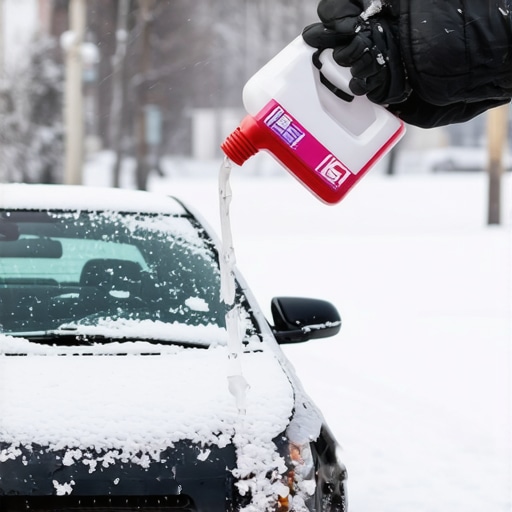
It was a freezing morning, and I reached for my windshield wiper handle, expecting the smooth sweep that usually clears away the snow and frost. Instead, I was met with a loud bang and a streak of cracked glass. Turns out, I had underestimated the damage that water can do to your windshield washer system in cold weather. That lightbulb moment made me realize I’d been making a simple but costly mistake for years.
How Water Turns Your Winter Drive Into a Frozen Nightmare
Using water in your wiper reservoir might seem harmless, even logical during those chilly mornings. But in reality, water freezes quickly in low temperatures, expanding and causing cracks or even complete failure of your windshield washer components. I learned this the hard way after a pop and a shattered washer pump. Since then, I’ve switched to winter-approved windshield washer fluids that resist freezing, and I never look back.
Now, I’d like to share what I’ve discovered about maintaining a reliable windshield cleaning system during winter. Whether you are a casual driver or someone who faces icy roads regularly, knowing the right type of fluid and system setup can save you from costly repairs and unsafe driving conditions.
Skeptical? Is Switching to Specialized Fluids Really Necessary?
Initially, I thought adding a bit of water was enough. I also made the mistake of using plain water because it’s cheaper—big mistake. Regular water freezes at 32°F, while many specialized windshield washer fluids are designed to resist temperatures down to -20°F or colder. If you’re unsure about your current fluid, check its label or consider switching to a high-quality winter mix. Trust me; this small change made a huge difference in my winter driving safety.
Supporting this, automotive experts emphasize the importance of using manufacturer-recommended fluids to prevent system damage and ensure visibility. For more in-depth ideas on auto maintenance, visit [auto repair hacks](https://repairmycarpro.com/auto-repair-hacks-save-money-without-sacrificing-quality) to learn smart tips that save your wallet and your time.
Are you tired of dealing with frozen washer systems every winter? Have you experienced the frustration of cracking your windshield because of water that froze solid? If yes, you’re not alone. This simple shift in approach can make all the difference and keep your windshield clear without risking damage to your vehicle.
Now that I’ve shared my story and the why behind it, let’s dive into the practical steps I took to keep my windshield spotless and my fingers intact during chilly mornings. The solution is straightforward, affordable, and guaranteed to improve your winter driving experience.
Start with the Right Fluid
Replacing water with winter-approved windshield washer fluid is your first line of defense. Find a fluid rated for temperatures at least 20°F below your lowest forecasted temperature. During a cold snap, I personally switched to a -30°F formula, which I bought from my local auto parts store, ensuring it wouldn’t freeze even on the coldest mornings.
Choose Flawless Application
Next, flush your existing reservoir. Remove the tank if possible or access it through the hood and drain out any remaining water. Fill it with your chosen fluid, making sure not to overfill. Turn on your wipers to circulate the fluid, checking for proper flow and no leaks. This quick fix saved me from a cracked windshield when temperatures dipped to -15°F last winter.
Prevent Freezing in Hoses and Nozzles
Inspect your spray nozzles and hoses for cracks or blockages. Use compressed air to clear any debris from the nozzles. For the hoses, detach and blow through them. If they’re brittle or cracked, replace them immediately. Once, I neglected this step, and a leaky hose caused spray failure during a snowstorm, severely impairing visibility.
Implement Regular System Checks
Making it a habit to test your windshield washer system weekly during winter ensures you’re prepared. During one routine check, I noticed the spray was weak and traced it back to clogs in the nozzles, which I cleared with a pin. This prevented me from being stranded with a frozen system when I needed it most.
Invest in Additional Protection Measures
Apply a silicone-based spray on your windshield and wiper blades to repel snow and ice. It created a water-resistant barrier, making snow easier to wipe away. Snow and ice build-up on wipers can be disastrous; I learned this after my blades froze onto the glass last season, leading to streaks and poor visibility. Regular application of protective sprays can prolong blade lifespan and maintain clarity.
Practice Safe and Effective Usage
Use your wipers and defrosters efficiently, turning them on high when ice first begins to form, rather than waiting until visibility is poor. During a particularly icy morning, I activated my defroster and wipers simultaneously, which melted and cleared the ice faster, instead of risking scratching the glass with dry blades or using harsh chemicals.
Seek Expert Guidance When Needed
If your system shows persistent issues, consult professionals. I visited a trusted auto shop after my washer pump failed mid-winter and learned that replacing the pump with an OEM part significantly extended its lifespan. For essential auto repair strategies, check out auto repair hacks.
While many car owners focus on routine maintenance like oil changes and brake inspections, they often fall prey to misconceptions that can lead to costly mistakes. One widespread myth is that overusing synthetic oil can harm your engine; in reality, high-quality synthetic oils often outperform conventional options and offer better protection, especially under extreme conditions. According to automotive experts, switching to synthetic oil at manufacturer-recommended intervals can considerably extend your engine’s lifespan, making it a smart investment.
Another misconception concerns vehicle diagnostics. Many believe that dashboard warning lights always indicate the need for immediate repairs. However, modern vehicle diagnostic systems can sometimes produce false positives or trigger alerts for minor issues that don’t require urgent attention. Learning how to interpret these signals accurately can help you avoid unnecessary repairs and expenses. Check out decoding vehicle diagnostics for expert guidance.
Many drivers also underestimate the importance of brake service frequency, thinking that once brakes feel soft or squeal, urgent replacement is needed. But the reality is that brake pads wear gradually, and timely inspections can reveal underlying issues like rotor warping or caliper sticking that aren’t immediately obvious. Regular brake service, supported by expert advice from brake service myths busted, ensures safety and saves money in the long run.
Why Your Tire Wear Pattern Might Fool You Into Costly Repairs
Incorrect assumptions about tire wear can lead to mistaken repairs. For example, uneven tire wear is often blamed solely on alignment issues, but factors such as suspension problems, driving habits, or improperly balanced tires can also be culprits. Misdiagnosing the cause may lead to unnecessary alignment adjustments or replacing tires prematurely. Learning how to perform basic vehicle diagnostics helps you identify the root cause accurately and avoid throwing money at the wrong problem, as explained in vehicle diagnostics explained.
One
Gear Up for Long-Term Reliability
Maintaining a vehicle’s performance requires more than just routine checks; it demands the right tools and methods that ensure durability and efficiency over time. I personally rely on a combination of advanced diagnostic software and high-quality mechanical tools to stay ahead of potential issues. These investments have paid off by catching problems early, preventing costly repairs, and extending the lifespan of my vehicle.
Choose the Right Diagnostic Software
For modern vehicles, I recommend using OBD-II scan tools with comprehensive features like real-time data streaming and direct ECU access. I personally favor the Decoding Vehicle Diagnostics platform, which offers detailed insights and helps me interpret warning codes without guesswork. This approach allows me to address small issues before they escalate into major failures, especially useful when dealing with complex systems like the emission control or transmission modules.
Equip Yourself with Quality Mechanical Tools
Investing in durable, precision tools is essential. For example, I use a high-torque impact wrench for lug nuts and stubborn bolts, saving me time and effort. Additionally, a set of grade-10 spririted screwdrivers and a reliable torque wrench (preferably digital for accuracy) has become indispensable. These tools help me perform tasks like oil changes and brake repairs confidently and correctly, preventing damage caused by inadequate tools.
Leveraging Automated Maintenance Reminders
Modern vehicles often come with maintenance reminder systems, but I supplement these with digital apps that track driving habits and condition reports. Apps like myCarfax or specialized vehicle management software help schedule oil changes—it’s proven that adhering to optimal intervals, such as those recommended here oil change innovations, can significantly extend engine life. Automating reminders ensures I never neglect crucial maintenance, especially as my vehicle ages.
Where Will Vehicle Maintenance Trends Take Us?
The future points toward smarter, AI-driven diagnostics and robotic-assisted repairs. As more vehicles integrate advanced sensors and connectivity, I predict an increasing reliance on remote diagnostics and predictive maintenance technology. Staying ahead means embracing these innovations now, ensuring your vehicle continues running efficiently and safely for years to come.
How do I maintain vehicle health over time? The key lies in consistent use of precise tools and staying informed with modern diagnostics. Regularly updating your toolset with devices like advanced OBD-II scanners and quality mechanical instruments will pay dividends in safety and savings. Try integrating a professional-grade impact wrench or a diagnostic app into your routine to see immediate benefits.
The Hardest Lessons I Learned About Winter Maintenance
One of my biggest realizations was that relying solely on visually inspecting hoses and nozzles isn’t enough; I learned to perform systematic checks, thinking like a mechanic to catch small issues before they become costly emergencies. Also, I discovered that preemptively upgrading to high-quality, winter-rated fluids saved me from repeated repairs and unsafe drives, reaffirming the importance of investing in the right products. Lastly, I found that developing a routine for quick weekly system tests dramatically improved my confidence and safety during harsh winter conditions, a habit worth building for any driver facing cold weather.
Tools, Resources, and Knowledge That Transformed My Approach
- OBD-II Diagnostic Scanners: Investing in a reliable scan tool, like the decoding vehicle diagnostics platform, allowed me to interpret warning signs early and avoid breakdowns. I trust it because it provides actionable insights without needing endless trips to the mechanic.
- Workshop Manuals and Online Forums: Reputable sources like auto repair hacks have given me tips and detailed procedures, saving me money and boosting my confidence in DIY repairs. These resources are invaluable for real-world troubleshooting.
- Quality Mechanical Tools: A set of impact wrenches, torque wrenches, and specialty screwdrivers from brands I trust has minimized mistakes and improved safety. They are my trusted allies when working on critical components like brakes and suspensions.
- Maintenance Tracking Apps: Using apps that sync with vehicle data helps me schedule preventive maintenance aligned with manufacturer recommendations, preventing surprises and extending my vehicle’s lifespan.
Your Journey Toward Reliable Driving Starts Today
Embracing these insights and tools has transformed the way I care for my vehicle during winter and beyond. Remember, auto maintenance isn’t just about fixing problems when they arise — it’s about being proactive, informed, and prepared. Your vehicle’s health reflects your commitment to safety and efficiency, so take the next step confidently. Want to share your biggest winter auto challenge or success? Let’s dive into your experiences below and keep the conversation going!