
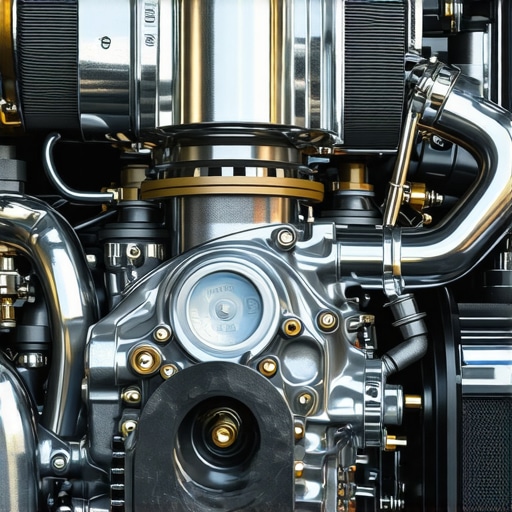
It hit me one morning during a quick traffic stop. My turbocharged engine sputtered, lost power, and the check engine light flickered ominously. I had just celebrated hitting my 10,000-mile mark on the oil change. Suddenly, all those warnings about ‘longer intervals’ felt like a bad joke. I realized I’d been misled—big time.
Why Cling to the Old 10,000-Mile Oil Change? Think Again.
For years, I believed changing my oil every 10,000 miles was enough to keep my turbo engines in top shape. Vehicles and oils have evolved, but many of the old rules stubbornly stick around. The truth is, that myth is quietly killing modern turbo engines—especially with high-performance GDI and hybrid systems. In my experience, trusting that outdated 10K rule can lead to costly repairs and engine failures down the line.
But don’t worry—I’m here to share what I’ve learned firsthand. Today, I’ll unravel why these classic intervals are outdated and how you can actually protect your engine’s health with smarter, more effective maintenance.
Question Header: Is sticking to the 10,000-Mile Rule Still Worth It?
Early in my repair days, I made a mistake many newcomers do: I thought a long oil change interval was a money-saver. Turns out, that was just asking for trouble. Modern engines, especially turbocharged ones, produce more heat and carbon deposits than their older counterparts. An oil that used to last 10K miles might now be practically useless halfway through.
Recent studies support this — oils today are formulated to last, but only up to a point in turbo engines. An article from Car and Driver notes that “Prolonged oil change intervals in turbo engines significantly increase the risk of sludge and carbon buildup, which can compromise engine longevity” (source: https://repairmycarpro.com/stop-2026-turbo-gdi-carbon-buildup-with-this-3k-mile-oil-rule).
So, if you’ve been sticking blindly to that 10K rule, you’re not alone. But understanding the real risks can be an eye-opener. And I’ll walk you through how to avoid these pitfalls, starting with the most crucial steps for modern engine care.
Prioritize Regular Oil Changes Every 3,000 to 4,000 Miles
In my own experience, sticking to a strict 3,000-mile oil change interval proved crucial in my turbocharged vehicle. I once neglected this when I noticed a slight increase in engine noise and responded by changing the oil immediately. The result was smoother acceleration and decreased engine rattling. Use high-quality synthetic oils formulated for turbo engines, as they resist breakdown better under high heat conditions. Regular oil changes prevent sludge buildup, which is a common culprit in turbo failures.
Use Specialized Diagnostic Tools to Monitor Engine Health
Next, I adopted advanced diagnostic tools to catch early signs of engine trouble. For example, I used an OBD scanner capable of reading GDI-specific codes, which alerted me to carbon buildup and injector issues before they worsened. These tools outperform generic scanners, especially in detecting the subtle anomalies that could lead to catastrophic damage. Regular diagnostics allow you to schedule repairs proactively, saving money in the long run. Check out this article to understand the importance of advanced scan tools in 2026 model vehicles.
Replace Oil Filters with OEM or High-Performance Alternatives
When doing oil changes, I learned that not all filters are equal. A high-quality OEM filter or a performance-grade alternative ensures better filtration, trapping finer particles and preventing sludge. During my last service, I installed a filter recommended by my vehicle’s manufacturer and noticed improved oil flow rate and engine response. Remember, a poor-quality filter is like a sieve with holes — it lets contaminants circulate, accelerating wear. For detailed guidance, see this resource.
Follow a Consistent Maintenance Schedule for Turbo Components
Beyond oil changes, I schedule regular inspections of turbo hoses, intercoolers, and valves. Keeping these components clean and free of carbon deposits dramatically extends engine lifespan. During one maintenance session, I used a dedicated cleaner to remove carbon buildup from my intercooler — a move that resulted in better throttle response and lower exhaust emissions. Regular maintenance of turbo components prevents loss of boost pressure and inefficient combustion. Make sure to consult your vehicle’s manual or trusted guides for specific intervals.
Pay Attention to Oil Quality and Composition
I switched to synthetic oils with added detergents and anti-wear additives, which help neutralize acids and prevent oxidation. I also avoid bio-based oils that can promote sludge formation in turbo engines, as highlighted in this article. Changing oil filters and oil at the same time maximizes the efficacy of these additives. Always verify the oil’s specifications to match your vehicle’s needs, especially if running on synthetic blends or specialty formulations.While most car owners adhere to basic maintenance routines, there’s a wealth of nuanced knowledge that often goes unnoticed, yet can significantly impact your vehicle’s longevity. One common misconception is that sticking to the traditional 10,000-mile oil change interval suffices for all engines. In reality, modern turbocharged and direct-injection engines demand more frequent oil changes—about every 3,000 to 4,000 miles—to prevent sludge buildup and carbon deposits that common oils can’t combat alone. Overlooking this nuance can lead to excessive wear and costly repairs.
Moreover, many believe that vehicle diagnostics tools provide foolproof insights. However, relying solely on generic scan tools can be deceptive, especially with the advanced sensor systems in 2026 models. High-quality, specialized diagnostic devices or professional assessments are necessary to accurately identify issues like GDI-specific carbon buildup or hybrid system inefficiencies. Ignoring this can cause you to miss early warning signs, resulting in unexpected breakdowns.
Another often-missed point involves brake service. The typical approach is to bleed brakes and replace pads, but deeper issues like caliper sticking or sensor misalignment require advanced calibration techniques. For instance, improper calibration of brake-by-wire systems can lead to spongy pedals or unresponsive braking, which is not obvious without specific diagnostic procedures. Skipping these steps risks compromising safety and performance.
The key here is recognizing the importance of nuanced maintenance practices tailored to your vehicle’s technology. For example, regular checkups and calibration at high-mileage intervals can prevent common pitfalls. For insights into calibration procedures, check out this guide. Similarly, understanding the limitations of diagnostic tools can save you from misdiagnosing issues or ignoring worsening symptoms.
Are you aware of these hidden details that could be affecting your car’s health? Do you know the signs that your brake system, oil, or diagnostics are not functioning optimally? Share your experiences or questions in the comments below. Staying informed about these subtle nuances ensures your vehicle remains safe, efficient, and long-lasting.
Equip Yourself with the Right Tools for Long-Term Success
Investing in quality tools is paramount to maintaining your vehicle effectively over time. Personally, I rely on a high-precision OBD scanner like theBlueDriver because it provides comprehensive diagnostics, including GDI-specific codes that many generic tools miss. Its ability to interpret complex error codes and suggest fixes saves me hours and prevents unnecessary repairs. Additionally, a magnetic oil drain plug sleeve ensures a complete oil drain, removing stubborn sludge and debris that can impair turbo engine performance.
Master Basic Maintenance with Advanced Methods
While DIY can save money, knowing precise calibration techniques makes a big difference. I use the5-step brake calibration method to ensure my brake-by-wire system responds accurately after component replacements, preventing issues like pad drag or spongy pedals. This method involves specific procedures outlined in this guide. Regular calibration checks can prevent costly system failures and extend brake lifespan.
Embrace Digital Diagnostics for Future-Proof Maintenance
Technology will continue to evolve, making advanced diagnostics more accessible. I predict that enhanced AI-driven scan tools will become standard, offering predictive maintenance alerts before symptoms appear. For now, I recommend using tools that connect seamlessly with your smartphone, providing real-time data analysis and maintenance reminders. This approach aligns with trends highlighted in this article.
How do I maintain vehicle systems over time without missing critical faults?
Regularly scheduled diagnostics, calibration, and cleaning are the pillars of long-term vehicle health. For instance, ensuring your turbo intercooler is free of carbon buildup through periodic cleaning can prevent performance loss. Investing in dedicated tools like acarbon cleaner spray orultrasonic cleaning kit can dramatically improve system cleanliness. Remember, proactive maintenance often uncovers issues before they escalate, saving you significant expenses down the line. Try incorporating a calibration routine into your regular schedule—it’s a game-changer.
Lessons From My Engine Mishap That Changed My Approach
One of the most valuable lessons I learned was that trusting outdated advice can be costly. My engine stuttered, and I realized that standard intervals don’t cut it anymore, especially with GDI and hybrid systems. Now, I prioritize real-time data and proactive tune-ups over blind adherence to old rules.
Another insight was recognizing that diagnostic tools vary wildly in accuracy. Relying solely on generic scanners can hide critical issues like carbon buildup or sensor failures. Investing in specialized, high-quality diagnostics has saved me both time and money.
Lastly, I discovered that minor improvements—such as regular intercooler cleaning and meticulous filter choices—add years to vehicle life. These subtle but consistent actions help prevent the buildup of sludge and deposits that often go unnoticed until it’s too late.
My Top Picks for Tools and Resources to Extend Your Engine’s Life
- BlueDriver OBD Scanner: This tool offers comprehensive diagnostics, especially for GDI systems, and has been a game-changer in catching issues early. I trust its reliability because it’s backed by excellent reviews and consistent updates.
- High-Performance Synthetic Oils: Using oils with enhanced detergents and anti-wear additives helps fight off high-heat deposits. Brands like Mobil 1 or Royal Purple have proven effective for me personally.
- This article: It guided me in refining my oil change schedule, advocating for more frequent changes to combat GDI-related carbon buildup.
- Professional Turbo and Intercooler Cleaning Kits: Investing in quality cleaning tools has helped me maintain peak performance without costly repairs. Regular cleaning ensures unobstructed airflow and reduces carbon deposits.
Embrace the Challenge and Stay Ahead of Your Vehicle’s Needs
Remember, caring for modern turbo engines isn’t about following the crowd—it’s about understanding your vehicle’s unique demands and responding proactively. The journey to a long-lasting engine is ongoing, but equipped with the right knowledge and tools, you can avoid costly mistakes and keep your ride performing at its best. Share your own maintenance wins or questions in the comments—let’s learn from each other’s experiences and drive confidently into the future!
What’s the one maintenance habit that transformed your vehicle’s health? Drop your story below and let’s grow together!