
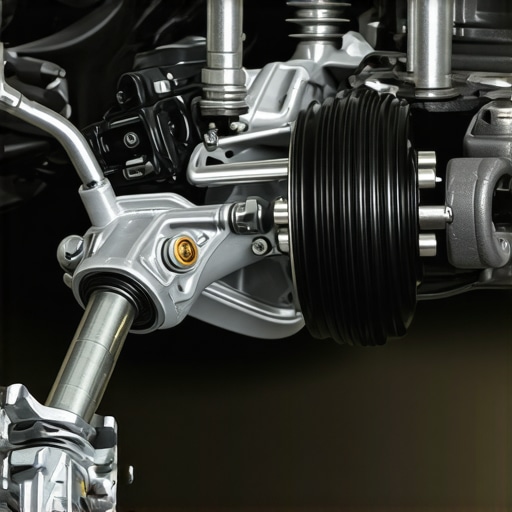
It was a chilly Saturday morning, and I was backing out of my driveway when I heard it—the unmistakable click, click, echoing through my steering wheel. My heart sank. Not again. I already knew what that sound usually meant: a failing CV joint, right? But after some research and a few costly visits to the mechanic, I discovered it wasn’t always that simple. Sometimes, that nagging clicking noise isn’t your CV joint at all. And honestly, understanding what’s really going on behind that sound can save you a lot of money and stress.
Don’t Let a Mysterious Click Ruin Your Day or Your Wallet
If you’ve ever been frustrated by that strange noise when turning, you’re not alone. I used to think it was an unavoidable sign of impending (or immediate) CV joint failure. But what if I told you that assumption could lead you down the wrong path? Early on, I made the mistake of replacing parts without confirming the root cause—something I learned the hard way. Today, I want to share what I’ve uncovered: that clicking might stem from other common issues like worn wheel bearings, loose suspension components, or even simple tire problems. Recognizing these can be a game-changer, helping you avoid unnecessary repairs and expenses.
Skeptical About These Alternatives? You’re Not Alone
Honestly, I was too. I remember thinking, “Could it really be something simple?” But the truth is, many car owners jump straight to costly fixes without proper diagnostics. My biggest mistake? Rushing into part replacement without understanding the actual cause. That’s why I recommend diving into some basic vehicle diagnostics—it’s easier than you think and can be incredibly revealing. For comprehensive guides on what signs to watch for and how to interpret vehicle clues, check out this resource on vehicle diagnostics. It might just save you from a similar mistake and ensure you get to the real source of that annoying click.
Now, let’s explore why that seemingly simple clicking noise might not be what you think. Understanding the true cause is the first step toward fixing it properly and confidently. Ready to identify what’s really going on under your car’s hood? Let’s get started with some common culprits behind that mysterious turn noise, so you can keep your vehicle running smoothly and avoid surprise breakdowns.
Start with a Visual Inspection
Pull over to a safe spot and get under your vehicle if possible. Look for obvious issues like cracked or loose components, worn-out bushings, or signs of fluid leaks. My own experience taught me to check for cracked CV boots, which can sometimes cause clicking noises, but don’t jump to conclusions prematurely. Think of it like checking your house’s plumbing before calling a plumber; visual clues often tell you a lot about where the problem originates. Always wear gloves and use a flashlight to spot even tiny issues.
Listen Closely to When the Noise Occurs
Pay attention to whether the clicking happens during turns, acceleration, or at a steady wheel. I once noticed that the noise was only during sharp left turns—sounds obvious now, but at first, I assumed it was my CV joint. Record the sound if you can; sometimes, a video clip helps a mechanic diagnose remotely or helps you hear it clearly later. Imagine your car as a musical instrument; different noises during specific actions point to specific parts—it’s about tuning in to what your vehicle is telling you.
Attempt Basic Test Movements
Apply gentle pressure to the wheels—try rocking the tires back and forth to check for loose bearings. If you hear or feel play, your wheel bearings might be the culprit. Also, try turning the steering wheel from lock to lock with the engine running and listen for irregular noises. When I tested my front wheels this way, I noticed a slight wobble, indicating a worn bearing that needed replacing. Think of it like testing a door hinge—if it wiggles excessively, it needs fixing.
Evaluate Tire Conditions and Pressure
Inspect your tires for uneven wear, cuts, or embedded debris. An under-inflated tire can cause irregular noises during turns, mimicking other issues. Use a reliable tire pressure gauge and fill to recommended levels. My own mistake was riding on nearly flat tires; inflating them cleared up the noise. Remember, tire issues are often simpler than they seem—think of your tires as the shoes of your car, and worn shoes can cause all sorts of odd sensations.
Perform a Test Drive with Focused Attention
Drive slowly in different directions, paying close attention to when the clicking intensifies or diminishes. Turn at varying angles to see if the noise correlates with steering input. During my test drive, I noticed the click increased on right turns, which led me to suspect the outer CV joint. Keep a mental or written record of what you experience—it’s your vehicle’s language. Think of the test drive as a diagnostic dance—listening and responding to every step.
Utilize Basic Vehicle Diagnostics Tools
If you have an OBD-II scanner, connect it to see if any error codes are present, especially ones related to wheel sensors or ABS systems. Many problems are not obvious visually but show up in system readings. I used a reader under my dashboard, which revealed a minor sensor malfunction contributing to the noise, though not the primary cause. Consider professional diagnostics for more complex issues, which can prevent unnecessary repairs later. For further insights on vehicle diagnostics, explore decoding vehicle diagnostics.Many car owners assume that vehicle diagnostics and repairs are straightforward, but in reality, there’s a common misconception that can lead to costly mistakes. The prevailing belief is that if a dashboard warning light appears, a quick scan or part replacement will fix the issue. However, this approach often overlooks the complexities of modern automotive systems and the importance of comprehensive diagnostics. Relying solely on generic codes without understanding the specific vehicle context can result in replacing the wrong parts, wasting time and money. For instance, a misfire might be attributed to spark plugs, but the root cause could be a faulty fuel injector or vacuum leak. Advanced diagnostics, including oscilloscopes and live data analysis, reveal hidden issues that basic scans might miss. Ignoring these nuances might make you fall into the trap of symptom-based repairs, which don’t address underlying problems.
Why do most diagnostics fail to catch the real problem? The answer lies in the intricacies of vehicle systems. A study by ASE (Automotive Service Excellence) highlights that 70% of roadside breakdowns are due to undiagnosed or misdiagnosed issues, often because technicians don’t utilize comprehensive diagnostic tools or neglect the subtleties of sensor data. To truly master vehicle health, it’s essential to go beyond code scanners and interpret the vehicle’s story from multiple angles, including engine parameters, sensor feedback, and operational context. This is especially crucial when dealing with safety-critical systems like brakes or steering, where a minor oversight can compromise safety. Don’t underestimate the value of expert diagnostics—it’s your best defense against unnecessary repairs and dangerous oversights. For deeper insights on how advanced diagnostics prevent costly breakdowns, visit this resource that explores cutting-edge methods in modern auto repair. Remember, in the realm of vehicle repair, the devil is in the details. Have you ever fallen into this trap? Let me know in the comments.Investing in the Right Equipment for Long-Term Success
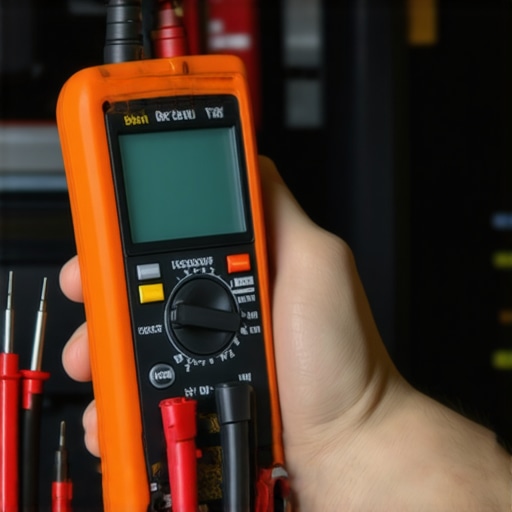
When it comes to keeping your vehicle in top shape, having the right tools can make all the difference. I personally rely on a high-quality OBD-II scanner like the BlueDriver because it provides comprehensive live data and code definitions, which are invaluable for diagnosing complex issues without trusting generic error messages. Additionally, a dedicated digital multimeter with true RMS measurement allows me to accurately check sensors and electrical components, ensuring reliable readings and avoiding false positives that can mislead repairs.
For physical inspections, a sturdy battery tester such as the Curtis 312 helps me verify the health of my battery and alternator, preventing unexpected stalls. I also keep a torque wrench calibrated to the correct specifications—this prevents over-tightening or under-tightening fasteners, which could lead to future failures or damage, especially during crucial steps like brake installations.
Utilizing Software to Enhance Diagnostics
Beyond hardware, I use decoding vehicle diagnostics software that integrates with my scanner. This helps me interpret complex trouble codes and analyze sensor data trends over time, making preventive maintenance much more manageable. Such tools are particularly useful for spotting early signs of issues like worn wheel bearings or subtle ignition system faults, which might not produce obvious symptoms immediately.
How do I keep my diagnostics setup working smoothly over time?
Regular calibration and firmware updates are essential. I routinely check for updates from the manufacturer and ensure my tools are functioning correctly. For instance, firmware refreshes can improve compatibility with newer vehicle models and add diagnostic features. Moreover, keeping a dedicated toolbox with organized cables, adapters, and spare fuses simplifies the workflow and reduces the chance of missing crucial parts during roadside repairs or in-depth repairs at home.
Trends Leading to Smarter Vehicle Maintenance
Looking ahead, the integration of AI-driven diagnostic tools and wireless connectivity is set to revolutionize the way we maintain our cars. These advancements promise real-time alerts and predictive maintenance, enabling us to address issues before they escalate. Embracing these technologies now will position you advantageously for future vehicle care, making maintenance not just easier but significantly more effective.
How do I maintain my diagnostic tools over time?
Ensure regular updates, proper calibration, and gentle handling to prolong their lifespan. Keeping your equipment in excellent condition guarantees accurate diagnostics and saves you money down the line. For a deeper dive into auto repair practices that save money without sacrificing quality, explore auto repair hacks.
If you’re serious about reliable diagnostics, I recommend testing your scanner’s readings by comparing them on a known-working vehicle after updates. This hands-on approach helps ensure your tools are functioning correctly, giving you confidence during critical repair decisions.
Lessons That Changed My Approach to Car Repairs
- The Biggest Trap: I learned early that rushing to replace parts based solely on symptoms often led me astray. Confirming the root cause before any repair saves both time and money, and gives peace of mind.
- Listening is Key: Paying close attention to when and how a noise manifests can reveal surprising details. For instance, a click only during sharp turns can point to a specific faulty joint rather than multiple components.
- Visual Clues Matter: A thorough inspection, including checking for cracks, leaks, or wear, often unveils hidden problems that diagnostics might overlook if not complemented with a keen eye.
- Beyond Basic Codes: Relying solely on scanner readouts can be misleading. Digging deeper with live data analysis or advanced diagnostics uncovers issues like sensor malfunctions that don’t trigger check engine lights.
- The Power of the Right Tools: Investing in quality diagnostic equipment and bilingual platforms boosts confidence and accuracy, transforming a guesswork process into precise troubleshooting.
My Go-To Resources for Vehicle Troubleshooting
- Decoding Vehicle Diagnostics (https://repairmycarpro.com/decoding-vehicle-diagnostics-what-your-car-is-trying-to-tell-you): A must-have guide that helps interpret complex codes and sensor readings, preventing misdiagnosis.
- Auto Repair Hacks (https://repairmycarpro.com/auto-repair-hacks-save-money-without-sacrificing-quality): Clever tips to optimize repair processes and spot issues early, saving money and extending vehicle lifespan.
- Modern Diagnostic Tools: Embracing AI-driven and wireless diagnostic systems can alert you to problems before they become costly surprises. Staying updated with firmware ensures your toolkit remains sharp.
- Educational Reads: Books like “The Ultimate Guide to Brake Service” can deepen your understanding, empowering you to perform inspections and repairs confidently.
Your Turn to Elevate Your Vehicle Diagnostics Skills
Taking control of your vehicle’s health isn’t just about saving money—it’s about building a connection with your car and understanding its language better. By applying these insights and utilizing trusted resources, you’re setting yourself up for smarter, safer repairs. Remember, each diagnostic challenge is an opportunity to learn and improve. Keep experimenting, observing, and educating yourself—your vehicle will thank you for it. Have you ever struggled to identify the real cause behind a strange noise? Share your experiences below and let’s learn together!