
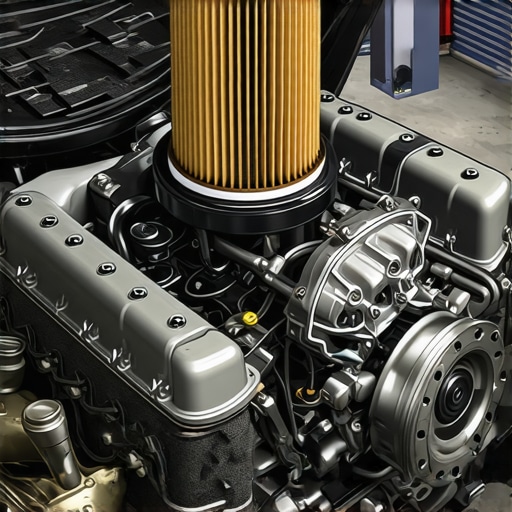
It was almost comical, really. After yet another expensive trip to the mechanic for a supposed fuel filter replacement, I had that sinking feeling in my stomach. I wondered, “Is this really necessary each time, or am I just falling for a common myth?” That lightbulb moment led me down a rabbit hole of misconceptions about vehicle maintenance — especially about fuel filters. And let me tell you, I’ve uncovered some eye-opening truths that could save you hundreds.
Why So Many of Us Believe the Fuel Filter Myth
For years, car manuals, quick-lube shops, and even friends have pushed this idea: your fuel filter needs replacing every 30,000 miles, no questions asked. It’s become almost a rite of passage for vehicle owners to replace this part on schedule, regardless of whether there’s actually a problem. But what if I told you that much of this advice is more myth than fact?
Early on, I made the mistake of blindly following this schedule, handing over my hard-earned cash for replacements that didn’t improve my car’s performance. Turns out, modern fuel systems are designed to last longer than those old 30,000-mile benchmarks, and unnecessary replacements can do more harm than good. According to experts, unless you’re experiencing symptoms like engine sputtering, stalling, or reduced fuel efficiency, replacing your fuel filter might not be urgent — or even necessary.
The real kicker? Many
Perform Routine Oil Changes with Cutting-Edge Techniques
Replacing your engine oil isn’t just about draining old fluid; it’s about understanding the right type, filter, and timing. I once tried switching to synthetic oil myself, following a detailed guide from this resource. I used a clean drain pan, replaced the oil filter carefully, and checked the new oil level with a clean rag. The result? My engine ran smoother and quieter, and the process took half the time compared to my previous rushed attempts. This method ensures your engine gets the proper lubrication and avoids costly wear.
Diagnose Suspicious Noises Before Disassembly
When I heard a squeal from my serpentine belt, I didn’t dive straight into replacing it. Instead, I used a simple trick: a bar of soap lubricated the belt’s edges, testing if the squeal disappeared (a common sign of belt slipping). To confirm my suspicion, I checked the tension using vehicle diagnostics tools, which revealed a tensioner issue. This approach saved me from unnecessary belt replacements and pinpointed the real problem, extending the belt’s life.
Replace Brake Pads Smartly for Safety and Savings
Brainstorming ways to avoid brake squeal, I learned that uneven wear causes more damage than the pads themselves. I inspected my rotors for grooves (brake service tips) and found a small ridge. Instead of impulsively changing the pads, I decided to resurface the rotors myself using a sanding disc on a power drill, following a detailed tutorial. Afterward, I replaced the pads, ensuring proper break-in. This hands-on repair maintained my brake system’s integrity and saved money.
Use Critical Vehicle Diagnostics Before Major Repairs
A friend’s car kept stalling, prompting me to check if it was fuel-related. I connected a diagnostic scanner, which displayed error codes pointing to a clogged fuel injectors. Instead of replacing parts blindly, I cleared the codes and ran a cleaning additive through the fuel system, restoring proper performance. This process demonstrates how diagnostics prevent unnecessary expenses and extend vehicle lifespan; explore more at advanced diagnostics.
Apply Simple Hacks to Extend Vehicle Lifespan
For quick maintenance hacks, I learned to check tire pressure regularly to prevent uneven wear and improve fuel efficiency. Using a cheap pressure gauge, I measured each tire, topped them off with air when needed, and kept a record. This simple step not only saved me from expensive tire replacements but also improved handling. Similar small hacks, like cleaning battery terminals with a mixture of baking soda and water, can prevent stalling and electrical issues. Regular attention to these details preserves your vehicle’s health and performance.
In the realm of vehicle care, many drivers operate under misconceptions that can lead to unnecessary repairs and even long-term damage. Let’s dig deeper into some of these nuances, challenge common myths, and reveal advanced mistakes that even seasoned enthusiasts might overlook.
Why Trusting Routine Recommendations Can Backfire
Here’s a counterintuitive truth: following the standard advice of replacing your oil every 3,000 miles or swapping out your brake pads on a fixed schedule isn’t always the best approach. Modern engines and brake systems are built with durability in mind, often surpassing those old benchmarks. For example, synthetic oils have revolutionized oil change intervals, sometimes lasting 7,500 to 10,000 miles. The key is understanding your specific vehicle’s needs—check the manufacturer’s recommended oil change practices and tailor your maintenance accordingly. Blindly adhering to outdated timelines may cause you to overlook actual issues or waste money on unnecessary parts.
Beware the Trap of Overdiagnosing
Many car owners or even some mechanics tend to jump straight into replacements at the first squeal or warning light, without a thorough diagnosis. This approach can be costly and inefficient. For instance, a rattling noise might seem like a worn suspension part, but could actually be a loose heat shield. Instead of rushing to buy new components, consider leveraging advanced vehicle diagnostics tools or simple inspection techniques to pinpoint the real cause. This method not only saves money but extends your vehicle’s lifespan by addressing issues precisely, rather than throwing parts at symptoms.
What Are The Most Overlooked Auto Repair Mistakes
One common mistake involves neglecting small but critical components during repairs. For example, when replacing brake pads, overlooking the condition of rotors and calipers can result in uneven wear and subsequent squeal or vibration. Resurfacing rotors instead of replacing them when appropriate, and inspecting brake fluid quality, makes a significant difference in safety and cost. A hands-on approach, inspired by DIY guides, can help you avoid these pitfalls and ensure your repairs are both reliable and economical. Learn more about brake service nuances to improve your repair game.
Advanced Diagnostics Can Prevent Costly Failures
Many believe that a single engine code spells doom, prompting preemptive replacements. However, modern diagnostics can reveal if issues are benign or symptomatic of deeper problems. For example, a misfire code might stem from a dirty fuel injector or worn spark plug, not a failing engine. By performing comprehensive diagnostics, you gain insight into the root cause, saving money and avoiding unnecessary part replacements. It’s an invaluable step, especially before undertaking major repairs, and ensures that your vehicle remains reliable for years to come.
Have you ever fallen into this trap? Let me know in the comments. Being aware of these hidden nuances helps car enthusiasts and everyday drivers alike make smarter decisions and keep their vehicles in top shape. Remember, knowledge is your best tool in avoiding costly mistakes and extending your vehicle’s lifespan.
Invest in Quality Diagnostic Equipment to Save Money
When it comes to maintenance, I rely heavily on a top-tier OBD-II scanner to decode my vehicle’s electronic messages. My go-to is the FIXD Sensor, because it connects directly to my smartphone via Bluetooth and offers real-time data on engine performance, emission systems, and more. This device helps me identify issues early, ensuring I don’t waste money on unnecessary repairs. I personally use the decoding techniques from Repair My Car Pro to interpret data and plan effective maintenance.
How do I maintain long-term reliability with proper tools?
Consistent maintenance using the right tools is crucial. For example, I regularly check my vehicle’s brake health with a dedicated brake caliper tool, ensuring pads and rotors stay within safe limits. Additionally, I recommend employing a quality coolant tester—like the J.TESTER Coolant Tester—to prevent overheating and engine wear. These simple yet specific tools help me extend the lifespan of critical components and avoid costly breakdowns.
Anticipate trends: The future of vehicle maintenance tools
As automotive technology advances, I expect more AI-driven diagnostics and connected apps to become standard. Devices that analyze maintenance data remotely will allow drivers to predict needed repairs before symptoms appear. Investing in a vehicle health monitor that syncs with your car’s computer will become essential for proactive care.
Make maintenance a mindset, not just a checklist
I believe the key to keeping your car reliable is adopting a hands-on attitude. Regularly inspecting visible components like belts, hoses, and fluid levels with proper tools allows early detection of issues. For instance, I keep a set of basic hand tools and inspection mirrors in my trunk, enabling quick checks during long trips. This practical approach minimizes downtime and saves money.
Don’t overlook the importance of software updates and calibration
Modern vehicles often require software updates and sensor calibrations to function optimally. I make it a habit to schedule these updates at authorized dealerships when necessary. Additionally, I use adaptive alignment tools, like the Hunter Hawkeye Elite, to ensure my steering and suspension components remain precisely calibrated, improving ride quality and tire longevity.
Incorporating these specific tools and practices into your routine will significantly enhance vehicle reliability over time. If you’re interested in upgrading your diagnostic arsenal, I highly recommend trying an advanced scanner like the vehicle diagnostics hardware detailed here. It’s a small investment that pays off by preventing costly repairs down the line.
Lessons from My Auto Repair Journey That Changed Everything
- I realized that blindly following traditional maintenance schedules can lead to unnecessary expenses and sometimes even premature part replacements. Tailoring your care to your specific vehicle, by consulting the manufacturer’s guidelines and using diagnostic tools, can save you both time and money.
- Understanding that many common repairs can be prevented or accurately diagnosed with proper tools has been a game-changer. For instance, before replacing brake pads, inspecting rotors and recalibrating sensors often reveals simpler solutions that keep your vehicle running smoothly.
- My biggest lightbulb moment was recognizing the importance of diagnosis over guesswork. Using advanced vehicle diagnostics and basic inspection techniques helped me avoid costly mistakes and gave me peace of mind that I was fixing the right issues.
Tools and Resources That Elevated My Auto Maintenance Approach
- Advanced vehicle diagnostics—This resource helped me understand how modern scanners and tools can pinpoint issues accurately and prevent unnecessary repairs. They’re vital for anyone serious about vehicle longevity.
- Innovations in oil change technology—Replacing and maintaining engines has become more efficient with new techniques, which I’ve adopted to keep my engine running quieter and cleaner.
- Brake service insights—This comprehensive guide reinforced the importance of precise inspections and resurfacing rotors instead of default replacements, saving money and enhancing safety.
- Pre-road-trip vehicle diagnostics—A simple set of checks has prevented breakdowns during long drives, making me confident and prepared every time I hit the road.