

It was a chilly morning when I noticed my car door was suddenly squeaking louder than usual. I had just finished a long road trip the night before and thought, “Did I forget to close something?” It wasn’t until I looked closer that I discovered the real culprit—a tiny, hidden drain plug that I had overlooked for months. That lightbulb moment made me realize how many of us miss simple yet crucial features that protect our vehicles from rust and other damages.
Why Overlooking Small Details Can Cost You Big Time
When it comes to vehicle maintenance, many car owners focus on the big stuff—oil changes, brake inspections, tire rotations. But it’s often the tiny, hidden components that determine how well your car stands the test of time. I learned this the hard way when neglected drain plugs led to rust forming inside my door panels—a problem I could have avoided with a simple inspection.
The drain plug I’m talking about is designed to allow water that seeps into your doors to drain out, preventing moisture buildup that can cause rust from the inside. Ignoring it not only accelerates corrosion but also compromises the structural integrity of your vehicle over time. The good news? Once I understood its importance, I committed to regular checks—saving myself from costly repairs down the line. Curious if your vehicle has this feature? Or maybe you’ve overlooked it too? That’s exactly what we’ll tackle today.
Could This Tiny Drain Plug Be Your Rust Remedy?
Many drivers don’t realize that a few minutes spent inspecting these hidden drain holes can prevent rust from taking hold. Rust isn’t just about looks; it can weaken your doors, making them dangerous in an emergency. Early on, I mistakenly thought rust was inevitable, especially on older cars. But studies show that proactive maintenance like clearing drain plugs can significantly extend your vehicle’s lifespan (source: [RepairMyCarPro](https://repairmycarpro.com/auto-repair-hacks-save-money-without-sacrificing-quality)).
If you’ve ever wondered whether these small components are worth your attention, I’d say they absolutely are. And I promise, once you get into the habit of checking them during routine maintenance, you’ll be surprised at how much money and worry you’ll save in the long run.
Start With a Visual Inspection of Your Doors
Before diving into the internal components, open each door and examine the bottom edges for small holes or drain plugs. Use a flashlight if necessary to see into tight spaces. Look for any signs of debris, leaves, or water puddles that might indicate clogged or missing plugs.
Locate and Remove the Drain Plugs
Most vehicles have small rubber or metal plugs that can be gently removed with your fingers or a flat screwdriver. For a more precise tool, use a trim removal tool to avoid damaging the surrounding areas. Once removed, check the plugs for cracks or damage and replace if necessary. As I experienced, a quick removal and inspection saved my door from severe corrosion.
Clear and Clean the Drain Channels
Insert a flexible wire or pipe cleaner into the opening to dislodge any dirt or obstructions. Flush the channel with compressed air or a gentle stream of water to ensure free drainage. Think of this step as unclogging a sink; if blocked, water backs up and causes damage over time. I once spent an afternoon cleaning inside the door, which significantly reduced the rust buildup in my car’s panels.
Test the Drainage Function
Pour a small amount of water into the channel using a cup or spray bottle. Observe from outside to confirm the water flows freely out of the hole. If water pools or drains slowly, revisit the cleaning and check for blockages. Regular testing prevents water accumulation that can lead to internal corrosion.
Seal and Replace the Drain Plugs
Once the channel is clean and free-flowing, firmly re-insert the drain plugs, ensuring they seal tightly. Use a bit of silicone or a weatherproof rubber sealant if the plugs are damaged to enhance their waterproofing ability. Proper sealing is like tightening a lid on a jar — it keeps moisture out and preserves your car’s integrity.
Schedule Routine Checks
Make inspecting these small drain plugs part of your regular maintenance, ideally during oil changes or tire rotations. Consistent checks mimic the way a doctor performs routine health assessments—proactively catching issues before they escalate. For more comprehensive vehicle maintenance tips, visit this comprehensive guide.
Use a Handy Inspection Tool
Invest in a mirror with an extendable handle or a small inspection camera to access hard-to-see areas. Seeing inside the door panel might seem tricky, but these tools can make the task straightforward. This approach is like having X-ray vision—saving you time and guesswork in diagnosing potential rust hotspots.
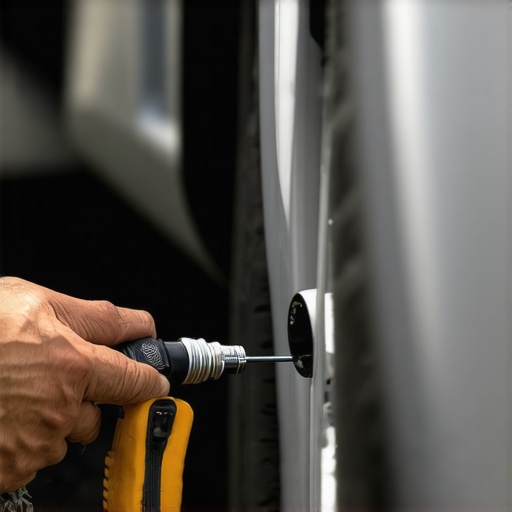
Image illustrating a person inspecting car door drain plug with a flashlight and tools to identify potential rust issues.
When it comes to auto maintenance, many car owners rely on conventional wisdom or quick fixes, but these often stem from misconceptions that can lead to costly mistakes. As an experienced mechanic and aware driver, I’ve uncovered several nuanced truths that challenge popular beliefs and reveal potential pitfalls. Let’s dive into some misconceptions and advanced errors that rarely get discussed but can have serious implications for your vehicle’s longevity and safety.
Is Regular Oil Change Always Enough to Protect Your Engine?
Contrary to what many believe, sticking solely to the scheduled oil change interval might not be sufficient for optimal engine health. High-performance driving, frequent short trips, or extreme weather conditions can accelerate oil degradation, meaning your engine might benefit from more frequent oil changes or the use of synthetic oils with advanced additives. Studies show that modern synthetic formulations can provide better protection against engine wear and sludge buildup, but many dismiss their benefits as unnecessary expenses—an oversight that could cost you down the line. For insights into innovations that effectively extend your engine’s lifespan, check out this article.
Vehicle Diagnostics Are Just About Signal Lights
A common mistake is assuming that the dashboard’s warning lights are the only indicators of vehicle issues. Advanced diagnostics go beyond simple codes; modern cars are equipped with sensors that monitor everything from fuel trims to suspension angles, providing real-time data that, when interpreted correctly, can preempt breakdowns. Many overlook the importance of decoding diagnostic troubleshoot signals—thinking they’re only necessary during check-engine light diagnostics. By proactively understanding what your car reports through an OBD-II scanner or through professional diagnostics, you can prevent minor issues from escalating into major repairs. Discover more about how advanced diagnostics can save you money.
Are Brake Services Just About Replacing Pads?
Many drivers believe that brake service is a simple matter of swapping out worn pads, but there’s more to it. Ignoring the importance of inspecting rotors, calipers, and brake fluid can lead to uneven brake wear, increased stopping distances, or even brake failure. Warped rotors, for example, are often dismissed as a normal wear issue, but they might indicate underlying problems such as caliper sticking or contaminated pads. Regular brake inspections that consider all components can prevent unsafe driving conditions. For myths busted on brake service, visit this page.
What Advanced Mistakes Do Even Savvy Drivers Make?
One mistake that often trips up even seasoned DIY enthusiasts is neglecting the impact of environmental factors on vehicle health. For instance, driving in areas with high salt exposure, such as snowy or coastal regions, requires more comprehensive corrosion protection, including undercoating and frequent inspections of hidden areas like frame rails and suspension components. Failing to recognize these nuances might lead to premature rust and expensive repairs. Have you ever fallen into this trap? Let me know in the comments.
By understanding these subtle yet critical aspects of auto maintenance, you can avoid the common pitfalls that many drivers overlook. It’s not just about following routine schedules but about recognizing the deeper nuances that ensure your vehicle’s safety, efficiency, and longevity. Remember, proactive and informed repair choices ultimately save money and prevent inconvenient breakdowns. For more expert advice on maintaining your vehicle’s health, reach out through our contact page.
Consistent Maintenance Makes All the Difference
Keeping your vehicle running smoothly over the years requires more than just scheduled oil changes and tire rotations. It involves using the right tools and adopting effective methods that enable early detection of issues and precise repairs. Personally, I rely on a combination of advanced diagnostic software and specialized hand tools to ensure my car remains reliable and safe.
Invest in a Quality OBD-II Scanner
An essential tool I recommend is a versatile OBD-II scanner like the BlueDriver. Unlike generic code readers, this device offers detailed data and live sensor readings, allowing me to interpret trouble codes with confidence and understand the underlying issues. For example, when a check engine light appears unexpectedly, I connect my scanner and quickly identify whether it’s a minor hiccup or something that needs urgent attention. Regularly viewing real-time data helps me spot potential problems before they escalate, saving time and money. For more insights into advanced vehicle diagnostics and how they prevent costly breakdowns, visit this resource.
Use Precision Tools for Brake and Suspension Work
Auto repair isn’t just about diagnostics—you need the right tools for the job. I swear by a quality set of snap-on brake caliper piston tools and a hydraulic press for pressing out old bushings. These tools ensure I perform replacements accurately without damaging components. Precise work on brakes and suspension prolongs their lifespan and optimizes performance. When replacing brake pads, for instance, I use a pyrometer to check rotor temperature during bedding-in procedures, ensuring maximum lifespan and safety. The importance of accurate tool use in brake service is highlighted in this comprehensive guide.
Automate Routine Checks with Software and Apps
Beyond physical tools, leveraging specialized apps can streamline car maintenance. I utilize Torque Pro on my Android device to access live sensor data and receive maintenance reminders based on my vehicle’s usage patterns. This automation helps me stay ahead of issues like low coolant levels, worn spark plugs, or uneven tire pressure. Combining digital alerts with physical inspections creates a robust maintenance routine that’s proactive rather than reactive. As technology advances, I predict integrations like predictive maintenance will become standard, thanks to AI-driven diagnostics that analyze sensor data to forecast failures before they happen.
How Do I Maintain Vehicle Diagnostics Effectively Over Time?
Maintaining diagnostics isn’t just about owning a scanner—it’s about integrating regular checks into your routine. I schedule bi-weekly inspections of critical sensors and keep an updated log of readings. This habit allows me to notice gradual shifts indicating wear or impending failure. Using a combination of decoding tools and software, I interpret data patterns, reducing guesswork and preventing expensive repairs. Embracing these tools and techniques has transformed my approach from reactive to preventative.
If you want to elevate your vehicle maintenance game, try using a precision diagnostic tool like the BlueDriver or connect your smartphone to your car’s sensors with a compatible app. This small investment can provide invaluable insights and help you catch issues early, ultimately extending your vehicle’s lifespan and ensuring safety on the road.
<
Close-up of a person using a professional-grade diagnostic scanner to analyze vehicle data in a garage setting.
Throughout my years as an auto enthusiast and mechanic, I’ve uncovered that the tiniest components—like drain plugs and sensor connectors—can make the biggest difference in a vehicle’s lifespan. These lesser-known features often operate behind the scenes but serve as critical guardians against costly rust, corrosion, and breakdowns. Recognizing and maintaining these small yet vital parts has transformed the way I approach car care, saving me money and giving me peace of mind on every journey.
The Little Lessons That Changed My Maintenance Routine
- One eye-opening moment was discovering how a simple, overlooked drain plug inside my door panels prevented water intrusion and rust. Once I started inspecting these every few months, my car’s interior stayed dry, and my door frames remained solid well beyond typical rust age. It taught me that proactive checks—even on tiny components—can forestall major repairs.
- Another realization came from understanding that modern vehicles’ sensors provide a wealth of diagnostic data. Using tools like a quality OBD-II scanner (such as BlueDriver) revealed subtle issues early—long before warning lights appeared. This knowledge empowered me to address problems rapidly, avoiding hefty repairs and keeping my engine running smoothly.
- Finally, I learned that many brake problems stem from neglecting rotor and caliper inspection, not just pad replacement. Regularly checking these elements with the right tools helped me prevent vibrations and unsafe driving conditions, proving that thoroughness in maintenance extends far beyond what’s visible on the surface.
My Secret Arsenal for Maintaining a Healthy Ride
- High-Quality Diagnostic Tools: I trust the BlueDriver scanner, because it offers detailed data and real-time sensor insights, making diagnostics straightforward. It’s a game-changer for early detection of unseen issues and ensures I never miss a warning sign.
- Precision Repair Instruments: Using specialized brake caliper piston tools and a hydraulic press has allowed me to perform safer, cleaner repairs without damaging crucial components. This saves money and extends component lifespan.
- Smart Maintenance Apps: Torque Pro and similar apps keep me on top of routine checks, alerting me when critical maintenance is due. Automating reminders means I stay consistent and prevent small issues from escalating into expensive repairs.
- Inspection Mirrors and Cameras: For those hard-to-see areas like inside door panels or undercarriages, I rely on extendable mirrors and inspection cameras. They give me peace of mind and save time during inspections, ensuring I catch problems early.
Drive Into the Future—Empowered and Prepared
The journey toward better auto maintenance is ongoing, but with a curious mind and the right tools, you can uncover hidden features and implement smart practices that truly make a difference. Remember, proactive care isn’t just about adhering to schedules—it’s about understanding the unique needs of your vehicle and acting before problems become costly. By paying attention to those small details, you’re not only extending your car’s life but also safeguarding your safety and wallet.
If you’re ready to elevate your auto care game, consider exploring advanced diagnostics and investing in some trusted tools. Your car will thank you, and you’ll enjoy every mile with confidence and peace of mind. What hidden feature or maintenance tip has surprised you the most? Share your experience below—I love learning from fellow enthusiasts!