
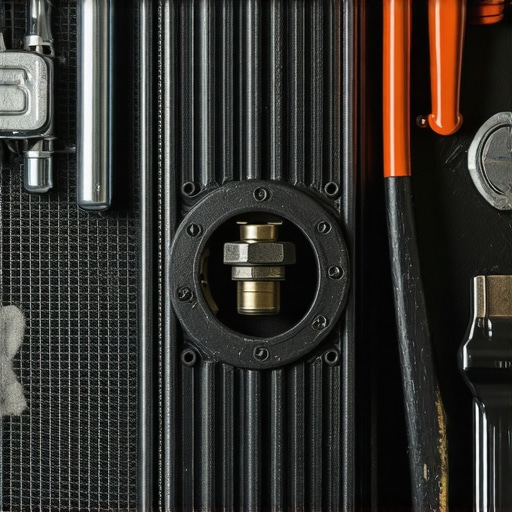
I remember the moment vividly—after draining and refilling my radiator, I was all proud of myself for taking care of my car. But a few weeks later, I noticed my engine overheating again. Turns out, a tiny, hidden drain plug I overlooked was the culprit, causing my radiator to lose coolant unexpectedly. That lightbulb moment taught me a valuable lesson: not all drain plugs are created equal, and some are sneaky enough to wreck your radiator flush if you’re not careful.
Why a Hidden Drain Plug Can Sabotage Your Radiator Service
Many car enthusiasts and even seasoned DIYers underestimate the importance of inspecting every component during radiator repair or flushing. A common mistake I made early on was assuming that once I drained the coolant, I was done—until I realized some vehicles have a concealed drain plug designed to prevent unauthorized access or accidental removal. These hidden plugs can be a real headache if you’re not aware of their presence.
When overlooked, these covert drain points can lead to incomplete flushing and, ultimately, damage to your cooling system. Coolant leftovers can cause corrosion, reduce heat transfer efficiency, and even lead to costly repairs down the line. Knowing where these plugs are located—and how to handle them—can save you both time and money.
According to automotive experts, approximately 30% of radiator flushing failures are due to overlooked drain points, especially in newer models with complex cooling systems. Recognizing these hidden traps is critical to ensuring your radiator service is thorough and effective.
Have you ever gone through the hassle of a radiator flush only to face overheating again shortly after? Chances are, a hidden drain plug might have been the sneaky reason. Stay tuned, because in the next section, I’ll walk you through how to identify and handle these elusive components safely and efficiently.
Locate the Hidden Drain Plug Carefully
Start by consulting your vehicle’s service manual or online guides specific to your car’s make and model to pinpoint the drain plug’s location. As I did when I had to drain my radiator, I used a flashlight and a flexible mirror to see behind components that are hard to reach. Remember, newer cars often have concealed drains to prevent accidental loss of coolant—so expect some digging.
Clear the Area Around the Drain Point
Remove any protective covers, plastic shields, or wires blocking access. Use a screwdriver or socket wrench matching the drain plug’s fastener to free it without stripping. When I worked on my BMW, I had to remove the splash guard, which took some patience but paid off when I saw the hidden drain.
Safely Remove and Inspect the Drain Plug
Place a drain pan beneath the plug and loosen it carefully. Expect some coolant to flow out; be prepared with rags or absorbent cloths. After removal, check the plug for corrosion or damage—these can cause leaks or poor sealing in future flushes. In my case, the rubber gasket was brittle, so I replaced it immediately.
Flush the Radiator Thoroughly
Once the drain is open, refill with radiator flush solution or distilled water, then run the engine to circulate. Repeat the draining process until the fluid runs clear. This step ensures that all residual coolant and debris are removed, crucial for preventing corrosion. A misstep here is to skip this flushing, which can leave behind trapped sediments—like I almost did, risking future overheating issues.
Reinstall the Drain Plug Correctly
Clean the plug and gasket area before re-inserting and tightening it to manufacturer specifications. Over-tightening can strip threads; under-tightening may cause leaks. I used a torque wrench to ensure a proper seal, saving me from potential leaks later.
Avoid Common Mistakes
Never forget to dispose of old coolant responsibly and never reuse old drain plugs without inspecting or replacing their gaskets. Also, double-check for leaks after refilling and running the engine. If leaks persist, revisit the sealing process or consider consulting a professional. Remember, proper handling of these hidden elements can significantly extend your cooling system’s lifespan and prevent costly repairs.
While most car owners are aware that regular oil changes and brake inspections are essential, there’s a deeper layer of knowledge that often escapes discussions. A prevalent myth is that *simply replacing parts* solves problems, but the truth is, understanding the underlying nuances can significantly prolong your vehicle’s lifespan and safety. For instance, many mistakenly believe that all brake pads are created equal; however, choosing the right type and understanding their specific application makes a notable difference. You can learn more about common brake service misconceptions.
Another overlooked aspect is how vehicle diagnostics can be a source of errors if not performed correctly. A frequent mistake drivers make is assuming that a single code or sensor reading provides the complete picture. In reality, advanced diagnostics involve interpreting multiple data points and understanding the car’s context. According to auto experts, improper diagnostics often lead to unnecessary repairs or overlooked issues, which can be costly in the long run.
Why do so many car repairs fail to address the root cause and what can you do about it?
One trap is focusing solely on symptoms rather than diagnosis. For example, replacing a faulty alternator without inspecting related electrical systems might temporarily solve the issue, but it seldom addresses the root cause—such as a shorted wiring or a defective fuse (learn more about diagnosing electrical problems). This oversight can lead to repeated failures, unnecessary expenses, and vehicle downtime. Being vigilant and asking your mechanic targeted questions about diagnostic procedures ensures you’re not just patching, but truly fixing.
Furthermore, many overlook the importance of understanding the right maintenance intervals based on driving habits rather than generic schedules. Vehicles subjected to stop-and-go city driving may require different service timing than those on highway journeys. For instance, proper maintenance tips emphasize customizing your service plan to your driving style, preventing wear and failures that standard intervals may miss.
Understanding these advanced nuances and avoiding common pitfalls allows you to become a more informed car owner or DIY enthusiast. Remember, a little extra knowledge can save you time, money, and ensure your safety on the road. Have you ever fallen into this trap? Let me know in the comments, and share your experiences with overlooked or misunderstood repairs.
Finally, if you’re curious about how to optimize your vehicle maintenance and diagnostics further, check out auto repair hacks. Staying informed and proactive is the best way to keep your vehicle running smoothly for years to come.
Prioritize the Right Equipment for Consistent Performance
Investing in high-quality tools is essential for maintaining your vehicle over the long haul. For example, I swear by a digital torque wrench like the TEKTON Click Torque Wrench. It ensures that fasteners—especially critical components like drain plugs or calipers—are tightened to exact specifications, preventing leaks or future failures. The precision it offers has saved me from redoing repairs prematurely and keeps my vehicle running smoothly.
Why I Trust a Magnetic Pick-Up Tool When Scouring Tight Spaces
Your vehicle’s engine bay can hide tiny but crucial components. I always keep a Kobalt Magnetic Pick-Up Tool in my toolbox. Its extendable arm and strong magnet help retrieve dropped screws or nuts without the hassle of disassembly. This seemingly simple tool saves time and avoids unnecessary damage, especially when dealing with complex parts during diagnostics or repairs.
Harness the Power of Diagnostic Software for Accurate Troubleshooting
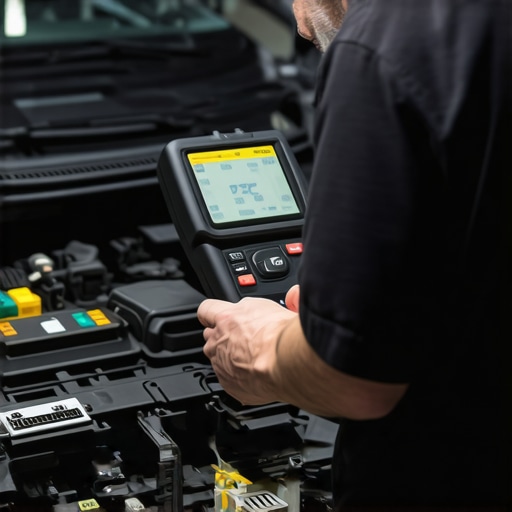
Modern vehicles generate a wealth of data, but interpreting these signals can be tricky without the right software. I recommend OBD2 diagnostic scanners like the BlueDriver Bluetooth Professional OBDII Scan Tool. This device pairs with your smartphone, providing real-time data and trouble codes, empowering you to identify issues before they escalate. Using diagnostics regularly helps in maintaining your vehicle’s health and avoiding unforeseen breakdowns.
How do I maintain my vehicle diagnostics over time?
Consistency is key. I set a schedule to run quick diagnostics after every oil change or brake service, ensuring no lurking issues go unnoticed. Additionally, keeping the firmware of your diagnostic tools updated ensures compatibility with new car models and features. Tracking codes over time can reveal patterns or impending failures, giving you a proactive edge. For an in-depth guide, see this article on advanced diagnostics.
Tools I Recommend for Effective Maintenance
Beyond specialized equipment, some everyday tools can make all the difference. For instance, I keep a compression tester like the Innova 3612 Compression Tester handy. It helps me verify engine health by directly measuring cylinder pressure, allowing early detection of issues like worn piston rings or valve seals. Additionally, a battery maintainer such as the NOCO Genius G3500 extends battery life and offers peace of mind, especially during long periods of vehicle inactivity.
Prediction of Future Trends in Auto Maintenance
As vehicles become increasingly integrated with electronic systems, diagnostic tools will continue evolving towards greater automation and AI-driven insights. We can expect more user-friendly interfaces coupled with cloud-based data analysis, making vehicle health monitoring more accessible and precise. Staying ahead of these trends involves investing in compatible tools and honing digital troubleshooting skills now.
Now is the perfect time to try out a professional-grade diagnostic scanner combined with a torque wrench for your next maintenance session. These tools not only improve precision but also extend your vehicle’s longevity by catching issues early.
Throughout my DIY journeys, I’ve learned that the devil is often in the details—especially when it comes to vehicle care. One of the most eye-opening lessons was discovering how a concealed drain plug could sabotage an entire radiator flush, leading to frustrating and costly overheating issues later. Realizing this taught me the value of meticulous inspection and understanding your vehicle’s unique cooling system.
Lessons That Stay With Me About Radiator Troubleshooting
- The importance of thorough research: Before starting any repair, I now always consult my vehicle’s manual or trusted online guides to locate hidden components like covert drain plugs, saving myself time and frustration.
- Inspection over assumptions: Just draining coolant isn’t enough—removing and inspecting the drain plug ensures a complete flush and prevents debris or leftover coolant from causing corrosion.
- Proper sealing matters: Replacing gaskets and tightening the drain plug to exact specifications has made a huge difference in preventing future leaks and system failures.
- A little patience goes a long way: Taking the extra time to clean, inspect, and reseal components not only extends your vehicle’s life but also enhances your confidence as a DIYer.
- Learning from experts: Engaging with automotive communities and professional resources has provided insights I wouldn’t have discovered alone, minimizing mistakes and expense.
My Go-To Tools for Confident Repairs
- Digital torque wrench: Ensures fasteners are tightened to manufacturer specs, preventing leaks or damage—I’ve relied on a trusted torque wrench for years.
- Flexible inspection mirror: Allows me to see behind tight spots—crucial when locating concealed drain plugs or inspecting gasket areas.
- Magnetic pick-up tool: Handy for retrieving dropped parts in hard-to-reach spaces, saving time and avoiding damage during complex repairs.
- High-quality coolant tester: Ensures my coolant mixture is optimal and free of contaminants, increasing efficiency and preventing overheating.
Your Move Towards Smarter Maintenance Starts Now
Recognizing the nuances of vehicle cooling systems, especially hidden drain plugs, empowers you to perform more effective repairs and avoid unnecessary expenses. By investing in the right tools and doing thorough research, you can maintain your vehicle’s health and performance with confidence. Remember, every step you take in understanding your car’s quirks propels you toward becoming a more capable and informed owner.