
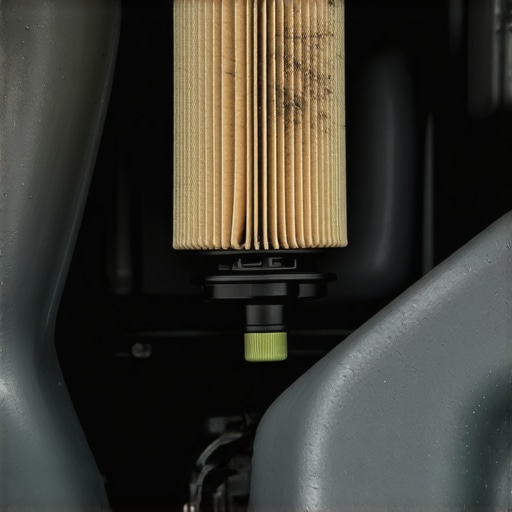
It happened on a chilly morning when my car suddenly sputtered and hesitated, leaving me stranded just a mile from home. Despite checking the usual suspects—fuel, spark, and air—I just couldn’t find the cause. That frustrating moment led me to a sneaky culprit I had overlooked: a hidden filter that was starving my fuel pump. This small, often ignored component was silently preventing my vehicle from running smoothly, and I bet many drivers are unknowingly facing the same issue.
Spotting the Silent Killer: Why Your Fuel Pump May Be Struggling
Few things are as irritating as a car that runs fine one minute and then starts acting up the next, especially when you’re unaware of the real problem. The reality is, tiny filters within your fuel system can become clogged with debris over time—fuel sediments, rust, or dirt—especially if you haven’t kept up with proper maintenance. When these filters get blocked, they choke off the fuel flow, forcing your pump to work harder than it should. Eventually, this leads to poor engine performance, stalling, or even failure.
Remember, your vehicle’s fuel system is a delicate ecosystem. Neglecting components like filters can cause costly repairs down the line. In fact, a dirty or clogged filter can reduce fuel efficiency by up to 15%, according to vehicle maintenance studies. That’s money wasted at the pump and increased wear on your parts.
Early on, I made the mistake of assuming that an occasional fuel filter change was enough, but neglecting to inspect the entire fuel delivery path can leave you vulnerable. A clogged filter doesn’t just starve your fuel pump; it strains it, leading to potential damage that could force costly replacements. To avoid this, I recommend doing routine checks and cleanings—trust me, it pays off.
If you’re tired of the unpredictable engine hiccups or the fear of being stranded, understanding and maintaining this hidden filter can be a game changer. Today, I’ll walk you through how to identify signs of blockage, what steps to take to fix it, and how to prevent it from happening again. Let’s dive into the practical tips that saved my car—and might do the same for yours.
And if you’re curious about other ways to keep your vehicle in top shape, check out [top auto repair tips to extend your vehicle’s lifespan](https://repairmycarpro.com/top-auto-repair-tips-to-extend-your-vehicles-lifespan). Now, have you ever faced a sudden engine failure without knowing why? If so, keep reading—what I found hidden in my fuel system could be the answer you’re missing.
Accessing the Fuel Filter
Start by safety: ensure the engine is cool and disconnect the negative battery terminal to prevent sparks. Locate the fuel filter—it’s typically along the fuel line underneath the vehicle or near the engine bay. Use jack stands if necessary for clearance. During my own repair, I found it easiest to lift the car and secure it properly before proceeding.
Preparing for Removal
Before disconnecting anything, place a bucket or rags underneath to catch residual fuel. Wear safety goggles and gloves. Identify the fuel inlet and outlet; these are often marked or color-coded. It’s crucial to note the direction of flow to install the new filter correctly. I marked the inlet side with a piece of tape during my fix to avoid confusion later.
Detaching the Old Filter
Using appropriate wrenches or special fuel line disconnect tools, carefully loosen the fittings. A common mistake is overtightening or stripping the connectors—be gentle yet firm. If the filter has clips or brackets, undo them carefully. During my swap, I struggled initially with a stubborn clamp but managed with gentle prying and patience, preventing damage to the lines.
Installing the New Filter
Compare the new filter with the old one to ensure correct size and fittings. Install the filter in the proper orientation, matching the flow direction marked on the unit. Tighten fittings securely but do not over-tighten to avoid cracks. Reattach any clips or brackets. When I replaced mine, I made sure all connections were snug to prevent leaks—testing with a small amount of fuel before full assembly helped confirm secure installation.
Final Checks and Testing
Reinstall the fuel lines, reconnect the battery, and turn on the ignition without starting to prime the system—listen for the sound of fuel pumping. Check for leaks around fittings—any signs of seepage mean you need to tighten fittings. If all looks good, start the engine and observe performance. Regular maintenance, like replacing filters before they clog, can prevent surprise breakdowns and improve fuel efficiency.
For more tips on maintaining your vehicle and avoiding costly repairs, visit this guide. Properly maintaining components like filters not only keeps your car reliable but also extends its lifespan, saving you money in the long run.
While many vehicle owners believe in straightforward solutions for auto repair and diagnostics, experts know there’s a lot more nuance involved. One widespread myth is that modern cars no longer require frequent diagnostics, but in reality, advanced systems can hide subtle issues that, if left unchecked, lead to costly breakdowns. Relying solely on onboard warning lights without proper understanding of diagnostic data often results in missed underlying problems, especially with complex sensor arrays and ECU interpretations. This is why advanced diagnostic tools, which utilize comprehensive data analysis, are essential for accurate troubleshooting—just like those discussed in decoding vehicle diagnostics—but many neglect these in favor of quick patches.
How can a basic scan miss critical hidden issues in your vehicle?
Many assume that clearing a code fixes the root problem, but this can be a trap, as it often only temporarily hides symptoms. For example, a failing oxygen sensor might trigger a check engine light, but unless the diagnostic process considers sensor cross-talk, wiring issues, or fuel system nuances, the real cause remains unaddressed. Experts caution that ignoring these details leads to recurring problems, increased emissions, and reduced fuel efficiency—an issue, backed by research from the Society of Automotive Engineers, which states that thorough diagnostics reduce unnecessary repairs by up to 30%.
When it comes to brake service, a common mistake is to believe that brake pads alone determine safety. However, the health of calipers, rotors, and even brake fluid quality significantly impacts performance and longevity. Many overlook the fact that contaminated brake fluid can absorb moisture, leading to corrosion and reduced braking power, a nuance crucial for safety. Check out brake myths busted for more insights.
In auto repair, the tendency is to replace parts based on symptoms rather than diagnosing the root cause. For instance, an engine misfire can originate from spark plugs, but also from vacuum leaks or fuel injector problems—if only the spark plugs are replaced without proper testing, the issue may just recur. Advanced techniques involve data analysis of sensor readings and engine behavior, helping prevent unnecessary expenses and ensuring reliable fixes. To avoid falling into such pitfalls, consider consulting auto repair hacks that emphasize accurate diagnostics over guesswork.
Regular oil changes are often viewed as routine maintenance, yet many neglect the importance of proper oil selection and the nuances of oil change innovations. Using the wrong oil type or neglecting to follow manufacturer specifications can lead to increased engine wear and reduced efficiency. Modern oils contain additives that clean your engine and protect vital components—information detailed in oil change innovations. There’s also a trap in complacency: skipping recommended oil change intervals because the engine runs smoothly now can cause long-term damage, emphasizing the need for regular, expert-guided maintenance.
Let’s keep in mind that vehicle maintenance isn’t just about quick fixes but understanding the nuances that ensure longevity and safety. Have you ever fallen into this trap? Let me know in the comments.
Maintaining your vehicle’s health over the long term requires more than just routine oil changes. Investing in the right tools and adopting specific methods can significantly extend your car’s lifespan and performance. I personally rely on a calibrated scan tool like the Autel MaxiCOM MK808 because it provides comprehensive diagnostic data, from reading fault codes to live data streams, helping me pinpoint issues before they escalate. Unlike generic code readers, this device connects via Bluetooth to my smartphone, allowing me to interpret complex engine parameters with ease—a feature I find invaluable.
Another essential tool in my arsenal is a high-quality infrared thermometer. I use it to quickly assess cooling system components, brake rotors, and exhaust manifolds, ensuring they operate within optimal temperature ranges. This non-contact device saves me time during inspections and helps catch overheating issues early.
On the software front, I favor vehicle diagnostic software that integrates seamlessly with my scanner, offering detailed reports and historical data tracking. Visualizing trends over time helps me plan proactive maintenance, which is crucial for avoiding sudden breakdowns.
Regular inspection of filters, fluids, and belts using these tools enables me to catch wear-and-tear signs before they cause expensive damage. For example, a ultrasonic leak detector helps verify the integrity of vacuum hoses and fuel lines, especially if I suspect subtle leaks. These leaks, often hidden to the naked eye, can cause poor fuel economy and rough idling. With the right equipment, I can identify and rectify such issues quickly.
Looking ahead, I see the trend shifting toward more integrated diagnostic platforms incorporating AI-driven analytics. This advancement will allow vehicles to self-report issues with greater accuracy and even predict failures before symptoms manifest. For now, mastering existing diagnostic tools remains essential for any dedicated car owner or professional mechanic.
How do I maintain my vehicle over time? I incorporate routine diagnostics, preventive part replacements, and detailed inspections with my trusted tools, making sure potential problems never catch me off guard. And I highly recommend trying out a comprehensive scan tool like the Autel MaxiCOM—getting detailed insights into your engine’s health can save you money and headaches in the long run. If you’re unsure where to start, visit this contact page to get personalized advice or assistance.
The Hardest Lesson I Learned About vehicle diagnostics,brake service,auto repair,oil change
One pivotal moment came when I ignored the subtle signs my car was giving. Failing to perform routine checks on components like filters or sensors can lead to costly repairs later. Recognizing these early warning signs and understanding their underlying causes can save you a fortune and keep your vehicle reliable.
Discovering the Tools That Changed My Maintenance Game
Investing in quality diagnostic tools such as the comprehensive diagnostic scanner and infrared thermometers turned my garage into a mini repair shop. These tools provided real-time data, helping me pinpoint issues fast rather than wasting time on guesswork.
Feeling Confident About Your Auto Repair Skills
Once I mastered inspecting and replacing simple parts like fuel filters or checking for vacuum leaks, my confidence soared. I realized that many problems stem from minor maintenance oversights. Regular diagnostics, combined with proactive part replacements, can prevent emergencies on the road.
Your Turn to Try
Don’t wait for a breakdown to start learning about your vehicle. Embrace the power of modern diagnostic tools and basic maintenance routines to keep your car running smoothly and safely. Remember, the more you understand your car, the better you can care for it—saving money and ensuring peace of mind.