
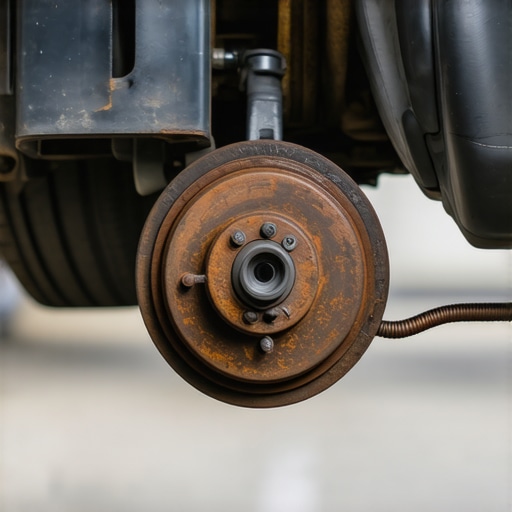
I still remember the moment it happened— cruising down the road, feeling confident, when my brake pedal suddenly went rock hard. Panic set in as I slammed it multiple times, only to realize that my front brakes had essentially disappeared. It was a lightbulb moment for me, discovering a sneaky enemy lurking within: hidden rust spots that can literally snap your brake lines. This problem sneaked up on me quietly, and I bet many fellow car owners have faced or will face something similar. Today, I’m here to share how these insidious rust spots develop, why they pose such a danger, and most importantly, what you can do to prevent or fix them before a minor issue turns into a major safety disaster.
Why Ignoring Rust Might Cost You Everything
Rust isn’t just a cosmetic problem; it’s a serious threat to your vehicle’s braking system. Brake lines, especially the metal ones, are vulnerable to moisture and road salt, which promote corrosion over time. When rust manages to creep into these lines, it weakens the metal from the inside out. The worst part? Rust can be hidden in places you can’t easily see—like behind the wheel well or inside the line where it connects to the caliper. If neglected, these rust spots can develop into cracks or even cause the brake line to snap while you’re driving, leading to catastrophic brake failure. I learned this lesson the hard way early in my DIY repairs— a mistake that cost me a roadside emergency. Trust me, being aware and proactive about rust can save lives. To better understand how corrosion sneaks into your brake lines and what signs to watch for, check out this detailed guide on corrosion in brake systems.
Is Rust Really a Major Threat or Just a Cosmetic Issue?
I’ve often seen folks dismiss surface rust as harmless— after all, it looks bad but doesn’t seem to impair function immediately. However, I made the mistake of thinking that minor surface rust could wait until the next service. Turns out, rust can be a silent killer. It starts in tiny spots, eating away at the metal unnoticed until a stress point causes it to snap. In one of my own projects, I learned that what seemed like minor surface corrosion quickly worsened, jeopardizing my safety. It’s a frustrating lesson but one I hope you won’t have to learn the hard way. For more on common mistakes that compromise brake safety, this article has some eye-opening insights. Remember, staying ahead of rust is about catching problems early, preventing costly repairs or dangerous failures. With this understanding in mind, let’s explore the signs that rust is turning into a serious threat and what steps you can take today to strengthen your brake system.
Inspect Your Brake Lines Regularly
Start by visually examining accessible brake lines—look for bubbling paint, crusty spots, or discoloration—these are early signs of rust. Use a flashlight to peer behind wheel wells and undercarriage areas where rust often hides. During one DIY session, I used a mirror and a flashlight to check my front passenger side brake line. Noticing a tiny brown spot, I grabbed a wire brush to remove loose rust and assess the severity. This proactive step prevented a potential line rupture during driving. Regular visual checks are crucial because rust can develop silently in hidden places.
Test Brake Line Flexibility
Gently grip the brake lines near fittings and bends. A flexible, rubbery feeling indicates good condition; a brittle or sticky texture suggests corrosion has compromised the metal. I once encountered a brake line that felt stiff and cracked when I applied slight pressure—signs I didn’t overlook. Replacing rusted sections at this point saved me from a dangerous failure. Remember, rust weakens the metal from the inside, so even if it looks minor externally, it may be structurally unsafe. For more on brake system health, this detailed guide explains how corrosion affects braking performance.
Clean and Remove Rust Spots
If minor rust is evident, carefully use a wire brush or sandpaper to scrub away surface rust. After cleaning, apply a rust-inhibiting primer or paint to prevent further corrosion. I used a wire brush and rust converter on a suspect section, which stabilized the metal until I could replace the compromised line. This process is like cleaning a wound before applying a bandage—preparing the surface to prevent infection. Regular maintenance reduces the risk of rust spreading and causing line failure.
Replace Severely Corroded Brake Lines
For areas where rust has created cracks or the metal feels brittle, replacement is essential. Use a jack to lift the vehicle safely, and remove the wheel to access brake lines easily. Detach fittings with proper wrenches, and install new lines, ensuring all fittings are tight to avoid leaks. When I replaced a corroded front line, I followed a step-by-step guide, ensuring no leaks or loose fittings. This once prevented a dangerous brake failure during a highway trip. Remember, rusted lines need prompt attention; don’t delay repairs to keep your brakes reliable.
Prevent Future Rust Formation
Apply a protective coating or undercarriage sealant to exposed areas, especially if you live in regions with heavy road salt use. Regular washes, including the undercarriage, remove corrosive salts and debris. I learned this lesson after noticing my truck’s underbody was developing rust spots around the wheel wells, despite intact lines. Coating and frequent cleaning significantly slowed rust formation. Also, consider using rust-proofing sprays on vulnerable components annually for extended protection. Preventative measures are cheaper and safer than emergency repairs and can extend the lifespan of your brake system.
Schedule Professional Inspections
While DIY checks are helpful, professional inspections can identify hidden rust and unseen corrosion that might compromise safety. Mechanics can perform pressure tests and detailed inspections, especially on older vehicles. I once took my car to a trusted mechanic after noticing a minor rust spot; they recommended replacing a section of brake line before it ruptured. Regular inspections, combined with your personal assessments, keep your brakes in top shape and ensure safety on the road. Combine visual checks with professional diagnostics for comprehensive protection.
Many car owners believe that basic maintenance tasks like oil changes and brake checks are straightforward and require little specialized knowledge. However, this perception often leads to overlooked nuances that can cause significant issues down the line. For instance, a common myth is that synthetic oils don’t require frequent changes; in reality, oils can still degrade quickly if conditions aren’t optimal, leading to engine sludge and wear. Advanced diagnostics reveal that persistent misfires or subtle vibrations may stem from overlooked sensor issues or internal engine leaks that casual inspections miss entirely, as explained in this detailed analysis of sensor failures and leaks. Moreover, relying solely on dashboard warning lights without understanding their triggers can lead drivers to ignore critical problems, like failing to recognize early signs of a blown head gasket or failing wheel bearings that subtly degrade ride quality. I’m often asked whether tuning the engine or replacing components without thorough diagnostics actually saves money — the truth is, superficial fixes frequently overlook underlying causes, resulting in repeat repairs that could have been avoided with proper analysis. This mistake is especially costly when it comes to brake service; for example, many assume squealing brakes always mean worn pads, but in some cases, debris or oxidation in the caliper slides causes noise, which requires different attention.
How can DIY enthusiasts differentiate between minor issues and serious failures during routine checks?
Developing a keen sense for these nuances means understanding how sensors, small leaks, and hidden corrosion can mimic minor problems, leading to misdiagnosis. A good example is the false trigger of engine thermometer sensors, which might suggest overheating when it’s a faulty sensor or wiring issue, easily misdiagnosed if one isn’t familiar with sensor diagnostic techniques. For a practical approach, check out our guide on how we tracked down a ghost misfire, which highlights how subtle electrical issues can cause major drivability concerns. The key takeaway is that thorough testing and understanding of vehicle sensors, electrical systems, and fluid dynamics can save you from costly repairs and unsafe driving conditions. Remember, every part of your vehicle is interconnected, and neglecting the intricate details—like corroded brake lines or faulty oxygen sensors—can pose significant safety risks. Stay informed and consider professional diagnostics for complex problems; it’s an investment in safety and longevity. Have you ever fallen into this trap? Let me know in the comments.
Keep Your Vehicle Running Smoothly with the Right Tools
Maintaining your car’s performance over time requires more than just basic knowledge; it demands the right tools and a systematic approach. Personally, I rely on a combination of high-quality diagnostic equipment and manual tools to ensure my vehicle stays in top shape. A digital multimeter, for example, is invaluable for diagnosing electrical issues like sensor faults that can affect engine performance. I prefer a digital multimeter with auto-ranging features and a minimax mode, which makes testing circuits and sensors like the oxygen sensor or coolant temperature sensor straightforward. For instance, checking the sensor that tricks your engine into thinking it’s overheating becomes much easier with this device, as explained in detail here.
Alongside digital tools, I keep a set of impact wrenches and stubby screwdrivers. Impact wrenches save time during lug nut removal and can even assist in removing rusted bolts, preventing unnecessary damage. I use a stubby screwdriver for tight spots when working around the engine bay – these tiny yet powerful tools allow access where full-sized screwdrivers won’t fit.
Furthermore, investing in a quality wheel alignment kit is a game changer for maintaining proper tire wear and handling. I personally use a laser alignment tool that’s relatively affordable yet accurate enough for DIY use. Regular checks with this tool help avoid uneven wear and extend the life of your tires, saving money and enhancing safety.
On the software side, I recommend vehicle diagnostic scan tools that are compatible with your car’s make and model. Bluetooth-enabled OBD2 scanners, paired with apps on your phone or tablet, provide quick insight into engine health and codes. These tools are especially useful for identifying issues early, such as a minor misfire that only occurs on hills—a problem I documented how to track down here.
Looking ahead, the trend is moving toward more integrated diagnostic systems, with OEM-level tools becoming more accessible to enthusiasts. It’s exciting to see the industry evolve, making advanced diagnostics and maintenance more approachable for DIYers. Learning to use these tools effectively can dramatically improve your ability to perform long-term repairs and maintenance, reducing dependence on costly professional service.
How do I maintain vehicle diagnostics over time?
Regular updates of your diagnostic software and calibration of your tools ensure accurate readings. Also, familiarizing yourself with your vehicle’s specific sensors and systems, such as the one that causes ghost misfires or false readings, helps in swift troubleshooting. For proper calibration techniques, check this guide on how we tracked down a ghost misfire that only happens on hills. Investing in proper storage and care of your tools, like keeping your multimeter’s batteries fresh and your impact wrench properly lubricated, prolongs their lifespan and reliability. Lastly, periodically reviewing manufacturer service bulletins and recall notices, available through trusted sources, can alert you to emerging issues and necessary updates in your maintenance routine. These practices build a solid foundation for dependable long-term vehicle health—try calibrating your diagnostic tools this week and experience the difference firsthand.
How I Stumbled Into Rust’s Silent Assault on My Brake System
Experiences like mine with sudden brake failures serve as serious wake-up calls. Learning how lurking rust spots can surprise you emphasizes why proactive maintenance is crucial. Sharing this journey aims to help fellow drivers avoid the same pitfalls and keep their brakes reliable.
The Hidden Lessons from My Brake Line Mishap
One deep lesson I learned is that surface rust isn’t just superficial; it can endanger safety silently. Regular, thorough inspections revealed how early rust signs could be addressed before escalation. Always remembering to check hard-to-see spots has become a personal rule to prevent emergencies.
Why Rust Often Outpaces Our Eyes and What You Can Do
Rust develops behind the scenes, especially in hidden areas like wheel wells and inside brake lines. Using mirrors and flashlights during routine checks uncovers these stealthy threats early. Employing rust inhibitors and protective coatings on exposed parts creates a formidable barrier against corrosion.
Turning Knowledge Into Action for Your Brake System
Simple steps like cleaning rust spots with wire brushes, applying rust converter, and promptly replacing severely corroded lines dramatically increase safety. Professionally, periodic inspections can catch issues we might overlook, reinforcing the importance of combining DIY vigilance with expert advice. Complement this with proper undercarriage cleaning and sealing to combat road salts and moisture, especially in winter months.
Why the Right Tools Are Your Best Allies
A quality impact wrench, digital multimeter, and reliable diagnostic scanners are game changers for car repair enthusiasts. These tools help identify issues early, such as sensor faults or rust-related weaknesses, ensuring long-term vehicle health. Regular calibration and updates of your diagnostic devices sustain their accuracy, making your DIY repairs safer and more effective.
Insider Wisdom for Enduring Vehicle Health
- Rust often begins quietly beneath paint and in crevices—regularly inspect those hidden spots, especially after winter.
- Address even minor rust spots promptly using rust converters; small issues grow quickly if ignored.
- Don’t rely solely on visual checks—use a wire brush and rust inhibitor for thorough prevention.
- Replacing severely rusted brake lines isn’t an expense; it’s an investment in your safety.
- Coupling effective tools with professional inspections ensures your brake system remains reliable over time.
Tools and Resources That Keep Me on Track
- Impact wrenches and impact drivers from brands I trust like Milwaukee help manage stubborn rusted bolts safely.
- A quality digital multimeter from Fluke ensures accurate electrical diagnostics, essential for sensor issues.
- Diagnostic scan tools compatible with my vehicle, like Bluetooth OBD2 devices, facilitate early detection of brake and sensor problems.
- Reading materials such as RepairMyCarPro’s guides deepen my understanding of corrosion and vehicle diagnostics, sharpening my DIY skills.
Your Turn to Strengthen Your Brake Safety
Taking control of rust prevention and brake line health isn’t just about saving money; it’s about safeguarding lives. Equip yourself with knowledge, the right tools, and proactive habits to keep your vehicle in top shape. Your vehicle’s safety depends on your vigilance and care—don’t wait for a failure to take action.
What’s the first rust spot you plan to check on your vehicle? Share your experience below—your insights could help others avoid costly repairs and dangerous failures.