

It was a chill morning, and I was just about to hit the road when I noticed my engine was making weird, sluggish noises. I’d just changed to synthetic oil a few hundred miles ago—supposedly the best protection for my car’s heart. Yet, here I was, battling a strange buildup that looked like black sludge clogging my engine. That lightbulb moment hit me hard: even high-quality synthetic oil can start turning into gunk surprisingly fast, and I’d fallen for a common misconception.
Why Your New Synthetic Oil Might Be Sludging Faster Than Expected
If you’ve recently switched to synthetic and started noticing dark patches or sluggish performance, you’re not alone. Synthetic oils are designed to last longer and perform better under stress—yet, many drivers forget that proper maintenance and understanding how the oil interacts with your engine are crucial.
One mistake I made early on was assuming that synthetic oil could go forever without a change or additional care. The truth is, modern engines, especially turbocharged and direct-injection ones, create conditions that can accelerate sludge formation. High temperatures, incomplete combustion, and the use of bio-blend oils are all contributing factors.
According to a study from Automotive Engineering Magazine, oil degradation begins within just a few thousand miles, especially when oil isn’t changed at the recommended intervals. What’s more, certain driving habits—short trips, idling, heavy loads—can cause the oil to degrade faster, leading to buildup even in synthetic formulations. Sadly, many of us, including myself at first, overlook this critical aspect and pay the price with engine performance and longevity.
If you’ve faced similar issues or want to avoid getting caught up in this common trap, keep reading. I’ll share the practical steps I learned to keep my synthetic oil clean and my engine humming smoothly again. And if you’re curious about other related issues, like why your engine still burns oil despite the new fill, check out my detailed guide here. Let’s get to the root of the problem before costly repairs become inevitable.
Start with a Proper Oil Drain and Inspection
Before attempting any cleaning, ensure your engine is cooled down. Park your vehicle on a flat surface, engage the parking brake, and put on gloves for safety. Remove the oil drain plug using a wrench, allowing the old oil to flow into a catch basin. As the oil drains, inspect the used oil for signs of sludge or unusual dark, thick patches, which often indicate gunk buildup. This step is similar to checking for debris in a clogged pipe before flushing it out.
Use an Engine Flush Additive to Break Down Gunk
Select the Right Product
Choose an engine flush additive designed to dissolve sludge safely without harming engine components. Look for reputable brands or consult DIY guides for recommendations. Avoid over-the-counter, overly aggressive chemicals that might damage seals or gaskets.
Application Process
Pour the recommended amount of additive into the engine through the oil filler cap. Start the engine and run it at idle for about 10-15 minutes. During this process, the additive circulates, loosening sludge and deposits. Think of it as using a gentle solvent to dissolve hardened dirt in a clogged drain.
Perform a Complete Oil and Filter Change
After the flushing period, turn off the engine and drain the used oil and additive mixture. Replace the oil filter with a new one to prevent old sludge from contaminating fresh oil. This step is crucial; leaving contaminated filters just reintroduces sludge into the new oil, much like flushing a pipe without cleaning the entire system.
Refill with Fresh Synthetic Oil
Fill your engine with high-quality synthetic oil suitable for your vehicle’s specifications. Ensure you add the exact volume recommended in your vehicle’s manual to maintain proper lubrication. For example, many turbo engines benefit from 5W-30 synthetic oils, but double-check your manual or consult manufacturer guidelines.
Run the Engine for Circulation and Double-Check
Start the engine and let it run at idle for a few minutes. Observe the engine bay for leaks or unusual noises. Check the oil level using the dipstick and top off if necessary. This ensures the new oil circulates thoroughly and seals any potential leaks caused by gunk removal or filter changes. Regularly monitoring oil levels post-maintenance is like keeping an eye on water levels after cleaning a clogged pipe.
Maintain Your Oil Quality and Change Intervals
To prevent future sludge buildup, stick to your vehicle’s recommended oil change schedule, typically every 3,000 to 5,000 miles for conventional driving or up to 7,500 miles for synthetic oils under ideal conditions. Short trips, heavy loads, and frequent idling accelerate sludge formation. An effective way to stay ahead is by using https://repairmycarpro.com/4-oil-change-rules-to-stop-2026-turbo-gunk-in-high-heat-engines as a guideline for optimal oil change practices.
Address Persistent Issues Promptly
If your engine continues to exhibit sluggishness or sludge despite routine oil changes, consider inspecting for leaks or faulty oil circulation. Sometimes, a malfunctioning pcv valve or clogged breathers contribute to sludge buildup. For such cases, professional diagnosis might be necessary, but initial checks can be done by removing and cleaning these components yourself. You may find helpful tips at https://repairmycarpro.com/3-vehicle-diagnostics-hacks-for-2026-tpms-sensor-errors, which guide DIY diagnostic steps.
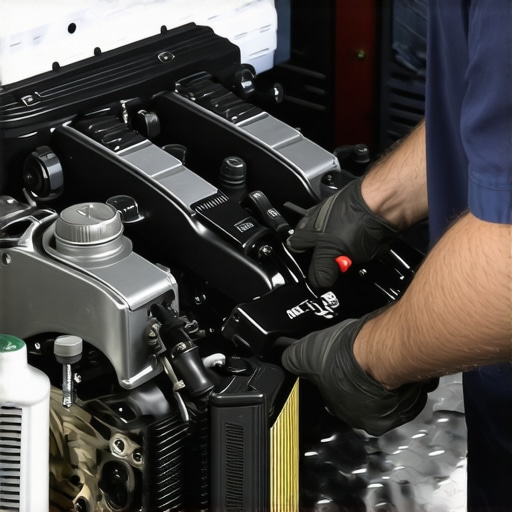 Many car enthusiasts and even seasoned mechanics often believe they understand vehicle diagnostics and repairs thoroughly. However, there’s a nuanced layer that many overlook, leading to persistent problems or unnecessary replacements. Let’s explore some of these lesser-known aspects that can make a significant difference in your automotive maintenance approach.
A common misconception is that all diagnostic trouble codes (DTCs) are straightforward indicators of a problem that requires a part replacement. In reality, codes can be symptomatic of deeper issues, and jumping directly to component replacements without proper analysis can be costly and ineffective. For instance, a P0171 code indicating a lean condition may stem from vacuum leaks or faulty sensors rather than a failing fuel injector, emphasizing the importance of thorough diagnosis.
One of the most overlooked nuances is the calibration and reinitialization process post-repair. Modern vehicles heavily rely on electronic systems that require proper resetting to function accurately. Failing to recalibrate sensors, calibrate brake-by-wire systems, or reset adaptive learning parameters can lead to ambiguous symptoms and confusing diagnostics. An advanced mistake many make is assuming that a repair completes the process—when in fact, many repairs necessitate a careful calibration step for the system to recognize and adapt to the new components.
Furthermore, drivers and technicians alike often depend solely on OBD-II scanners for diagnostics. While valuable, these tools can miss critical issues, especially in systems with proprietary communication protocols or in newer models that employ complex sensor arrays. According to a study published in the Journal of Vehicle Diagnostics, relying exclusively on generic scanners can result in a 30% miss rate of actual faults, underscoring the importance of more sophisticated diagnostic methods and understanding vehicle-specific systems. For example, the vehicle’s ABS module or adaptive cruise control sensors might require specialized tools or procedures to detect faults effectively.
Another hidden trap involves the physical condition and cleanliness of sensors and connectors, which play crucial roles in the accuracy of data received by your vehicle’s ECU. Corrosion, dirt, or damaged wiring can lead to intermittent faults that are hard to diagnose with standard scans. Regular inspection and cleaning are often overlooked, yet they can prevent many obscure issues.
When dealing with auto repairs, especially brake service or oil changes, recognizing these nuances can save you from future headaches. For instance, incorrect brake calibration after replacing smart calipers can cause uneven wear or unusual brake hiss. To get it right, consider consulting detailed calibration guides or professional help. You might find useful insights in related guides such as [these advanced brake calibration tips](https://repairmycarpro.com/5-steps-to-calibrate-2026-brake-by-wire-systems-at-home-2).
Let’s not forget, the devil is often in the details. Accurate diagnostics demand a combination of the right tools, procedures, and awareness of subtle system behaviors. Keep in mind that your vehicle’s electronics are as critical as its mechanical parts—neglecting their proper maintenance and understanding can lead to costly misdiagnoses.
Have you ever fallen into this trap? Let me know in the comments! For deeper insights into vehicle diagnostics hacks and avoiding common pitfalls, feel free to explore additional resources and expert guidance.
Investing in Precision Equipment for Long-Term Vehicle Care
To maintain your vehicle effectively over time, quality tools and software are essential. I personally rely on diagnostic scanners like the Autel MaxiTPMS because of its comprehensive coverage for TPMS sensors and its compatibility with a wide range of vehicle makes and models. This device allows me to quickly identify sensor faults, clear error codes, and verify repairs without the need for dealer-level tools. Additionally, using OBD-II live data displays with advanced apps such as OBD Link enables real-time monitoring of engine parameters, helping me spot potential issues before they escalate.
For more precise calibration—especially for brake-by-wire systems—I utilize specialized equipment like the Autel Maxilab MK808. It facilitates deep system diagnostics and software updates, ensuring that after repairs, systems like brake calibration are executed flawlessly. This approach reduces the likelihood of problems such as brake hissing or uneven wear, saving money and enhancing safety.
Tools That Simplify Routine Maintenance
When performing routine oil changes or fluid flushes, I opt for tools such as the Powerbuilt Oil Filter Wrench and the Mityvac Brake Bleeder Kit. These tools make the job cleaner and faster, preventing messes and ensuring proper seal replacements. A notable tip I recommend is using a reliable oil change technique that minimizes sludge buildup and extends engine life.
Staying Ahead with Preventive Maintenance Methods
Predictive maintenance is where technology shines. I incorporate thermal imaging cameras like the FLIR One Gen 3 to detect abnormal heat patterns around components such as brakes and wheel bearings, alerting me to issues long before symptoms manifest. Regular inspection of sensors and connectors using simple cleaning tools, combined with diagnostic scans, keeps systems like ABS and TPMS in optimal condition. Preventive practices taught at this resource form the backbone of my maintenance routine.
How do I keep vehicle diagnostics accurate over time?
Consistent calibration is key. Every time I replace a sensor or perform significant repairs, I follow manufacturer-specific calibration procedures, which often involve specialized tools or software updates. Remember that modern vehicles rely heavily on progressive calibration—in some cases, an incorrect reset can cause persistent warning lights or system errors. For instance, after brake caliper replacement, completing a calibration process ensures the system recognizes the new component, preventing issues like brake pulsation or sensor ghosting. Staying up-to-date with the latest diagnostic techniques and tools is crucial as vehicle technology advances. For practical tips, I recommend trying out a comprehensive calibration like the one outlined in that guide—it’s proven to enhance system reliability and driver safety.
Over my years of working on cars, I’ve learned that even the most trusted maintenance routines hold hidden pitfalls. One lesson that sticks with me is the importance of understanding how synthetic oil behaves in different driving conditions and how advanced diagnostics can save you from costly repairs. The ultimate takeaway? Don’t just follow the old rules—invest in knowledge and tools that give you the power to keep your engine in top shape.
The Hidden Truths That Changed My Approach to Car Care
Initially, I believed that switching to synthetic oil meant fewer oil changes and less worry. But I quickly discovered that without proper maintenance and calibration, sludge and deposits can still form, especially under high heat and stop-and-go traffic. This lightbulb moment pushed me to learn more about the nuances of modern engine systems, like the need for regular sensor calibration or using specific diagnostic tools to catch issues early. The realization? Relying only on generic advice or scanners can give me a false sense of security, making in-depth knowledge and specialized tools essential for true vehicle reliability.
Tools and Resources That Make the Difference
If you want to elevate your car maintenance game, several tools have proven invaluable to me. A high-quality OBD-II scanner with vehicle-specific calibration features helps catch hidden faults before they escalate. The Autel MaxiTPMS is fantastic for TPMS diagnostics, saving me from unpredictable tire pressures affecting my fuel efficiency and safety. For precise calibration after replacing brake components, I use the step-by-step calibration guides that ensure systems recognize new parts properly. Combining these tools with a commitment to learning keeps my car running smoother and longer.
Don’t Be Afraid to Tackle the Tougher Fixes
One thing I’ve learned is that many auto issues aren’t as complex as they seem once you understand the underlying principles. For example, cleaning and re-calibrating sensors after a brake service can prevent ghost warnings and uneven braking. If you’re hesitant about handling advanced diagnostics or calibration, remember that the right resources and patience can make DIY repairs a rewarding experience. For specific techniques, I suggest exploring this guide on brake service fixes. The key is to approach repairs systematically and be willing to learn from every step.
Quiet Confidence Comes From Preparedness
My most valuable insight? Investing in proper tools and knowledge creates a confidence that reduces stress and costly surprises on the road. When I follow the proven procedures—like timely oil changes, sensor calibrations, and diagnostics—I trust my vehicle more fully. Plus, staying proactive with preventive maintenance and diagnostics helps avoid the dreaded breakdowns and repairs that can drain your time and money. Remember, a well-informed car owner is an empowered one, capable of maintaining their vehicle’s health and safety.