
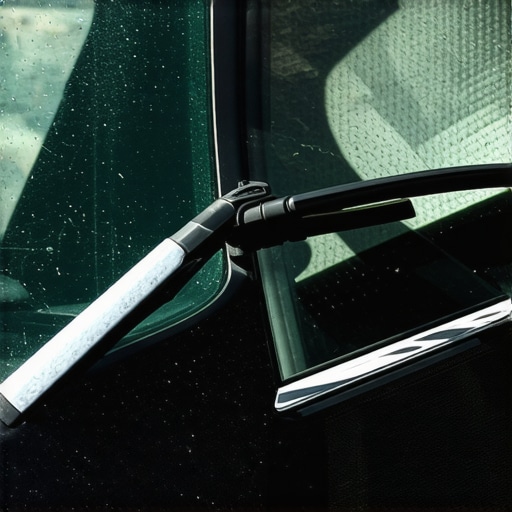
I remember the first time I reached for my windshield wiper lever on a rainy morning, only to realize my blades weren’t resting at the bottom of the glass like they used to. Instead, they hovered awkwardly in the middle, leaving streaks and forcing me to manually adjust them. That little annoyance felt like a minor glitch, but it quickly became a symbol of ongoing windshield wiper frustrations.
After digging into the issue, I discovered that this problem isn’t just about inconvenience—it’s about safety. Properly parked wipers prevent damage to the blades and ensure clear visibility when you start your drive. So, today, I want to help fellow car owners pinpoint why your wipers might refuse to settle at the bottom and show you how to get them back on track.
Why Your Wipers Won’t Rest at the Bottom of the Glass
When your windshield wipers don’t park as they should, it’s typically linked to problems within the wiper motor, linkage, or the park switch. These components work in harmony to ensure your blades are ready for action and parked safely when not in use. Over time, parts can wear out, getDirty, or even become misaligned, especially if you’ve skipped routine maintenance.
Early on in my own experience, I made the mistake of ignoring regular inspections. I assumed that as long as the wipers wiped, they were functioning fine. But neglecting to check the park switch and linkage led to misalignments, and I paid the price by replacing more parts than necessary. Remember, a mistake like that can be costly and preventable if you stay proactive.
Interestingly, a faulty park switch is often to blame, and sometimes a simple adjustment can solve the issue. For a comprehensive guide on maintaining your braking system, which also plays a pivotal role in overall vehicle safety, take a look at this detailed brake service guide. Though it’s about brakes, the principles of regular maintenance and inspections apply universally across vehicle systems.
Now, how do you tell if your wipers are just lazy or if there’s an underlying problem? Stay tuned, because I’ll walk you through the practical steps to diagnose and fix this common, yet often overlooked, issue.
Inspect the Wiper Linkage for Misalignment
Begin by parking your vehicle on a flat surface and turning off the ignition. Carefully lift the wiper arms away from the glass, ensuring they don’t snap back suddenly. Next, examine the linkage connecting the wiper motor to the arms. If the linkage shows signs of wear, corrosion, or detachment, realigning or replacing it is crucial. I once faced this problem myself when I noticed the wipers parked halfway up. After removing the cowling, I discovered a loose linkage bolt, which I tightened, restoring proper parking.
Check and Test the Wiper Park Switch
The park switch signals the motor when to stop and park the blades properly. Locate the switch, typically mounted on the wiper motor assembly. Use a multimeter to test if the switch completes the circuit when the wipers are at the park position. If faulty, replacing the switch is necessary. I once replaced a malfunctioning park switch following a tutorial, and it solved my parking issue instantly. For detailed steps, you can reference auto diagnostics guides like vehicle diagnostics explained.
Adjust the Park Switch for Correct Positioning
If the switch is functional but wipers still won’t park correctly, you may need to adjust its position. Loosen the mounting screws and carefully move the switch slightly until the blades park at the bottom. Then, tighten the screws securely. Ensure to test the movement multiple times before reassembling the cowling. A small shift in switch position can make a significant difference, as I learned when my wipers started parking correctly after a simple adjustment.
Realign or Replace the Wiper Motor
If the previous steps don’t resolve the problem, the issue might lie within the wiper motor itself. Remove the motor assembly carefully, following your vehicle’s service manual. Once out, check for signs of burnt brushes, corrosion, or damaged gears. If you find significant wear, replacing the motor can save you from more extensive damage down the line. I once replaced a faulty motor after noticing excessive noise and sluggish movement, which immediately restored proper parking and wiping performance. For insight into component replacements, explore auto repair hacks.
Test and Confirm Proper Functionality
After completing repairs or adjustments, reconnect everything and turn on the ignition. Activate the wipers and observe their parking behavior. They should now return to the bottom and pause there. Repeat this test several times to ensure consistency. If issues persist, revisit the previous steps or consult a professional via contact us for further guidance.
Most vehicle owners believe that routine tasks like brake replacements, oil changes, or diagnostics are straightforward, but the devil is in the details. A common myth is that spending more on premium parts guarantees safety and longevity; however, diligent installation and understanding the nuances often matter more. For instance, many assume that an oil change is just about replacing the filter and oil—yet, advanced engines demand specific synthetic blends and precise oil weight, especially for high-mileage vehicles, to optimize performance and prevent premature wear. Industry experts emphasize that neglecting these details can lead to increased engine wear and costly repairs down the line.
One major trap is relying solely on visual inspections or basic symptom checks. Modern vehicles utilize complex sensors and electronic systems, making simple visual cues insufficient. This is where advanced diagnostics come into play, revealing hidden issues before they escalate. Skipping comprehensive diagnostics or misinterpreting sensor readings is a costly mistake drivers often make, believing a vibration or warning light is minor when it signals deeper problems like failing wheel bearings or sensor malfunctions. This oversight can compromise safety and lead to extensive, unnecessary repairs.
What advanced techniques can improve vehicle service outcomes?
One often overlooked aspect is the calibration process after component replacements such as sensors, brakes, or suspension parts. Proper calibration ensures systems like anti-lock braking or traction control function correctly, a nuance that inexperienced technicians may neglect. This can lead to subpar performance or even safety risks. For example, improperly calibrated brake sensors may cause premature wear or failure to activate during critical moments, undermining safety. To avoid such pitfalls, it’s essential to entrust your vehicle to service providers who utilize modern diagnostic tools and follow manufacturer-specific calibration procedures.
Another misconception is that regular maintenance intervals are one-size-fits-all. In reality, driving habits, climate, and load conditions necessitate custom schedules. Heavy city traffic, for example, may require more frequent brake fluid changes due to moisture absorption, which can be confirmed through advanced repair strategies. Vehicles driven in cold, humid environments demand special attention to corrosion prevention practices affecting brake and suspension components, something that standard maintenance schedules might miss. Recognizing these nuances can extend your vehicle’s lifespan and improve safety.
Consider also the importance of understanding the limitations of generic diagnostic tools. While many auto shops use standardized code readers, they sometimes miss deeper issues like software glitches or sensor misalignments that require specialized equipment. For example, calibration errors in calibration of wheel speed sensors can cause erratic ABS operation—an insidious problem that superficial scans may overlook. This is why educating yourself on vehicle diagnostics and seeking experienced technicians can save you from costly misdiagnoses.
In summary, the real expertise extends beyond simple part replacement or basic diagnostics. It involves understanding advanced repair techniques, nuanced calibration, and customized maintenance schedules. Don’t fall into the trap of superficial fixes; instead, prioritize comprehensive inspection and precise service to ensure safety, reliability, and long-term savings. Have you ever fallen into this trap? Let me know in the comments.
How do I keep my vehicle running smoothly over the years?
Maintaining your vehicle’s performance and safety isn’t just about the occasional oil change or brake inspection; it requires a comprehensive approach with the right tools and methods. I personally rely on specialized diagnostic equipment like the Autel MaxiSys scanner, which allows me to perform deep diagnostics beyond basic error codes. This device provides real-time data on sensors, actuators, and modules, helping me identify potential issues early, especially in complex systems such as airbags or ABS modules. I’ve found that regular scans using this tool, combined with manufacturer-specific calibration software, extend the lifespan of critical components and prevent costly failures.
Additionally, adopting a proactive maintenance schedule is vital. I recommend following a customized service plan tailored to your driving habits and environment. For example, in humid climates, focusing on corrosion prevention with high-quality anti-rust sprays on suspension parts or brake calipers can save thousands in repairs down the line. Equipping your garage with a reliable torque wrench ensures that nuts and bolts are tightened to precise specifications, avoiding under-tightening or overtightening, which can compromise safety.
In the realm of long-term results, investing in oil change innovations like synthetic blends and filter technology are game changers. Modern synthetic oils can last longer, resist thermal breakdown, and provide better engine lubrication, reducing wear over tens of thousands of miles. For instance, using advanced oil formulations helps maintain optimal engine health, especially in high-mileage vehicles.
Looking ahead, I predict that vehicle maintenance will increasingly incorporate AI-driven diagnostics and predictive analytics. Technologies that monitor wear patterns based on driving data will become standard, enabling even more personalized and preemptive care. Imagine a system that alerts you to failing brake pads weeks before any noise or indicator lights appear, based on usage history and sensor data. This proactive approach minimizes downtime and keeps your vehicle at peak performance.
What strategies help me keep my auto repairs effective and affordable?
One crucial aspect is setting up a reliable relationship with a trusted mechanic. This partnership ensures you get honest assessments and access to advanced diagnostic tools without unnecessary expenses. Moreover, regularly reviewing your vehicle’s health with easy diagnostic checks can catch issues early, saving money and avoiding roadside emergencies.
Finally, stay curious and educated about emerging repair techniques and tools. For example, learning how to perform simple calibration procedures—like resetting your vehicle’s adaptive cruise control sensors—can dramatically improve safety. Using DIY calibration kits, in combination with online tutorials, empowers you to extend your vehicle’s lifespan and maintain optimal performance without always relying on a professional. Remember, the key to long-term vehicle health lies in combining the right equipment with proactive habits.
Try implementing a quarterly diagnostic scan with your trusted tool and observe any emerging patterns or alerts. This simple step can prevent major repairs and keep your ride in top shape for thousands of miles. For more insights on cost-effective auto repair strategies, check out auto repair hacks. Investing in the right tools and knowledge today pays off manifold over the vehicle’s lifespan. Keep your vehicle performing at its best—your safety depends on it!

What I Wish I Knew Before Ignoring Wiper Maintenance
One of the most overlooked aspects of vehicle care is ensuring your wipers park correctly, yet neglecting this simple task can lead to premature blade wear and compromised safety. My lightbulb moment came when I realized that a properly parked wiper isn’t just about convenience—it’s about protecting your investment and safety. Understanding the intricacies of the park switch and linkage has been an eye-opener, teaching me that small adjustments can make a big difference.
Had I known earlier the importance of regular inspections and paying attention to the park switch’s position, I could have avoided expensive replacements down the line. This experience underscored that proactive maintenance, rather than reactive fixes, saves time and money, and keeps visibility crystal clear in all weather conditions.
Additionally, I learned that many issues stem from misalignment or wear within the linkage or motor, but these are often fixable with patience and the right diagnostics. Investing time in understanding my vehicle’s systems has empowered me to troubleshoot effectively, minimizing downtime and maximizing safety on the road.
Ultimately, the key insight is that a small investment in routine checks and a curious mindset can preserve your wipers’ performance and extend their lifespan—saving you from unnecessary stress and expense. Remember, paying attention to seemingly minor details can be the difference between a hazardous streak and a clear view during your drive.