

Ever been stopped at a red light, feet on the brake pedal, when suddenly, a faint scraping noise starts from the front wheel? You press the brake a bit harder, and the sound vanishes, leaving you wondering, “What just happened?” That unsettling noise isn’t just annoying; it could be a sign that something’s off with your brake system or wheel components. I remember the first time I heard it—panic, confusion, and a rush to find the culprit. Turns out, that tiny noise can point to big issues—and addressing it early saves money and ensures safety.
Deciphering the Front Wheel Scraping Sound During Braking
Why does this scraping happen randomly and then disappear? Well, it’s often linked to brake pad wear, warped rotors, or debris caught in the wheel assembly. I used to think it was a normal part of driving, especially on older cars. But after a close call where the noise worsened, I dug deep. A quick check revealed uneven brake pad thickness and a tiny pebble lodged near the rotor—things that many dismiss as minor but can lead to serious repair bills if ignored. If you’ve experienced this, you’re not alone. Auto repair hacks suggest routine inspections can help catch these issues before they become costly. Today, I’ll walk you through how to identify what’s causing your noise and how to fix it efficiently.
Is Ignoring the Noise Risky or Exaggerated?
Early on, I made a common mistake—assuming a little noise isn’t urgent. That was a mistake. Ignoring it can lead to rotor damage, uneven brake wear, or worse, an accident. According to safety experts, unresolved brake issues significantly increase stopping distances and accidents. So, if you’re tempted to just turn up the radio or hope it goes away, think again. Addressing this noise isn’t just about comfort—it’s about safety. Want to learn more about proper brake care? Check out this comprehensive brake guide.
Now that you’re motivated, let’s dive into how you can pinpoint the cause of that mysterious scraping sound and restore peace of mind and safety to your driving experience.
Inspect the Brake Pads for Wear or Damage
Start by lifting the vehicle securely with a jack and removing the wheel to access the brake assembly. Use a flashlight to examine the brake pads; uneven wear or a thin residual layer indicates they need replacement. I once found a brake pad almost completely worn through on one side, causing the scraping noise. Replacing worn pads instantly restored quiet and safe stopping. Remember, consistent check-ups can prevent uneven wear and costly repairs here.
Check for Debris or Foreign Objects
Remove the rotor and inspect behind it for dirt, small rocks, or debris lodged between the pad and rotor. Using a plastic pry tool helps dislodge any caught particles without damaging components. An embedded pebble was the culprit in my situation, creating intermittent noise until I cleared it. Regularly inspecting these areas prevents sudden noises and uneven brake wear.
Measure Rotor Warping and Condition
Use a dial indicator to check if the rotor surface is warped beyond manufacturer tolerances. Feel for unevenness, grooves, or rust. Warped rotors often cause vibrations and scraping sounds, especially during brake application. I once faced vibrating steering and a squeaking noise; a rotor resurfacing fixed the issue. If rotor damage exceeds limits, consider replacing or machining it this guide.
Assess Brake Caliper Functionality
Check if calipers are sticking or seizing by observing if the pistons move smoothly when pressing the brake pedal. A stuck caliper can cause uneven brake pad pressure, leading to scraping noises. In my case, a seized piston needed freeing and re-lubrication, which eliminated the noise. Proper caliper operation is essential for even pad wear and braking performance.
Evaluate Wheel Bearing and Suspension Components
Worn or damaged wheel bearings can produce noises similar to scraping and worsen with speed. Spin the wheel by hand to feel for roughness or play. Also, inspect suspension parts like bushings and tie rods for cracks or excessive movement. I once ignored slightly worn wheel bearings, but they worsened, leading to more significant repairs. Regular inspections help catch these issues early before they affect braking.
Use Diagnostic Tools for Precise Troubleshooting
Applying vehicle diagnostics can pinpoint hidden problems. An OBD-II scanner provides error codes related to brake system sensors or ABS issues. Additionally, visual inspections complement sensor data. I recommend reviewing advanced diagnostics techniques for a comprehensive understanding. Accurate diagnostics save time and money by targeting the root cause efficiently.
Decide When to DIY or Seek Professional Help
Some tasks, like replacing brake pads or bleeding brakes, are manageable for DIY enthusiasts with proper tools and safety precautions. However, handling rotor machining or caliper repairs may require professional equipment. I once attempted to replace pads myself but struggled with sticking pistons, leading me to visit a trusted mechanic. Knowing your limits ensures safety and effective repairs, which can be guided by auto repair tips.
When it comes to vehicle diagnostics and repairs, many car owners fall prey to common myths that can lead to costly mistakes. A prevalent misconception is that inexpensive, quick fixes always suffice. In reality, the complexity of modern vehicle systems demands a nuanced approach; relying solely on DIY solutions or generic advice might overlook underlying issues. For instance, many believe that flashing check engine lights can be ignored or reset without addressing the root cause, but experts like those who contribute to advanced diagnostics emphasize the importance of thorough troubleshooting to prevent further damage.
Another widespread mistake involves misjudging the significance of routine maintenance, particularly oil changes. While changing oil every 3,000 miles was once the standard, advances in synthetic oils and engine technology have extended this interval for many vehicles—sometimes up to 10,000 miles. However, many drivers still adhere to outdated schedules, risking engine wear or premature failure. To stay in the safe zone, consult your vehicle’s manual or trusted auto service providers like those outlined in auto repair tips.
A crucial but often overlooked aspect is the role of diagnostic tools. A simple OBD-II scanner can reveal a treasure trove of information that challenges assumptions based solely on symptoms. For example, a minor vibration at highway speeds might be dismissed as wheel imbalance, but deeper inspection could reveal suspension or drivetrain issues. Advanced diagnostics, as explained in vehicle diagnostics explained, provide insights that help pinpoint exact problems, saving time and money.
Many car owners also underestimate the importance of consistent, detailed inspections. Skipping routine checks on brake pads, rotors, or fluid levels may seem harmless at first but can escalate into dangerous situations. For example, a small misfire caused by a failing sensor might be commonly dismissed, but if left unaddressed, it can lead to catalytic converter damage. Recognizing these intricacies underscores why relying solely on generic advice or ignoring symptoms is a mistake.
And here’s a critical
Keep Your Vehicle Running Smoothly with the Right Tools
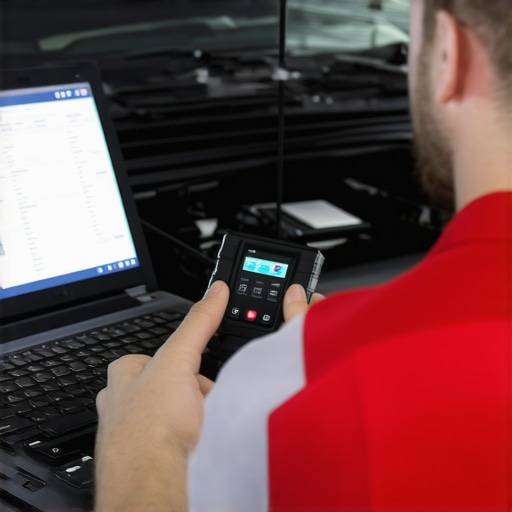
Maintaining your vehicle over the long term requires more than just basic knowledge; it demands specialized tools and a clear strategy to diagnose, repair, and prevent issues. I personally rely on a few essential pieces of equipment that have significantly streamlined my auto maintenance process. For instance, an advanced scan tool like the BlueDriver Bluetooth OBD-II scanner is my go-to device for quick and accurate diagnostics. Its ability to read live data, clear trouble codes, and interpret complex sensor information gives me confidence in identifying issues early and avoiding unnecessary repairs.
Why I Trust a High-Quality Code Scanner
Unlike generic scan tools, my chosen device offers manufacturer-specific data, which is vital for modern vehicles with complex electronic systems. This precision helps me pinpoint problems like faulty sensors or ABS issues before they escalate. Additionally, pairing it with diagnostic software on my laptop allows for in-depth analysis, especially when dealing with subtle drivability issues that aren’t immediately apparent. As vehicle technology advances, investing in reliable diagnostic tools becomes indispensable—saving money and enhancing safety in the long run. To learn more about how diagnostics can prevent costly breakdowns, check out this article.
Tools to Keep Your Brake System at Its Best
I also recommend having a high-quality brake bleeder kit and a brake caliper piston tool. When performing brake pad replacements or fluid flushes, these tools allow for precise, mess-free work. I prefer brands like Mityvac because their manual vacuum pump makes bleeding brakes straightforward, even for less experienced DIYers. Properly bleeding brakes ensures firm pedal feel and reliable stopping power, which directly impacts safety. Regularly inspecting your brake components and using the right tools make all the difference—preventing uneven wear and extending your brake lifespan. For insight into common brake myths and effective maintenance, visit this resource.
Long-Term Results Through Routine Checks and Precise Methods
Consistent use of diagnostic tools and repair equipment leads to better long-term outcomes. I recommend maintaining a spreadsheet of maintenance dates, repairs performed, and parts replaced. This habit helps detect patterns and indicates when components like belts, hoses, or fluids need attention. Moreover, scheduling annual diagnostics with professional-grade equipment—even if your vehicle seems fine—can uncover hidden issues before they cause breakdowns. As automotive technology evolves, embracing advanced tools and methods ensures your vehicle not only runs smoothly but also maintains its resale value. Looking ahead, I believe DIY diagnostics will become even more accessible with smartphone integrations and AI-driven analysis, empowering owners to take proactive control of their vehicle health.
How do I Maintain Vehicle Diagnostics Over Time?
Regularly updating your diagnostic software and sensors is crucial. Many scan tools offer firmware updates that improve their functionality and compatibility with newer car models. Additionally, keeping your vehicle’s ECU firmware current, when possible, ensures compatibility with the latest diagnostic protocols. As I learned from experts at vehicle diagnostics resources, preventative diagnostics are about consistency and staying ahead of potential issues. For instance, I schedule biannual scans, especially before long road trips or seasonal changes, to identify and address minor problems proactively. This practice not only extends your vehicle’s life but also offers peace of mind when hitting the road.
Remember, investing in quality tools and establishing a routine maintenance methodology pays off. For practical tips on how to effectively use your diagnostic equipment, consider trying out one of the advanced troubleshooting techniques discussed here, which can save you time and money in future repairs.
What My Journey Taught Me About Auto Repairs
- Sometimes, the smallest squeak or scrape reveals underlying issues that, if ignored, can escalate into costly repairs or safety hazards. I learned the hard way that paying close attention to these signals saves time and money.
- Relying solely on quick fixes or assumptions can be dangerous. Regular diagnostics and inspections are the keys to truly understanding your vehicle’s health, especially when it comes to critical systems like brakes and suspensions.
- Investing in quality diagnostic tools not only empowers you as a car owner but also makes DIY repairs more precise and less stressful. Personal experience has shown that proper tools transform potential chaos into manageable projects.
- Deepening your knowledge through trusted resources can help you catch issues early. My go-to websites and guides have become invaluable in navigating complex repairs with confidence.
Tools and Reads That Transformed My Vehicle Care Routine
- BlueDriver Bluetooth OBD-II Scanner: This device has been a game-changer, providing detailed error codes and live data, helping me troubleshoot effectively and avoid unnecessary trips to the mechanic.
- Your Vehicle’s Manual: It might seem basic, but it’s packed with crucial maintenance schedules and specifications that keep your car running smoothly for years.
- Auto Repair Hacks Blog: The articles here helped me understand the intricacies of brake and suspension maintenance, making me more confident in doing complex tasks safely.
- Industry Guides on Automotive Diagnostics: Resources like those on advanced diagnostics have deepened my understanding of vehicle systems, guiding me toward proactive maintenance rather than reactive repairs.
Charge Ahead With Confidence in Vehicle Maintenance
Taking ownership of your vehicle’s health is empowering and can significantly extend its lifespan. Whether you’re inspecting your brake pads or using advanced diagnostics, each step you take builds your confidence and safety on the road. Remember, with the right knowledge and tools, you don’t have to be an expert to keep your vehicle performing at its best—just a curious, diligent driver ready to learn and act. So, what’s the next step you’re excited to try in your auto care journey? Let me know below!