
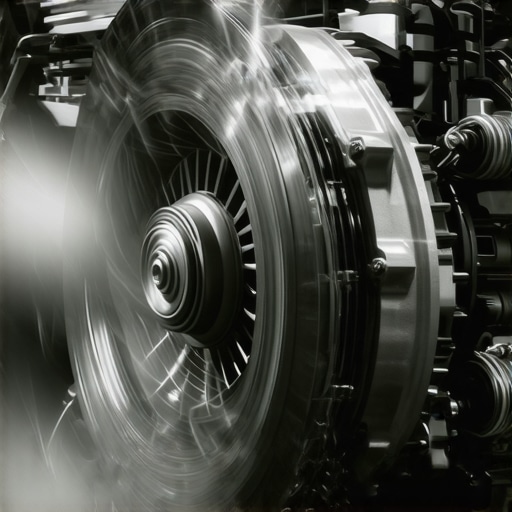
It was a scorching summer afternoon, and I was stuck in traffic, feeling sweat trickle down my back. Suddenly, I noticed my engine temperature gauge creeping up, and my heart sank. I had just finished a quick oil change, thinking I was all set for the season, but now I was wondering—was my cooling system working as it should? That frustrating moment made me realize I needed to understand my car’s fan clutch more deeply. If you’ve ever faced a situation where your engine seems hotter than it should be, you’re not alone. Many drivers overlook a simple yet crucial component that affects cooling—the fan clutch.
The Importance of Knowing If Your Fan Clutch Spins Properly
Your fan clutch plays a vital role in regulating engine temperature. It essentially controls the engine’s cooling fan, engaging and disengaging based on temperature needs. When functioning correctly, it prevents your engine from overheating during hot days or heavy traffic, and it also helps save energy when less cooling is necessary. But if it fails or doesn’t spin properly, the consequences can range from an overheated engine to costly repairs.
Understanding whether your fan clutch is working isn’t just about avoiding breakdowns; it’s about keeping your vehicle reliable and extending its lifespan. As I learned early on, a simple test can save you from expensive diagnostics or—worse—being stranded on the side of the road. Plus, being proactive can improve your vehicle’s efficiency and even your safety.
Did you know that according to a study by the National Renewable Energy Laboratory, engine cooling system issues are among the top causes of roadside breakdowns in summer? Recognizing early signs of fan clutch trouble can make all the difference.
So, how do you tell if your fan clutch is actually spinning? That’s where things get interesting, and I’ll walk you through the simplest method I’ve found—one that I actually tried myself and that works without any fancy tools. But first, let’s address a common skepticism many have: “Is testing the fan clutch really worth the hype?”
Is the Fan Clutch Test Just a Rumor or Actually Reliable?
Early in my auto repair journey, I made the mistake of assuming that a noisy cooling fan meant a bad clutch, only to realize later that it was a sticking thermostat. I learned the hard way that relying solely on noises can mislead you. The real test I’ll share is straightforward, cheap, and surprisingly effective—trust me, it’s a genuine lifesaver. To learn more about how proper vehicle diagnostics can prevent costly breakdowns, check out [this helpful guide](https://repairmycarpro.com/how-advanced-vehicle-diagnostics-prevent-costly-breakdowns).
By paying attention to the spinning behavior of your fan clutch, you take a simple step towards better vehicle health. Keep reading, and I’ll show you exactly how to do it and what signs to look for. You’re only a quick check away from peace of mind on the roads this summer.
Locate and Prepare Your Vehicle for the Fan Clutch Test
Park your car on a level surface, turn off the engine, and engage the parking brake. Open the hood and locate the cooling fan, which is directly attached to the engine’s radiator. Ensure the engine is cool to prevent burns and accurate testing. To get a clear view, remove any obstructions or covers blocking access to the fan area.
Identify the Fan Clutch and Its Spinning Behavior
Find the fan clutch—a metal hub connected to the fan blade and the water pump pulley. Once identified, gently try to move the fan blade back and forth with your hand. If it moves freely without resistance, the clutch might be slipping or disengaged when it shouldn’t be. Be cautious not to force or damage the blade; this step is about assessing rotation, not applying force.
Perform the Spinning Test When the Engine Is Warm
Start the engine and let it reach operating temperature. Once warm, carefully reach in and give the fan a gentle spin with a glove or cloth—never put your hand directly. A properly functioning fan clutch will cause the fan to spin freely initially, then engage and slow down as the clutch engages to provide resistance. If the fan keeps spinning freely for a long time without slowing, the clutch might not be engaging properly, indicating a potential failure.
Pro Tip: Feel for Resistance and Listen for Noise
While spinning the fan, listen for unusual noises like squealing or grinding, which can suggest worn bearings or a failing clutch. Also, notice if the fan feels stiff or overly loose, signaling possible issues with the clutch’s internal mechanism.
Observe the Fan’s Response During Engine Cool-down
As the engine cools, watch the fan’s behavior. The clutch should disengage, allowing the fan to slow down or stop. If the fan continues spinning at high speed long after the engine has cooled, it may indicate a stuck or faulty clutch, risking overheating during subsequent drives.
Document Your Findings and Plan Repairs
If the fan isn’t spinning as expected, consider replacing the fan clutch or inspecting for other cooling system issues. Remember, a faulty clutch not only affects engine temperature but also impacts fuel efficiency and component longevity. Regular testing ensures your cooling system functions optimally, especially during hot weather or heavy traffic.
In my own experience, performing this simple test on a hot summer day saved me from an unexpected breakdown. I noticed the fan was spinning freely and not engaging properly, so I replaced the clutch before the next heatwave. This proactive check prevented engine overheating and kept my commute smooth. For more tips on vehicle longevity, see auto repair tips to extend your vehicle’s lifespan.
Many drivers approach auto repair with common myths or misconceptions that can lead to costly mistakes. For example, a widespread belief is that topping off your oil between changes is harmless—*but in reality, overfilling can cause foaming and engine damage*; check out [oil change innovations](https://repairmycarpro.com/oil-change-innovations-technologies-that-save-your-engine) to learn why accurate oil levels matter. Similarly, many think brake squeal is always due to worn pads; however, manufacturing residues or misaligned components can also cause noise, and misdiagnosing this leads to unnecessary replacements, risking safety. When it comes to vehicle diagnostics, a common mistake is relying solely on dashboard warning lights, ignoring the importance of thorough visual inspections and sensor checks—see [auto diagnostics techniques](https://repairmycarpro.com/decoding-vehicle-diagnostics-what-your-car-is-trying-to-tell-you) for best practices. Some believe that brake fluid changes aren’t urgent; in fact, contaminated fluid can boil under heavy use, reducing braking effectiveness—that’s why regular brake service is critical, as detailed in [brake service myths busted](https://repairmycarpro.com/brake-service-myths-busted-what-really-matters-for-safety). And don’t forget, many assume that all auto repairs are about replacing parts. But advanced diagnostics often pinpoint issues without any disassembly, saving time and money—explore [auto repair hacks](https://repairmycarpro.com/auto-repair-hacks-save-money-without-sacrificing-quality) for more insights. Overlooking these nuances can cause minor issues to escalate or lead to unnecessary expenses. For example, ignoring subtle signs of cooling system failure can result in engine overheating, but proactive checks prevent this. To truly master vehicle maintenance, it’s essential to understand these hidden complexities and avoid the pitfalls of misconceptions. Engaging in regular, informed checks can prolong your car’s lifespan and ensure safety. Want to get the most out of your vehicle? Dive into [top auto repair strategies](https://repairmycarpro.com/top-auto-repair-tips-to-extend-your-vehicles-lifespan) and learn how to stay ahead. Have you ever fallen into this trap? Let me know in the comments.
Investing in the Right Equipment for Longevity
Maintaining your vehicle’s health over time isn’t just about know-how—having the proper tools makes all the difference. I personally recommend a high-quality digital multimeter like the Fluke 117, which I use to diagnose electrical issues accurately, from battery problems to sensor malfunctions. Its precise readings help me quickly identify faulty components, saving time and money. Another vital piece is a brake caliper piston tool, which streamlines brake service—I’ve found that a Geogant brake caliper piston tool set provides the leverage and compatibility needed for various vehicles, making brake replacement straightforward and safe.
For software diagnostics, I rely on the Autel MaxiCOM MK808 scanner. Its extensive vehicle coverage and advanced features enable me to run comprehensive diagnostics, including live data streaming and component testing. This software has become invaluable for preemptive maintenance, especially during oil changes or long-term vehicle monitoring. Additionally, a compact infrared thermometer such as the Fluke 62 MAX helps me assess engine and cooling system temperatures precisely, ensuring optimal performance during repairs or routine checks.
Tools and Techniques for Effective Maintenance
One of the most underrated tools is the magnetic drain plug socket, which simplifies oil changes by helping me retrieve the drain plug easily without stripping the head. Pairing this with a quality funnel reduces mess and ensures the correct oil fill, which is critical for engine health. Regularly using a brake bleeding kit, such as the Mityvac Vacuum Brake Bleeder, keeps brake systems responsive and safe. I prefer manual vacuum pumps because they minimize the risk of introducing air into the system while enabling precise bleeding.
To stay ahead of vehicle issues, I advocate for a portable air compressor like the AstroAI 400C. It’s perfect for tire inflation, but I also use it to run air tools like impact wrenches, which accelerate brake component replacements or suspension repairs. This versatility enhances efficiency during repairs, especially in a DIY setting. For detailed diagnostics, I supplement physical tools with reliable software, so I always keep my diagnostic tools updated with the latest manufacturer databases. This approach ensures compatibility with new models and features as they roll out.
Looking Ahead: The Future of Auto Maintenance Tools
As automotive technology advances, I predict a shift towards integrated diagnostic platforms that connect directly with your smartphone, offering real-time analytics and predictive maintenance alerts. Smart sensors embedded in vehicles might soon communicate directly with repair kits or tools, automating routine diagnostics and repairs. Investing now in adaptable, software-supported tools prepares you for this evolution.
Wondering How to Keep Your Car Components in Top Shape?
One effective method is implementing scheduled diagnostics using your scanner before problems arise. For example, regular code scans during oil changes can identify subtle sensor issues before they trigger warning lights. Try setting reminders for monthly checkups and utilize tools like the Autel MaxiCOM MK808 to review live data—it’s a proactive step that can save you significant headaches later.
In my experience, combining advanced diagnostic tools with precise manual equipment, like a good impact wrench or brake caliper tool, creates a holistic approach to car maintenance. To ensure your vehicle remains in prime condition, consider adopting some of these specialized tools and techniques. Need guidance on selecting the best diagnostic software for your car? Check out this in-depth guide for comprehensive insights.
Remember, a well-equipped toolbox isn’t just about convenience; it’s about ensuring safety, reliability, and extending the lifespan of your vehicle. Why not pick one new tool this month—perhaps an impact wrench or diagnostic scanner—and see the difference it makes in your maintenance routine? Taking these steps today equips you for smoother drives tomorrow.
The Hardest Lesson I Learned About Auto Repair and Cooling Systems
One of the most eye-opening experiences for me was discovering that even a simple component like the fan clutch can make or break your vehicle’s reliability. I once ignored subtle signs of a failing clutch and ended up stranded in the heat. That taught me to pay close attention to my car’s behavior and not dismiss small anomalies, knowing they could be precursors to bigger—and costlier—issues.
Why Relying on Assumptions Can Cost You Dearly
I used to think that a loud fan sounded normal, but I realized that assumptions often mask underlying problems. Regularly testing and observing my cooling system’s components uncovered silent failures that could turn catastrophic if left unaddressed. This proactive approach, especially understanding how your fan clutch should behave, is vital for safe driving and vehicle longevity.
Investing in Knowledge and Proper Tools Pays Off
Learning to perform simple tests on my fan clutch not only saved me money but also boosted my confidence behind the wheel. Having quality diagnostic tools, like a reliable scanner or temperature gun, made me more aware of my vehicle’s health. These investments are small compared to the cost of repairs from neglect or reactive fixes.
Embracing the Future of Auto Maintenance
Auto technology continues to evolve, and staying informed is key. Whether it’s understanding new sensors or advanced diagnostics, a mindset of continuous learning ensures you won’t be left behind. Regular checkups and using user-friendly tools can help you catch issues early—turning you from a passive driver into a confident caretaker of your car’s health.
My Journey to Better Car Care Includes These Lessons
- Never ignore the signs of a slipping fan clutch—early detection saves money and stress.
- Use simple tests to understand your cooling system, enhancing safety and reliability.
- Invest in quality diagnostic equipment to empower your maintenance routines.
- Remain curious about new automotive tech to stay ahead of potential problems.
For those ready to deepen their auto repair knowledge, exploring resources like top auto repair tips to extend your vehicle’s lifespan can provide valuable insights. Remember, proactive maintenance isn’t just about fixing things; it’s about preventing surprises and ensuring peace of mind on every journey.
Never Stop Improving Your Vehicle Confidence
Are you ready to take your auto repair skills to the next level? Start today by performing a simple fan clutch test or investing in a diagnostic scanner. Your future self—and your engine—will thank you. What’s the first step you’re going to take to better understand your car’s cooling system? Share your plan below!
自然だね!