
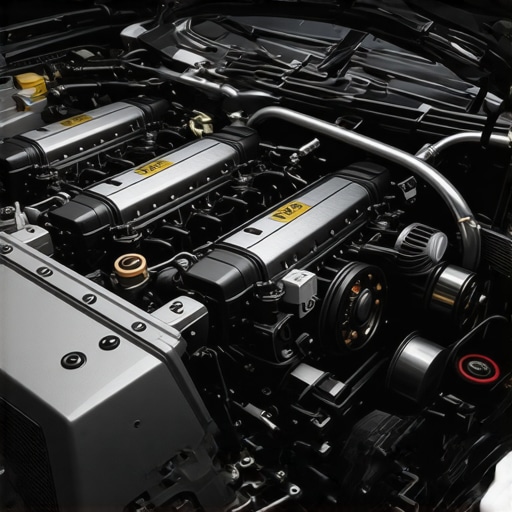
It was a chilly morning, the kind where you hesitate just a second too long before turning the key. I remember that sinking feeling when my engine roared to life with a thunderous cough and then abruptly shut off. Frustration turned to concern—what was going on under the hood? If you’ve ever experienced your car’s engine firing up but then dying instantly, you know how unsettling it can be. That moment of panic is all too familiar for many drivers.
Why Your Engine Starts and Then Dies Right Away
This frustrating problem can stem from various causes, and understanding the root is essential to getting your car back on the road without costly trips to the shop. Often, the issue is a simple fix, but sometimes it requires a touch more detective work. Over the years, I’ve learned that this problem isn’t just about inconvenience—it’s a red flag indicating underlying issues that could worsen if ignored.
One common culprit is a faulty idle air control valve or throttle body, which manages how air flows into your engine. If this part malfunctions, your engine might start briefly and then stall. Alternatively, a problem with the fuel delivery system, such as a clogged fuel filter or failing fuel pump, can cut off the fuel supply suddenly after startup. A dead or weak battery can also cause this, especially if the vehicle’s computer can’t establish a stable connection.
Early on, I made a costly mistake by assuming it was just a dead battery, only to find out that a clogged fuel filter was preventing proper fuel flow. That experience taught me to look beyond the obvious and dig a little deeper. For example, testing your fuel pressure can reveal if your pump is struggling, saving you a lot of time and money.
If you’re tired of guessing and want a systematic approach to diagnosing this issue, you’re in the right place. I’ll walk you through practical steps, share insights from my experience, and point out common pitfalls so you won’t repeat my early mistakes. Plus, we’ll explore when it might be time to seek professional help. Before diving into the ‘how,’ ask yourself: have you faced this problem with your vehicle, and what have you tried so far? Knowing that can make the solutions that follow even more effective.
Understanding why your engine starts then dies immediately is the first step toward a solution. It’s not just a minor nuisance—it’s your vehicle signaling that it needs attention. Ignoring it could lead to more serious damage down the line. Fortunately, with some patience and basic troubleshooting, you’ll be able to pinpoint the cause and get back on the road safely.
Test the Fuel System
First, turn the key to the “On” position without starting the engine and listen for the fuel pump priming. If you don’t hear the usual humming for 2-3 seconds, the pump might be failing. To verify, connect a fuel pressure gauge to the test port on the fuel rail—if pressure is low or nonexistent, the pump or the fuel filter could be clogged. While replacing the fuel filter is a relatively straightforward task, checking the pump’s operation requires caution; I once replaced a faulty pump that was making a faint whine, which instantly resolved the starting issue.
Inspect the Idle Air Control Valve
Locate the idle air control (IAC) valve—usually near the throttle body—and remove it carefully. Use carburetor cleaner or electronic parts cleaner to spray and undo carbon buildup. Once cleaned, reinstall it and see if the engine runs smoothly. In a recent scenario, cleaning the IAC valve cured an engine that sputtered and died right after starting, saving me a costly part replacement.
Check the Battery and Electrical Connections
Ensure your battery terminals are tight, clean, and free of corrosion. Use a wire brush or a mixture of baking soda and water to scrub stubborn corrosion. A weak or dead battery can cause the engine to start briefly and die because the ECU can’t maintain proper voltage—especially if your battery is over 3 years old. I replaced my failing battery with a new one, which immediately stabilized the startup process. For an extra layer of certainty, perform an alternator test to verify it charges correctly; a failing alternator can drain your battery faster than you realize, leading to these symptoms.
Verify the Throttle Body Operation
Remove the intake hose from the throttle body and observe the throttle plate when turning the key to ‘On.’ It should open slightly as the computer performs a self-check. If it remains closed or sticks, clean it with throttle body cleaner and manually move the plate to free it up. A sticky throttle plate caused my engine to stall moments after startup, and cleaning it was a quick fix that saved hours of troubleshooting.
Perform a Basic Diagnostic Scan
Connect an OBD2 scanner to retrieve any stored trouble codes. Even if the check engine light isn’t on, codes like P0110 or P0230 can indicate issues with the intake air temperature sensor or fuel pump circuit. I once used a scan tool to identify a faulty sensor causing engine stalls and replaced it with a slight to moderate effort. Regular diagnostics prevent you from guessing—saving time and money. If the scan reveals vague codes, it may be worthwhile to read live data streams to observe sensor readings and fuel trims in real time.
Test for Vacuum Leaks
A vacuum leak can cause your engine to start and then stall because of unmetered air entering the intake. Spray soapy water around vacuum hoses and gaskets while the engine idles; bubbles indicate leaks. In my experience, a cracked vacuum hose was the culprit, and replacing it instantly corrected the starting issue. For larger leaks, physically inspecting hoses for cracks or loose connections is essential, especially in older vehicles.
Assess Spark and Ignition Components
Remove the spark plug wires and inspect the plugs for wear, carbon buildup, or damage. Replacing worn plugs or faulty ignition coils can restore proper combustion. I recently changed the spark plugs on my car, which had misfiring symptoms, and noticed an immediate improvement in startup reliability. Remember, weak spark can prevent the engine from running smoothly after initial ignition.
When to Seek Professional Help
Despite these steps, some issues require specialized tools or knowledge. If you’ve gone through the basics without success, or if your diagnostic scan indicates complex problems, consult a qualified technician. For comprehensive vehicle diagnostics or if your problem persists, consider visiting a trusted mechanic—an approach that’s often more cost-effective than iterative trial and error. By systematically testing these core systems—fuel, electrical, air intake, and ignition—you can pinpoint why your engine starts but then stalls, cutting down unnecessary repairs and getting you back on the road faster.While many car owners believe they know enough about basic maintenance, there are crucial nuances that even seasoned DIYers often overlook. For instance, a widespread myth is that a simple oil change or brake pad replacement is always straightforward. But in reality, improper procedures—like over-tightening brake calipers or using the wrong oil viscosity—can lead to expensive failures. Let’s dig deeper into what most people get wrong and how avoiding these pitfalls can save you money and safety.
Why does sludging happen even with synthetic oils?
Contrary to popular belief, synthetic oils aren’t immune to forming sludge if not monitored properly. Internal contaminants, extended intervals, or incorrect oil choices can accelerate sludge buildup. A study published by the SAE International highlights that neglecting regular oil changes — even with synthetic oil — can compromise engine health over time. So, always adhere to manufacturer guidelines and be cautious of extending oil change intervals beyond recommendations. Another advanced mistake many make is relying solely on dashboard alerts to diagnose issues. Though useful, these alerts can be misleading if you don’t perform thorough checks. For example, a warning light for brake system issues might actually stem from a sensor malfunction or debris accumulation, not necessarily a failure of brake components. To avoid this, an insightful approach involves cross-checking sensor data and performing physical inspections. Always remember that diagnostics are about piecing together multiple clues.
Are vacuum leaks often underestimated?
Many overlook vacuum leaks as minor problems, but these can have outsized effects on engine performance and diagnostics. Vacuum leaks lean your mixture too rich or too lean, leading to drivability issues, increased emissions, or false trouble codes. An advanced diagnostic tip is using smoke machines to pinpoint leaks, a method overlooked by many but highly effective. Additionally, understanding that small cracks in hoses can cause significant issues encourages proactive replacement before symptoms escalate. While some believe these leaks are easy to spot visually, many subtle cracks and loose clamps escape notice without proper tools.
Is there a hidden trap during brake service?
A common oversight during brake repairs is neglecting to check for caliper sticking or inadequate rotor runout after replacement. Many focus solely on pads and rotors but fail to realize that improper seating or uneven rotor surfaces can cause vibrations or uneven wear. Also, not bleeding the system adequately can leave residual air, leading to spongy pedals. A critical mistake is assuming that a fresh brake job is complete without a thorough road test. Remember, even small issues now can evolve into costly repairs or safety hazards later. For comprehensive brake inspection tips, consider reading more about how to prevent caliper sticking before it causes serious damage.
Final thoughts: don’t fall into these traps
Understanding these nuances could mean the difference between a minor repair and a costly overhaul. Avoiding common pitfalls—like neglecting proper diagnostics, misjudging vacuum leaks, or rushing brake services—will extend your vehicle’s lifespan and ensure safety. Want more insights on sophisticated vehicle diagnostics or how to avoid costly mistakes? Don’t miss checking out related tips on vehicle maintenance. Have you ever fallen into this trap? Let me know in the comments.Maintaining your vehicle’s health over time requires the right tools and a disciplined approach. One essential piece of equipment I’ve come to rely on is a high-precision OBD2 scanner, like the Autel MaxiCOM series. These devices allow me to read live data streams and clear trouble codes with confidence, offering real-time insights that cheaper scanners simply can’t provide. Investing in a quality scanner means you’re better equipped to catch issues early, preventing costly repairs. Additionally, a good set of automotive pry tools and a torque wrench are indispensable for safe, non-destructive repairs. Regularly updating your vehicle’s software—especially in modern cars with advanced driver-assistance systems—is another crucial step. Many people overlook this, but manufacturers often release updates that improve diagnostics and even fix bugs that could cause misdiagnoses. Looking ahead, vehicle diagnostics are trending toward AI-driven systems that can predict failures before symptoms appear, making maintenance more proactive than ever.
So, how do I maintain these diagnostic tools and ensure their longevity? I always keep the firmware updated using manufacturer software, and I calibrate my torque wrench periodically to maintain accuracy. For cleaners and consumables, I choose high-quality electronic contact cleaners and dedicated filters to keep my tools in prime condition. This meticulous maintenance ensures my equipment remains reliable and precise over thousands of miles and years of use. If you’re curious about diagnostics, try connecting your scanner to your vehicle’s port and fetching live sensor data—it might just reveal issues lurking beneath the surface, like a failing fuel pump or faulty sensors. In the long run, these proactive habits save money, enhance safety, and extend your vehicle’s lifespan.
Ask yourself: How do I keep my vehicle diagnostics and repair tools in top shape over time?Lessons That Transformed My Approach to Auto Repairs
One of the most valuable insights I’ve gained is that seemingly simple issues can mask complex problems. Years ago, I replaced my fuel filter, believing that was the fix for my car starting then dying. Turns out, it was a faulty idle air control valve—something I overlooked because of assumptions. That taught me to dig deeper and never settle for surface-level fixes.
Another lesson was understanding the importance of comprehensive diagnostics. Relying solely on intuitive guesses or dashboard lights can lead to missed root causes. Using tools like a quality OBD2 scanner revealed hidden sensor faults that contributed to my starting troubles. This experience underscored why investing in reliable diagnostic equipment pays off over time.
I’ve also learned that regular maintenance prevents many issues before they escalate. Simple tasks like cleaning the throttle body or inspecting vacuum hoses can save you from stranded moments and costly repairs. These habits, combined with a curious mindset, create a proactive approach to vehicle care that I cherish.
Tools and Resources That Elevated My Autonomy
Over the years, I’ve curated a set of tools that empower me to tackle many repairs myself. A trusted high-precision OBD2 scanner like the Autel MaxiCOM series allows me to interpret live data streams and troubleshoot effectively. I rely on a durable set of automotive pry tools and a quality torque wrench to ensure repairs are both safe and precise. Additionally, keeping my vehicle’s software up-to-date has been crucial, especially with modern cars’ complex systems.
Books like “Automotive Diagnostics Made Simple” have deepened my understanding, showing me how to read patterns and interpret sensor data beyond simple code reading. For online resources, reputable forums and manufacturer repair manuals serve as invaluable guides, turning frustration into confidence. Investing in these resources has transformed my vehicle maintenance journey from guesswork to informed action.
Your Next Step Toward Confident Car Care
Remember, everyRepair, diagnosis, and maintenance task you undertake strengthens your relationship with your vehicle. By embracing continuous learning and utilizing the right tools, you can prevent minor issues from becoming major headaches. This proactive approach not only saves money but also adds peace of mind whenever you’re on the road.
Have you discovered a hidden trick or tool that made diagnosing or fixing your car easier? Share your experiences below—I’d love to hear your stories and tips!