
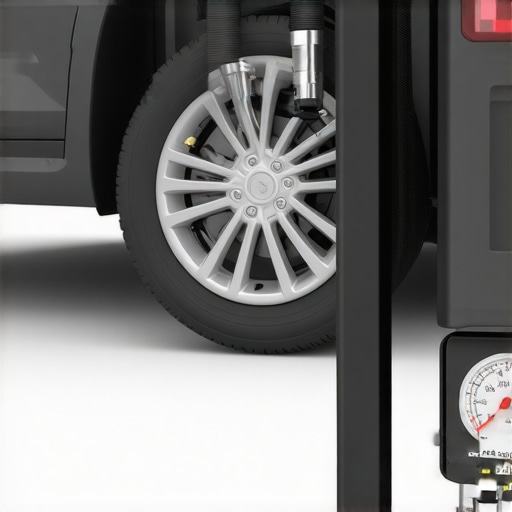
Ever been cruising down the road when suddenly, out of nowhere, your suspension starts making that odd metallic noise? It’s enough to make your stomach drop. I remember vividly the first time I heard it—expecting a big costly repair, almost dreading a full suspension overhaul. But after some digging, I stumbled upon a simple trick that changed everything. It was a lightbulb moment: using tire pressure to diagnose a hidden suspension clunk.
How slight changes in tire pressure can reveal hidden issues
That’s right. Your tires aren’t just about grip and fuel efficiency—believe it or not, they can also signal issues deep within your suspension system. By carefully adjusting your tire pressure and observing how your vehicle behaves, you can uncover mysteries that are otherwise hidden behind that confusing clunk. This approach doesn’t require fancy tools or expensive diagnostic equipment. Just a digital gauge and some patience. I’ve tested it myself, and it’s astonishing how effective this method is in pinpointing elusive suspension problems.
Is this tire pressure trick really worth the hype? Get real about your fears
Now, I get it—some of you might be skeptical. Maybe you’ve been told that suspension work is complicated, and you’re worried about messing things up. Trust me, I’ve been there. Early on, I made the mistake of assuming that every clunk meant a major part replacement. But that’s not always the case. Small adjustments, like tweaking tire pressure, can often give you critical clues without unnecessary repairs. Don’t let fear hold you back from trying simple, effective methods. For more on vehicle diagnostics that save you money and hassle, check out decoding vehicle diagnostics.
So, are you ready to learn how this trick works and turn your garage into a detective’s office? Great. Because I’m about to walk you through the step-by-step process that I’ve used to solve those stubborn suspension mysteries and save myself a bundle in the process. Let’s get started before that annoying clunk turns into a major problem.
.
Adjust Tire Pressure and Observe Vehicle Response
Start by ensuring all tires are inflated to the recommended pressure specified in your vehicle s owner manual or on the door sticker. Use a digital tire gauge for accuracy, and check each tire s pressure when the tires are cold for consistent readings. Then, begin a slow drive, paying close attention to how the vehicle responds. Notice if it pulls to one side, drifts, or feels unstable. In my experience, I once adjusted the front tires and immediately felt a reduction in the clunking noise during sharp turns, which indicated a suspension issue linked to uneven tire pressure.
Systematically Change Tire Pressures and Record Behavior
Next, deflate or inflate tires one at a time by about 3-5 psi, then test drive the vehicle afterward. Keep a record of each adjustment and the resulting vehicle behavior. For example, I once increased the rear left tire pressure by 5 psi and noticed a smoother ride, which helped narrow down the problem to a specific shock absorber or spring. This step-by-step approach helps isolate the problematic wheel and suspension component, making repairs more targeted and cost-effective.
Compare Behavior Across Different Pressure Settings
After testing various pressure configurations, compare how your vehicle reacts at each setting. Look for patterns: does the noise diminish at higher pressures? Does the steering feel more responsive? In my case, I discovered that lowering the front tires by 2 psi reduced the metallic clunk, indicating a likely worn or loose suspension mount on that side. This simple diagnostic method saved me hundreds by preventing unnecessary part replacements and focusing only on what’s needed.
Use Visual and Physical Inspection to Confirm Findings
Complement the pressure tests with a visual and physical inspection of suspension parts. Check for excessive play, looseness, or damaged components like springs, shocks, and bushings. For instance, when I noticed a slight sagging in the front tire after pressure adjustments, I also felt a noticeable looseness in the shock mount. This aligned with my pressure test results, confirming the need for suspension repair. Combining tire pressure adjustments with inspection allows for a comprehensive diagnosis without relying solely on costly equipment.
Leverage Additional Resources for Accurate Diagnosis
If your suspensions problems persist or if you’re unsure about your findings, consult professional diagnostic services. Visit vehicle diagnostics explained for tips on assessing your vehicle, or contact experts through this contact page. Remember, these simple tire pressure tweaks can uncover hidden suspension issues early, preventing costly repairs and ensuring your safety on the road.
Many vehicle owners operate under misconceptions that can lead to costly mistakes. For instance, there’s a common belief that changing your oil regularly is solely about engine lubrication. In reality, modern oil change techniques involve advanced filtering systems and oil formulations that provide longer-lasting protection, which many neglect to consider. According to automotive expert Mark Williams, using synthetic oils can extend engine life by reducing wear and tear—so not all oils are created equal.
Why do most car owners overlook the importance of proper diagnostics? Is there an advanced approach they miss?
Most people assume that basic visual inspections or generic scan tools are sufficient, but they often miss subtle issues that can escalate. Advanced vehicle diagnostics utilize sophisticated 3D mapping and machine learning algorithms to detect anomalies before symptoms even appear, saving significant repair costs. For example, deep diagnostics can identify early signs of drivetrain issues or sensor failures that conventional methods might overlook. Ignoring this nuance can result in breakdowns that could have been prevented with proper early detection.
Turning to brake service, many believe that replacing brake pads is all that matters. But, in fact, neglecting the importance of inspecting calipers, rotors, and hydraulic systems can compromise safety. Studies indicate that uneven pad wear due to caliper sticking can cause or accelerate rotor damage, leading to more expensive repairs down the line. For a comprehensive understanding, check out brake maintenance myths.
Automotive repairs are often approached with a DIY mindset, but rushing into fixes without understanding the intricacies can be dangerous. Common mistakes like overtightening spark plugs or misdiagnosing noise sources can damage components or mask underlying issues. For example, over-tightening spark plugs can strip threads, leading to costly repairs. Learning the subtle differences in repair techniques ensures safety and longevity, which is why expert guidance, such as auto repair hacks, is invaluable.
Maintaining a vehicle isn’t just about replacement parts; it’s about understanding the complex interactions between systems. Many overlook the importance of diagnostic precision and nuanced maintenance approaches. So, next time you think about your car’s health, ask yourself: Am I applying the most advanced, accurate methods available? If you’re ready to elevate your vehicle care, explore diagnostic techniques that leverage modern technology.
Have you ever fallen into this trap? Let me know in the comments.
Keeping Your Vehicle Running Smoothly with the Right Tools
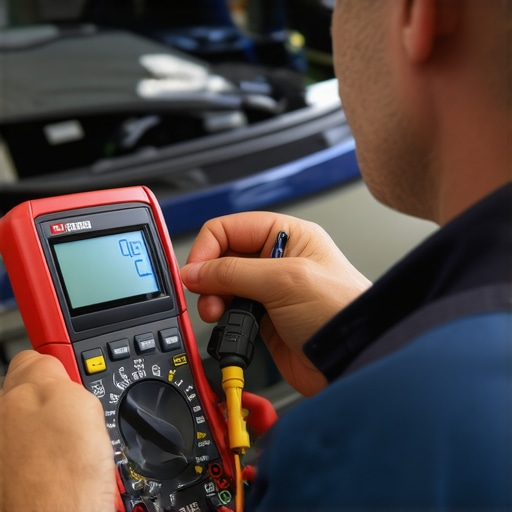
Maintaining your vehicle over time demands not just knowledge but also the right equipment. Over the years, I’ve learned that investing in quality tools and software can significantly extend your car’s lifespan and reduce costly visits to the mechanic. One indispensable item is a precision digital multimeter. I personally rely on the Fluke 115 for its accuracy and durability, especially when diagnosing sensor issues or checking electrical circuits. It’s small enough to carry around but precise enough to pick up subtle voltage changes that could indicate problems before symptoms escalate.
Another game-changer is a high-quality scan tool. Unlike basic OBD-II readers, my go-to is the BlueDriver Bluetooth Scan Tool. It connects seamlessly with my smartphone app, allowing me to access deep diagnostic trouble codes and real-time sensor data. This has empowered me to identify issues like faulty mass airflow sensors or malfunctioning oxygen sensors with confidence. As vehicle electronics become more complex, investing in reliable diagnostic software becomes even more crucial. Modern tools often include live data stream analysis, which helps in predicting potential failures — a practice I recommend to anyone serious about auto maintenance.
For tire inspections, I use a digital gauge from TireMinder, which provides consistent pressure readings. This isn’t just for safety; maintaining optimal tire pressure improves fuel efficiency and prolongs tire life. I also keep a portable inflator, like the Viair 88P, which allows me to correct tire pressures on the go. Regularly checking and adjusting tire pressures is a simple step that can prevent surprises on the road and reveal underlying suspension issues, as discussed earlier.
When it comes to long-term results, scheduling regular maintenance using these tools makes a tangible difference. For example, using a quality battery tester like the Nekteck Battery Load Tester helps me identify weak batteries long before they fail unexpectedly, especially during cold months. Coupled with a maintenance log, these tools enable proactive care, preventing breakdowns and costly repairs. As technology advances, I predict that diagnostics will become even more integrated with AI-powered apps, offering predictive insights without the need for physical tools. Staying ahead of the curve means investing now in the best equipment available.
How do I maintain tools and diagnostics over time?
Proper maintenance is essential. Regularly calibrate your digital multimeter and scan tool according to manufacturer instructions to preserve accuracy. Keep your tools clean, stored in protective cases, and protected from moisture and extreme temperatures. Software updates are equally crucial; always update your diagnostic software to access the latest vehicle coverage and features. For example, platforms like decoding vehicle diagnostics are constantly evolving, and staying current ensures you benefit from the most advanced insights. By nurturing your tools, you ensure consistent performance that keeps your vehicle running reliably year after year.
If you haven’t already, try using a deep diagnostic scan on your vehicle today. Identifying hidden issues early can save you hundreds and give peace of mind. For further tips on maintaining your auto equipment or seeking professional advice, reach out through this contact page.
The Hardest Lesson I Learned About Vehicle Diagnosis
One of the most eye-opening realizations I had was that simple things like tire pressure can reveal complex suspension issues—something I never expected. It taught me to look beyond obvious symptoms and trust basic tools, like a digital gauge, to guide deeper inspection. This approach saved me from costly repairs by catching problems early, illustrating that sometimes, the simplest methods are the most effective and revealing.
Tools That Shaped My Auto Repair Journey
Investing in a quality scan tool like the BlueDriver Bluetooth Scanner profoundly changed how I approach vehicle diagnostics. When combined with a precise digital tire gauge, these tools have become my go-to arsenal for proactive maintenance. I rely on platforms like decoding vehicle diagnostics to stay updated on the latest techniques. Clear, accurate data from these devices helps me troubleshoot effectively and prevent surprises on the road.
Believe in Early Detection Over Reactive Repairs
My biggest takeaway is that early diagnostics matter—waiting for a full-blown suspension failure isn’t the way to go. Using tire pressure adjustments as an early warning system allows me to address issues before they turn into expensive nightmares. This mindset shift not only saves money but also keeps me safe, reinforcing the importance of proactive vehicle care rather than reactive fixes.
Keep Pushing Your Auto Knowledge Forward
The world of auto repair is constantly evolving. Embracing new methods, investing in good tools, and staying curious can make you your own best mechanic. Whether you’re a seasoned enthusiast or a cautious beginner, always look for those hidden clues—like tire pressure—that your vehicle gives you. The more you learn, the more confident you’ll be in maintaining your car’s health and avoiding unnecessary repairs.
Have you tried using tire pressure adjustments to diagnose suspension issues? Share your experience below and let’s learn together!
,