
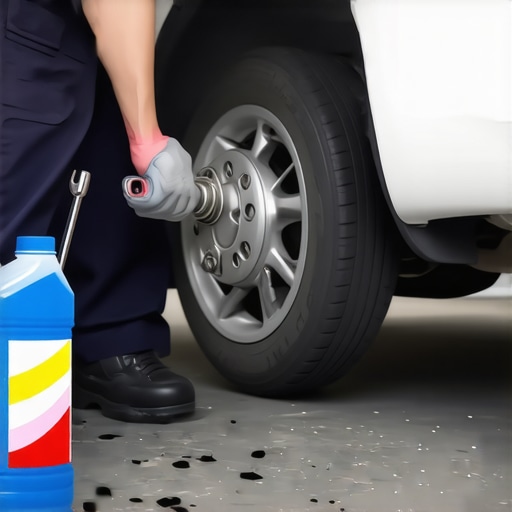
It was a muggy Saturday afternoon when I realized I needed to bleed my brakes. I had just finished a routine oil change, thinking I was all set for the next road trip. But as I gently pressed the brake pedal, I noticed it felt spongy—worse than ever. Frustration crept in. Without a helper around, I was about to give up until a lightbulb moment hit me: I didn’t need someone to assist me. Turns out, bleeding brakes solo isn’t just possible—it’s quite manageable once you know how.
Why Tackling Brake Bleeding Alone Can Save Your Day
For many car owners, the idea of bleeding brakes single-handedly sounds intimidating. It’s one of those tasks you see in auto repair videos and think, “I need a pro for that.” But here’s the truth—efficiency and independence matter. When your brake fluid is contaminated or has absorbed moisture, your vehicle’s stopping power diminishes. Waiting for a mechanic can mean days of inconvenience, and sometimes, the cost isn’t worth it. Proven automotive techniques, like those discussed in the ultimate brake service guide, show that self-bleeding can be safe, effective, and cost-saving when done correctly.
Is DIY Brake Bleeding Really Worth It?
Early on, I made the mistake of believing I needed special equipment or a second set of hands. That misconception nearly turned into a disaster because I rushed the process. But I learned that with patience, the right tools, and clear instructions, I could restore my brake system. The key is understanding the process beyond just following steps blindly. Those who dismiss DIY solutions often overlook the satisfaction and money saved—plus the empowerment of knowing you can handle minor repairs.
Have you ever faced a situation where you wished you could fix things yourself instead of waiting for professional help? If so, you’re not alone. Many drivers find themselves in a bind, wondering if they can tackle brake bleeding alone without sacrificing safety. The good news? With a bit of preparation, you’ll discover it’s more straightforward than you think, and I’ll share my proven approach to doing it right. Ready to take control of your car’s braking system? Let’s dive into the practical steps that will turn you into your own auto repair hero.
Prepare Your Workspace and Gather Necessary Tools
Start by parking your vehicle on a level surface, engaging the parking brake, and placing wheel chocks behind the tires that won’t be lifted. Gather a fresh container of brake fluid, clear plastic tubing, a wrench to fit the brake caliper or wheel cylinder bleed screw, a funnel, and a rag for cleanup. I once spent an afternoon in my driveway, prepping all tools in advance, which saved me from multiple trips to the garage.
Locate the Bleed Screws and Remove Wheel if Necessary
Identify the bleed screws on each brake caliper or wheel cylinder. For easier access, especially on front brakes, remove the wheel using a tire iron or impact wrench. Remember, a helpful analogy: think of bleed screws as tiny faucets that release or retain brake fluid. In my case, removing the front wheels gave me better leverage and control, making the process smoother.
Fill the Brake Reservoir and Check Fluid Level
Use a funnel to top off the brake fluid reservoir with fresh brake fluid, ensuring it remains above the minimum line. Keep a close eye on the level throughout; running dry can introduce air into the system, defeating the purpose of bleeding. I learned this the hard way when I neglected the reservoir, and air got trapped, causing sponginess again.
Attach Tubing to the Bleed Screw and Submerge into Brake Fluid
Place one end of the clear tubing over the bleed screw and immerse it into a container partially filled with brake fluid to prevent air from entering. This setup allows you to see air bubbles escaping, similar to a soda siphon releasing fizz. Once set up, tighten the bleed screw just enough to prevent leaks without stripping threads.
Push the Pedal and Release Air
Have someone sit inside the vehicle or use a makeshift pedal holder—like a brick wedged against the pedal—to gently press the brake pedal to the floor. Loosen the bleed screw slightly to allow trapped air and old fluid to escape through the tubing. Then, tighten the screw before releasing the pedal. Repeat this process until you observe a steady stream of bubbles and clean fluid. During my first attempt, I found that rhythm is vital; pushing and releasing steadily kept air moving out effectively.
Monitor Brake Fluid and Repeat on All Wheels
Keep refilling the reservoir to the proper level as you progress. It’s crucial to bleed each wheel starting from the farthest from the master cylinder—usually the passenger side rear—moving closer to the driver side front. This order prevents trapped air from migrating back into the system. I followed a step-by-step guide and felt confident that each wheel was properly bled, reducing brake pedal travel and improving stopping power.
Final Checks and Test Drive
After bleeding all wheels, double-check that the brake fluid reservoir is at the correct level. Then, gently pump the brake pedal to ensure a firm feel. Replace wheels and tighten lug nuts securely. Finally, take a cautious test drive—brakes should feel solid and responsive. I once completed this process, felt confident, and was rewarded with noticeably better braking performance. If anything feels off, revisit the bleed process, especially focusing on any wheels that were harder to bleed. Remember, proper brake maintenance isn’t just about safety; it’s about peace of mind when you’re on the road.Many car enthusiasts and even experienced DIYers often fall into traps when approaching vehicle maintenance, particularly with brake, diagnostic, and oil change services. One widespread myth is that all brake pads wear out at the same rate, which can lead to uneven braking or even damage to rotors. In reality, different driving styles and environments affect wear patterns, making regular inspections crucial. Overlooking these nuances can turn simple replacements into costly repairs.
Similarly, there’s a misconception that vehicle diagnostics are foolproof when using entry-level scan tools. While these devices provide valuable insights, they often miss complex or intermittent faults, such as wiring issues or sensor inconsistencies. Advanced diagnostics, like those discussed in professional vehicle diagnostics, can uncover hidden problems that generic scans overlook, saving you from expensive breakdowns.
When it comes to oil changes, many believe that following the manufacturer’s mileage intervals is sufficient. However, experts recommend considering driving conditions—stop-and-go traffic, short trips, or heavy loads can degrade oil faster. Using high-quality synthetic oils and adhering to real-time oil analysis can significantly extend engine life, as explained in innovative oil change techniques.
A common oops is neglecting the importance of proper torque during repairs. Over-tightening lug nuts or bolts can strip threads or warp components, leading to loosening or even failure. Always use a calibrated torque wrench and follow specified values to prevent these costly mistakes. As emphasized in top repair tips, attention to detail preserves your vehicle’s longevity.
Addressing these misconceptions means paying attention to the details professionals obsess over. It’s about understanding that auto repair isn’t just following steps—it’s about recognizing the nuances that can prevent bigger issues down the line. Have you ever fallen into this trap? Let me know in the comments.Maintaining your vehicle’s performance requires more than just routine visits to the mechanic; it demands the right tools and a solid understanding of effective maintenance practices. Investing in quality diagnostic equipment, specialized hand tools, and following proven methods can save you time and money while ensuring your car remains reliable. For example, a high-quality scan tool like the Autel MaxiScan MS309 allows you to read and clear diagnostic trouble codes yourself, which can be invaluable when catching issues early before they escalate. I personally rely on a digital torque wrench to tighten bolts accurately—over-tightening can cause damage, while under-tightening compromises safety. Using a flashlight with a flexible arm helps me inspect hard-to-reach areas without mess or fuss. Looking ahead, I believe the trend towards smarter, connected tools that interface with smartphones will make vehicle maintenance even more accessible for enthusiasts and casual owners alike.
How do I maintain my vehicle’s health over time?
Developing a routine of periodic checks with specialized tools is key. Regularly scanning your vehicle with an OBD-II scanner can reveal hidden issues that aren’t immediately apparent—like pending sensor failures or minor leaks—that could develop into costly repairs if ignored. Moreover, maintaining the correct levels of fluids using detailed guides can prolong engine life, especially when combined with innovative techniques for oil changes, such as using synthetic oils with extended service intervals. Keep an eye on tire pressures and brake conditions with precision gauges; these small investments pay off by preventing dangerous mishaps on the road. Remember, proactive maintenance with appropriate tools not only extends your vehicle’s lifespan but enhances safety and driving enjoyment.
For those interested in pushing their vehicle’s longevity further, I recommend trying out a professional-grade vehicle diagnostic scanner like the ones detailed in this guide. Whether you’re a DIY enthusiast or just want peace of mind, equipping yourself with the right tools is an investment worth making. If you’re unsure where to start or need tailored advice, don’t hesitate to reach out to skilled technicians who can help you choose the best equipment for your needs.
The Unexpected Wisdom Behind Self-Sufficient Repairs
One of the most valuable lessons I learned is that tackling DIY auto repairs, like brake bleeding, isn’t about avoiding professionals but about empowering yourself with knowledge. The moment I embraced the challenge, I realized that overcoming initial uncertainties leads to genuine confidence and considerable savings. Even more, I discovered that patience and preparation are your best allies—tools and tutorials can make complex tasks surprisingly manageable.
Another insight is recognizing the importance of understanding your vehicle’s systems. The more I learned about the brake system’s nuances, the less intimidating the process became. This deeper knowledge prevents common mistakes and ensures safety. It’s a reminder: becoming familiar with your car’s ins and outs transforms repairs from chores into opportunities for learning and mastery.
Lastly, I found that embracing the process transforms frustration into satisfaction. Completing a brake bleed on my own gave me a sense of accomplishment that no professional fee could match. It’s about the journey—each step builds a skill set that pays off every time you turn a wrench.
Tools and Resources That Made the Difference
- Autel MaxiScan MS309 – A dependable scan tool that uncovers hidden issues early, helping prevent bigger problems down the road.
- Torque Wrench – Precise tightening keeps components safe and intact; I trust my calibrated wrench for peace of mind.
- Quality Brake Fluid – Using the best fluids ensures longevity and optimal performance, as recommended in our detailed guides on oil change innovations.
- Online Tutorials and Guides – From step-by-step videos to forums, they provide insights that bridge gaps between theory and practice. I found that combining these resources with hands-on practice made all the difference.
Investing in the right tools and trusted sources transforms DIY efforts into dependable routines. Don’t hesitate to explore these options—your car and wallet will thank you.
Your Next Step Starts with a Single Move
Auto repair isn’t just for mechanics; it’s for anyone willing to learn and grow more confident behind the wheel. Taking control over tasks like brake bleeding fosters independence and can deepen your understanding of your vehicle. Remember, every expert was once a beginner, and every repair is a step toward mastery. So, why wait? Dive into your next project with new confidence, knowing that accessible resources and your proactive attitude are your best tools.
What’s one repair task you’ve been hesitant to try but now feel ready to conquer? Share your thoughts below and let’s inspire each other to become more self-reliant drivers!