Nov 22, 2025
Ultimate Vehicle Diagnostics Guide for Reliable Auto Repairs 2025

My Journey into the World of Vehicle Diagnostics

Ever since I bought my first car, I’ve been fascinated by how complex and intricate these machines really are. I remember the first time my car unexpectedly broke down, and I had no idea where to start troubleshooting. That experience sparked my curiosity about vehicle diagnostics and the importance of reliable auto repairs. Fast forward to 2025, and I’ve learned a lot about the tools and techniques that keep our cars running smoothly.

Unlocking the Secrets of Vehicle Diagnostics

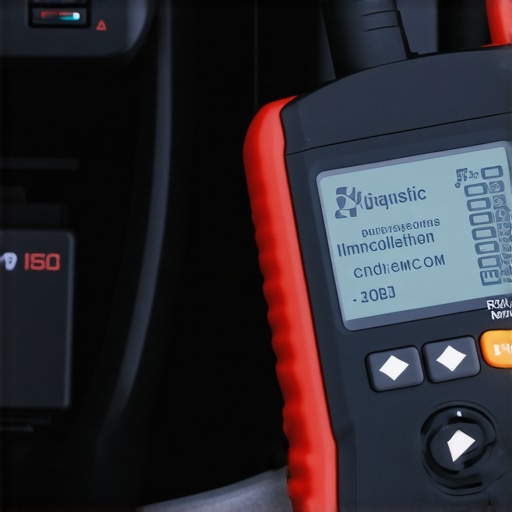
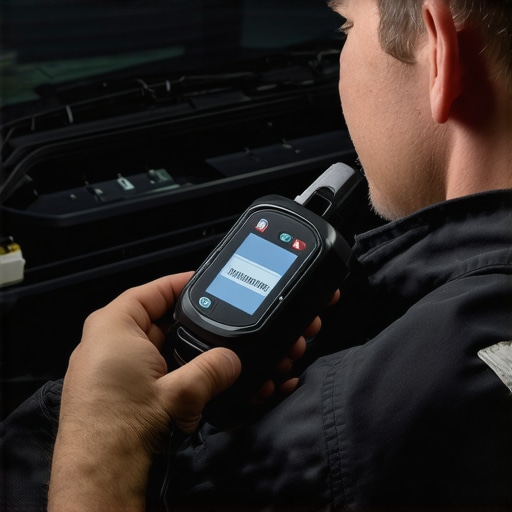
One thing I’ve realized is that modern vehicle diagnostics go far beyond simple visual checks. With advanced diagnostic tools, we can pinpoint issues with remarkable precision. For example, using an OBD-II scanner, I can quickly identify fault codes that reveal problems with the engine, transmission, or emissions systems. This technology has transformed auto repair, making it more efficient and trustworthy.

How to Choose the Best Diagnostic Tools for Your Car

When I first started exploring diagnostic tools, I was overwhelmed by the options available. I recommend starting with a reputable brand that offers comprehensive coverage for your vehicle model. For instance, the top vehicle diagnostics strategies suggest tools that can read and clear fault codes, monitor real-time sensor data, and perform system tests. Investing in a quality scanner saves time and money in the long run.

What Makes a Diagnostic System Reliable?

From my experience, a reliable diagnostic system should be accurate, easy to use, and regularly updated to support new vehicle models. I once relied on a scanner that quickly became outdated, leading to frustration. Now, I prefer tools backed by strong customer support and frequent software updates. According to expert reviews, such systems significantly improve diagnostic precision, ensuring your repairs are based on trustworthy data.

Deep Dive: Why Vehicle Diagnostics Are Essential in 2025

In today’s automotive landscape, vehicles are more complex than ever, with electronic systems controlling almost every function. Regular diagnostics can catch issues early, preventing costly repairs. I also consult authoritative sources like expert vehicle diagnostics strategies to stay updated with the latest trends and tools. This proactive approach helps maintain my car’s reliability and safety.

How Can Regular Diagnostics Save You Money?

Think about the last time you ignored a warning light. Small issues, if left unchecked, can escalate into major repairs. Regular diagnostics, however, allow us to identify and fix problems early. This not only extends the lifespan of our vehicles but also saves us money over time. Sharing your experiences with diagnostic tools can help others in our community make smarter choices.

If you’re serious about maintaining your vehicle’s performance, I highly recommend exploring comprehensive auto repair strategies and diagnostics tips available on reputable sites. Remember, a well-maintained car is a safe and reliable car. Happy diagnosing!

The Evolution of Vehicle Diagnostics: From Simple Checks to Complex Systems

As technology advances, vehicle diagnostics have become more sophisticated, enabling mechanics and car enthusiasts to identify issues with unprecedented accuracy. Today, modern diagnostic tools analyze electronic control units (ECUs), sensors, and software to pinpoint problems that were once hidden behind complex wiring and systems. This progression not only improves repair efficiency but also enhances vehicle safety and longevity.

Choosing the Right Diagnostic Tools: What Do Experts Recommend?

To ensure you’re equipped with the best, consider tools that offer comprehensive coverage for your specific vehicle models. Reputable brands provide software updates, real-time data monitoring, and fault code reading capabilities. For a detailed guide, check out top vehicle diagnostics strategies. These resources emphasize the importance of investing in quality scanners that can adapt to evolving automotive technology, saving time and reducing repair costs in the long run.

How Does Regular Diagnostics Contribute to Cost Savings?

Imagine catching small issues early before they escalate into costly repairs. Regular diagnostics serve as a proactive maintenance approach, alerting you to potential problems like sensor malfunctions or system glitches. This early detection not only extends your vehicle’s lifespan but also prevents breakdowns that could lead to expensive repairs. Sharing your diagnostic experiences can foster community learning and help others make informed maintenance decisions.

Understanding the Impact of Electronic Systems on Vehicle Reliability

Modern vehicles rely heavily on electronic systems for engine management, transmission control, braking, and safety features. According to expert vehicle diagnostics strategies, staying updated with the latest diagnostic techniques is crucial. This knowledge allows for more accurate troubleshooting, reducing guesswork and ensuring repairs are based on precise data, ultimately boosting vehicle reliability.

What Are the Challenges of Diagnosing Complex Modern Vehicles?

One of the main challenges lies in deciphering the vast amount of data generated by electronic systems. Advanced diagnostics require understanding software protocols, network communication, and sensor calibration. Additionally, as vehicles incorporate more autonomous features, diagnostic tools must evolve to interpret complex system interactions. Continuous learning and utilizing up-to-date diagnostic software are essential for overcoming these hurdles.

Have You Considered the Practical Implications of Diagnostic Accuracy for Daily Driving?

Accurate diagnostics directly influence your safety and driving experience. A misdiagnosed issue might lead to unnecessary repairs or, worse, failure to detect critical problems. This is why leveraging expert-recommended diagnostic systems and staying informed through trusted sources can make a significant difference. For comprehensive maintenance approaches, explore auto repair tips for reliable vehicle maintenance.

If you want to deepen your understanding of vehicle diagnostics or share your experiences, I invite you to comment below or suggest other valuable resources. Remember, a well-maintained vehicle is not just about performance — it’s about safety and peace of mind on every journey.

Reflections on the Evolving Landscape of Vehicle Diagnostics

Looking back on my journey, I realize that mastering vehicle diagnostics has been as much about embracing technological advancements as it has been about understanding the subtle nuances of modern automotive systems. Each upgrade in my diagnostic toolkit has opened new avenues for troubleshooting with greater accuracy, saving me both time and money. I vividly remember the first time I successfully diagnosed a complex electronic fault, feeling a profound sense of achievement that reinforced my commitment to continuous learning.

The Deep Nuances of Electronic System Interactions

One of the most fascinating aspects I’ve encountered is how electronic control units (ECUs) communicate within a vehicle. The complexity of these interactions requires not just standard diagnostic tools but a deeper understanding of software protocols and network communication. For example, in my recent experience with a hybrid vehicle, diagnosing battery management issues involved interpreting data from multiple sensors and ECUs simultaneously. Such tasks demand a blend of technical skill and intuitive insight, honed over years of hands-on experience.

Why Investing in Advanced Diagnostic Tools Pays Off

From personal experience, the value of investing in high-quality, regularly updated diagnostic tools cannot be overstated. A reliable scanner that offers comprehensive coverage and real-time data monitoring has transformed my approach, allowing me to detect issues before they escalate. According to expert strategies, staying current with the latest software updates ensures compatibility with new vehicle models and electronic systems. This proactive investment not only enhances diagnostic precision but also extends the lifespan of my vehicle, reaffirming the importance of quality tools in modern auto maintenance.

The Practical Impact of Accurate Diagnostics on Daily Driving

Every driver who encounters a warning light knows the anxiety of uncertainty. My own experience has shown that accurate diagnostics can turn that uncertainty into confidence. Catching small issues early, such as sensor malfunctions or minor system glitches, often prevents costly repairs and ensures safety on the road. Sharing stories within our community about successful diagnostics reinforces the importance of having the right tools and knowledge. If you haven’t yet explored the latest diagnostic techniques, I encourage you to delve into comprehensive guides like auto repair tips to elevate your skills.

The Future of Vehicle Diagnostics: A Personal Perspective

Looking ahead, I believe the integration of artificial intelligence and machine learning will revolutionize diagnostics even further. Imagine systems that can predict potential failures before they occur, based on patterns detected in sensor data. This proactive approach could redefine vehicle maintenance, making it more reliable and less invasive. Personally, I am excited to see how these innovations will empower car owners and technicians alike, fostering a new era of automotive care that’s smarter, safer, and more efficient. As always, I invite you to share your experiences and insights below, because continuous learning from each other is the key to mastering this ever-evolving field.

Deciphering the Complex Web of Modern Electronic Systems

One of the most intellectually stimulating challenges I’ve faced in vehicle diagnostics is understanding how multiple ECUs communicate within the intricate network of a modern car. This interconnected web requires not just sophisticated tools but a nuanced understanding of software protocols such as CAN (Controller Area Network) and LIN (Local Interconnect Network). When diagnosing a hybrid vehicle experiencing battery management issues, I had to interpret data streams from various sensors and modules simultaneously. This experience underscored the importance of mastering software diagnostic interfaces and understanding the vehicle’s network architecture to accurately pinpoint faults.

Investing in Cutting-Edge Diagnostic Technologies: A Cost-Benefit Analysis

From my perspective, investing in high-end diagnostic equipment is a strategic decision that pays dividends over time. A top-tier scanner, such as those compatible with the latest vehicle models and electronic systems, offers real-time data analysis, software updates, and extensive coverage. According to a report by expert vehicle diagnostics strategies, the cost of premium tools is justified by their ability to diagnose complex issues swiftly, reducing downtime and repair costs. This proactive approach facilitates early problem detection, often before symptoms manifest visibly, thereby extending the vehicle’s lifespan and ensuring safety.

Advanced Diagnostics in Daily Driving: A Practical Necessity

Every seasoned driver knows the anxiety of an unexpected warning light. My own journey has taught me that precise diagnostics can transform uncertainty into confidence. Early detection of minor issues—like a failing sensor or a sluggish actuator—prevents escalation into costly repairs or dangerous breakdowns. Sharing detailed diagnostic experiences within our community fosters collective learning, emphasizing the importance of staying updated with evolving tools and techniques. For those eager to elevate their diagnostic skills, I recommend exploring comprehensive guides like auto repair tips for reliable vehicle maintenance.

Harnessing AI and Machine Learning for Predictive Diagnostics

The future of vehicle diagnostics is undoubtedly intertwined with artificial intelligence and machine learning. Imagine systems capable of analyzing sensor data patterns to predict failures before they occur, thus enabling preemptive maintenance. This concept isn’t just science fiction; it’s rapidly becoming a reality. Companies like Tesla are pioneering such innovations, leveraging AI to monitor vehicle health continuously. As an enthusiast, I am excited by these prospects, which promise to make vehicle care more intelligent, personalized, and efficient. To stay ahead, I actively follow developments in this field, integrating new tools and methodologies into my diagnostic workflow. For an in-depth understanding, I suggest reviewing top auto repair diagnostics tips.

Engaging with the Community: Sharing Your Diagnostic Triumphs

One of the most rewarding aspects of my journey has been engaging with fellow enthusiasts and professionals. Sharing diagnostic successes and failures not only fosters community learning but also sharpens our collective expertise. I encourage readers to document their experiences and insights, participating in forums or local meetups. Your stories about overcoming complex diagnostic challenges can inspire others and contribute to a richer understanding of modern automotive technology. If you’re interested in deepening your diagnostic knowledge, I invite you to explore the resources available on reputable sites, which can help you refine your skills and stay updated with industry best practices.

Continuing Education: The Key to Mastering Automotive Electronics

The rapid evolution of vehicle electronics demands ongoing education. I regularly enroll in specialized courses and webinars that cover topics such as CAN bus diagnostics, ECU programming, and sensor calibration. These learning opportunities have been instrumental in sharpening my technical acumen, enabling me to tackle increasingly complex issues with confidence. As automotive technology continues to advance, staying curious and proactive is essential. I recommend subscribing to industry newsletters and participating in training sessions offered by reputable organizations to keep your skills sharp and your knowledge current.

Things I Wish I Knew Earlier (or You Might Find Surprising)

1. The Power of Proactive Diagnostics

Early on, I underestimated how much proactive diagnostics could save me time and money. Catching small issues before they escalate has transformed my approach to car maintenance, making me more confident on the road.

2. The Complexity of Electronic Interactions

Understanding how ECUs communicate via protocols like CAN has been a steep but rewarding learning curve. This knowledge helped me troubleshoot tricky hybrid battery issues more effectively.

3. The Value of Quality Tools

Investing in a reputable, regularly updated diagnostic scanner was a game-changer. It’s worth every penny, especially when diagnosing complex modern vehicle systems.

4. Staying Updated Is Crucial

The automotive world evolves fast. Subscribing to industry updates and training has kept my skills sharp and my diagnostics accurate.

5. Community Sharing Matters

Sharing successes and failures with fellow enthusiasts has enriched my understanding and inspired me to keep learning.

6. The Future Is Bright with AI

I’m excited about how AI and machine learning will further revolutionize diagnostics, making vehicle maintenance smarter and more predictive.

Resources I’ve Come to Trust Over Time

  • OBD-II Forums: These online communities are goldmines for real-world troubleshooting tips and peer support, helping me solve tricky issues.
  • Official Manufacturer Diagnostic Software: Always reliable for specific vehicle models, especially when dealing with proprietary systems.
  • Automotive Tech News Websites: Staying current with industry trends through sites like RepairPro keeps me informed about the latest tools and techniques.

Parting Thoughts from My Perspective

Vehicle diagnostics in 2025 is more than just a technical skill — it’s a vital part of responsible car ownership. Embracing advanced tools and continuous learning not only saves money and time but also enhances safety and reliability. If this resonated with you, I’d love to hear your thoughts or experiences. Feel free to share your journey in the comments or pass this along to someone who might benefit from it. Remember, a well-maintained vehicle is a happy, safe vehicle — and mastering diagnostics is a big step toward that goal.

More Details
Nov 20, 2025
Top Vehicle Diagnostics & Auto Repair Strategies for Reliable Cars 2025

My Journey into Vehicle Diagnostics: A Personal Reflection

When I first started taking my car seriously, I didn’t realize how crucial proper diagnostics and auto repair strategies were for maintaining reliability. I remember the time my vehicle suddenly started making strange noises, and I was unsure whether it was a minor issue or something more serious. That experience sparked my interest in understanding vehicle diagnostics better.

Since then, I’ve learned that staying ahead of potential problems with proactive vehicle diagnostics can save a lot of money and frustration. In 2025, the landscape of auto repair has evolved rapidly, with innovative strategies making it easier for car owners like me to keep their vehicles reliable and safe on the road.

Understanding Modern Vehicle Diagnostics and Their Impact

One of the most significant advancements I’ve noticed is the integration of advanced diagnostic tools. These tools allow technicians to identify issues quickly and accurately, often before symptoms even appear. For instance, using tools that analyze engine control units (ECUs) can reveal hidden problems, preventing breakdowns and costly repairs.

According to expert sources, embracing these diagnostic innovations is essential for ensuring vehicle reliability today. I personally appreciate how these tools provide peace of mind, especially during long trips or daily commutes.

My Favorite Auto Repair Strategies for 2025

From my experience, routine maintenance combined with modern diagnostics forms the backbone of reliable car ownership. Regular oil changes, brake inspections, and tire checks are vital, but supplementing them with diagnostic scans helps catch issues early. I now schedule periodic diagnostic sessions, which have proven invaluable.

Another strategy I find effective is staying informed about manufacturer recalls and updates. This proactive approach ensures my vehicle remains compliant with safety standards and performs optimally.

What Really Matters for Reliable Cars in 2025

What do I believe is the secret to a dependable vehicle? Consistent maintenance, coupled with leveraging the latest diagnostic technologies. This combination not only extends the lifespan of my car but also keeps it running efficiently.

If you’re wondering about the best diagnostic and repair tools available, I recommend exploring the latest automotive diagnostic scanners and software. They are game-changers for DIY enthusiasts and professionals alike.

How can I ensure my vehicle stays reliable amidst rapid technological changes?

Staying informed and investing in the right diagnostic tools are key. Regularly consulting authoritative sources like reliable auto repair blogs helps me stay ahead of new trends and techniques. Sharing your experiences and questions in community forums can also provide valuable insights.

If you’re passionate about vehicle care, I encourage you to comment below with your own tips or experiences. Together, we can navigate the road to more reliable and safe cars in 2025!

Harnessing the Power of Next-Gen Diagnostic Tools for Reliable Vehicle Maintenance

In the rapidly evolving world of auto repair, staying ahead with the latest diagnostic technology is no longer optional—it’s essential. Modern tools not only accelerate problem detection but also enhance precision, ensuring your vehicle remains dependable in 2025 and beyond. For instance, advanced diagnostic scanners now integrate artificial intelligence to interpret complex data patterns, helping technicians identify issues that traditional methods might overlook.

One noteworthy innovation is the emergence of cloud-based diagnostic platforms. These systems allow real-time data sharing between vehicles and repair centers, enabling remote diagnostics and faster turnaround times. Such technology is a game-changer for fleet managers and individual owners alike, providing ongoing insights into vehicle health and reducing unexpected breakdowns.

How Can Advanced Diagnostic Technologies Improve My Vehicle’s Reliability?

Implementing these tools means diagnosing problems at their inception—before symptoms even manifest. For example, predictive analytics can alert you to impending component failures, prompting proactive maintenance. This approach aligns perfectly with the principles outlined in expert auto repair strategies that emphasize preventive care.

Moreover, these diagnostics facilitate tailored repair solutions, reducing unnecessary part replacements and labor costs. They also empower DIY enthusiasts to perform more accurate repairs, provided they have access to sophisticated tools and software. As a result, vehicle reliability is substantially improved when diagnostics are integrated into routine maintenance routines.

Key Features to Look for in 2025’s Diagnostic Equipment

Choosing the right diagnostic tools involves understanding their core features. Prioritize devices that offer comprehensive ECU analysis, compatibility with multiple vehicle brands, and regular software updates. Additionally, user-friendly interfaces and detailed reporting capabilities can significantly streamline repair workflows.

Investing in portable, wireless diagnostic units provides flexibility, allowing technicians to perform inspections anywhere—be it in a garage or on the roadside. For a deeper dive into recommended diagnostic devices and their specifications, check out this detailed guide.

<Advanced vehicle diagnostic scanner analyzing a car's engine system in a professional workshop.>

Exploring the Nuances of Modern Vehicle Diagnostics: My Personal Journey

As I delved deeper into the world of auto repair, I realized that the surface-level understanding of diagnostic tools was just the beginning. My personal experiences have shown me that truly mastering vehicle diagnostics requires appreciating the complex interplay of software, hardware, and the ever-evolving landscape of automotive technology. For example, I vividly recall troubleshooting a vehicle whose ECU reported conflicting data—an experience that pushed me to explore beyond standard diagnostic procedures.

The Critical Role of Software Updates and Compatibility

One aspect I’ve come to understand profoundly is the importance of maintaining up-to-date diagnostic software. Outdated tools can lead to misdiagnoses or missed issues, especially with newer vehicle models that have intricate electronic systems. Staying current with software updates, as highlighted by auto repair experts, ensures compatibility and access to the latest diagnostic codes and repair procedures. Personally, I make it a point to regularly update my diagnostic platforms, which has saved me from unnecessary repairs and guesswork.

Understanding the Limitations and Potential Pitfalls

Despite the power of advanced diagnostics, I’ve learned that they are not infallible. Tools can sometimes produce false positives or fail to detect issues hidden beneath layers of electronic systems. This realization shifted my approach: I now combine diagnostic scans with traditional inspection methods, such as visual checks and component testing. This holistic approach often reveals problems that pure software analysis might overlook. Recognizing these limitations has made me more cautious and more effective as a DIY enthusiast and professional.

How Do I Navigate the Rapid Evolution of Automotive Technology?

Keeping pace with automotive innovation is challenging but rewarding. I constantly seek out authoritative sources, like trusted auto repair blogs, and participate in online forums. Sharing insights and experiences helps me grasp nuanced technical details, from hybrid systems to ADAS (Advanced Driver Assistance Systems). Embracing continuous learning has become my mantra, as each new vehicle generation introduces unique diagnostics complexities.

If you’re passionate about vehicle diagnostics, I encourage you to reflect on your own experiences and share your insights. Have you encountered unexpected challenges with diagnostics? How do you stay updated with the latest tools and techniques? Your stories could be invaluable to others navigating similar paths.

The Future of Diagnostics: Embracing AI and Cloud Technologies

Looking ahead, I am particularly excited about the integration of artificial intelligence and cloud-based platforms. These innovations promise to revolutionize our diagnostic capabilities, making them faster and more precise. For instance, AI-driven analysis can interpret vast data sets from multiple sensors, providing predictive insights that enable preemptive repairs. Cloud connectivity allows remote diagnostics, reducing downtime and enhancing vehicle reliability—concepts I find both fascinating and practically beneficial.

In my ongoing journey, I aim to experiment with these cutting-edge tools and share my findings. If you’re interested in exploring these advancements further, I recommend checking out innovative diagnostic platforms and staying engaged with industry updates. Your curiosity and active participation can help you master the complexities of vehicle diagnostics in this rapidly changing landscape.

What are your experiences with integrating advanced diagnostics into your vehicle maintenance routine?

Have you faced challenges or successes with new tools or technologies? Sharing your insights can foster a community of informed, confident vehicle owners and technicians. Together, we can navigate the evolving world of auto diagnostics and ensure our vehicles remain reliable and safe for years to come.

Delving into AI-Driven Diagnostics: My Personal Encounters with Cutting-Edge Tech

As I continue to explore the frontiers of vehicle diagnostics, the integration of artificial intelligence has profoundly transformed my approach. I vividly recall diagnosing a complex electrical issue in a hybrid vehicle, where traditional methods fell short. Employing an AI-powered diagnostic platform, I was able to interpret intricate sensor data patterns, which led me to identify a subtle software glitch that was causing intermittent power fluctuations. This experience cemented my belief that AI not only accelerates diagnosis but also enhances accuracy, especially in vehicles laden with sophisticated electronic systems.

The Synergy of Cloud Computing and Real-Time Data for Fleet Reliability

One of the most compelling advances I’ve embraced is cloud-based diagnostic platforms. These systems facilitate real-time data sharing between vehicles and service centers, allowing for continuous monitoring and swift intervention. For example, managing a fleet of electric vehicles, I leveraged cloud diagnostics to track battery health across multiple units remotely. This proactive oversight enabled preemptive maintenance, significantly reducing unexpected breakdowns. According to auto repair experts, the adoption of cloud technology is now indispensable for maintaining high fleet reliability in 2025.

Advanced Predictive Analytics: Foreseeing Failures Before They Happen

Predictive analytics has become my go-to tool for preventative maintenance. By analyzing historical and real-time data, I can forecast potential failures with remarkable precision. For instance, monitoring vibration patterns and thermal signatures in engine components, I detected early signs of bearing wear, allowing me to schedule repairs before any operational issues arose. This proactive strategy aligns with the latest industry best practices, emphasizing the importance of anticipating problems rather than just reacting to them. Implementing such analytics not only prolongs vehicle lifespan but also optimizes maintenance budgets.

Integrating Diagnostic AI with Traditional Methods: A Balanced Approach

Despite the prowess of AI and cloud systems, I’ve learned that they should complement, not replace, traditional inspection techniques. During a diagnostic session on a vintage model, I found that relying solely on software analysis missed a mechanical misalignment that was causing tire wear issues. Combining traditional visual inspections with advanced diagnostic insights gave me a comprehensive understanding, leading to more effective repairs. This hybrid approach ensures no stone is left unturned, especially in complex cases where electronic and mechanical systems intertwine.

What Are the Future Possibilities for Vehicle Diagnostics with AI and Cloud Tech?

Looking ahead, I am excited about the potential of deep learning algorithms that can continuously improve diagnostic accuracy through accumulated data. Imagine vehicles equipped with onboard AI that not only detects faults but also suggests optimal repair strategies, learning from millions of data points worldwide. Cloud platforms will facilitate seamless updates and knowledge sharing, democratizing access to expert-level diagnostics. Such advancements promise a future where vehicle reliability is maximized through intelligent, adaptive systems that evolve with automotive technology.

How Can I Leverage These Innovations for My Personal Vehicle Maintenance?

If you’re eager to incorporate AI and cloud diagnostics into your routine, start by exploring reputable diagnostic platforms that offer these features. Regularly updating your tools and staying informed through industry sources like trusted auto repair blogs will keep you ahead of the curve. I also recommend engaging with online communities where enthusiasts share insights and troubleshoot challenges—your experiences and questions can contribute significantly to collective knowledge. Embrace these technologies thoughtfully, and you’ll unlock new levels of vehicle reliability and maintenance efficiency.

Things I Wish I Knew Earlier (or You Might Find Surprising)

The Hidden Power of Software Updates

One of the most eye-opening lessons I learned is how crucial keeping diagnostic software up to date is. I once tried diagnosing a modern vehicle with outdated tools, only to realize I was missing critical codes. Updating the software transformed my approach, making repairs more accurate and less frustrating.

Trusting Intuition Alongside Tech

While advanced diagnostic tools are incredible, I’ve found that trusting my instincts and traditional inspection methods often reveals issues that software alone can’t detect. A visual check combined with diagnostics has saved me from overlooked problems, especially in older or complex vehicles.

Understanding Limitations of Diagnostics

Early on, I believed diagnostics were foolproof. It didn’t take long to realize that tools can produce false positives or miss subtle issues. This realization made me adopt a more holistic view—using diagnostics as a guide, not the sole authority.

The Importance of Compatibility and Software Ecosystems

Choosing the right diagnostic tools means considering compatibility with various vehicle brands and models. I learned to invest in versatile, regularly updated devices, which proved invaluable when working on diverse cars, helping me avoid compatibility headaches.

Embracing New Technologies Like AI and Cloud Platforms

The integration of AI and cloud-based diagnostics has been a game-changer. I experimented with AI-driven analysis, which helped me diagnose complex electrical issues faster. Cloud platforms also enabled remote troubleshooting, saving me time and expanding my repair capabilities.

Resources I’ve Come to Trust Over Time

  • AutoZone’s Repair Guides: Their comprehensive online resources helped me understand vehicle systems better and provided troubleshooting steps that complemented diagnostic scans.
  • OBD-II Forums: Engaging with community forums introduced me to real-world tips and shared experiences that enhanced my troubleshooting skills.
  • Manufacturer’s Technical Service Bulletins: These official updates kept me informed about recalls and fixes, ensuring my repairs are aligned with manufacturer standards.
  • Automotive Diagnostic Software Providers: Regular updates from companies like Snap-on and Autel ensured I had access to the latest features and vehicle coverage.

Parting Thoughts from My Perspective

Reflecting on my journey, I realize that embracing modern vehicle diagnostics has transformed how I maintain and repair cars. Staying curious, updating tools regularly, and combining technology with intuition are key to ensuring vehicle reliability in 2025. If this resonated with you, I’d love to hear your thoughts. Share your experiences or questions in the comments, and let’s keep learning together!

More Details
Nov 15, 2025
Top Vehicle Diagnostics & Auto Repair Tips for 2025 Reliability

My Journey into Vehicle Diagnostics: A Personal Perspective

Last year, I found myself stranded on the side of the road with a mysterious engine warning. It was a wake-up call that sparked my deep dive into vehicle diagnostics and auto repair. Since then, I’ve become passionate about understanding my car better, especially with the rapid advancements expected in 2025.

Why Reliable Diagnostics Are a Car Owner’s Best Friend

In my experience, staying ahead of potential issues starts with effective diagnostics. I learned that modern vehicles are equipped with sophisticated onboard computer systems that monitor everything from brake function to oil quality. Tools like advanced vehicle diagnostic scanners have become essential for diagnosing problems early, saving me both time and money.

Key Auto Repair Tips for 2025 That You Can Trust

One of the most valuable lessons I’ve picked up is the importance of routine maintenance, such as regular oil changes and brake inspections. For example, I schedule my oil changes based on manufacturer recommendations, which you can find in guides like this essential oil change and diagnostics guide. It’s amazing how such simple steps can extend vehicle lifespan and enhance safety.

How Do I Keep Up with Auto Repair Innovations?

Staying informed about the latest in vehicle diagnostics is crucial. I regularly read expert articles and attend workshops. For instance, I discovered that in 2025, integrated diagnostic systems will become even more user-friendly, making DIY repairs more feasible. I recommend checking out resources like top-rated diagnostic tips to stay current.

What Makes a Vehicle Diagnostic Tool Truly Reliable?

From my experience, a reliable diagnostic tool should provide comprehensive data and be easy to interpret. I use a scanner that connects easily with my smartphone, giving me real-time insights. According to automotive experts, investing in quality diagnostics equipment is key to preventing costly repairs down the line (expert advice). This approach has saved me from unnecessary trips to the mechanic.

Curious about the latest diagnostic advancements for 2025? How do you keep your vehicle in top shape?

If you’ve had any experiences or tips to share, I’d love to hear them! Feel free to leave a comment or explore more on vehicle diagnostics and auto repair strategies.

How Can Advanced Diagnostic Tools Revolutionize Your Vehicle Maintenance?

Modern diagnostic tools are transforming how car owners and professionals approach vehicle health. With the integration of AI and real-time data analysis, these systems can now detect subtle issues that might elude traditional methods. For example, portable scan tools that connect seamlessly to smartphones allow drivers to monitor engine performance, brake efficiency, and oil quality on the go. This proactive approach not only prevents breakdowns but also optimizes vehicle longevity.

What Are the Hidden Benefits of Regular Diagnostics Beyond Troubleshooting?

Beyond fixing immediate problems, routine diagnostics can uncover underlying issues that might escalate if left unattended. For instance, early detection of brake system wear can prevent costly repairs and ensure safety. Regular diagnostics also provide insights into fuel efficiency and emissions, helping owners make informed decisions about maintenance schedules. Staying ahead of potential failures aligns with the best practices outlined in this comprehensive guide.

How Do I Choose the Right Diagnostic Tool for My Vehicle in 2025?

Selection depends on compatibility, user-friendliness, and data depth. Experts recommend investing in versatile scanners that support multiple vehicle makes and models, especially as cars become increasingly connected. Quality devices should also offer clear interpretability—avoiding overwhelming technical jargon. According to industry leaders, a reliable diagnostic tool is an investment in safety and peace of mind.

Ever wondered how to maximize the lifespan of your vehicle with diagnostics? What steps do you take to ensure your car remains in top shape?

If you have tips, experiences, or questions about diagnostics and auto repair strategies, share your thoughts below! For more insights, explore our detailed articles on top-rated diagnostic tips and stay ahead in vehicle maintenance.

Embracing the Complexity of Modern Vehicle Diagnostics

As I delved deeper into vehicle diagnostics, I realized that the landscape is far more intricate than the simple code readers of yesteryears. Today, modern cars are equipped with layered electronic systems that communicate through multiple protocols, making diagnostics a nuanced art rather than just a straightforward scan. For example, I’ve noticed that my vehicle’s onboard systems sometimes relay conflicting data, prompting me to consider the underlying architecture before jumping to conclusions.

How Do Advanced Diagnostics Impact Long-Term Vehicle Maintenance?

From my experience, the integration of AI-powered diagnostics has shifted maintenance from reactive to proactive. Instead of waiting for warning lights, I now regularly monitor detailed system reports that predict potential failures. This approach aligns with insights from industry experts, emphasizing that early detection through sophisticated tools can drastically reduce repair costs and extend vehicle lifespan. I find that investing in these tools pays dividends over the years.

What Are the Ethical and Practical Implications of Deep Vehicle Data Access?

One aspect that often gets overlooked is the ethical dimension of data access. Advanced diagnostics collect vast amounts of vehicle data, which raises questions about privacy and security. Personally, I’ve become more cautious about the tools I use, ensuring they adhere to data protection standards. Practically, I’ve learned to interpret data responsibly, understanding that not every anomaly warrants immediate concern but warrants attention nonetheless. This balance is critical as we become more reliant on connected vehicle systems.

How Can Enthusiasts and Professionals Collaborate to Maximize Diagnostic Efficacy?

Sharing insights and experiences with fellow enthusiasts has enriched my understanding immensely. Online forums and local workshops are treasure troves of nuanced knowledge, especially when it comes to troubleshooting complex issues. For those serious about enhancing their diagnostic capabilities, I recommend exploring resources like top-rated diagnostic tips. Collaboration not only accelerates learning but also fosters innovation in auto repair techniques, ultimately benefiting everyone involved.

Integrating Diagnostics with Preventive Maintenance Strategies

One of the most rewarding aspects of embracing advanced diagnostics is how it complements preventive maintenance. For instance, I now routinely check for subtle signs of wear in critical components like the brakes and oil system, guided by detailed diagnostic reports. This proactive stance echoes the principles outlined in this comprehensive guide. The result is a vehicle that runs smoother, safer, and more efficiently, proving that the investment in diagnostics technology truly pays off.

What Future Trends Will Shape Vehicle Diagnostics in 2025 and Beyond?

Looking ahead, I anticipate that diagnostics will become even more integrated with vehicle operation through AI and machine learning. Imagine systems that not only alert you to issues but also suggest optimal repair actions or even initiate minor repairs autonomously. This evolution excites me because it promises to make vehicle maintenance more accessible and less intimidating for everyday users. Staying ahead of these trends requires continuous learning and adaptation, which I find both challenging and invigorating.

If you’re passionate about vehicle diagnostics or contemplating your next upgrade, I’d love to hear your thoughts or experiences. Sharing knowledge is the best way to navigate this rapidly evolving field effectively—so feel free to leave a comment or explore more on related topics like auto repair tips for 2025. Remember, the journey towards smarter vehicle care is ongoing, and every new insight helps us stay ahead in this exciting automotive era.

Deciphering the Complexities of Electronic Control Units in Modern Vehicles

As my journey into vehicle diagnostics deepened, I realized that understanding the intricate network of Electronic Control Units (ECUs) became essential. These microprocessors communicate via multiple protocols like CAN, LIN, and FlexRay, creating a layered diagnostic environment. Recognizing the nuances of ECU interactions allows for more precise troubleshooting, especially when conflicting data emerges. For example, my experience with multi-ECU systems in hybrid vehicles taught me to interpret diagnostic trouble codes (DTCs) more holistically, considering the interplay between different modules.

Harnessing Predictive Analytics for Sustainable Vehicle Maintenance

One of the most transformative developments I’ve encountered is the integration of predictive analytics into diagnostics. Leveraging AI algorithms, these systems analyze historical data and real-time sensor inputs to forecast component failures before they manifest as warning lights. This proactive approach is aligned with insights from industry leaders such as Mercedes-Benz’s predictive maintenance platform, which exemplifies how data-driven decisions can enhance vehicle longevity. By adopting such technologies, I’ve minimized unscheduled repairs and optimized maintenance schedules.

What Are the Ethical Considerations in Deep Vehicle Data Analysis?

With the proliferation of advanced diagnostics collecting vast amounts of vehicle and driver data, ethical concerns about privacy and security become paramount. Personally, I scrutinize the data policies of diagnostic tools, ensuring compliance with standards like GDPR. Moreover, I advocate for transparent data usage, emphasizing that diagnostics should empower owners without compromising personal information. This balance is vital as connected vehicles become more integrated into our daily lives, demanding responsible data stewardship.

How Can Enthusiasts and Professionals Collaborate to Innovate Diagnostic Techniques?

Engaging with online communities and industry workshops has significantly advanced my understanding. Sharing complex troubleshooting cases fosters collective problem-solving, often leading to innovative solutions. For instance, collaborating on open-source diagnostic software has opened new avenues for customizing tools tailored to specific vehicle architectures. To further this collaborative spirit, I recommend exploring resources like top-rated diagnostic tips and contributing your insights. Together, we can push the boundaries of auto repair technology.

Integrating Diagnostics into a Holistic Preventive Maintenance Framework

Beyond reactive troubleshooting, diagnostics now serve as the backbone of preventive maintenance. I incorporate detailed system monitoring into my routine, focusing on subtle indicators such as slight deviations in oil pressure and brake wear patterns. This comprehensive approach aligns with strategies outlined in this essential guide, ensuring that my vehicle remains in optimal condition. Embracing such practices not only extends vehicle lifespan but also enhances safety and performance.

What The Future Holds: Autonomous Diagnostics and Repair

Looking ahead, I am excited about the prospect of autonomous diagnostic systems capable of initiating minor repairs. Concepts like self-healing materials and robotic repair units, as discussed in recent publications such as this visionary article, suggest a future where vehicles maintain themselves with minimal human intervention. Staying ahead of these trends requires continuous learning and adaptation, which I find both challenging and invigorating. I encourage fellow enthusiasts to explore emerging technologies and consider how they can integrate into their maintenance routines.

If you’re passionate about elevating your vehicle diagnostics game or want to share your experiences, I invite you to join the conversation. Engaging with advanced insights not only enhances your understanding but also contributes to the collective knowledge that drives automotive innovation forward. Feel free to leave a comment or explore more on topics like auto repair tips for 2025. Together, we can navigate this exciting era of automotive evolution.

Things I Wish I Knew Earlier (or You Might Find Surprising)

The Hidden Depths of Modern Cars

When I first started exploring vehicle diagnostics, I underestimated how complex modern electronic systems really are. Discovering that ECUs communicate via multiple protocols like CAN and LIN was a revelation—it’s like learning a new language. This realization helped me troubleshoot issues more effectively and avoid jumping to conclusions.

The Power of Predictive Analytics

Integrating AI-driven predictive analytics into vehicle maintenance transformed my approach. Instead of waiting for a warning light, I now monitor systems proactively, which has saved me from unexpected breakdowns. It’s like having a health monitor not just for myself but for my car too.

Data Privacy Matters

As diagnostics tools collect vast amounts of data, I became more cautious about privacy. Ensuring my tools comply with standards like GDPR gives me peace of mind. Responsible data handling is crucial as vehicles become more connected and data-driven.

Community Is Key

Sharing experiences with fellow enthusiasts through forums and workshops has been invaluable. Collaborating on troubleshooting and software development has opened new horizons, making diagnostics more accessible and effective for everyone.

Beyond Troubleshooting: Preventive Power

Routine diagnostics aren’t just for fixing issues—they help prevent them. Regularly checking subtle signs like oil pressure deviations or brake wear patterns keeps my vehicle in top shape. It’s like a wellness routine for your car.

Resources I’ve Come to Trust Over Time

  • Automotive Industry Reports: Industry reports provide up-to-date insights into diagnostics trends. I recommend following publications like Automotive News for trustworthy information.
  • OEM Manufacturer Guides: These official manuals are gold mines for accurate diagnostics procedures and updates directly from car makers.
  • Online Forums and Communities: Platforms like RepairMyCarPro have helped me troubleshoot complex issues with peer advice and shared experiences.

Parting Thoughts from My Perspective

Reflecting on my journey, I realize that embracing vehicle diagnostics has empowered me to care for my car more confidently. Staying curious and leveraging reliable resources like official guides and community insights makes a real difference. As vehicles evolve towards smarter, more connected systems, continuous learning is essential. If this resonated with you, I’d love to hear your thoughts or experiences—sharing knowledge keeps us all moving forward. Feel free to drop a comment or explore more on vehicle diagnostics and auto repair strategies to stay ahead in this exciting automotive era.

More Details
Nov 14, 2025
Top Vehicle Diagnostics & Auto Repair Strategies for Reliable Cars 2025

My Journey into Vehicle Diagnostics and Auto Repair

Ever since I bought my trusty old sedan, I’ve been fascinated by how modern diagnostics can truly transform car maintenance. One chilly morning, my car suddenly hesitated, and I knew I had to dive deep into vehicle diagnostics to get it back on the road. That experience sparked my passion for understanding auto repair strategies that ensure my vehicle remains reliable in 2025 and beyond.

The Power of Advanced Diagnostics in Modern Cars

Today, vehicle diagnostics is no longer just about reading error codes; it’s a comprehensive approach to maintaining optimal performance. Thanks to my experience, I now appreciate how tools like OBD-II scanners help identify issues early, saving me time and money. For reliable cars, staying ahead with the latest diagnostic techniques is crucial. I often refer to top vehicle diagnostics tips for 2025 to keep my knowledge sharp.

How Do I Keep My Car Running Smoothly in 2025?

Regular maintenance is the backbone of vehicle reliability. I’ve learned that combining routine oil changes with thorough brake inspections can prevent major breakdowns. For example, effective oil change strategies not only extend engine life but also improve fuel efficiency. I now follow recommended intervals and use high-quality oils, as suggested by best oil change guides for 2025.

What are the key vehicle diagnostics and auto repair strategies I should focus on for 2025?

In my opinion, mastering a few core strategies can make all the difference. These include regular engine checkups, brake system evaluations, and staying updated with the latest diagnostic tools. Also, proactive maintenance—like timely oil changes and brake services—ensures safety and reliability. For comprehensive guidance, I recommend exploring auto repair tips for trusted vehicle care in 2025.

If you’re like me, sharing experiences and tips with fellow car enthusiasts can be incredibly rewarding. Feel free to comment below with your own auto repair adventures or questions!

Harnessing the Latest Diagnostic Technologies for 2025

As vehicles become increasingly sophisticated, the role of advanced diagnostics grows even more vital. Today, tools like OBD-II scanners are just the beginning. Modern diagnostic systems can now interpret complex data streams from sensors and electronic control units, enabling precise pinpointing of issues before they escalate. This proactive approach not only saves money but also enhances safety by preventing unexpected breakdowns. For a comprehensive understanding, I recommend reviewing top vehicle diagnostics tips for 2025, which offers insights into emerging diagnostic trends and tools.

Integrating Predictive Maintenance in Your Routine

Predictive maintenance is transforming auto repair by leveraging data analytics and machine learning. Instead of reactive fixes, vehicles are now capable of alerting owners about potential issues well in advance. This shift requires familiarity with diagnostic software that can interpret sensor data, analyze wear patterns, and predict failures. Regularly updating your diagnostic protocols—such as monitoring brake system health via top brake auto repair tips for 2025—is crucial for maintaining safety standards. By integrating these predictive insights, vehicle owners can schedule maintenance at optimal times, reducing downtime and costs.

Why Is Precision in Brake System Diagnostics Critical?

Brakes are the cornerstone of vehicle safety, yet their diagnostic complexity often leads to overlooked issues until they become critical. Precise diagnostics of brake components—such as rotors, pads, and hydraulic systems—are essential for ensuring optimal performance. Modern diagnostic tools can detect subtle signs of wear or fluid contamination that traditional inspections might miss. This nuance is vital because a small fault in the brake system can have catastrophic consequences. To master this, I continually study top brake system repair tips for 2025, which emphasize the latest methods for diagnosing and repairing brake issues effectively.

Have You Considered How Diagnostic Data Can Predict Future Failures?

This is a question many auto repair professionals are asking as predictive analytics become more accessible. By analyzing historical diagnostic data, mechanics can identify patterns that precede component failure. For example, slight fluctuations in sensor readings might indicate impending wear of brake pads or engine components. Implementing these data-driven strategies requires a nuanced understanding of vehicle systems and the ability to interpret complex datasets. According to industry leaders like auto repair tips for reliable vehicle care in 2025, embracing these technologies is not optional but essential for staying ahead in auto repair.

If you’re eager to deepen your expertise, sharing your experiences or questions in the comments can foster a rich learning community. For those interested in extending their knowledge, exploring additional topics like vehicle diagnostics for reliable performance can be incredibly beneficial.

Deepening My Understanding of Diagnostic Nuances and Future Failures

One aspect that truly transformed my approach to auto repair was delving into the predictive capabilities of modern diagnostic systems. I vividly remember a time when subtle sensor fluctuations hinted at an imminent brake pad wear, long before any obvious signs appeared. This experience underscored how integrating data analytics into routine diagnostics could preempt catastrophic failures. As industry experts highlight, leveraging historical diagnostic data not only enhances safety but also optimizes maintenance schedules, reducing costs over time. I encourage fellow enthusiasts to explore auto repair tips for reliable vehicle care in 2025 to stay ahead of these technological advancements.

Reflections on the Complexity of Brake System Diagnostics

Diagnosing brake issues remains one of the more nuanced challenges in vehicle maintenance. Modern diagnostic tools can detect minute hydraulic leaks or rotor wear patterns that traditional methods might overlook. This precision is vital because even minor faults can compromise safety, especially in unpredictable driving conditions. I’ve personally found that continuous education—such as studying top brake system repair tips for 2025—is essential for mastering these diagnostics. Understanding the subtle signs of brake component deterioration helps me advise others on timely repairs, preventing emergencies and ensuring peace of mind.

What Are the Challenges of Interpreting Complex Diagnostic Data?

This is a question I often ponder, especially when faced with multi-layered sensor data streams. The challenge lies in distinguishing between normal variances and genuine fault indicators. For instance, fluctuations in engine temperature readings might be benign or could signal underlying coolant system issues. Developing a keen intuition, supported by comprehensive knowledge of vehicle systems, is crucial. According to industry insights, embracing these complexities and continuously updating diagnostic protocols are vital for reliable auto repair in 2025. For those eager to expand their expertise, I recommend reviewing vehicle diagnostics for reliable performance.

Encouraging a Community of Knowledge Sharing

One of the most rewarding aspects of my journey has been engaging with fellow car enthusiasts. Sharing stories of successful diagnostics, unexpected challenges, and innovative solutions fosters a vibrant learning environment. I invite you to comment below with your auto repair experiences or questions—your insights could help someone else navigate their own diagnostic adventures. Exploring related topics, like auto repair strategies for reliable vehicle maintenance in 2025, can further enrich our collective knowledge and keep us prepared for the future of auto care.

Integrating AI-Driven Predictive Analytics for Proactive Maintenance

One of the most transformative developments I’ve embraced recently is the integration of AI-based predictive analytics into my vehicle diagnostics routine. These systems analyze vast amounts of sensor data, identifying subtle patterns that precede component failures, allowing for intervention long before symptoms become apparent. For instance, machine learning algorithms can spot early signs of brake pad wear or fluid leaks that traditional diagnostics might miss. This proactive approach not only enhances safety but also optimizes maintenance schedules, reducing overall costs and downtime. I highly recommend exploring auto repair tips for reliable vehicle care in 2025 to stay at the forefront of these technological advancements.

Mastering Sensor Data Interpretation in Complex Vehicle Systems

As vehicles grow more sophisticated, the complexity of diagnostic data streams increases exponentially. Interpreting this data requires a nuanced understanding of sensor interactions and the potential for false positives. For example, fluctuations in coolant temperature readings could either be within normal variance or indicative of a developing coolant leak. Developing an intuitive grasp of these subtle signals involves continuous education and experience. I find that engaging with specialized diagnostic software and industry forums enhances my ability to distinguish between benign anomalies and genuine faults. According to industry experts, staying updated with the latest diagnostic protocols, as outlined in vehicle diagnostics for reliable performance, is essential for maintaining accuracy in complex scenarios.

How Can Diagnostic Data Predict Future Failures with Greater Precision?

This question has become central to my practice as predictive diagnostics evolve. By leveraging historical data and real-time sensor streams, mechanics can identify pre-failure signatures that signal impending breakdowns. For example, minor deviations in engine vibration patterns might precede a failing harmonic balancer. Implementing such predictive insights demands a sophisticated understanding of vehicle systems and a commitment to continuous learning. Industry insights suggest that integrating these predictive models into maintenance routines can significantly extend vehicle lifespan and safety. For further insights, I recommend reviewing auto repair tips for reliable vehicle care in 2025.

Expanding Community Knowledge Through Advanced Diagnostics

Sharing these cutting-edge diagnostic techniques within a community of enthusiasts has been incredibly rewarding. Discussing experiences with predictive analytics, sensor data interpretation, and troubleshooting complex failures fosters a collaborative environment for growth. I encourage you to comment below with your own diagnostic stories or questions—your insights could help others navigate their own technical challenges. Exploring related topics like auto repair strategies for reliable vehicle maintenance in 2025 can further deepen our collective expertise and prepare us for the future of auto diagnostics.

Things I Wish I Knew Earlier (or You Might Find Surprising)

1. The Hidden Power of Early Diagnostics

When I first started exploring vehicle diagnostics, I underestimated how much early detection could save me time and money. I vividly remember the time my engine warning light came on, but I ignored it, thinking it was minor. Later, I realized that catching small issues early, with tools like OBD-II scanners, could have prevented a costly repair. Learning this lesson taught me to pay attention to my car’s signals and act promptly.

2. The Importance of Routine Checks

Regular maintenance isn’t just about following a schedule; it’s a proactive approach to vehicle health. I used to skip brake inspections, but after learning about the nuances of brake system diagnostics, I now prioritize these checks to ensure safety and reliability. It’s amazing how small, consistent evaluations can prevent big problems later.

3. The Evolving Role of Diagnostic Tools

The technology behind diagnostics has advanced rapidly. From simple code readers, we now have sophisticated systems interpreting complex sensor data. I’ve come to appreciate how these tools can detect subtle signs of wear, like slight fluctuations in sensor readings, which often go unnoticed during routine inspections.

4. Predictive Maintenance Is a Game Changer

Embracing predictive analytics has transformed my approach. Modern systems can now forecast failures before they happen, allowing me to schedule repairs at the right time. This shift from reactive to proactive maintenance has saved me from unexpected breakdowns and costly emergency repairs.

5. The Critical Role of Brake System Diagnostics

Brakes are vital for safety, yet diagnosing their issues can be complex. I’ve learned that precise diagnostics can identify problems like hydraulic leaks or rotor wear at an early stage. Staying updated with the latest brake repair tips ensures I’m prepared to handle these challenges effectively.

6. Interpreting Complex Data: A Stepping Stone

Understanding sensor data streams is like learning a new language. Sometimes, fluctuations in coolant temperature or engine vibrations are benign, but other times, they signal serious issues. Developing an intuitive sense through continuous learning helps me make better decisions about repairs and maintenance.

Resources I’ve Come to Trust Over Time

  • OBD-II Scanner Reviews: This resource offers unbiased reviews on diagnostic tools, helping me choose the right equipment for my car.
  • Automotive Industry Forums: Engaging with experienced mechanics and enthusiasts provides real-world insights and troubleshooting tips.
  • Official Vehicle Maintenance Guides: Manufacturer-recommended schedules and tips keep my maintenance routine aligned with the latest standards.
  • Expert Auto Repair Websites: Sites like RepairMyCarPro are invaluable for up-to-date diagnostic techniques and auto repair strategies.

Parting Thoughts from My Perspective

Reflecting on my journey through vehicle diagnostics, I realize how vital it is to stay informed and proactive. Mastering diagnostics and auto repair strategies in 2025 means embracing new technologies, understanding complex data, and prioritizing safety—especially when it comes to critical systems like brakes. If this resonates with you, I’d love to hear your thoughts. Sharing experiences or questions can help us all become better at maintaining reliable, safe vehicles. Remember, a well-informed car owner is a confident driver, so keep learning and stay curious about the fascinating world of auto diagnostics.

More Details
Nov 13, 2025
Top Vehicle Diagnostics & Auto Repair Tips for 2025 Reliability

My Unexpected Journey into the World of Vehicle Diagnostics

It all started last year when my trusted sedan suddenly struggled to start on chilly mornings. Frustration turned into curiosity, leading me to explore the fascinating realm of vehicle diagnostics and auto repairs. I realized that staying proactive with my car’s health could save me time, money, and headaches in the long run.

Why Reliable Diagnostics Are Essential for Modern Cars

In 2025, vehicles are more sophisticated than ever, equipped with advanced sensor systems and onboard diagnostics. I learned that understanding and utilizing these systems can dramatically improve vehicle performance and safety. According to expert insights, proactive diagnostics can prevent costly repairs and ensure your car runs smoothly.

How I Got Hooked on Auto Repair Tips

My first step was investing in a reliable OBD-II scanner. It’s surprisingly user-friendly, and I quickly discovered how it could read error codes, saving me trips to the mechanic. I also started following trusted auto repair blogs that offered practical advice, like top-rated diagnostic strategies.

What Are the Best Strategies for Reliable Vehicle Maintenance?

From my experience, regular oil changes combined with diagnostics have been game-changers. It’s like giving my car a health checkup every few months. I also pay close attention to warning lights and unusual noises, which often hint at underlying issues. The importance of routine maintenance, especially in 2025, cannot be overstated.

Ever Wondered How to Keep Up with Evolving Vehicle Tech?

Staying informed is key. I recommend subscribing to auto repair updates and engaging with online communities. For example, I found that combining traditional maintenance with modern diagnostics significantly boosts reliability. For detailed steps, check out this comprehensive oil change and brake service guide.

If you’re like me and want your car to perform reliably in 2025, embracing these auto repair tips and diagnostics strategies can make all the difference. Feel free to share your experiences or ask questions in the comments—I’d love to hear how you’re keeping your vehicle in top shape!

Unlocking the Secrets of Advanced Vehicle Diagnostics in 2025

As vehicles evolve, so do the diagnostic tools and techniques we rely on. In 2025, understanding the latest diagnostic strategies is crucial for maintaining reliability and safety. Modern cars are equipped with complex sensor networks and onboard computers that require a nuanced approach to troubleshooting. By mastering these tools, you can identify issues before they escalate, saving time and money.

How Can Cutting-Edge Diagnostics Enhance Your Vehicle’s Longevity?

Proactive diagnostics enable early detection of potential problems, such as sensor failures or software glitches. For instance, integrating data from multi-sensor arrays allows for precise pinpointing of issues, rather than relying solely on error codes. This approach aligns with insights from top vehicle diagnostics strategies, emphasizing the importance of comprehensive data analysis for reliable auto repairs.

What Are the Practical Steps to Implement Advanced Diagnostic Techniques?

First, invest in a high-quality OBD-II scanner capable of reading live data streams and performing advanced diagnostics. Regularly update your diagnostic software to stay aligned with manufacturer-specific parameters. Additionally, leverage cloud-based diagnostic platforms that consolidate vehicle data for deeper insights. Combining these tools with routine maintenance, like effective oil change and brake diagnostics, ensures comprehensive vehicle health monitoring.

What Are the Challenges and How Do Experts Overcome Them?

One challenge is interpreting the vast amount of data generated by modern sensors. Expert technicians often use specialized software to filter relevant information, focusing on anomalies that could indicate underlying issues. Additionally, staying updated with manufacturer-specific diagnostic protocols is essential. Continuous education, through workshops or online courses, helps auto professionals adapt to rapidly changing diagnostic technologies.

Are You Prepared to Navigate the Complexities of Modern Auto Diagnostics?

Understanding the intricacies of vehicle diagnostics requires a blend of technical knowledge and practical experience. For example, knowing how to interpret sensor data can differentiate between a minor glitch and a significant fault. As vehicles become more intelligent, so must our diagnostic approaches. For a deeper dive into diagnostic strategies, consider reading top-rated diagnostic tips.

If you’re eager to enhance your auto repair skills, sharing your experiences or asking questions can foster valuable learning. Remember, staying ahead in vehicle diagnostics isn’t just about tools—it’s about developing a keen understanding of how modern cars communicate their needs.

Deepening My Understanding of Sensor Networks and Data Integration

As I delved further into the intricacies of modern vehicle diagnostics, I realized that the complexity of sensor networks demands a nuanced approach. Unlike traditional systems, today’s cars use a web of interconnected sensors—ranging from temperature gauges to advanced LIDAR modules—that constantly communicate with onboard computers. This interconnectedness means that diagnosing issues isn’t just about reading error codes anymore; it’s about interpreting a symphony of data streams that can reveal subtle faults before they manifest as noticeable problems.

My Experience with Multi-Sensor Data Fusion: A Personal Reflection

I remember the first time I attempted to analyze live data from multiple sensors simultaneously. It was overwhelming at first—like trying to decipher a foreign language. However, I found that using specialized software that consolidates sensor outputs into a coherent dashboard was invaluable. Over time, I learned to spot patterns and anomalies that indicated early-stage sensor failures or software glitches. This proactive approach has saved me from unexpected breakdowns and costly repairs, reinforcing my belief that mastering data fusion techniques is essential for reliable vehicle maintenance in 2025.

How Do Experts Interpret Vast Data Sets to Pinpoint Issues?

One challenge many enthusiasts face is filtering the noise from the meaningful signals. Expert technicians often employ machine learning algorithms and predictive analytics to sift through enormous datasets. For example, by training models on historical fault data, they can predict the likelihood of component failures with remarkable accuracy. I found that integrating cloud-based diagnostic platforms—like those discussed in top vehicle diagnostics strategies—facilitates this process, enabling even hobbyists like myself to adopt advanced diagnostic techniques.

What Are the Practical Steps to Elevate Your Diagnostic Skills?

To truly harness the power of modern diagnostics, I recommend investing in high-quality tools that support live data streaming and software updates. Regularly updating your diagnostic platforms ensures compatibility with the latest vehicle models and sensor configurations. Additionally, engaging in online courses and forums helps keep my knowledge current, especially as manufacturers introduce new protocols. For a comprehensive guide, I refer to top auto repair tips that have proven invaluable in my journey.

How Can I Overcome Data Overload and Focus on What Matters?

One of the biggest hurdles I faced was learning to interpret relevant data without getting lost in the abundance of information. Expert advice suggests focusing on key parameters—such as sensor calibration, voltage levels, and response times—that directly impact vehicle performance. Setting up custom alerts for anomalies in these critical areas helps me stay alert to potential issues. It’s like having a personal mechanic guiding you through the diagnostics process, making the entire experience more manageable and effective.

What Personal Lessons Have I Learned About Maintaining Vehicle Reliability?

Patience and continuous learning are critical. Modern diagnostics are evolving rapidly, and staying ahead requires dedication. I’ve come to appreciate that proactive diagnostics aren’t just about fixing problems—they’re about understanding my vehicle’s language and responding before issues escalate. Sharing my experiences and learning from others in auto repair communities has been instrumental in this regard. If you’re passionate about keeping your vehicle in top shape, I encourage you to dive deep into advanced diagnostic strategies and share your insights or questions with fellow enthusiasts. Together, we can navigate the complexities of 2025’s vehicle technology and ensure our cars remain reliable companions for years to come.

Harnessing Multi-Source Data Streams for Precision Troubleshooting

As I immersed myself deeper into the world of modern vehicle diagnostics, I became increasingly aware of the significance of multi-source data integration. Today’s cars are no longer just mechanical systems but complex networks of sensors, software modules, and interconnected components that communicate seamlessly. This interconnectedness allows for unparalleled diagnostic precision, but it also demands a sophisticated approach to data analysis.

For example, integrating data from temperature sensors, oxygen sensors, and LIDAR modules enables a comprehensive understanding of vehicle health. By analyzing these data streams collectively, I can identify subtle anomalies—like slight deviations in sensor calibration—that may precede more serious malfunctions. This proactive detection aligns with insights from top vehicle diagnostics strategies, emphasizing the importance of holistic data analysis for reliability and safety.

What Are the Challenges in Interpreting Complex Sensor Networks?

The primary challenge is managing the sheer volume of information generated. Sensor data can be noisy and sometimes contradictory, making it difficult to isolate meaningful signals. To overcome this, I leverage machine learning algorithms that learn from historical fault patterns, filtering out irrelevant information and highlighting anomalies with high predictive value.

Additionally, I use cloud-based diagnostic platforms that consolidate and visualize data, making it easier to interpret. These platforms often incorporate predictive analytics, which can forecast potential failures before they occur, providing a valuable window for preventative maintenance. This approach has transformed my understanding of vehicle health, moving from reactive repairs to proactive management.

How Do Experts Stay Ahead in the Evolving Diagnostic Landscape?

Continuous education is crucial. I regularly participate in online workshops, follow industry updates, and engage with professional communities. Staying informed about manufacturer-specific protocols and software updates ensures my diagnostic tools remain current. For instance, subscribing to official OEM diagnostics platforms grants access to proprietary data that enhances accuracy.

Furthermore, I experiment with emerging technologies like AI-driven diagnostic assistants and augmented reality tools that overlay diagnostic insights directly onto vehicle components. These innovations not only streamline troubleshooting but also deepen my understanding of complex systems.

Can Personal Enthusiasts Truly Master Modern Diagnostic Techniques?

Absolutely. While expert-level diagnostics might seem daunting, the key lies in consistent learning and leveraging the right tools. With quality diagnostic platforms and a curious mindset, I’ve been able to decode intricate sensor networks and prevent issues before they escalate. If you’re eager to elevate your skills, I recommend exploring resources like top-rated diagnostic tips and sharing your experiences within auto repair communities.

Remember, mastering these advanced techniques is a journey—one that transforms how we care for our vehicles and ensures they operate reliably for years to come. Dive into the world of integrated diagnostics and see how it can revolutionize your auto maintenance approach!

Things I Wish I Knew Earlier (or You Might Find Surprising)

1. The Hidden Depths of Sensor Data

When I first started exploring vehicle diagnostics, I underestimated how intricate sensor networks are. Learning to interpret multiple sensor streams simultaneously was daunting but rewarding, revealing early signs of issues before they manifest.

2. The Power of Data Fusion

Combining data from various sensors like temperature, oxygen levels, and LIDAR has revolutionized my approach. It’s like having a detailed health report for my car, allowing proactive maintenance and avoiding surprises.

3. Continuous Learning is Key

Automotive tech is evolving rapidly. Staying updated through online courses and communities has been essential. I realized that mastering diagnostics is an ongoing journey rather than a one-time achievement.

4. The Role of Cloud Platforms

Cloud-based diagnostic tools help visualize complex data and forecast potential failures. This technology has made advanced diagnostics accessible even to hobbyists like me, bridging the gap between professionals and enthusiasts.

5. Patience and Practice

Deciphering sensor data requires patience. Over time, I developed an intuition for spotting anomalies, turning complex data into actionable insights. It’s a skill that improves with experience and curiosity.

Resources I’ve Come to Trust Over Time

  • RepairMyCarPro Blog: This site offers comprehensive guides on vehicle diagnostics and maintenance strategies, which have deepened my understanding and practical skills.
  • OEM Diagnostic Platforms: Manufacturer-specific tools provide accurate data and protocols, essential for precise troubleshooting. I highly recommend exploring these if you’re serious about diagnostics.
  • Auto Repair Forums: Community-driven forums are invaluable for troubleshooting real-world issues and sharing tips. They foster continuous learning and support.
  • Online Courses on Automotive Tech: Platforms like Udemy or Coursera offer courses that cover modern sensor networks and data analysis, keeping me ahead of the curve.
  • Predictive Analytics Tools: Using these tools has helped me anticipate problems before they escalate, saving time and money.

Parting Thoughts from My Perspective

Reflecting on my journey into vehicle diagnostics, I realize how vital it is to embrace modern tools and continuous learning. Understanding advanced sensor networks and data fusion not only enhances vehicle reliability but also empowers us as car owners and enthusiasts. If you’re passionate about maintaining your vehicle’s health in 2025, diving into these diagnostic strategies can truly transform your auto care routine. I encourage you to share your experiences or ask questions—together, we can navigate the exciting world of modern automotive technology. Keep curious, stay proactive, and enjoy the ride!

More Details
Nov 11, 2025
Vehicle Diagnostics & Auto Repair: Top Tips for Reliable Cars 2025

My Journey into Vehicle Diagnostics and Auto Repair

I still remember the day my car started acting up unexpectedly. It was a chilly morning, and I was late for an appointment. That experience sparked my deep dive into vehicle diagnostics and auto repair, which has since become a passion of mine. Over the years, I’ve learned that understanding your car’s health can save you a lot of trouble, especially with the advancements in automotive technology for 2025.

Unveiling the Secrets of Reliable Car Maintenance

One of the most valuable lessons I’ve picked up is the importance of routine vehicle diagnostics. Using modern diagnostic tools, I can quickly identify issues before they turn into costly repairs. For instance, regular engine scans help me catch minor problems early, ensuring my car runs smoothly and safely. I always recommend keeping up with scheduled maintenance, like oil changes and brake inspections, guided by insights from trusted sources like this comprehensive oil change and brake service guide.

How Can Vehicle Diagnostics Improve Your Driving Experience?

In my experience, diagnostics are not just about fixing problems but also about enhancing overall vehicle performance. By leveraging advanced auto repair strategies, I’ve been able to optimize my car’s efficiency and longevity. For example, proactive diagnostics can detect wear and tear on critical components, preventing breakdowns. I also discovered that integrating vehicle health reports into my routine helps me plan timely repairs rather than react to emergencies.

What Are the Key Strategies for Auto Repair in 2025?

Staying ahead in auto repair means embracing new technologies and techniques. I’ve found that digital diagnostic systems, combined with expert auto repair advice, make the process more manageable. Regularly updating my knowledge through reputable sources like top auto repair diagnostics strategies has been invaluable. This approach ensures my vehicle remains reliable and safe on the road.

Why Is It Essential to Understand Your Car’s Diagnostic Data?

Understanding diagnostic data helps me make informed decisions about repairs and maintenance. It’s like having a health report for your car, revealing hidden issues that aren’t visible to the naked eye. This knowledge empowers you to prioritize repairs and avoid expensive breakdowns, ultimately saving money and extending your vehicle’s lifespan. For more detailed insights, I recommend exploring expert guides like this expert vehicle diagnostics guide.

If you’re like me and want your vehicle to perform reliably in 2025, I encourage you to dive into vehicle diagnostics and auto repair strategies. Feel free to share your own experiences or ask questions in the comments below—let’s learn together!

Deciphering Diagnostic Data: The Expert’s Perspective on Vehicle Health

For automotive enthusiasts and professionals alike, understanding diagnostic data is akin to reading a detailed health report. Modern vehicles, especially in 2025, are equipped with sophisticated onboard diagnostic systems that generate a wealth of information about engine performance, emissions, and safety systems. As an auto repair expert, I’ve found that interpreting these data points accurately can lead to more targeted repairs, saving time and money. For instance, monitoring OBD-II codes and live sensor data allows for early detection of issues, such as subtle fuel system leaks or battery health concerns, before they escalate into major problems.

The Nuanced Role of Adaptive Maintenance in 2025

In today’s automotive landscape, routine maintenance is evolving from fixed schedules to adaptive strategies driven by diagnostic insights. Vehicles now often feature predictive maintenance algorithms that analyze usage patterns and sensor data to recommend optimal service times. This shift means that car owners and technicians must stay vigilant, leveraging tools like vehicle health reports from trusted sources such as this reliable diagnostic guide to make informed decisions. For example, instead of replacing brake pads purely based on mileage, diagnostics may reveal uneven wear or reduced stopping power, suggesting a more precise intervention.

How Can Advanced Diagnostics Prevent Unexpected Breakdowns?

Proactively addressing potential failures is the hallmark of expert auto repair in 2025. By integrating comprehensive diagnostic scans with real-time data analysis, technicians can identify vulnerabilities before they manifest as breakdowns. For example, detecting early signs of transmission fluid degradation or abnormal engine vibrations can prompt timely repairs, extending vehicle lifespan. This approach not only enhances safety but also minimizes downtime and repair costs. For detailed strategies on vehicle diagnostics, I recommend exploring top diagnostic strategies that leverage AI and machine learning advancements.

What Are the Challenges in Interpreting Complex Diagnostic Data?

Interpreting vast and complex diagnostic data sets requires a nuanced understanding and experience. A common challenge is distinguishing between critical issues and benign anomalies, especially when sensor readings fluctuate due to environmental factors or system tolerances. Over-reliance on automated alerts without expert analysis can lead to unnecessary repairs or missed critical faults. Therefore, combining diagnostic tools with expert knowledge ensures accurate diagnosis. For insights on honing diagnostic skills, check out this comprehensive guide.

If you’re eager to deepen your vehicle diagnostics expertise or improve your auto repair practice, engaging with the latest strategies and tools is vital. Share your experiences, ask questions, or suggest topics for future articles—let’s continue learning together!

Unlocking the Nuances of Diagnostic Data for Expert-Level Vehicle Maintenance

One of my most profound realizations in auto repair has been understanding that diagnostic data isn’t just numbers—it’s a language that, when interpreted correctly, reveals the true story of your vehicle’s health. In 2025, with the advent of AI-driven diagnostic tools, the depth of information available has increased exponentially, but the challenge lies in deciphering complex sensor readings and error codes to make precise repairs.

For instance, I’ve encountered situations where live sensor data indicated seemingly benign fluctuations, yet a deeper analysis uncovered early signs of a failing fuel pump. This required cross-referencing OBD-II codes, understanding sensor tolerances, and applying my experience to distinguish critical issues from false alarms. Such nuanced interpretation is the hallmark of an auto repair professional who aims for reliability and longevity.

The Power of Adaptive Maintenance—Beyond Fixed Schedules

Traditional maintenance schedules, based solely on mileage or time, are becoming relics in the age of diagnostics. Today, I leverage predictive algorithms that analyze real-time data—wear patterns, engine cycles, temperature fluctuations—to recommend precisely when a part needs attention. This approach minimizes unnecessary repairs and targets issues before they escalate.

For example, instead of blindly replacing brake pads at 30,000 miles, diagnostics may reveal uneven wear or reduced effectiveness, prompting a more targeted intervention. This shift not only saves money but enhances safety, as maintenance is tailored to the vehicle’s actual condition rather than estimated timelines. To stay ahead, I consult trusted sources like this reliable diagnostic guide, which offers insights into integrating AI and machine learning into everyday auto repair practices.

How Do Advanced Diagnostics Prevent Complex Failures?

Proactive diagnosis in 2025 involves integrating data from multiple vehicle systems—engine, transmission, brakes, and even driver behavior—to identify vulnerabilities. For instance, early detection of transmission fluid degradation, through subtle shifts in sensor readings, can avert costly repairs and breakdowns. This holistic approach transforms auto repair from reactive to preventive care.

From my experience, the key is not just in collecting data but in understanding the correlations between different data points. For example, an abnormal vibration coupled with slight engine misfires might indicate a drivetrain imbalance that’s not immediately obvious. Using advanced diagnostic tools, I can pinpoint these issues early, ensuring the vehicle remains reliable and safe for the driver.

What Are the Challenges in Interpreting Multifaceted Diagnostic Data?

One of the more intricate aspects of modern auto repair is filtering signal from noise. Sensor data can be affected by environmental factors, system tolerances, or transient conditions, making it challenging to determine what’s critical. Over-relying on automated alerts without contextual understanding can lead to unnecessary repairs or overlooked faults.

That’s why continuous education and experience are vital. I often cross-verify automated diagnostics with manual inspections and historical data, ensuring that my interpretations are accurate. For those looking to improve their diagnostic skills, I recommend exploring comprehensive guides like this expert resource that emphasizes critical thinking and contextual analysis.

If you’re passionate about elevating your vehicle maintenance skills or just want to understand your car better, engaging deeply with diagnostic data is essential. Share your experiences or questions below—let’s delve into the complexities of auto diagnostics together and push the boundaries of what’s possible in 2025!

Decoding Complex Sensor Data: The Art of Precision Diagnosing

As I delve deeper into the nuances of automotive diagnostics, I realize that interpreting sensor data is akin to deciphering a sophisticated language. Modern vehicles, especially in 2025, are equipped with an array of interconnected sensors that continuously relay information about engine temperature, fuel mixture, emissions, and more. This data, when analyzed accurately, provides a comprehensive overview of vehicle health, enabling pinpoint repairs and optimized performance.

One challenge I frequently encounter involves differentiating between transient anomalies caused by environmental factors and genuine faults requiring intervention. For example, a sudden spike in engine temperature might stem from external heat sources rather than a cooling system failure. My approach combines automated diagnostics with manual inspections and historical data trends, ensuring I interpret the data within the correct context. This methodology aligns with insights from top diagnostic practices that emphasize contextual understanding for reliable auto repairs.

Harnessing AI and Machine Learning for Predictive Maintenance

The integration of AI-driven diagnostic tools has revolutionized how I approach vehicle maintenance. These intelligent systems analyze vast datasets—covering usage patterns, sensor fluctuations, and component wear—to forecast potential failures before they occur. For example, predictive algorithms can detect subtle signs of transmission fluid degradation caused by minute changes in vibration patterns or temperature readings, prompting timely service before a breakdown ensues.

This proactive approach minimizes downtime and repair costs, elevating vehicle reliability to new heights. I often recommend consulting advanced diagnostic guides such as these cutting-edge strategies to stay ahead in auto repair innovation. Embracing AI not only enhances my diagnostic accuracy but also allows me to offer my clients a higher standard of preventive care, aligning with the latest automotive industry standards.

What Are the Ethical and Practical Challenges of Relying on Automated Diagnostics?

While the benefits of AI and machine learning are undeniable, I remain mindful of the challenges they introduce. Automated systems can sometimes produce false positives or overlook nuanced issues that require human judgment. For instance, sensor malfunctions or calibration errors might trigger unnecessary repairs, or critical faults may be masked by sensor noise.

To mitigate these risks, I combine automated diagnostics with my professional expertise, manual inspections, and cross-referencing of multiple data sources. Continuous education is vital to understand the limitations and capabilities of these tools. For a comprehensive overview of balancing automation with expert judgment, I recommend exploring this authoritative resource. Engaging deeply with these technologies empowers me to deliver precise, reliable repairs while maintaining diagnostic integrity.

Join the Journey: Elevate Your Auto Repair Skills in 2025

If you’re passionate about mastering the intricacies of vehicle diagnostics and preventive maintenance, I invite you to share your insights and questions. The landscape of auto repair is rapidly evolving, and continuous learning is essential to stay at the forefront. Let’s exchange ideas, troubleshoot complex cases, and push the boundaries of what’s possible in 2025. Together, we can elevate automotive care to new levels of expertise and reliability.

Things I Wish I Knew Earlier (or You Might Find Surprising)

The Power of Context in Diagnostics

Early in my auto repair journey, I underestimated how crucial context is when interpreting diagnostic data. I used to rely solely on error codes, but I’ve learned that understanding environmental factors and sensor tolerances can make all the difference. For example, a fluctuating engine temperature isn’t always a sign of a failing cooling system; it could be environmental or sensor-related. Recognizing this nuance has saved me from unnecessary repairs and helped me diagnose issues more accurately.

Predictive Maintenance is a Game Changer

One surprising insight is how much predictive maintenance has transformed auto repair. Instead of waiting for parts to fail, modern diagnostics allow me to anticipate problems before they become critical. This proactive approach, supported by AI-driven tools, means I can advise clients on precisely when to service their vehicles, reducing downtime and costs. It’s like giving your car a health check-up before symptoms appear.

Sensor Data Requires a Human Touch

As much as I appreciate automation, I’ve found that sensor data can sometimes be misleading. Automated alerts might flag a false positive, or worse, miss critical issues hidden in complex data sets. Combining automated diagnostics with manual inspections and my experience ensures I don’t overlook subtle signs of trouble. This balance between technology and expertise is what elevates reliable auto repair.

Interpreting Complex Data is an Art

Deciphering sensor readings and error codes is akin to learning a new language. The challenge lies in distinguishing between normal fluctuations and genuine faults. For instance, a slight vibration might be benign or a sign of imminent drivetrain issues. Developing an eye for these details has been a rewarding part of my journey, and continuous learning keeps me sharp.

Automation Has Its Limits

While AI and machine learning tools are incredible, they aren’t infallible. False alarms and calibration errors can lead to unnecessary repairs. My approach is to use these tools as guides rather than definitive answers, always verifying with manual checks. This cautious stance ensures I maintain trust with clients and deliver reliable repairs.

Resources I’ve Come to Trust Over Time

  • OBD-II Diagnostic Standards: Understanding these standards has been fundamental. They set the baseline for interpreting error codes accurately and are essential for any auto repair professional.
  • Automotive Industry Publications: Reputable sources like this guide provide up-to-date strategies that incorporate the latest AI and diagnostic tech, helping me stay ahead.
  • Manufacturer Technical Service Bulletins (TSBs): These bulletins often contain valuable insights into common issues and fixes, especially for newer vehicles with complex systems.
  • Online Auto Repair Forums: Engaging with the community offers real-world insights and troubleshooting tips from experienced technicians worldwide.

Parting Thoughts from My Perspective

Reflecting on my journey, I realize that mastering vehicle diagnostics isn’t just about technology; it’s about developing an intuitive understanding of your vehicle’s language. By combining advanced diagnostics with personal experience, I’ve been able to provide more reliable and efficient auto repair. If you’re passionate about elevating your auto repair skills, I encourage you to embrace the tools and resources available today—your vehicle and your clients will thank you. If this resonated with you, I’d love to hear your thoughts. Feel free to share your experiences or ask questions in the comments below, and let’s learn together in this ever-evolving field of auto repair.

More Details
Nov 7, 2025
Top Vehicle Diagnostics & Auto Repair Tips for 2025 Reliability

My Journey into Vehicle Diagnostics and Auto Repair

When I first started noticing strange noises from my car, I felt a mix of frustration and curiosity. Like many drivers, I realized that staying ahead with vehicle diagnostics is crucial for avoiding costly repairs and ensuring safety on the road. Over the years, I’ve learned that embracing modern auto repair techniques and reliable diagnostic tools can make all the difference in maintaining my vehicle’s performance, especially as we approach 2025.

Why Vehicle Diagnostics Are Your Best Friend in 2025

With vehicles becoming increasingly sophisticated, understanding the basics of diagnostics has become essential. I remember the first time I used an OBD2 scanner; it was a game-changer. Today, I rely on advanced diagnostic tools that help identify issues early, saving me from unexpected breakdowns. According to expert vehicle diagnostics, proactive diagnostics significantly extend vehicle lifespan and reliability.

How to Keep Your Auto Repairs Reliable and Cost-Effective

One of my go-to strategies is consistent maintenance, especially oil changes and brake inspections. I discovered that regular oil changes with quality oils prevent engine wear, and timely brake services ensure safety. For comprehensive guidance, I often refer to brake and oil change strategies designed for 2025 vehicles. Trustworthy auto repair shops that utilize the latest diagnostic tech are vital for reliable service.

What Are the Top Vehicle Diagnostics & Auto Repair Tips for 2025?

From my experience, staying updated with auto repair trends is key. For example, hybrid and electric vehicles require specialized diagnostics, which I learned from authoritative sources like vehicle diagnostics insights. Additionally, embracing eco-friendly repair practices not only benefits the environment but also enhances vehicle longevity. Don’t forget, routine inspections can preempt major issues, making repairs more predictable and budget-friendly.

How can I tell if my vehicle needs diagnostic attention before a problem worsens?

If your dashboard warning lights turn on, or if you notice unusual vibrations or sounds, it’s time for a diagnostic check. Trusting your instincts and regular maintenance schedules will keep your vehicle running smoothly. For expert advice, consult trusted sources like auto repair tips for 2025.

Feel free to share your experiences or ask questions in the comments! Staying informed and proactive is the best way to ensure your vehicle remains reliable in 2025 and beyond.

Unlocking Advanced Diagnostic Techniques for Modern Vehicles

As vehicles grow more complex, especially with the rise of hybrid and electric models, mastering advanced diagnostic tools becomes indispensable. Today, technicians utilize sophisticated software that integrates with vehicle networks, offering real-time data and predictive analytics. These tools not only identify existing problems but can forecast potential failures, allowing preventative maintenance. According to top vehicle diagnostics strategies, leveraging the latest diagnostic tech significantly enhances repair accuracy and reduces downtime.

Integrating Eco-Friendly Repairs into Your Maintenance Routine

One of the emerging trends in auto repair is eco-consciousness. This involves using environmentally friendly parts, sustainable fluids, and waste reduction practices. For example, choosing biodegradable oils and recycling old parts not only minimizes environmental impact but can also appeal to eco-aware consumers. Moreover, implementing energy-efficient repair processes—like smart diagnostics and remote troubleshooting—further aligns with sustainability goals. These practices are supported by industry leaders emphasizing that sustainable repairs are becoming a competitive edge in the auto repair market.

How Can Expert Diagnostics Prevent Costly Breakdowns?

Proactive diagnostics act as a safeguard against unexpected failures. For instance, early detection of brake system wear through precise diagnostics can prevent brake failure, which is critical for safety. Similarly, monitoring engine health via advanced sensors helps catch issues like coolant leaks or sensor malfunctions before they escalate. Regularly updating diagnostic software ensures that technicians recognize the latest vehicle issues, especially as automakers introduce new features and systems. For practical insights, I recommend exploring auto repair tips for 2025.

What role does vehicle diagnostics play in maintaining the longevity of electric and hybrid cars?

Electric and hybrid vehicles rely heavily on intricate electronic systems and battery management units. Diagnostic tools tailored for these vehicles help monitor battery health, charging efficiency, and electric motor performance. Detecting anomalies early in these systems can prevent costly replacements and extend the vehicle’s lifespan. As an example, diagnostics can identify battery cell imbalances or software glitches, enabling repairs before major failures occur. Staying ahead with specialized diagnostics is increasingly vital as these vehicles become more prevalent on our roads. For more detailed guidance, visit expert vehicle diagnostics.

Feeling inspired to upgrade your diagnostic approach? Share your experiences or ask questions in the comments! Continued learning and adaptation are key to thriving in the evolving landscape of auto repair in 2025.

Embracing Complexity: How Modern Diagnostics Deepen My Auto Repair Journey

Over the years, I’ve come to realize that vehicle diagnostics are no longer just about reading error codes; they have become an intricate dance of understanding digital signals, sensor nuances, and software updates. When I first started experimenting with basic OBD2 scanners, I felt like a detective uncovering clues. Today, with sophisticated diagnostic tools that integrate real-time analytics, I find myself peeling back layers of vehicle systems that were once hidden from plain sight. For instance, diagnosing hybrid vehicles requires a nuanced approach—monitoring battery cell health, inverter performance, and software integrity. This complexity demands a deep personal commitment to continuous learning, as keeping up with the latest diagnostic tech is crucial. The challenge is not just technical but also philosophical: understanding that every vehicle is a living, evolving system that requires a personalized, vigilant approach.

The Nuances of Eco-Conscious Repairs: More Than Just a Trend

When I adopted eco-friendly repair practices, I didn’t just see it as a marketing angle but as a core part of my philosophy. Using biodegradable oils, recycling parts, and minimizing waste has transformed my approach from a routine service provider to a steward of sustainability. I’ve discovered that eco-conscious repairs often lead to better vehicle longevity—less chemical waste, better material compatibility, and a cleaner workspace. For instance, choosing sustainable fluids not only benefits the environment but also enhances engine performance over time. As industry leaders emphasize, integrating green practices into auto repair isn’t optional anymore; it’s a necessity that aligns with the future of automotive technology, especially as electric and hybrid vehicles become more prevalent.

Deep Dive: How Can Diagnostics Prevent Costly Failures in Complex Vehicles?

One of the most rewarding aspects of my work has been witnessing firsthand how proactive diagnostics prevent major failures. Think of it as a health check-up for your vehicle—early detection saves money and lives. Advanced diagnostics can monitor subtle changes in sensor outputs—like slight deviations in coolant temperature or slight voltage drops—that signal impending issues. Regular software updates and sensor calibrations are vital; they ensure the vehicle’s brain remains sharp. For example, in electric vehicles, diagnostics that track battery health can pinpoint imbalance issues before they cause a costly replacement. The real trick is understanding the data—not just reading error codes but interpreting trends over time. According to top diagnostic strategies, this proactive mindset is what separates skilled technicians from amateurs. It’s a mindset that requires patience, curiosity, and a genuine desire to understand complex systems deeply.

What are the key skills needed to master diagnostics for electric and hybrid vehicles?

Mastering diagnostics for electric and hybrid vehicles involves a blend of traditional mechanical skills and electronic mastery. You need to understand high-voltage systems, battery management units, software protocols, and network communications. Specialized training programs and certifications, like those offered by automaker-specific courses, are essential. Additionally, familiarity with diagnostic software that can interpret complex data streams from multiple modules is non-negotiable. The challenge is balancing the technical with the intuitive—learning to read between the lines of data to anticipate issues before they escalate. As experts suggest, continuous education and hands-on experience are the keys to mastering this evolving landscape. The future of auto repair depends on our ability to adapt and integrate these advanced diagnostics seamlessly into our workflow.

If you’ve delved into the world of vehicle diagnostics or eco-friendly repairs, I invite you to share your journey. How has embracing technology and sustainability reshaped your approach? Let’s continue this conversation—your insights might inspire others to elevate their auto repair game in 2025 and beyond.

Deciphering the Hidden Language of Modern Vehicle Systems

As vehicles evolve into intricate networks of electronic and mechanical components, my approach to diagnostics has shifted from simple error code reading to interpreting a complex symphony of signals. Today, I utilize sophisticated software that interfaces with vehicle CAN (Controller Area Network) systems, providing real-time data streams that reveal subtle anomalies often invisible to traditional tools. This depth of analysis allows me to predict potential failures with remarkable accuracy, transforming vehicle maintenance into a proactive rather than reactive discipline.

Integrating AI and Machine Learning in Diagnostic Processes

One of the most exciting advancements I’ve embraced is the integration of artificial intelligence and machine learning algorithms into diagnostic tools. These systems analyze historical data, identify patterns, and forecast issues before symptoms manifest. For example, by monitoring engine sensor trends over time, I can anticipate wear in components like turbochargers or fuel injectors. Leading industry sources, such as Auto Tech Review, highlight how AI-driven diagnostics are setting new standards in vehicle reliability and safety.

How Do Advanced Diagnostics Extend the Lifespan of Electric and Hybrid Vehicles?

Electric and hybrid vehicles demand a nuanced diagnostic approach due to their complex high-voltage systems and sophisticated battery management units. Regular, detailed diagnostics help monitor battery cell health, detect early signs of imbalance, and ensure optimal charging cycles. I’ve found that integrating data from thermal imaging and impedance spectroscopy provides a comprehensive view of battery condition, preventing costly replacements and extending vehicle longevity. This proactive approach aligns with insights from expert vehicle diagnostics, emphasizing the importance of tailored strategies for electrified powertrains.

Embracing Deep Learning for Predictive Maintenance

Deep learning models, trained on vast datasets of vehicle operation, enable me to develop predictive maintenance schedules that optimize performance and safety. For instance, analyzing vibration patterns and acoustic signals can reveal early signs of wheel bearing wear or transmission issues. This approach minimizes downtime and repair costs, while maximizing safety. Industry leaders advocate for continuous data collection and model refinement, ensuring diagnostics keep pace with rapidly advancing automotive technology.

What Are the Essential Skills to Master These Cutting-Edge Diagnostic Technologies?

Mastering these advanced diagnostic techniques requires a fusion of traditional mechanical knowledge, electronic expertise, and data science skills. I continually pursue specialized certifications in high-voltage systems, AI integration, and software development. Practical experience in interpreting complex data streams and troubleshooting multi-system interactions is crucial. As the automotive landscape becomes increasingly data-driven, staying updated through industry publications, like top diagnostic strategies, is vital for maintaining a competitive edge.

If you’re passionate about pushing the boundaries of auto diagnostics and want to share your experiences or ask questions about integrating these technologies into your workflow, I encourage you to join the conversation. The future of vehicle maintenance is digital, and embracing these innovations will undoubtedly elevate your expertise to new heights.

Things I Wish I Knew Earlier (or You Might Find Surprising)

The Hidden Language of Vehicle Systems

Early in my auto repair journey, I underestimated how complex modern vehicle diagnostics truly are. I used to think error codes were straightforward, but now I realize they’re just the tip of the iceberg. Deep systems communication means understanding CAN bus signals and software updates is essential for accurate diagnosis.

The Power of Proactive Maintenance

Waiting for warning lights to appear is a common mistake. I’ve learned that regular diagnostics, especially with advanced tools, can catch issues long before they become costly repairs, effectively extending my vehicle’s lifespan and saving money in the long run.

Eco-Friendly Repairs Are More Than Just a Trend

Switching to biodegradable oils and recycling parts wasn’t just good for the environment—it also improved my vehicle’s performance. Sustainable practices often lead to better longevity, and as electric vehicles become more prevalent, eco-conscious repair methods will be even more critical.

Embracing AI and Machine Learning

The integration of AI in diagnostics is a game-changer. It helps identify patterns and forecast problems, making maintenance more predictive rather than reactive. I’m excited about how these technologies will evolve and further improve reliability and safety.

Resources I’ve Come to Trust Over Time

  • Auto Tech Review: This publication offers in-depth insights into AI and deep learning in vehicle diagnostics, keeping me updated with cutting-edge developments.
  • Automaker-Specific Certification Programs: I recommend pursuing specialized training to understand high-voltage systems in electric and hybrid cars, which are crucial for accurate diagnostics.
  • Industry Whitepapers on Sustainability: These documents deepen my understanding of eco-friendly practices in auto repair, aligning my work with future trends.

Parting Thoughts from My Perspective

Reflecting on my experience, mastering modern vehicle diagnostics isn’t just about tools; it’s about a mindset of continuous learning and adaptation. As vehicles become more sophisticated, integrating technologies like AI and sustainable practices will be vital for reliable auto repair in 2025. If this resonates with you, I’d love to hear your thoughts—sharing knowledge is how we all grow. Feel free to drop your experiences or questions in the comments, and let’s keep the conversation going!

More Details
Nov 6, 2025
Vehicle Diagnostics & Auto Repair: Top Tips for 2025 Reliability

My Journey into Vehicle Diagnostics & Auto Repair

Like many car enthusiasts, I’ve faced the frustration of mysterious engine lights and unpredictable performance. A few years ago, I found myself in a bind when my vehicle suddenly started acting up on a rainy night. That experience ignited my passion for understanding vehicle diagnostics and auto repair. It’s amazing how much confidence you gain when you can identify issues early and handle basic repairs yourself.

Why Reliable Vehicle Diagnostics Matter in 2025

With advancements in automotive technology, vehicle diagnostics have become more sophisticated. Today, modern cars are equipped with onboard systems that continuously monitor engine health, braking efficiency, and overall safety. According to expert sources, staying ahead with reliable diagnostics can significantly reduce unexpected breakdowns and repair costs.

My Favorite Tips for Auto Repair Success

How do I keep my vehicle in top shape without breaking the bank?

One of the best ways is to perform routine maintenance such as oil changes, brake inspections, and tire rotations. For instance, I always schedule an annual vehicle check to catch issues early. Using quality parts and following manufacturer guidelines ensures longevity. Moreover, leveraging diagnostic tools can help you pinpoint problems before they escalate. I personally use a portable scanner, which connects seamlessly to my car’s OBD-II port, making diagnostics straightforward.

What’s the Secret to Effective Auto Repairs?

Patience and proper research are key. For example, when my brakes started squeaking, I didn’t just ignore it. Instead, I checked online tutorials, read reviews on brake service strategies, and ordered the recommended parts. This proactive approach saved me hundreds of dollars and kept me safe on the road.

How Can Vehicle Diagnostics Improve Safety in 2025?

Vehicle diagnostics are more reliable than ever, thanks to integrated sensors and cloud connectivity. They alert you to potential issues before they become hazardous. For instance, tire pressure monitoring systems and brake wear sensors provide real-time updates, enhancing safety for every drive. According to industry leaders, embracing these technologies is crucial for modern, reliable vehicles.

Why should I prioritize auto diagnostics and regular maintenance?

Because a well-maintained car isn’t just about reliability; it’s about safety, fuel efficiency, and peace of mind. Sharing your own experiences or asking questions about specific repairs can help others learn. Feel free to comment below with your repair stories or tips!

Unveiling the Latest Diagnostic Technologies Shaping Auto Repair in 2025

As vehicle systems grow increasingly complex, the diagnostic tools and techniques we rely on must evolve to keep pace. Modern vehicles are now equipped with advanced onboard computers and sensors that monitor every aspect of engine performance, safety features, and emissions. These integrated systems facilitate faster and more accurate diagnostics, enabling auto technicians to identify issues with unprecedented precision. According to industry experts, embracing these cutting-edge diagnostics is crucial for reliable and efficient repairs today and beyond.

What are the most promising diagnostic advancements set to revolutionize auto repair in 2025?

One of the most significant innovations is the integration of artificial intelligence (AI) with vehicle diagnostics. AI-powered diagnostic systems can analyze vast amounts of data from sensors, detect patterns, and predict potential failures before they occur. Additionally, cloud-connected diagnostic tools allow remote access to vehicle data, enabling technicians worldwide to collaborate and share insights instantaneously. This evolution not only accelerates repair processes but also enhances accuracy, ensuring vehicles are back on the road safer and faster. For a comprehensive understanding of how diagnostics improve reliability, visit this resource.

Deep Dive: How Can Regular Diagnostic Checks Prevent Major Failures?

Routine diagnostic scans are more than just troubleshooting tools—they are vital for preventive maintenance. By regularly connecting to your vehicle’s onboard diagnostics, you can identify minor issues like sensor malfunctions or fluid leaks before they escalate into costly repairs. For example, early detection of brake wear sensors can prevent brake failure, safeguarding your safety. Implementing scheduled diagnostics, especially after long drives or harsh conditions, ensures your vehicle remains in peak condition. This proactive approach aligns with expert strategies outlined in top auto repair tips.

Beyond the Basics: Embracing the Nuances of Modern Vehicle Diagnostics

Reflecting on my journey through auto repair, I realize that the landscape of diagnostics has evolved into a complex yet fascinating domain. It’s no longer just about reading error codes; it’s about interpreting a symphony of signals from an array of sensors that communicate in real-time. This shift requires a deeper understanding of automotive electronics and data analysis, which I found both challenging and rewarding as I delved into the latest diagnostic tools.

The Power of AI and Cloud Connectivity in Diagnostics

One of the most transformative advancements I’ve witnessed is the integration of artificial intelligence (AI) with vehicle diagnostics. AI systems analyze vast datasets, identify subtle patterns, and predict failures before they manifest as costly repairs. Connecting these tools to the cloud allows remote diagnostics, enabling technicians worldwide to collaborate seamlessly. This interconnected approach not only enhances accuracy but also accelerates decision-making, ultimately ensuring safer and more reliable vehicles. For example, industry reports highlight how AI-driven diagnostics can reduce diagnostic time by up to 30% while increasing fault detection accuracy (industry insights).

How Do These Technologies Change the Way We Approach Preventive Maintenance?

With advanced diagnostics, preventive maintenance becomes more predictive than ever. Routine scans aren’t just reactive troubleshooting—they’re proactive health checks. In my experience, scheduling regular diagnostic sessions after long trips or harsh weather conditions helps catch issues early, such as subtle sensor deviations or fluid anomalies. This approach aligns with the philosophy of maintaining a healthy vehicle ecosystem, where early detection prevents major failures. I recommend exploring top brake and auto repair tips to complement diagnostic routines and ensure comprehensive vehicle health.

Personal Insights: Navigating the Complexity of Modern Diagnostics

Adapting to these technological advances required me to expand my skill set. I invested in specialized training and experimented with diagnostic software that offers real-time data visualization. One challenge I faced was interpreting the abundance of data—distilling meaningful insights from streams of information. Over time, I developed a systematic approach: cross-referencing sensor data with manufacturer specifications, consulting online forums, and leveraging manufacturer-specific diagnostic modes. This meticulous process has significantly improved my accuracy and confidence in handling complex issues.

The Future of Auto Repair: Preparing for an AI-Driven Era

Looking ahead, I believe that the role of the auto technician will increasingly resemble that of a data analyst. Staying current with diagnostic software updates, understanding AI algorithms, and maintaining a curiosity for emerging technologies will be essential. Industry leaders emphasize continuous learning and adaptation as key to thriving in this evolving environment (expert forecasts). For enthusiasts and professionals alike, embracing these tools is not just about fixing cars but about pioneering the future of automotive care.

If you’ve ventured into advanced diagnostics or are contemplating upgrading your tools, I’d love to hear your experiences. Sharing insights and challenges enriches our community and accelerates collective learning. Feel free to comment below or explore more about how diagnostics are shaping reliable auto repair in 2025 and beyond!

Deciphering the Language of Modern Vehicle Electronics

As vehicles grow more intricate, understanding their electronic communication becomes an art form. The integration of CAN bus systems allows various modules—engine control units, transmission, ABS—to exchange information seamlessly. Mastering diagnostics means not just reading error codes but interpreting a symphony of signals that reveal the vehicle’s true health. This nuanced comprehension is vital for diagnosing complex issues that traditional methods might overlook, especially in high-end models with multiple sensors and interconnected systems.

Harnessing Data Analytics for Predictive Maintenance

One of the most revolutionary shifts I’ve embraced involves leveraging data analytics to predict failures before symptoms manifest. By analyzing historical diagnostic data, I can identify patterns indicating impending issues, such as subtle deviations in sensor outputs that precede failures. According to industry reports, predictive analytics reduces downtime and repair costs, transforming auto repair from reactive to proactive. This approach demands familiarity with data management tools and a deep understanding of vehicle-specific diagnostics.

What Are the Cutting-Edge Diagnostic Tools Transforming Auto Repairs?

Emerging diagnostic tools are redefining the landscape. AI-powered scan tools can now analyze complex data streams, offer diagnostic suggestions, and even recommend repair procedures. Cloud connectivity enables remote diagnostics, where specialists can access your vehicle’s data in real time, providing insights that surpass traditional on-site inspections. These innovations are not just enhancements but fundamental shifts, requiring technicians and enthusiasts to continually upgrade their skill sets. For a detailed exploration of these advancements, visit this resource.

Technician using advanced diagnostic tools with AI and cloud connectivity in a modern auto repair shop

The Role of Artificial Intelligence in Diagnosing Hybrid and Electric Vehicles

With the surge of hybrid and electric vehicles, diagnostics has become even more sophisticated. AI algorithms analyze battery management systems, electric motor performance, and regenerative braking efficiency to identify issues that traditional tools might miss. For example, predictive analysis can foresee battery degradation patterns, enabling preemptive replacements that extend vehicle life and ensure safety. Industry insights suggest that mastering AI-driven diagnostics is essential for future-proofing auto repair expertise, especially as these vehicles become more prevalent.

Deepening the Diagnostic Knowledge Through Continuous Learning

In my journey, I’ve found continuous education indispensable. Specialized training programs, webinars, and industry conferences keep me abreast of the latest diagnostic techniques. The complexity of modern vehicle electronics demands a commitment to lifelong learning; even seasoned professionals must adapt to new standards and tools. Sharing experiences within the community fosters collective growth—so I encourage you to engage in discussions, ask questions, and experiment with new technologies to hone your skills further.

Are You Ready to Embrace the Future of Vehicle Diagnostics?

If you’re passionate about automotive repair and eager to stay ahead, exploring these advanced diagnostic strategies is crucial. Delving into AI integration, data analytics, and cloud-based tools will elevate your expertise and ensure you can handle the most complex repairs with confidence. I invite you to share your experiences or ask questions below—together, we can navigate the exciting future of auto diagnostics. For more insights, explore this comprehensive guide.

Things I Wish I Knew Earlier (or You Might Find Surprising)

1. The Hidden Power of Data Analytics

Early in my auto repair journey, I underestimated how much data analysis could predict vehicle failures. Once I started exploring predictive analytics, I realized it’s like having a crystal ball for car maintenance, saving time and money.

2. The Complexity of Modern Electronics

Vehicles today communicate through a web of electronic signals. Understanding CAN bus systems and sensor networks opened my eyes to diagnosing issues that traditional methods often miss, especially in high-end models.

3. The AI Revolution in Diagnostics

Integrating AI tools dramatically improved my diagnostic accuracy. These systems analyze vast datasets, identify patterns, and sometimes even suggest repairs, making my work faster and more reliable.

4. The Importance of Continuous Learning

The automotive world is evolving rapidly. Regular training and staying updated with new diagnostic tools have become essential for maintaining expertise in this field.

5. Remote Diagnostics and Cloud Connectivity

Thanks to cloud-connected tools, I can now diagnose vehicles remotely, collaborate with experts worldwide, and get real-time insights, which was unimaginable a decade ago.

Resources I’ve Come to Trust Over Time

  • Industry Auto: Their detailed reports on predictive maintenance and diagnostics are invaluable for understanding future trends.
  • Automotive Diagnostic News: Staying updated with the latest software updates and diagnostic techniques helps me keep my skills sharp.
  • Professional Automotive Forums: Community-shared experiences and troubleshooting tips often provide practical insights that official manuals lack.
  • Manufacturer Training Programs: Certified courses from vehicle brands deepen my understanding of specific models and systems.

Parting Thoughts from My Perspective

Reflecting on my journey, mastering advanced vehicle diagnostics has transformed how I approach auto repair. Embracing new technologies like AI and data analytics isn’t just about keeping up; it’s about elevating the quality and reliability of service I can offer. If you’re passionate about automotive repair, I encourage you to explore these innovations—they’re shaping the future of auto care. If this resonated with you, I’d love to hear your thoughts or experiences. Feel free to share in the comments or pass this along to someone interested in the exciting world of vehicle diagnostics in 2025.

More Details
Nov 5, 2025
Vehicle Diagnostics & Auto Repair: Top Tips for 2025 Reliability

My Journey into Vehicle Diagnostics and Auto Repair

As a car enthusiast and someone who relies heavily on my vehicle for daily commuting, I’ve learned that staying ahead of potential issues is crucial for peace of mind. A few years ago, I faced a sudden engine trouble that left me stranded. That experience ignited my passion for understanding vehicle diagnostics and auto repair, especially as technology continues to evolve rapidly in 2025.

Why Reliable Vehicle Diagnostics Are a Game Changer

One thing I’ve discovered is that modern vehicle diagnostics go beyond basic checkups. With the integration of advanced sensors and onboard computers, diagnosing problems has become more precise. For instance, I now use diagnostic tools that connect to my car’s OBD-II port to identify issues early, saving me from costly repairs. For those interested, I found an excellent resource on auto repair tips for reliable vehicle maintenance.

Top Tips for Auto Repairs in 2025: Staying Ahead of the Curve

In my experience, regular maintenance like oil changes, brake inspections, and tire rotations are essential. However, with vehicles becoming more sophisticated, I now prioritize routine vehicle diagnostics to catch issues early. For example, I recently upgraded my brake system based on diagnostic insights, which greatly improved my car’s safety and performance.

How Do I Keep Up with Auto Repair Innovations?

Is it worth investing in the latest diagnostic tools and training?

Absolutely! I’ve found that owning a professional-grade diagnostic scanner helps me understand my car better. Plus, many auto repair shops now use advanced systems that can pinpoint problems faster and more accurately. Staying informed through reputable sources like expert vehicle diagnostics has also been invaluable.

Sharing experiences and tips with fellow car enthusiasts has been another way I stay current. The automotive industry is shifting rapidly, and embracing new diagnostic and repair strategies ensures I keep my vehicle reliable for years to come.

Ready to Dive Deeper into Vehicle Care?

If you’re as passionate about vehicle diagnostics and auto repair as I am, I invite you to comment below with your experiences or questions. Together, we can navigate the evolving landscape of automotive technology and maintenance for a safer, more reliable driving future.

Harnessing the Power of AI in Modern Vehicle Diagnostics

As automotive technology advances, artificial intelligence (AI) is becoming an integral part of vehicle diagnostics. AI-powered diagnostic tools analyze vast amounts of data from onboard sensors and historical repair records to predict potential failures before they manifest. This proactive approach not only enhances safety but also reduces repair costs. For example, some systems can now forecast brake system wear well in advance, prompting timely maintenance.

Integrating IoT for Continuous Vehicle Monitoring

Internet of Things (IoT) devices enable real-time monitoring of vehicle health, transmitting data directly to repair shops or even to the vehicle owner via smartphones. This continuous feedback loop allows for dynamic diagnostics, enabling repairs or adjustments without the vehicle needing to visit the shop physically. This shift toward remote diagnostics is exemplified in advanced fleet management systems, which monitor hundreds of vehicles simultaneously.

What Are the Practical Implications of These Technologies for Everyday Drivers?

For the everyday driver, understanding and leveraging these innovations means fewer unexpected breakdowns and more efficient maintenance schedules. Investing in vehicles equipped with these diagnostic capabilities can be a game-changer, especially for fleet operators or those relying heavily on their cars for daily work. Moreover, learning how to interpret diagnostic reports can empower owners to make informed decisions about repairs and maintenance.

How Can Auto Enthusiasts Stay Ahead with Evolving Diagnostic Technologies?

Staying updated with the latest diagnostic tools and training is essential. Many automotive courses now include modules on AI and IoT integration, preparing technicians and enthusiasts for the future of auto repair. Additionally, reputable sources like expert vehicle diagnostics provide valuable insights into emerging trends and best practices.

Sharing insights through online forums and workshops also fosters a community of knowledgeable car owners and technicians who can troubleshoot complex issues more effectively. These collaborative efforts help demystify advanced diagnostics, making sophisticated repair strategies accessible to more people.

Why Is Embracing These Innovations Essential for Reliable Vehicle Maintenance?

Integrating advanced diagnostics into routine maintenance ensures your vehicle remains reliable and safe. For instance, early detection of subtle issues like minor fluid leaks or sensor malfunctions can prevent major repairs down the line. This proactive approach aligns with the broader industry shift toward sustainable, cost-effective vehicle care, emphasizing longevity and safety.

If you want to explore more about how cutting-edge diagnostics can elevate your vehicle maintenance routine, I encourage you to share your experiences or questions in the comments below. Connecting with others on this journey helps us stay informed and prepared for the auto repair innovations of tomorrow.

Embracing the Future: My Deep Dive into Vehicle Diagnostics

Over the years, I’ve come to realize that the world of auto repair is constantly evolving, especially with the rapid integration of AI and IoT technologies. My personal experience with diagnosing a seemingly minor sensor malfunction turned out to be a pivotal moment. It inspired me to explore beyond traditional methods and truly understand the nuances of modern diagnostic tools. I remember the first time I used an AI-powered diagnostic scanner—its ability to analyze data trends and predict potential failures was nothing short of revolutionary. This experience made me appreciate how these innovations can preempt costly repairs and enhance safety.

The Complexity Beneath the Surface: Advanced Diagnostics and Their Nuances

Modern vehicle diagnostics are no longer just about reading error codes. They’re about interpreting complex data streams, understanding sensor interdependencies, and recognizing subtle signs of wear that are invisible to the naked eye. For instance, I recently discovered that some diagnostic systems can forecast brake system deterioration well before any visual cues appear. This proactive insight allows for timely maintenance, reducing downtime and preventing accidents. To stay ahead, I regularly update my knowledge through authoritative sources like expert vehicle diagnostics and participate in online forums where seasoned technicians share real-world experiences.

Person operating high-tech car diagnostic equipment in a workshop.

The integration of AI and IoT in diagnostics is like having a personal auto doctor that constantly monitors your vehicle’s health, alerting you to issues before they escalate. However, mastering these tools requires a nuanced understanding of both the technology and the vehicle’s mechanical intricacies. It’s a learning curve that I’ve embraced wholeheartedly, knowing that it empowers me to maintain my car with confidence and precision.

Deep Questions: What Makes Diagnostic Precision Truly Effective?

How do I navigate the fine line between over-reliance on technology and intuitive auto repair skills?

This has been a thoughtful challenge. While advanced diagnostics provide invaluable insights, I believe the real skill lies in interpreting these signals correctly. Over-reliance can lead to unnecessary repairs or missed underlying issues if one isn’t cautious. I balance this by combining diagnostic data with hands-on experience and mechanical intuition—skills honed over years of tinkering and learning. For example, when diagnostics indicate a sensor malfunction, I still perform a physical inspection to confirm the data, ensuring I don’t replace parts unnecessarily. This holistic approach has proven essential in maintaining reliability and safety in my vehicle.

Moreover, staying informed through comprehensive guides like auto repair tips helps me interpret complex diagnostic outputs more effectively. The key is continuous learning and cautious application of technology—embracing innovation without losing sight of practical, mechanical fundamentals.

Inviting Your Experiences and Future Exploration

If you’ve ventured into the realm of advanced vehicle diagnostics, I’d love to hear your stories. Have you integrated AI or IoT devices into your maintenance routine? What challenges or surprises have you encountered? Sharing our experiences enriches our collective understanding and keeps us motivated to explore new frontiers in auto care. Feel free to comment below or explore more about how these innovations can elevate your vehicle’s reliability and safety.

Harnessing Deep Learning for Predictive Maintenance

One of the most transformative developments in vehicle diagnostics is the integration of deep learning algorithms. These systems analyze complex datasets from onboard sensors, historical repair records, and driving patterns to forecast potential failures with remarkable accuracy. For example, predictive analytics can now identify subtle signs of engine wear or transmission issues long before symptoms manifest, enabling preemptive repairs that save both time and money. I recently explored how deep learning models, like convolutional neural networks, are being embedded into diagnostic tools, vastly improving their predictive capabilities.

The Nuances of Sensor Interdependence and Data Fusion

Modern vehicles are equipped with a web of interconnected sensors, each providing vital data streams. Understanding how to interpret sensor interdependencies is critical for accurate diagnostics. Data fusion techniques compile information from multiple sources—such as ABS sensors, engine control units, and tire pressure monitors—to create a comprehensive vehicle health profile. For instance, a slight discrepancy between wheel speed sensors and brake system feedback might indicate early signs of brake pad wear or sensor malfunction. Mastering these nuances allows me to perform diagnostics with a high degree of confidence, reducing false positives and unnecessary repairs.

What Are the Limitations of Current AI-Driven Diagnostics?

Can AI truly replace seasoned technicians in complex repair scenarios?

This question resonates deeply with my experience. While AI-powered diagnostic tools excel at processing vast datasets and identifying patterns, they lack the contextual understanding and tactile skills that seasoned technicians bring to complex repairs. For example, a stubborn engine misfire might require not just data analysis but also hands-on troubleshooting—checking fuel injectors, spark plugs, and wiring harnesses. According to a detailed report by expert vehicle diagnostics, the most effective auto repair strategies blend advanced technology with human expertise, emphasizing a symbiotic relationship rather than replacement.

If you’re eager to elevate your diagnostic skills with cutting-edge insights, I invite you to share your experiences or questions. Engaging with these innovations can revolutionize how we approach vehicle maintenance, making it more precise and proactive.

The Future of Vehicle Maintenance: Integration of AI and IoT Ecosystems

As vehicles become more connected, IoT devices continuously transmit data to cloud-based diagnostic platforms. This ecosystem enables real-time monitoring and remote troubleshooting. Fleet operators, for instance, benefit from centralized dashboards that alert managers to vehicles exhibiting early signs of brake wear or fluid leaks, allowing scheduled interventions instead of reactive repairs. These advancements foster a shift toward predictive maintenance models that optimize vehicle uptime and safety.

How Do These Technologies Impact Daily Drivers?

For the everyday driver, understanding and leveraging AI and IoT can lead to safer, more reliable journeys. Smart diagnostic alerts can notify owners of impending issues via smartphone apps, prompting timely maintenance—such as oil changes or brake inspections—based on actual vehicle condition rather than fixed schedules. This personalized approach not only extends vehicle lifespan but also enhances safety margins.

Embracing Continuous Learning and Community Engagement

To stay ahead in this rapidly evolving landscape, I actively participate in online forums, attend seminars, and subscribe to authoritative publications. Sharing insights with fellow enthusiasts and professionals fosters a deeper understanding of emerging diagnostic tools and repair strategies. Engaging with a community passionate about automotive technology ensures I remain informed and adaptable, ready to implement innovative solutions in my vehicle maintenance routine.

Things I Wish I Knew Earlier (or You Might Find Surprising)

The Complexity Beneath the Surface

One thing that caught me off guard was just how interconnected modern vehicle sensors are. When I first started using diagnostic tools, I thought error codes were straightforward, but I soon realized that interpreting sensor interdependencies requires a nuanced understanding. For example, a slight discrepancy between wheel speed sensors and brake feedback can indicate early wear or sensor issues—an insight that can save you from costly repairs.

Over-Reliance on Technology

I used to depend heavily on diagnostic scanners, but I learned the importance of combining data with hands-on inspections. Relying solely on tech can sometimes lead to unnecessary part replacements; a physical check often confirms or refutes what the diagnostics suggest. This balance between intuition and technology has been key to maintaining my vehicle’s reliability.

The Power of Predictive Analytics

Deep learning algorithms are revolutionizing vehicle diagnostics, allowing us to predict failures before they happen. I was amazed when my diagnostic system forecasted brake wear weeks in advance, giving me time to plan maintenance. Embracing these advanced tools has genuinely extended my car’s lifespan and improved safety.

Sensor Interdependence and Data Fusion

Understanding how multiple sensors work together is crucial. Data fusion combines information from various sources—like engine control units and tire pressure monitors—to create a comprehensive health profile. This holistic view helps catch issues early and reduces false alarms, making diagnostics more accurate and trustworthy.

Limitations of AI and Automation

While AI excels at pattern recognition, it can’t replace seasoned technicians in complex scenarios. For stubborn misfires or mechanical issues requiring tactile troubleshooting, human expertise is irreplaceable. The best approach combines AI insights with hands-on skills for truly effective repairs.

Community and Continuous Learning

Staying updated through online forums, seminars, and trusted sources like expert vehicle diagnostics has been invaluable. Sharing experiences with fellow enthusiasts keeps me informed about emerging trends and innovative repair strategies, enriching my understanding.

Resources I’ve Come to Trust Over Time

  • RepairMyCarPro: This site offers comprehensive guides on vehicle diagnostics and auto repair strategies, helping me stay informed on the latest tools and techniques.
  • Automotive News & Journals: Reputable industry publications provide updates on AI, IoT, and predictive maintenance trends, ensuring I’m always in the loop.
  • Manufacturer Manuals: Official documents from car brands give detailed insights into sensor functions and diagnostic procedures, which are crucial for accurate troubleshooting.

Parting Thoughts from My Perspective

Reflecting on my journey, I realize that embracing advanced diagnostics—like AI and IoT—has profoundly changed how I maintain my vehicle. These tools offer incredible insights, but the real magic happens when I combine them with mechanical intuition and continuous learning. For anyone passionate about reliable vehicle maintenance, staying curious and informed is the key to harnessing these innovations effectively. If this resonated with you, I’d love to hear your thoughts or experiences with modern vehicle diagnostics. Sharing our stories helps us all navigate the exciting future of auto repair with confidence.

More Details
Nov 3, 2025
Vehicle Diagnostics & Auto Repair Tips for 2025 Reliability

My Journey with Vehicle Diagnostics: A Personal Perspective

Last year, I faced a puzzling issue with my car that made me realize how crucial reliable vehicle diagnostics are. I remember hearing strange noises and feeling a slight wobble while driving. At first, I ignored it, thinking it was just a minor problem. But as the symptoms worsened, I knew it was time to take action. This experience made me dive deep into understanding auto repair strategies for 2025, especially focusing on diagnostics that truly work.

Understanding the Power of Modern Vehicle Diagnostics

With advancements in automotive technology, vehicle diagnostics have become more sophisticated. I discovered that modern diagnostic tools can quickly identify underlying issues, saving time and money. For instance, using an expert vehicle diagnostics system helped me pinpoint a faulty sensor that was causing my engine warning light to turn on. It’s fascinating how these tools combine software and hardware to deliver precise insights.

Auto Repair Tips for 2025 You Can Trust

One thing I’ve learned is that regular maintenance significantly boosts vehicle reliability. For example, consistent oil changes are vital, and I now follow the best oil change strategies for 2025. Additionally, keeping an eye on brake systems and performing routine brake diagnostics ensures safety and longevity. These proactive steps have helped me avoid costly repairs and unexpected breakdowns.

How Can Vehicle Diagnostics Improve My Auto Repairs?

What are the latest diagnostic tools that can help me troubleshoot effectively?

In my experience, the latest diagnostic tools incorporate AI and cloud-based data for real-time analysis. This means I can get immediate feedback on issues, even before symptoms worsen. According to top-rated diagnostics strategies, staying updated with new technology is essential for effective auto repairs. I highly recommend exploring these tools to improve your vehicle maintenance routine.

Finally, I encourage fellow car owners to share their experiences in diagnostics and auto repairs. Your stories can inspire others to adopt smarter, more reliable maintenance practices. Whether you’re a seasoned mechanic or a casual driver, staying informed and proactive makes all the difference in 2025 and beyond.

Are You Leveraging the Latest Diagnostic Technologies for Optimal Vehicle Performance?

In today’s automotive landscape, diagnostics have evolved beyond simple code scans. Advanced tools now incorporate AI, machine learning, and cloud connectivity, enabling technicians and car enthusiasts alike to diagnose issues with unprecedented precision. As I explored in my journey with vehicle diagnostics, staying ahead with these innovations can significantly reduce repair times and enhance vehicle safety. For example, integrating expert vehicle diagnostics systems allows for real-time monitoring and predictive maintenance, which is vital for maintaining reliability in 2025.

What Practical Steps Can You Take to Improve Diagnostic Accuracy?

One effective approach is investing in multi-brand diagnostic tools capable of interfacing with a wide array of vehicle makes and models. These tools often feature enhanced data analytics, helping identify complex issues that traditional scanners might miss. Additionally, regular software updates ensure access to the latest diagnostic algorithms, which is crucial given the rapid technological changes in modern vehicles. According to top-rated diagnostics strategies, integrating these tools into your routine can elevate your auto repair game and extend vehicle lifespan.

How Do Diagnostic Insights Translate into Cost Savings and Safety?

Accurate diagnostics minimize unnecessary parts replacements, saving both time and money. For instance, pinpointing a faulty sensor or a malfunctioning ECU early prevents further damage and costly repairs down the line. Moreover, reliable diagnostics directly impact safety; detecting brake system issues or suspension wear before they become critical can prevent accidents. Regularly consulting comprehensive guides, such as auto repair brake service guides, equips you with the knowledge to interpret diagnostic results effectively and act swiftly.

How Can Advanced Diagnostics Assist in Predictive Maintenance?

Predictive maintenance is the future of auto care, and diagnostics play a central role. By continuously analyzing data from various sensors, systems can alert you to potential issues before symptoms manifest. For example, monitoring tire pressure, brake pad thickness, or fluid quality can help schedule maintenance proactively. This approach not only prolongs vehicle life but also enhances safety and reduces unexpected breakdowns. For a deeper dive into this subject, check out auto repair and maintenance tips.

What are the Emerging Trends in Vehicle Diagnostics That Could Revolutionize Auto Repair?

Looking ahead, the integration of augmented reality (AR) and virtual reality (VR) with diagnostic tools promises to transform auto repair. Imagine a technician wearing AR glasses that overlay diagnostic data directly onto the vehicle’s components, guiding repairs with visual cues. Additionally, the rise of connected car ecosystems means diagnostics can be performed remotely, with data transmitted to specialists anywhere in the world. Such advancements could drastically reduce repair times and improve accuracy, making reliable auto maintenance more accessible and efficient. For those interested in staying at the forefront, exploring auto repair strategies for 2025 is essential.

Feel free to share your experiences with cutting-edge diagnostic tools or ask questions about implementing these technologies in your auto repair routine. Also, consider exploring our other guides on oil change strategies and brake diagnostics to ensure your vehicle remains in peak condition.

Embracing the Complexity of Modern Vehicle Diagnostics

As I delved deeper into the realm of automotive diagnostics, I realized that understanding the intricate web of sensor data, software updates, and real-time analytics is akin to decoding a complex language. It’s not just about reading error codes anymore; it’s about interpreting a symphony of signals that, when understood correctly, can reveal the vehicle’s true health. My experience with integrating advanced diagnostic tools has shown me that mastering these nuances can significantly enhance auto repair accuracy and efficiency.

How Do Emerging Diagnostic Technologies Challenge Traditional Approaches?

One of the most transformative shifts I’ve witnessed involves the incorporation of AI and machine learning into diagnostic systems. These technologies analyze vast datasets to predict potential failures before they manifest physically, shifting auto repair from reactive to proactive maintenance. For example, cloud-connected diagnostics, as discussed in top-rated vehicle diagnostics strategies, enable continuous monitoring and immediate intervention, greatly reducing downtime and repair costs. Embracing these innovations requires a mindset open to learning and adaptation, which I believe is essential for any serious auto enthusiast or professional.

What Are the Practical Benefits of Deep Diagnostic Integration in Daily Vehicle Maintenance?

In my personal journey, integrating comprehensive diagnostics into my routine has yielded tangible benefits. By routinely checking sensor data and system reports, I have been able to catch issues like minor fluid leaks or uneven brake wear early on. This proactive approach not only extends vehicle lifespan but also enhances safety—a priority I hold dearly. It’s fascinating how these tools can be incorporated seamlessly into our maintenance schedules, making auto care less about guesswork and more about precision and confidence.

How Can Enthusiasts and Professionals Collaborate to Maximize Diagnostic Potential?

Sharing insights and experiences can accelerate our collective understanding of these advanced systems. Whether it’s through online forums, professional networks, or community workshops, exchanging knowledge about diagnostic challenges and successes fosters innovation. I encourage fellow car owners and technicians to document their experiences with new diagnostic tools and share findings on platforms like repairmycarpro.com. This collaborative spirit can lead to the development of more intuitive systems and better repair strategies, ultimately benefiting everyone on the road.

Moreover, staying informed about the latest diagnostic updates and software patches, as suggested in expert vehicle diagnostics for reliable auto repairs today, is crucial. These updates often contain critical improvements that enhance diagnostic accuracy and system compatibility, ensuring your tools keep pace with evolving vehicle technology.

What Future Trends Should We Prepare for in Vehicle Diagnostics?

Looking ahead, the integration of augmented reality (AR) and virtual reality (VR) with diagnostic systems promises to revolutionize auto repair further. Imagine technicians wearing AR glasses that overlay diagnostic data directly onto the vehicle, providing real-time visual cues during repairs. Coupled with connected car ecosystems, this could enable remote diagnostics and even predictive maintenance from miles away. Such advancements, detailed in auto repair strategies for 2025, will redefine how we approach vehicle health management.

If you’re passionate about staying ahead in auto diagnostics, I invite you to share your experiences or ask questions. Exploring these emerging technologies together can help us all drive safer, smarter, and more reliably into the future. Remember, continuous learning is the key to unlocking the full potential of vehicle diagnostics and ensuring our vehicles remain dependable companions on the journey ahead.

Unlocking Deep Diagnostic Layers for Enhanced Auto Repair Precision

As my journey into the realm of vehicle diagnostics deepened, I began to appreciate the intricate web of interconnected systems that modern cars embody. It’s no longer sufficient to rely solely on basic error codes; instead, I’ve immersed myself in understanding the layered diagnostic data streams that vehicles continuously generate. This approach—akin to deciphering a complex language—allows me to detect issues far earlier than traditional methods, often before symptoms even manifest. For example, leveraging tools that analyze sensor data trends over time, rather than static snapshots, has transformed my ability to predict failures with remarkable accuracy.

Integrating AI and Machine Learning for Predictive Auto Maintenance

The incorporation of artificial intelligence and machine learning into diagnostic systems marks a pivotal shift in auto repair. These technologies sift through immense datasets—gathered from both vehicle sensors and historical repair records—to identify patterns indicative of impending failures. I’ve personally experimented with cloud-connected diagnostics, which utilize AI algorithms to flag anomalies and recommend preemptive interventions. This proactive stance not only minimizes downtime but also significantly reduces repair costs, aligning with the insights detailed in top-rated diagnostics strategies. Embracing these advancements demands continuous learning but offers unparalleled benefits in vehicle longevity and safety.

How Can Advanced Diagnostics Revolutionize Fleet Maintenance?

In my experience managing a fleet of vehicles, the real power of diagnostics lies in its scalability. Implementing comprehensive, real-time monitoring across multiple vehicles enables fleet managers to perform condition-based maintenance, rather than relying on fixed schedules. This shift drastically cuts unnecessary service intervals and prevents breakdowns that could disrupt operations. For instance, integrating predictive analytics for brake systems and engine components allows for targeted repairs and replacements, extending fleet life and ensuring compliance with safety standards. This approach echoes the principles outlined in auto repair and maintenance tips.

What Are the Most Effective Strategies for Harnessing Complex Diagnostic Data in Daily Practice?

To truly leverage the depth of diagnostic data available today, I advocate for a meticulous approach: regularly updating diagnostic software, employing multi-brand scanners capable of interfacing with diverse vehicle makes, and maintaining comprehensive logs of sensor trends. These practices refine troubleshooting accuracy and foster a deeper understanding of vehicle health dynamics. Moreover, fostering a community of practice—sharing case studies and diagnostic triumphs—accelerates collective expertise. It’s about transforming data into actionable insights that drive smarter repairs, safer vehicles, and cost efficiencies. For those eager to elevate their diagnostic game, exploring expert vehicle diagnostics is indispensable.

Future-Proofing Auto Repair with Cutting-Edge Diagnostic Innovations

Looking ahead, the horizon of vehicle diagnostics is dotted with revolutionary concepts like augmented reality (AR) overlays and virtual reality (VR)-assisted repairs. Imagine a technician wearing AR glasses, with live diagnostic data superimposed onto the vehicle’s components, guiding each step with incredible precision. Additionally, the evolution of connected car ecosystems—where diagnostic data is transmitted seamlessly to remote specialists—promises to democratize access to expert-level auto repair. These innovations, discussed extensively in auto repair strategies for 2025, are set to redefine efficiency and accuracy in vehicle servicing.

If you’re passionate about adopting these sophisticated diagnostic techniques or wish to share your experiences, I invite you to engage with this evolving conversation. The future of auto repair hinges on our collective ability to harness technology, interpret complex data, and anticipate issues before they arise—making every mile safer and more reliable.

Things I Wish I Knew Earlier (or You Might Find Surprising)

Hidden Depths of Sensor Data

Early in my journey, I underestimated how much sensor data can reveal about my vehicle’s health. Once I started analyzing trends over time, I caught issues before they became serious, saving time and money.

The Power of Software Updates

It was a revelation to me that regularly updating diagnostic software can dramatically improve accuracy. This small step made a big difference in troubleshooting effectively and staying ahead of vehicle issues.

AI and Machine Learning Are Game Changers

Learning that AI-driven diagnostics can predict failures before symptoms appear was eye-opening. Embracing this technology has transformed my approach from reactive to proactive maintenance.

Remote Diagnostics Are the Future

Discovering that diagnostics can now be performed remotely with cloud-connected systems opened my eyes to the possibilities of faster, more efficient auto repairs, especially for fleet management.

Community Knowledge Accelerates Learning

Sharing experiences in online forums and with local mechanics has helped me understand complex systems better. Collaboration has been key to mastering advanced diagnostic tools.

Resources I’ve Come to Trust Over Time

  • RepairPal: This platform provides reliable repair estimates and guides, helping me budget repairs confidently. It’s a trusted resource for auto maintenance tips.
  • OBD-II Forums: Communities like these are invaluable for troubleshooting and learning about diagnostic tools. The shared experiences and solutions have saved me from unnecessary repairs.
  • Manufacturer’s Service Manuals: Official manuals offer detailed technical information that is essential for accurate diagnostics and repairs. I recommend them for anyone serious about auto repair.
  • Automotive News Websites: Staying updated with industry trends through sites like Jalopnik has kept me informed about emerging diagnostic technologies and best practices.

Parting Thoughts from My Perspective

Reflecting on my auto diagnostic journey, I realize that understanding the layers of data and leveraging new technologies have made my vehicle maintenance more reliable and less stressful. Vehicle diagnostics are no longer just about reading error codes; they’re about interpreting a complex language that, once mastered, can prevent costly repairs and improve safety. If this resonates with you, I’d love to hear your experiences or suggestions. Sharing our stories can inspire others to embrace smarter auto care. Remember, staying curious and proactive is the key to keeping your vehicle in top shape on the road ahead.

More Details