
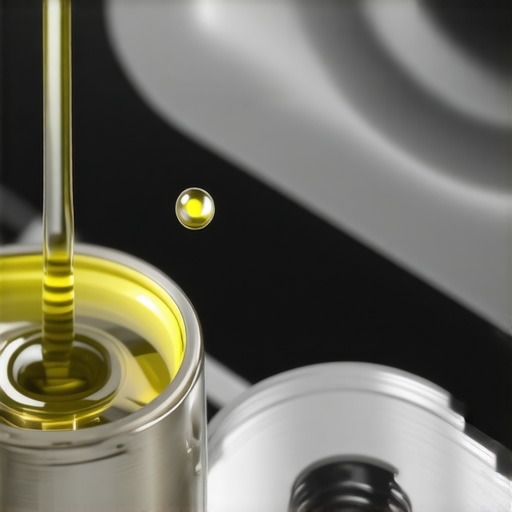
I remember the exact moment I realized high-mileage synthetic oil wasn’t always the miracle solution I’d believed it to be. It was a chilly morning, and as I checked under my car’s hood after an oil change, I noticed fresh drips pooling on the driveway. My stomach sank. For years, I had faithfully used synthetic oil, believing it would protect my aging engine and extend its life—only to discover it might be doing the opposite.
The Hidden Trap Behind High-Mileage Synthetic Oil
Like many car enthusiasts and everyday drivers, I bought into the hype that synthetic oils are always better, especially for high-mileage engines. But my experience taught me that there’s a fine line between caring for your engine and unintentionally causing it harm. The truth is, using high-mileage synthetic oil without understanding your engine’s condition can lead to unexpected problems—like leaks that weren’t there before.
Is Your Oil Change Doing More Harm Than Good?
Initially, I thought that switching to a high-mileage synthetic concoction would help stop leaks and improve performance. However, I later learned that certain formulations can swell and soften seals, especially if they’ve already started deteriorating. This might sound counterintuitive, but sealing issues can actually get worse when the oils interact poorly with aging components. A mistake I made early on was neglecting to check the condition of my valve cover and rear main seals before switching oils. You can learn more about how synthetic oil can gel and cause leaks here.
So, if you’re noticing oil spots under your vehicle after an oil change, don’t dismiss it as normal wear. It could be your high-mileage synthetic oil reacting negatively with your engine’s seals. The good news is, understanding the cause can help you prevent or fix these leaks before they turn into costly repairs.
Now, let’s dive into why high-mileage synthetic oil could be causing these issues and what practical steps you can take to keep your engine healthy without risking new leaks.
Perform a Seal Inspection
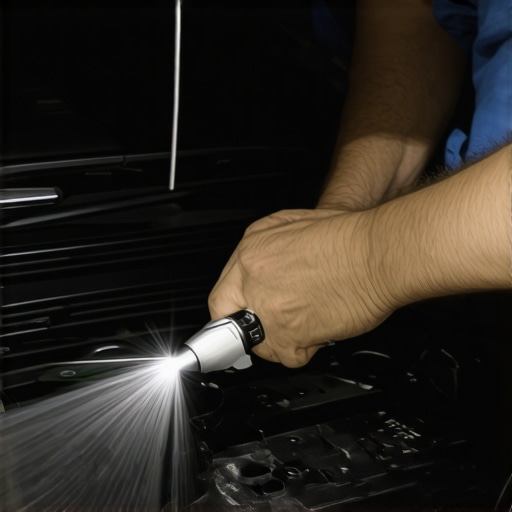
Start by visually inspecting your engine seals, especially around the valve cover and rear main seal. Use a flashlight to check for cracks, brittleness, or oil residue that indicates deterioration. During my last oil change, I noticed a small crack in the valve cover seal, which I replaced immediately to prevent leaks.
Choose the Right Oil Formulation
Use oil products formulated specifically for your engine’s age and condition. Avoid generic high-mileage synthetics if seals are already compromised. For instance, I switched to a product with seal conditioners after consulting my mechanic, reducing the risk of swelling and softening seals further. Learn more about oil formulations at this guide.
Change Oil with Precision
When changing oil, ensure you drain completely and replace the filter properly. Use the manufacturer’s recommended oil capacity and type. During my oil change, I double-checked the drain plug and filter placement to ensure no leaks afterward. This precise step prevents residual oil from seeping out later.
Check Engine Components Before Switching Oils
Inspect engine components such as PCV valves and seals. Worn parts can exacerbate leaks once the synthetic oil interacts with aging materials. I found my PCV valve was clogged, so I replaced it as part of the maintenance routine, thereby reducing pressure buildup that could cause leaks.
Monitor Oil Levels Post-Change
After the oil change, regularly check your oil level and look for signs of leaks under your vehicle. Early detection can save costly repairs. I set a reminder for my first week post-change and noticed a small drip—a sign I immediately addressed by tightening the drain plug and inspecting seals.
Utilize Diagnostic Resources if Issues Persist
If leaks continue, use diagnostic tools or professional services to identify seal or gasket failures. Tools can detect subtle pressure drops or leaks invisible to the naked eye. I previously used an OBD scanner to check for engine abnormalities that could relate to seal failure, saving time and preventing damage.
Many car owners believe that following the routine checklist for diagnostics, brake service, and oil changes is enough to keep their vehicles in top shape. However, the real challenge lies in understanding the nuanced complexities and common misconceptions that can trip up even experienced enthusiasts. Let’s dig deeper into some prevalent myths and advanced mistakes to avoid.
Why Relying Solely on scan tools Can Be Misleading
It’s a widespread belief that modern diagnostic tools, especially AI-powered scanners, can perfectly identify all engine issues. But in reality, even the most sophisticated AI scan tools miss critical GDI failures, because they often can’t interpret complex mechanical problems or sensor ghosting effectively. Relying solely on these tools might give you a false sense of security, leading to overlooked issues that could grow into costly repairs down the line.
For instance, a failing fuel injector or a subtle valve leak may not trigger a diagnostic code but can cause performance drops. This is where skilled manual inspection and understanding of vehicle behavior play a crucial role. It’s a mistake to assume that technology replaces thorough physical diagnostics; instead, they should complement each other.
The Oops Factor: Jumping into Repairs Without Proper Inspection
One common mistake is rushing into replacements—like fitting new brakes or changing the oil—without proper inspection of the underlying cause. For example, replacing brake pads because of noise without checking caliper performance or brake fluid condition can lead to recurring issues. Similarly, assuming an oil change is the fix for engine sluggishness without investigating sensor readings or potential combustion problems can be a costly misjudgment.
Always perform a detailed assessment before committing to repairs. This might include a visual check of brake components, pressure testing seals, or analyzing fuel trims. Skipping these steps is the trap many fall into, ending with repeated visits and escalating expenses.
Keeping Your Engine Alive: Advanced Mistakes to Watch For
Many drivers overlook the importance of understanding how ongoing driving habits affect diagnostics. Short trips and idling can lead to internal sludge buildup and sensor fouling, which many don’t realize can sabotage diagnostic accuracy and engine efficiency. According to studies, short trips are significant culprits in synthetic oil degradation and engine problems.
Additionally, neglecting to update or calibrate diagnostic tools after software updates or replacing sensors can distort readings. For instance, while using DIY fixes for lane drift or steering wander, missing calibration steps can cause misdiagnosis. The key is to stay informed about the latest technical bulletins and tools calibration processes, as savvy technicians do.
Understanding these nuances puts you ahead in vehicle maintenance, reducing unexpected breakdowns and prolonging your car’s lifespan. Remember, expertise isn’t just about following routines but about mastering the intricacies behind each component and diagnostic signal.
Have you ever fallen into this trap? Let me know in the comments, or check out our guides on brake calibration and oil change best practices. Mastering these advanced nuances will elevate your vehicle care from routine to expert level.
Mastering Vehicle Maintenance with the Right Tools
Maintaining your vehicle’s health over the long term demands more than just routine checks; it requires investing in specialized equipment and adopting precise methods. I personally rely on a combination of top-tier diagnostic tools and meticulous practices to ensure my car stays in optimal condition. For instance, I swear by the OBDLink MX+ scanner because it provides accurate, real-time data without the lag or dropouts common with cheaper models, especially when diagnosing complex issues like brake-by-wire lag or sensor ghosting.
Precision Diagnostics via Advanced Scanners
Today’s vehicle systems are increasingly intricate, especially with AI integration and smart sensors. This makes a dependable diagnostic scanner essential. I use the professional-grade OBD5 scanner that supports the latest communication protocols and provides comprehensive coverage for GDI failures. Its ability to diagnose subtle misfires or calibration issues without missing critical codes saves me hours of unnecessary troubleshooting. Remember, relying solely on generic scan tools can be misleading, so choosing a device with proven accuracy is crucial.
Calibrating Systems for Long-Term Reliability
Calibration isn’t a one-and-done task; it’s a vital procedure that sustains vehicle performance and safety. Tools like the brake-by-wire calibration kit enable me to perform quick, reliable adjustments myself, avoiding dealership visits and expenses. Regular calibration ensures systems like adaptive cruise control or lane assist function correctly, preventing issues before they escalate into costly repairs. Investing time in these calibrations consistently pays off by extending the lifespan of your vehicle’s critical components.
Adopting Long-Term Maintenance Strategies
Maintaining vehicle diagnostics is less about equipment and more about establishing a routine. I schedule biannual system checks, including seal inspections, software updates, and calibration verifications. Using tools like the advanced diagnostic software helps track patterns and preempt failures. As vehicle technology advances, I predict a growing trend toward integrated maintenance platforms that combine hardware and AI-driven analytics, simplifying long-term upkeep.
How do I keep my diagnostics effective over time?
Consistent updates for your diagnostic tools and understanding the latest vehicle tech are essential. For example, I make it a point to update my scanner’s firmware and review manufacturer bulletins regularly. This proactive approach ensures compatibility and accuracy, especially with emerging systems like regenerative braking or hybrid powertrains. To stay ahead, I recommend trying advanced calibration procedures and diagnostics techniques that many technicians overlook, such as quick system calibrations. These small but impactful steps will solidify your vehicle’s reliability and safety in the long run.
Over the years, I’ve learned that what we often consider foolproof solutions in vehicle maintenance can sometimes do more harm than good when misunderstood. My journey through troubleshooting leaks and engine issues revealed that synthetic oils, especially high-mileage formulas, aren’t always the magic fix they’re touted to be—and understanding this can transform your approach to auto care.
Lessons From the Trenches: The Truth About Synthetic Oil Swaps
One of my biggest lightbulb moments was realizing that switching to high-mileage synthetic oils without assessing seal health can exacerbate leaks instead of fixing them. It taught me to always inspect and consider the condition of engine seals before changing oils, a step many overlook. This insight is crucial because advancements in diagnostics have made it easier to catch subtle issues early, but they shouldn’t replace a good old-fashioned visual check.
Additionally, I discovered that relying solely on AI-based scan tools can be misleading. They are excellent for routine checks but may miss mechanical failures like valve leaks or seal deterioration. Mastering manual inspection techniques, combined with smart diagnostic tools, offers the most reliable way to keep your engine in top shape rather than risking overlooked problems that could lead to costly repairs.
Gear Up: My Must-Have Resources for Engine Maintenance
Over the years, I depend on a handful of tools and resources that have genuinely elevated my vehicle care routine. For diagnostics, nothing beats the professional-grade OBD5 scanner—it’s precise, supports latest protocols, and reduces guesswork. For calibration of complex systems like brake-by-wire, I trust the quick calibration kits, which save me time and money. Lastly, regular updates and sideline learning from trusted articles ensure my tools stay relevant and accurate.
If you want to deepen your understanding of preventative maintenance, I recommend reading comprehensive guides on seal inspections and system calibrations. These resources enable you to take control over your vehicle’s health and prevent issues before they escalate.
Your Next Step in Vehicle Mastery
Embarking on a proactive maintenance journey can be incredibly rewarding. The knowledge that you can diagnose and address common problems—like leaks caused by synthetic oil interactions or diagnostic discrepancies—is empowering. It’s not just about fixing issues but cultivating confidence in your vehicle care skills that lasts a lifetime.
What’s the one vehicle maintenance habit you’re planning to improve after reading this? Share your thoughts below and let’s learn from each other’s experiences!