

Ever been jolted by a massive pothole and then watched helplessly as your ABS warning light flickered on afterward? I remember that gut-wrenching feeling—like hitting a dead end during a routine drive. One moment you’re cruising along, and the next, your dashboard lights up like a Christmas tree, leaving you wondering what just happened.
Many drivers brush this off as a minor hiccup, but trust me, ignoring that warning can lead to bigger headaches down the line. That light isn’t just there for decoration; it’s a signal that something’s off in your braking system. Hitting potholes hard can jar your vehicle and disrupt sensitive ABS components, especially if your car’s age or suspension setup isn’t in the best shape.
**Why this matters now more than ever** is because modern vehicles rely heavily on their ABS systems for safety. When that warning light stays on, it might seem like a small glitch, but it could be a warning sign of a more serious issue brewing—like a malfunctioning sensor or a damaged control module. And don’t forget, a faulty ABS system can compromise your stopping power, especially during emergency braking.
Most folks don’t realize that hitting a pothole can actually damage parts like the wheel speed sensors or even jar loose the wiring involved in ABS functions. Early detection and repair can save you a lot of money and stress later on.
In fact, according to a study by the National Highway Traffic Safety Administration, approximately 22% of vehicle crashes involve brake system failures—many of which could be prevented with timely diagnostics (NHTSA). So, if you’ve ever felt that sinking feeling after a rough pothole encounter, you’re not alone, and there’s hope.
In this guide, I’ll share my personal experience with a stubborn ABS warning and walk you through practical steps on how to identify whether that flashing light is a quick fix or signals a more serious problem. If you’ve faced this issue or want to prevent it, keep reading—you’re about to learn how to get your brakes back in shape, safely and affordably.
Inspect Wheel Speed Sensors
Start by visually examining the wheel speed sensors, usually located near the wheel hubs. Look for signs of damage, dirt, or disconnection. I once faced a persistent ABS warning after a rough pothole encounter; after cleaning the sensors with a gentle brush and ensuring they were firmly plugged in, the warning light turned off—saving me a costly trip to the mechanic.
Check for Loose or Damaged Wiring
Next, follow the wiring harness from the sensors to the vehicle’s main wiring. Look for frayed wires, corrosion, or loose connectors. Think of it as tracing a water pipe—any crack or disconnection can cause the system to malfunction. I had to replace a damaged connector reconnected with dielectric grease, which improved signal integrity and cleared the warning.
Test the Sensors’ Resistance
If you have a multimeter, test the resistance of each sensor. Refer to your vehicle’s manual for the correct range. A sensor reading outside this range indicates a fault. I once borrowed a multimeter from a friend and found a sensor with an open circuit—replacing it restored proper ABS function.
Reset the ABS System
After repairs, use an OBD-II scanner to clear the error codes. This resets the system. Be cautious: if the warning persists after clearing codes, further diagnosis is needed. I once guessed a minor fix, cleared the codes, and drove away, only to see the light return—prompting a deeper inspection of the control module.
Consider Professional Diagnosis for Persistent Issues
If the warning continues despite cleaning and wiring checks, it’s time to consult a professional. They may perform detailed diagnostics using advanced tools. Remember, modern vehicles rely heavily on their ABS systems, and neglect can compromise safety—similar to how ignoring symptoms can lead to engine failure. For more insights into vehicle diagnostics, check out how to spot a fake OEM part to ensure all repairs are genuine and effective.
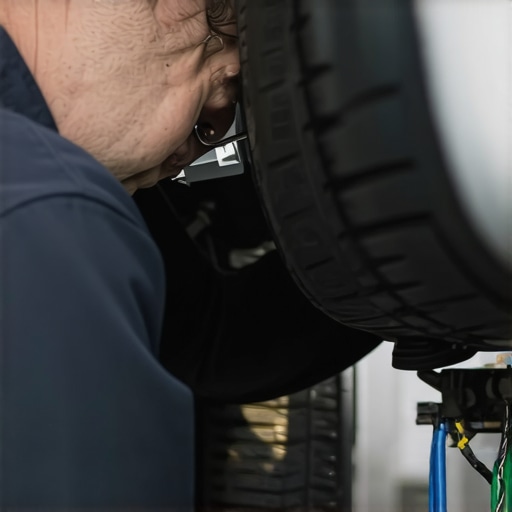 When it comes to vehicle maintenance, many drivers operate under misconceptions that can trap them into costly mistakes. A common myth is that simply replacing parts like brake pads or oil filters solves underlying issues. In reality, focusing solely on the obvious can mask deeper problems, such as hydraulic system leaks or sensor calibration errors, which require advanced diagnostics. For example, relying on basic visual inspections to assess brake system health overlooks subtle signs like uneven wear patterns caused by suspension misalignment—an issue often mistaken for normal wear. Advanced diagnostics, including computerized scanning and sensor testing, reveal these nuances, preventing unnecessary part replacements and ensuring safety. People also believe that using high-quality parts guarantees longevity, but if the overall system is neglected—such as neglected fluid changes or misaligned wheels—even the best components can fail prematurely. This highlights the importance of holistic maintenance routines over isolated repairs. One trap to avoid is assuming all issues are hardware failures; sometimes, software glitches or calibration errors in modern vehicles mimic mechanical problems, leading to wasted repairs. According to automotive expert Mark Richey, many drivers overlook the importance of analyzing error codes in context—separating false alarms from genuine faults. For example, a recurrent check engine light might seem minor, but in fact, it could indicate a failing sensor or a clogged transmission filter that needs attention. This is why investing in proper diagnostics and understanding vehicle complexities makes all the difference. Regularly inspecting systems like coolant pathways, transmission valves, and electrical connections reduces surprises on the road. Moreover, neglecting the calibration of safety-critical components—like lane assist sensors—can compromise vehicle stability. Always remember: advanced diagnostics are the key to revealing the invisible issues lurking beneath the surface, saving you money and enhancing safety. Want to dig deeper into common diagnostic errors? Check out this article on how to spot a fake OEM part or consider professional evaluations for persistent problems. Have you ever fallen into this trap? Let me know in the comments.
Keeping your vehicle in prime condition over the long haul requires more than just sporadic fixes; it demands a strategic approach to maintenance combined with the right tools. Personal experience has shown that investing in quality diagnostics equipment can save you time and money, especially when dealing with vehicle diagnostics or complex issues like brake system troubles or oil leaks. One tool I rely heavily on is an OBD-II scanner like the BlueDriver; it offers comprehensive code reading, live data streams, and advanced diagnostics, which are invaluable for pinpointing faults precisely. This tool isn’t just a luxury—it’s a necessity for anyone serious about self-maintenance, providing insights that go beyond generic error codes and helping prevent unnecessary part replacements.
Another crucial piece of equipment is a reliable multimeter. I prefer a digital multimeter from Fluke because of its durability and accuracy—especially when testing sensors or electrical wiring involved in systems like ABS or engine control modules. Regularly checking resistance values of sensors using a multimeter can catch issues early, preventing costly repairs down the line.
In addition to electronic tools, maintaining your vehicle’s fluids is vital. For instance, ensuring your engine oil remains within optimal levels and using the correct high-mileage oil filters—as discussed in this detailed guide—can significantly extend engine life. During oil changes, I also inspect the oil filter bypass valves for signs of clogging, which can lead to oil starvation under heavy loads. Regularly changing fluids like transmission or coolant, and knowing how to identify signs of contamination—such as milky coolant indicating potential head gasket issues (see this article)—are critical maintenance practices.
For brake systems, I recommend a trusted brake caliper piston tool, which simplifies the removal and installation process, saving you from damaging expensive components or risking improper reassembly. Also, keeping your tire pressure gauges calibrated ensures accurate readings on the road, extending tire life and improving safety. If you’re considering scaling your DIY maintenance, upgrading to a portable wheel aligner or suspension tester can profoundly enhance your ability to address alignment issues promptly.
Predictions for the future of vehicle maintenance point toward increased integration of advanced diagnostics software and AI-powered troubleshooting. As vehicles become more connected, tools that can interface with vehicle network systems remotely will become widespread, making maintenance more efficient and less invasive. The trend is heading toward smarter diagnostics that predict failures before symptoms even appear, saving drivers from unexpected breakdowns.
How do I maintain vehicle diagnostics over time? Establish a routine schedule for software updates on your diagnostic tools and calibration checks for all measuring devices. Regularly inspecting wiring and sensor connections, especially after hitting tough potholes or rough terrain, can also prevent system failures.
To get started, try using your multimeter to check resistance values of sensors periodically. Doing so helps catch anomalies early—like a sensor resistance drifting outside recommended ranges—so you can address issues proactively. Keep in mind, integrating these precise tools into your workflow isn’t just about fixing problems—it’s about establishing a preventive mindset that pays dividends in safety and cost savings over the vehicle’s lifespan.
The Hardest Lesson I Learned About Auto Repair and Vehicle Diagnostics
One of the most valuable lessons I discovered is that many issues, especially those involving brake systems and ABS warnings, are often hidden beneath the surface. Relying solely on quick fixes or superficial inspections can lead to costly repairs down the line. Deep diagnostics, patience, and attention to detail are crucial for true vehicle health.
How Overlooking Small Details Can Cost You Big
I realized that ignoring signs like slight resistance changes in sensors or minor wiring issues could turn into major system failures. Investing time initially into thorough inspections or using a quality diagnostic tools has saved me from headaches and expenses later.
What I Wish I Knew About Proper Maintenance Routines
It’s tempting to focus on replacing parts like brake pads or oil filters, but I’ve learned that regular fluid checks, sensor calibrations, and wiring inspections are equally important. For instance, maintaining the integrity of components like wheel speed sensors can prevent dangerous ABS failures. Holistic maintenance isn’t just about parts—it’s about system health.
The Power of Preventive Care Over Reactive Repairs
Prevention beats cure—always. Early detection of common issues, like a failing brake system problem or a minor sensor glitch, keeps your vehicle running smoothly and safely. Using diagnostic tools regularly helps catch these problems before they escalate, saving time and money.
Curated Resources for Going Beyond Basic Repairs
My essential toolkit includes a reliable OBD-II scanner like BlueDriver, a sturdy digital multimeter from Fluke, and quality brake caliper tools. These tools empower me to troubleshoot effectively, avoid unnecessary replacements, and confidently address issues. Additionally, diving into resources like the guide on transmission fluid maintenance ensures my vehicle remains in peak condition for miles to come.
You Can Take Control of Your Vehicle’s Fate
Maintaining a vehicle isn’t just about fixing problems—it’s about understanding its inner workings and anticipating what might go wrong. Every driver has the power to learn, diagnose, and take proactive steps. Embrace the tools and knowledge available; your safety and savings depend on it. Remember, the road to reliable driving begins with informed maintenance and a curious mind.
Have you ever caught a small issue early that saved you from a major repair? Share your story below and let’s learn from each other’s experiences!