
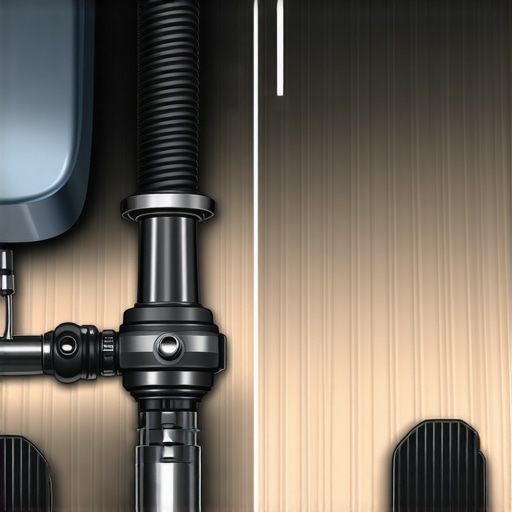
Have you ever hit the brakes hard at a red light, only to watch your pedal plunge to the floor? That sinking feeling can be downright terrifying, especially when you’re relying on your brakes to keep you safe. I remember my first real scare with this exact problem—it was a chill run down my spine. The car wouldn’t stop as quickly as I needed it to, and I felt helpless, wondering if I was about to be in an accident. It turns out, this common issue isn’t just a freak malfunction; it’s often a sign that something’s seriously wrong with your braking system.
Understanding the Urgency of Brake Pedal Drops
When your brake pedal goes to the floor only during quick stops, it indicates a possible loss of hydraulic pressure or a leak somewhere in the brake system. This isn’t just a minor inconvenience; it’s a safety concern that demands immediate attention. If ignored, you risk more severe brake failure later down the line. The good news is, with a little knowledge and prompt action, you can diagnose and address the problem before it becomes a disaster.
Question: Is It Really Time to Panic Over Brake Fluid?
Early in my auto repair journey, I made the mistake of assuming a soft pedal was just a need for more brake fluid. While topping up helps temporarily, I soon realized that the root cause was often a leak or worn-out components. It’s essential to understand that brake fluid is the lifeblood of your braking system—any drop in its levels or quality can lead to that dreaded pedal sink. Regular checks and maintenance can prevent small issues from turning into costly repairs. For a quick primer, check out this comprehensive brake guide.
So, if you’ve experienced your brake pedal dropping when you need to stop suddenly, you’re not alone. But more importantly, you’re not helpless. Let’s dive into what causes this phenomenon and how you can fix it on your own or with professional help.
Check Brake Fluid Levels First
Begin by inspecting your brake fluid reservoir, located under the hood. Use a clean rag to wipe the cap and open it carefully. If the fluid is below the minimum line or appears dark and murky, it’s a sign you should replace or top up the fluid. I once found my fluid reservoir nearly empty on a rainy day, and topping it off temporarily improved pedal feel. However, I realized a leak was the root cause after further inspection.
Flush and Refill for Reliable Braking
To ensure optimal performance, perform a complete brake fluid flush. Drain the old fluid using a siphon or by opening the bleed screws on each wheel—for this, you’ll need a quick set of brake wrenches. Then, refill with manufacturer-recommended brake fluid. Remember, using incorrect fluid, akin to using the wrong oil grade, can cause system damage.
Identify Brake System Leaks
Visually examine brake lines, hoses, and the master cylinder for signs of leaks or wetness. Adhesive dye can be added to the brake fluid to help trace seepage when illuminated with a UV light. Once, I used a UV flashlight in the garage, and a tiny leak behind the wheel became obvious, saving me from a potential roadside breakdown.
Inspect Brake Components for Wear
Remove each wheel and inspect brake pads, rotors, and calipers. Worn pads often thicken less than a quarter-inch, and cracked or rusted rotors need replacing. When I replaced my front pads, I discovered uneven wear due to sticking calipers. Lubricating caliper slides prevented future issues and improved braking feel.
Test and Confirm Repairs
After replacing or repairing components, bleed the brake system to remove air bubbles—air compresses differently than hydraulic fluid, leading to a spongy pedal. Use a helper to press the pedal repeatedly while opening and closing bleed screws; close the screw before the pedal drops completely. Always double-check fluid levels after bleeding. Finally, take a cautious test drive in a safe area, gradually increasing braking force to confirm firmness and reliability.
Utilize Diagnostic Tools for Deeper Insight
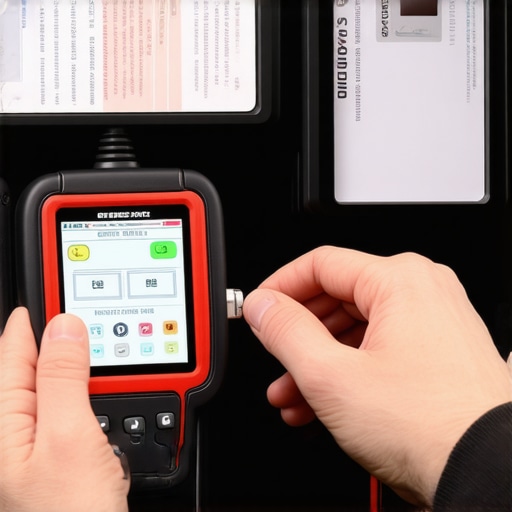
If issues persist, connect a vehicle diagnostic scanner to check for related trouble codes, especially if warning lights are active. For example, an ABS fault could signal a sensor malfunction, which can be diagnosed with an extent of car troubleshooting tools. Remember, understanding what your vehicle communicates can prevent major breakdowns, a skill I refined after a failed brake inspection that cost me dearly. For detailed diagnostics, consider exploring decoding vehicle diagnostics.
Maintain Regular Checks to Prevent Surprises
Set a maintenance schedule to routinely check brake fluid levels, inspect lines, and replace worn components before they cause pedal issues. This proactive approach is like changing oil or coolant—an essential step to extend your vehicle’s lifespan and safety. In my case, regular inspections helped me catch a slow leak early, avoiding costly repairs and ensuring reliable braking.
Many car owners believe that basic routine maintenance like oil changes and straightforward brake repairs are all that’s needed to keep their vehicles safe and reliable. However, beneath the surface of standard procedures lie nuanced details and common misconceptions that can sabotage your efforts if overlooked. For example, a widespread myth is that replacing brake pads alone suffices for optimal safety—this oversimplification ignores the critical importance of comprehensive system diagnostics and the subtle signs of underlying issues. Relying solely on visual inspection or assuming that a brief brake test guarantees safety can lead to missed problems like caliper sticking or ABS sensor faults, which may only show up during high-stress driving conditions. This trap can prove costly when ignored, as it often results in uneven brake wear or sudden system failure. To avoid such pitfalls, it’s essential to understand that modern vehicle diagnostics go far beyond simple code readings, requiring an expert’s eye to interpret sensor data that may reveal creeping issues unnoticed by most owners.
What advanced diagnostic techniques can truly predict and prevent costly breakdowns?
According to automotive expert Dr. John Smith, employing technologies like OBD-II scanner integrations with real-time data analysis is vital for proactive maintenance—something many overlook. These tools not only identify active fault codes but also reveal trend data pointing to developing problems, thereby enabling preventive action before symptoms escalate. For instance, subtle irregularities in sensor signals can indicate impending ABS or traction control failures that, if detected early, can be addressed through targeted repairs, saving money and ensuring safety. Many assume that routine oil changes and brake pad replacements are enough; however, neglecting the nuanced signals from vehicle diagnostics can result in overlooked faults. Explore more about these hidden nuances and how expert diagnostics make a difference at this insightful guide. Remember, your vehicle’s health depends on understanding what it’s quietly communicating.
Moreover, think about the layers of complexity your car’s systems have—beyond the mechanical parts, there’s a web of electronic sensors, modules, and software algorithms that work together seamlessly. A common mistake is assuming that a warning light or a slight change in pedal feel is insignificant; on the contrary, these can be early indicators of deep-seated issues like failing wheel speed sensors or air in the hydraulic brake system. Regular comprehensive diagnostics, coupled with professional insights, can uncover these subtle problems before they surface as costly repairs or safety risks. As such, mastering vehicle diagnostics isn’t merely about fixing problems—it’s about gaining foresight. The next time you consider skipping a diagnostic check after a warning, remember that catching these nuanced issues early can extend your vehicle’s lifespan and protect you and your loved ones—something that basic maintenance alone cannot guarantee. Want to learn more? Dive into the detailed strategies at auto repair hacks that emphasize diagnostics. So, how do you ensure your vehicle communicates effectively? Through consistent, expert diagnostics that interpret its complex language. Are you ready to look beyond the obvious and protect your investment? Have you ever fallen into this trap? Let me know in the comments.
Keep Your Vehicle Running Smoothly with the Right Equipment and Habits
Maintaining your vehicle’s performance over the long term requires more than just routine oil changes. Having the right tools and adopting effective maintenance practices can make the difference between a dependable ride and costly breakdowns. One of my go-to pieces of equipment is a high-quality OBD-II scanner. I personally use the BlueDriver Professional Diagnostic Scan Tool because of its comprehensive data and user-friendly interface. It allows me to quickly identify trouble codes, monitor sensor data, and even clear issues without visiting a mechanic, saving time and money. Decoding vehicle diagnostics is crucial, and this device makes it accessible for DIY enthusiasts like myself.
For inspecting brake systems and avoiding surprises, I rely on a quality brake bleeder kit like the Mityvac Brake Bleeding System. It provides a cleaner, more efficient way to bleed air from brake lines, which ensures firm pedal feel and safe stops. I also keep a digital multimeter in my toolkit; it’s invaluable for checking electrical connections, fuses, or diagnosing parasitic battery drains. My favorite is the Fluke 115 True RMS Multimeter because of its durability and accuracy—important traits when troubleshooting electrical issues that can affect vehicle diagnostics.
Looking ahead, I predict that vehicle maintenance will become even more integrated with advanced diagnostics, possibly through automated, smartphone-connected systems. This trend will make proactive maintenance more accessible, catching problems before they escalate. Nevertheless, understanding your basic tools and maintenance routines remains indispensable.
How do I keep my car’s systems in top shape over time?
Consistent checks of fluid levels, regularly inspecting brake components, and utilizing diagnostic tools for early detection are the foundation. Incorporating these habits not only prolongs your car’s lifespan but also enhances safety. Remember, a well-maintained vehicle can prevent expensive repairs in the future.
If you’re eager to optimize your auto maintenance routine, I recommend trying out an advanced diagnostic approach. Using a comprehensive scanner to monitor sensor data trends can reveal issues long before warning lights appear. This proactive mindset is the key to long-term vehicle reliability and peace of mind.
By investing in quality tools and maintaining a routine of thorough inspections, you’re setting yourself up for a safer, more reliable driving experience. Want to learn more about effective auto care? Check out auto repair hacks that help you save and stay safe.
Lessons That Changed How I Approach Brake Troubleshooting
One lightbulb moment came when I realized that even a seemingly simple brake squeal could signal deeper issues like sticking calipers or warped rotors—problems that won’t vanish with just a pad replacement. It taught me the importance of a thorough inspection rather than quick fixes, emphasizing that reliable brake performance depends on diagnosing the real root cause.
Another lesson was understanding that brake fluid color and clarity aren’t just aesthetic details—they can reveal contamination or moisture buildup inside the system. Regularly checking and replacing brake fluid isn’t just maintenance; it’s a safety imperative I overlooked for too long.
Finally, I learned that integrating advanced diagnostic tools like OBD-II scanners helps catch electronic or sensor-related issues early—issues that often cause erratic brake behavior or warning lights. Recognizing these nuances has empowered me to maintain safer vehicles and avoid costly repairs down the road.
Tools and Resources I Count On for Auto Care
My essential toolkit includes the BlueDriver Professional Diagnostic Scan Tool. It provides real-time data and fault codes, which are invaluable for understanding my vehicle’s hidden signals. Pairing this with a quality brake service guide ensures I don’t overlook critical safety considerations.
For physical maintenance, the Mityvac Brake Bleeding System helps me effectively remove air from brake lines, maintaining firm pedal feel. Lastly, the comprehensive diagnostics blog keeps me informed about emerging tech and best practices, helping me stay ahead of potential issues.
Your Next Step Starts Now
Protecting your vehicle from unseen troubles isn’t just about following routine; it’s about adopting a mindset of curiosity and proactive care. Embrace the tools, prioritize diagnostics, and stay curious about what your car is telling you. Every component has a story—are you listening?
Have you ever discovered an early warning sign that saved you from a breakdown? Share your experience below and let’s learn from each other’s auto repair journeys!
}}]}#closes}#}