

Have you ever caught your breath in the middle of a drive because suddenly, the brake warning light flickered on as you hit the accelerator? I remember the first time it happened to me—jolted by the unexpected flash of that alert just when I thought my car was cruising smoothly. It was a lightbulb moment that made me realize: some warning signs aren’t straightforward. They can be subtle, like a nagging whisper, only becoming noticeable under specific circumstances.
Deciphering the Mystery Behind That Flare-Up
So, why does this happen? Why does your brake warning light behave so oddly—igniting during acceleration instead of stay steady or turn off? Well, I found out through a mix of personal trial, some research, and a fair bit of roadside anxiety. Essentially, it’s often linked to issues in the brake system, such as low brake fluid, worn-out sensors, or even electrical glitches that trigger only under certain engine loads or vibrations.
What really caught my attention is that early on I made the mistake of ignoring the warning when it only appeared during acceleration. Turns out, ignoring these signals can lead to more serious problems, like brake failure or costly repairs. Don’t fall into that trap. Instead, I’ll guide you through understanding the root causes and simple steps to diagnose and fix the problem—you may save yourself a lot of money and stress.
Is the Brake Warning Light Only a Small Glitch or a Big Deal?
Many drivers dismiss the warning as a minor sensor hiccup—I’ve been guilty of that myself. However, this attitude can be dangerous because it masks underlying issues that could compromise your safety. For instance, low brake fluid levels or a malfunctioning sensor might only show symptoms during acceleration, which involves higher system pressures and vibrations. Recognizing this early can prevent nasty surprises on the road. If you’re curious about how modern diagnostics can help avoid such pitfalls, check out the detailed insights at advanced vehicle diagnostics.
Now, let’s delve into why this happens and what steps you can take to resolve it before your next drive turns into a repair nightmare. Ready to understand what’s going on under the hood? It’s easier than you might think—let’s get started!
Start with a Visual Inspection of Brake Fluid and Sensors
Before diving into complex diagnostics, check your brake fluid level—think of it as juice in a battery: low levels trigger warning lights. Open your hood and locate the brake fluid reservoir; if it’s below the minimum line, top it off with the recommended type. Also, look for any leaks or contamination around the reservoir and lines. Examine the brake fluid sensor for corrosion or damage—sometimes a simple cleaning fixes the issue. I once encountered a case where a quick wipe of the sensor contacts resolved a flickering warning, saving me a costly sensor replacement.
Ascertain the Brake System Is Functioning Properly
Next, test the brake system itself. Carefully apply firm pressure to the brake pedal—if it feels spongy or sinks, you might have air in the lines or a low fluid level. And, with the engine running, gently observe if the warning light extinguishes after pressing the brakes. If it persists, the issue isn’t just fluid or sensors. This step is akin to checking the batteries in a smoke alarm: quick and easy, but crucial. Remember, consistent braking performance without unusual noises or sensations indicates the system is in good shape.
Scan for Diagnostic Trouble Codes (DTCs)
Now, move on to using an OBD-II scanner—consider it your car’s equivalent of a doctor’s stethoscope. Connect the scanner to the vehicle’s diagnostic port, usually under the dashboard, and retrieve any stored codes. These codes pinpoint the root cause—be it a malfunctioning brake sensor, ABS issue, or electrical glitch. When I first did this, I was surprised to find a stored code for a faulty ABS wheel speed sensor, which confirmed that sensor cleaning or replacement was necessary. For detailed guidance on interpreting codes, visit decoding vehicle diagnostics.
Inspect Wiring and Connectors
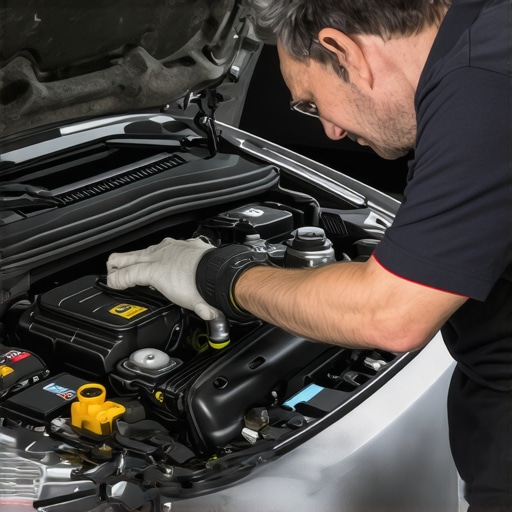
Electrical issues often cause inconsistent warning signals. Visually trace wiring harnesses connected to the brake sensors and ABS modules. Look for frayed wires, corrosion, or loose connectors. In my experience, cleaning corrosion from connectors with electrical contact cleaner restored proper signals. Tightening or reseating connectors can resolve intermittent lights without replacing parts, much like reconnecting a loose plug powers up your device again.
Test the Sensors Using a Multimeter
If codes point to sensor faults, test their resistance with a multimeter—think of it as a stethoscope for electronics. Remove the sensor from the wheel hub and consult your vehicle’s service manual for the correct resistance range. Measure and compare readings; out-of-range values indicate a faulty sensor needing replacement. During a personal project, testing and replacing a worn sensor eliminated false warning lights, preventing an unnecessary brake service. For more on diagnostics, visit decoding vehicle diagnostics.
Perform a Road Test to Confirm Repairs
Finally, after addressing potential issues, take your vehicle for a controlled test drive. Acceleration and braking should proceed smoothly, and the warning light should stay off. If it persists, revisit previous steps or consult a professional. Remember, diagnosing warning lights is like solving a mystery—you gather clues step by step to uncover the culprit. Applying these practical techniques will help you navigate common warning light quirks with confidence, just as I learned during my own troubleshooting adventures.
Many drivers operate under misconceptions that can lead to costly mistakes. One prevalent myth is that all brake pads need replacement at the same time; however, some parts might be salvageable with proper attention, saving you money. Another false belief is that vehicle diagnostics require expensive equipment, but understanding basics and recognizing symptoms can often prevent unnecessary repairs. Should you ignore a warning light, it’s tempting to dismiss it as a minor glitch, but early action can prevent serious issues—the mistake many make is underestimating these signals. Advanced diagnostics, like those discussed at how diagnostics prevent breakdowns, demonstrate how proactive detection saves time and money.
A common trap is the assumption that an oil change isn’t critical unless the engine runs poorly. In reality, neglecting regular oil changes can cause engine wear and reduce efficiency, as highlighted in oil change innovations. Advanced auto care isn’t just about fixes but preventive strategies. During routine maintenance, many overlook the significance of checking wiring and sensors, which are pivotal for reliable diagnostics. Understanding these nuances can help you avoid unexpected breakdowns and extend your vehicle’s lifespan.
What most people get wrong is underestimating the importance of regular, knowledgeable inspections versus reactive repairs. Recognizing that early diagnosis and understanding the intricacies behind vehicle components—like sensors, wiring, or fluid levels—are crucial steps. For instance, just replacing brake pads without inspecting underlying issues might only be a temporary fix, as detailed at brake service myths busted. Going beyond surface fixes and understanding the underlying mechanics empowers you to make better decisions.
Ever fallen into the trap of ignoring subtle signs, only to face costly repairs later? Let me know in the comments! Proper knowledge transforms auto maintenance from guesswork into a manageable skill, saving both money and stress.
Investing in the Right Equipment Keeps Your Car Running Smoothly
When it comes to maintaining your vehicle, having reliable tools is essential. I personally swear by a high-quality digital multimeter to accurately test sensors and electrical connections. Unlike basic analog meters, my digital multimeter provides precise resistance, voltage, and current readings, making diagnostic processes faster and more confident. Additionally, an OBD-II scanner is indispensable—I use one that supports live data streaming and code clearing, helping me pinpoint issues without guesswork. For example, I can monitor real-time brake sensor signals, which is invaluable when diagnosing intermittent warning lights.
Another must-have is a brake caliper piston piston tool. This keeps your brake components in top shape during service, ensuring safety and longevity. Beyond physical tools, I rely on specialized software like VCDS for VW/Audi vehicles, which integrates seamlessly with my laptop, giving me deeper insights into vehicle health and sensor data. These tools together form a comprehensive maintenance kit, empowering me to perform precise diagnostics and repairs independently.
Routine Maintenance Is the Key to Long-Term Results
Establishing a regular maintenance schedule helps prevent unexpected breakdowns. For instance, routinely checking and replacing engine oil with modern synthetic formulations, supported by the latest oil change technologies, reduces engine wear. Combine this with sensor inspections and fluid top-offs, and you create a proactive approach that extends your vehicle’s lifespan. Remember, consistent maintenance not only saves money but also keeps your car performing at its best for years to come.
Scaling Up Your DIY Skills for Greater Confidence
If you’re looking to improve your auto care routine, start with mastering basic diagnostics using an OBD-II scanner. Over time, you can expand to more advanced techniques like testing sensors with a multimeter or replacing wear parts. Planning to maintain your vehicle over its lifetime involves understanding the evolution of tools and methods, and I’m excited to see how emerging technologies, such as cordless diagnostic devices, will make maintenance even more accessible. Some professionals predict that as portable diagnostic tools become more sophisticated, DIYers and enthusiasts will increasingly handle complex repairs, reducing reliance on shops.
How do I keep my vehicle working well without breaking the bank?
One reliable strategy is to leverage advanced diagnostics to catch issues early. For example, using an OBD-II scanner not only helps identify existing problems but also predicts potential failures—saving money and time. Implementing routine fluid checks and sensor inspections based on the manufacturer’s guidelines ensures your car remains in top shape. If you’re eager to embrace DIY auto maintenance, try calibrating your sensors with a multimeter as a starting point; it can often reveal hidden faults before they escalate. Remember, proactive care is your best shield against costly repairs and downtime. For more in-depth maintenance strategies, check out essential auto repair strategies for frequent drivers.
Throughout my years of maintaining my vehicle, I’ve learned that those tiny warning lights are more than mere distractions—they’re messengers carrying critical information. Ignoring them can lead to costly repairs or safety hazards, but with the right approach, understanding these signals transforms car care from a daunting task into a rewarding skill.
The Secret Lessons Hidden Behind Warning Lights
- Early on, I underestimated the subtlety of warning signs, thinking they were just glitches. The real lesson? Persistence in diagnosis reveals the true health of your vehicle—skipping early signs often costs more later.
- Personal experience taught me that a flickering brake warning during acceleration can signal sensor faults or fluid issues. Recognizing these patterns saved me from roadside breakdowns and unexpected expenses.
- One standout discovery was how electrical wiring corrosion can masquerade as sensor failures. Regular inspections of wiring connections are crucial—a detail I used to overlook but now consider essential.
- Investing in quality diagnostic tools, such as an OBD-II scanner and multimeter, empowers me to troubleshoot confidently. Personal reliance on these devices has significantly reduced my trips to the mechanic, saving time and money.
- Understanding that warning lights often arise under specific conditions—like vibrations or engine loads—has deepened my appreciation for attentive driving and routine maintenance. It’s a reminder: your car communicates if you listen carefully.
Tools and Resources That Changed My Approach
- OBD-II Scanner with Live Data Support: I trust this tool because it provides real-time insights into vehicle behavior, helping me catch issues early. My favorite is support for comprehensive code interpretation, making troubleshooting straightforward.
- Quality Multimeter: Precise resistance and voltage readings enable me to diagnose sensors accurately. It’s a small investment that pays off by preventing unnecessary replacements.
- Vehicle Maintenance Guides from RepairMyCarPro: Their detailed manuals and diagnostic tips bolster my confidence. They’re my go-to for understanding complex systems without feeling overwhelmed.
- Reliable Wiring and Connector Kits: Keeping my tools stocked with these has helped me fix electrical issues quickly, particularly corrosion on sensor connections—a sneaky culprit behind intermittent warning lights.
Believe in Your Power to Maintain Your Ride
Every time I address a warning light with a bit of knowledge and patience, I feel more connected to my vehicle and more in control. Your car’s alerts are a call to action and understanding them is a gift you give your safety and wallet. Start small, learn the basics, and gradually build your diagnostic skills—each fix brings a new sense of achievement.
Have you ever caught a warning light early and successfully resolved the issue yourself? Share your story below—your experience might inspire someone else to take charge of their auto care journey.