
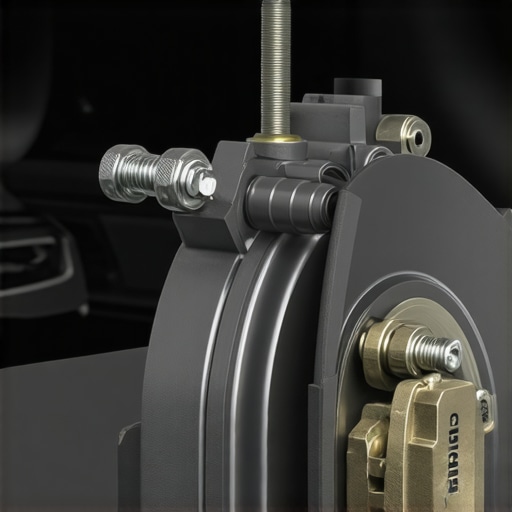
I remember the first time I tackled a brake bleeding job, expecting a quick fix. But after pumping the pedal, it still felt soft, almost like pressing a sponge rather than a solid surface. That lightbulb moment hit me hard—despite following all the typical steps, the problem persisted. It was frustrating, and honestly, a bit worrying, because I knew that a spongy brake pedal isn’t just an annoyance; it’s a safety concern.
Don’t Let Brake Feelings Fool You: Why Bleeding Isn’t Always Enough
Sometimes, even after carefully bleeding the brake lines, the pedal still feels soft. Why does that happen? Well, let’s be real—brakes are complex, and issues can lurk beneath the surface. Your vehicle’s brake system relies on perfectly sealed, free-flowing hydraulic fluid. If any part of that system isn’t performing optimally, bleeding alone won’t solve the problem. I’ve been there; rushed through a bleed, only to realize I missed a crucial step or overlooked a subtle leak.
Skeptical About Other Causes? Think Twice
One mistake I made early on was assuming that air was the primary villain. But it turns out, your brake master cylinder, calipers, or even rubber hoses could be the real culprits. These components can develop internal leaks or fail to maintain pressure, leading to that undesirable sponginess. Did you know that a faulty master cylinder can cause brake pedals to feel soft even after diligent bleeding? According to automotive experts, sometimes the issue isn’t air at all but internal seal wear. So, don’t just stop at bleeding; it’s essential to inspect the entire hydraulic system.
If you’ve been battling a soft brake pedal despite following the standard bleeding procedure, you’re not alone. Many drivers face this dilemma—sometimes spending hundreds at the shop without resolving the core issue. But I’ve learned from personal experience and troubleshooting countless vehicles that knowing the underlying causes makes all the difference. For a deeper dive into brake system essentials, check out this comprehensive brake guide.
In the sections ahead, I’ll walk you through actionable steps to diagnose and fix this tricky problem. Because a safe, firm brake pedal isn’t just a dream—it’s something you can achieve with the right knowledge and tools. So, if you’ve ever wondered why your brakes still feel spongy after bleeding, stick around. We’re about to turn that frustration into confidence.
Inspect the Hydraulic System Meticulously
Begin with a comprehensive visual inspection of all brake components, including calipers, hoses, and the master cylinder, for leaks, cracks, or damage. I spent an afternoon examining my vehicle and noticed a small fluid accumulation near the driver-side caliper, hinting at a potential internal leak. This step helps identify hidden issues that bleeding alone can’t resolve. Be thorough—don’t overlook the least obvious sign, as it might be the root cause of your spongy pedal.
Test Brake Fluid Quality and Level
Low or contaminated brake fluid can cause softness. Use a clean, transparent container to check the fluid’s color—if it’s dark or gritty, it’s time for a change. I replaced mine with fresh, high-quality brake fluid, following the guidelines in this brake service guide. Proper fluid maintenance ensures consistent pressure transmission and prevents seal deterioration, which often mimics air intrusion.
Carry Out Bleeding Correctly and Efficiently
Use the correct bleeding method—either manual, vacuum, or pressure bleeding—based on your vehicle’s configuration. During my first attempt, I used a simple vacuum pump, which significantly sped up the process. Pump the brake pedal firmly, then open the bleeder valve at each wheel, starting from the furthest point from the master cylinder. Close the valve before releasing the pedal to prevent air from re-entering. Repeat until the fluid runs clear and free of bubbles. Remember, a steady, methodical approach guarantees truer results, unlike my initial rush that led to further frustration.
Reassess Master Cylinder Functionality
If bleeding doesn’t solve the issue, the master cylinder might be internal leaking or failing. Test its performance by pressing the pedal and holding pressure; if it sinks slowly or feels inconsistent, replacement is needed. I once replaced mine following detailed instructions from this diagnostic resource, which helped me confirm the internal leak without guesswork. A faulty master cylinder can create pressure loss, leading to a soft pedal despite proper bleeding.
Examine Brake Components for Internal Wear
Inspect calipers, wheel cylinders, and rubber hoses for internal wear or deterioration—these parts can develop internal leaks that are invisible externally. I had to disassemble a caliper after noticing uneven braking and found the rubber piston seal was cracked, causing fluid bypass. Replacing worn seals or entire calipers often restores proper pressure sealing, making bleeding effective again. Use a flashlight and magnifying glass to detect silent leaks that cause pedal softness.
Test for Vacuum and Air Intrusion
Use a handheld vacuum pump to check for vacuum leaks in the brake booster line, which can cause a spongy pedal. I tested my vehicle’s booster using this method and found a small vacuum leak in the hose connection. Fixing or replacing the damaged hose restored pedal firmness. Also, double-check the entire brake system for any residual air by performing a repeat bleed, especially after component replacements or repairs. Incorporate advanced diagnostics techniques if the problem persists.
Summary of Core Actions
In essence, resolving a soft brake pedal demands a systematic approach: inspecting components for leaks and wear, maintaining quality brake fluid, executing precise bleeding, and testing critical system parts like the master cylinder. My experience underscores that patience and thoroughness beat quick fixes, saving you time and potential safety hazards. If issues continue, consider consulting detailed guides on brake service myths to understand what truly impacts your vehicle’s braking performance.
Many vehicle owners operate under a set of common beliefs about oil changes, auto repairs, brake servicing, and diagnostics. However, these assumptions often oversimplify complex systems or overlook critical nuances that can impact your vehicle’s longevity and safety. Let’s dig deeper into some of these misconceptions and explore what truly matters behind the scenes.
Myth: More Frequent Oil Changes Always Equal Better Engine Health
Contrary to the popular 3,000-mile rule, modern synthetic oils and advanced engine technologies have extended oil change intervals significantly. Manufacturers now recommend intervals of 7,500 to 10,000 miles or even longer, provided you adhere to proper maintenance schedules. Overchanging oil isn’t just unnecessary—it’s a waste of money and resources. For a comprehensive understanding, check out this article on oil change innovations.
Don’t Fall For the ‘Fix It Now’ Trap
Many drivers avoid diagnosis and opt for quick fixes, which often mask underlying issues. For instance, replacing brake pads without inspecting rotors or calipers can lead to uneven wear and future damage. In diagnostics, rushing to replace parts without proper testing can cause you to overlook root causes. Advanced diagnostics tools can reveal hidden problems, preventing costly repairs down the line. Learn more about effective diagnostic strategies by visiting this guide on vehicle diagnostics.
Why Brake Service Isn’t Just About Pads
Many consider brake pads as the only component to replace when experiencing brake issues. However, ignoring the hidden nuances—like caliper function, rotor condition, or brake fluid integrity—can lead to compromised safety and increased costs. For example, a warped rotor can cause vibrations even after pad replacement. Dive into this brake service myth busting article to understand what truly needs attention during brake repairs.
Advanced Repairs Can Save You Money
It’s tempting to opt for quick, cheap fixes, but they often lead to recurring problems. Skilled mechanics using the right diagnostic tools can identify issues like internal leaks in calipers or subtle vacuum leaks affecting engine performance. For instance, hidden vacuum leaks can cause rough idling or poor acceleration, often misdiagnosed as sensor failure. Familiarize yourself with the importance of advanced diagnostics by reading this article on diagnostics.
Have you ever fallen into this trap? Let me know in the comments.
Keeping It Working: Essential Tools for Auto Enthusiasts
Maintaining your vehicle over the years demands the right equipment and a methodical approach. I personally swear by a high-quality digital multimeter for diagnosing electrical issues—it’s precise, easy to use, and indispensable when tracking down tricky problems like faulty sensors or parasitic drains. For fluid analysis, a hydrometer is a simple yet effective tool to assess coolant quality, ensuring that corrosion or combustion leaks don’t silently compromise your engine’s performance.
When it comes to DIY repairs, my torque wrench is a non-negotiable. Accurate tightening prevents damage to components like brake calipers or suspension mounts, which could otherwise lead to costly repairs later. I prefer a digital torque wrench with preset values—it offers consistency and peace of mind during critical tasks. For brake services, a bleeding kit with a vacuum pump speeds things up and replaces the inconsistent pedal feel often caused by trapped air.
Modern diagnostics are game-changers. I recommend investing in an advanced OBD-II scanner that supports live data streaming and code clearing. It’s worth noting that some models integrate mobile apps, enabling real-time monitoring and creating a detailed history of issues, which can be invaluable for long-term maintenance planning.
Tools That Save Time and Money Now and Later
My coil spring compressor has saved me from shattering my hands during suspension work—buying a quality tool with a secure grip and clear instructions is well worth the investment. For routine oil changes, I use a fluid extractor that eliminates drips and messes, making the process cleaner and faster. This approach not only encourages regular oil refreshes but also ensures you don’t skip vital intervals that keep your engine running smoothly.
Looking ahead, I see a growing trend toward integrated diagnostic systems that combine sensors, AI, and cloud connectivity. These advances will allow your vehicle to alert you proactively about maintenance needs, from fluid levels to component wear, before problems become serious. Staying ahead of such trends means investing in adaptable tools now that can evolve with your vehicle’s technology.
How do I keep my vehicle in top shape over time?
Regular inspections paired with precise tools are your best allies. Schedule routine checks on vital components like brakes, suspension, and fluids—don’t wait until you notice a problem. Use diagnostic tools periodically to verify everything is functioning within parameters, especially if you modify or upgrade parts. Remember, a clean, well-maintained vehicle isn’t just safer; it also saves money in the long run and extends your car’s lifespan.
For an insider tip, try using an automotive inspection mirror during hard-to-see areas. It’s surprisingly effective for spotting leaks or corrosion behind engine components, which often go unnoticed but can cause big issues down the line.
Implement these tools and strategies today, and your vehicle will thank you in miles of smooth, trouble-free driving.
The Inside Scoop: Lessons I Wish I Knew Sooner
One of the most impactful lessons I learned was that a soft brake pedal isn’t always solved by bleeding alone. I once spent hours bleeding the lines, only to realize that internal leaks within calipers or a failing master cylinder were behind the issue. That moment taught me the importance of inspecting each component thoroughly before jumping to conclusions.
Another lightbulb moment was understanding how rubber hoses can develop internal deterioration, creating pressure losses that mimic air in the system. Replacing these seemingly minor parts often made a significant difference in pedal firmness—something I overlooked early in my repair journey.
The third tip I wish I had embraced earlier is the value of high-quality diagnostic tools. They’ve saved me countless hours and prevented unnecessary part replacements, guiding me straight to the root cause instead of chasing shadows around the system.
Tools and Resources I Trust for Brake Mastery
I rely heavily on a good OBD-II scanner that supports live data streaming. It helps me spot pressure drops or system faults in real-time, turning complex problems into manageable projects. A quality bleeding kit with a vacuum pump is also a must-have; it ensures the process is fast and effective, saving time and frustration. For component inspections, a magnetic inspection mirror allows me to see behind inaccessible areas, catching potential issues early.
Take Control of Your Brake System Today
Remember, the key to safe driving is understanding your vehicle’s subtle signals. Don’t wait for a warning light—regular inspections and proper diagnostics keep your brakes reliable and your journey smooth. Investing time in learning and using the right tools empowers you to troubleshoot effectively and avoid costly repairs down the line. Your vehicle depends on you—take charge now and enjoy every mile confidently.