
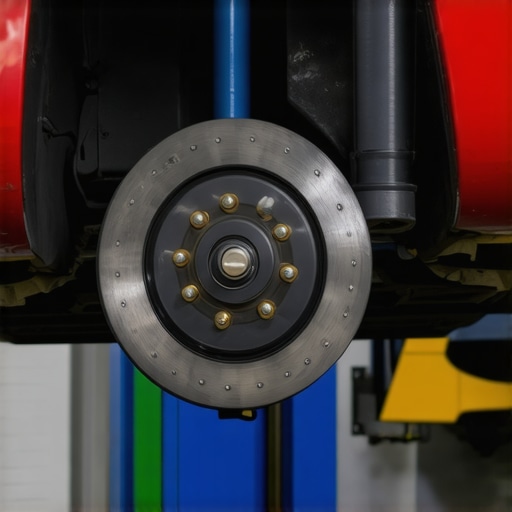
I remember the exact moment I noticed it—driving home after a routine brake replacement, and suddenly, my car felt like it was dragging an anchor. That heavy, sluggish sensation was frustrating, confusing, and honestly a bit scary. I assumed I’d done something wrong during the service or that maybe my car was just tired. Turns out, that feeling isn’t uncommon, and there’s a good chance it’s something fixable—and more often than not, my mistake early on might have been overlooking a simple detail. If you’ve ever experienced this, you’re not alone.
The Hidden Issue Behind That Heavy Feeling
When I first encountered this problem, I thought a new set of brakes would instantly improve my stopping power without any downsides. But after my car started feeling sluggish, I realized something was off. The root of the problem often lies in the brake system itself—specifically, if the brake fluid wasn’t handled properly. Improper bleeding during installation can lead to air in the lines, which causes that heavy, sponge-like pedal sensation and the feeling that your vehicle is working harder than it should. This isn’t just uncomfortable; it’s potentially dangerous if left unaddressed.
Skeptical? Is Brake Fluid Really That Critical?
At first, I underestimated how vital brake fluid is. I thought, ‘It’s just fluid; how complicated can it be?’ But I learned the hard way that brake fluid is a hydraulic lifeline for your braking system. According to experts, air in the brake lines can significantly increase stopping distances and diminish pedal feel. Modern brake fluids also absorb moisture over time, which can corrode internal components if not replaced regularly—another reason why a heavy pedal might sneak in after a brake service.
One early mistake I made was assuming that a quick bleed was enough when, in reality, improper bleeding can trap air and cause that heavy feeling. It’s a reminder that even small oversights can have big impacts—something I wish I knew before my first brake job. So, before you dismiss this as a mere inconvenience, consider this: addressing the brake fluid situation could restore your vehicle’s responsiveness and safety. If you’re curious about the common misconception that brake pads are the entire story, check out this guide on brake service myths.
Check and Bleed the Brake Lines Correctly
First, ensure that the brake fluid reservoir is filled to the recommended level with the correct type of brake fluid. Remove the wheels to access the brake calipers and master cylinder. Use a bleeding kit or manually bleed the brakes by attaching a clear hose to the bleeder valve, submerging the other end in a container of fresh brake fluid, and having an assistant press the brake pedal slowly. Repeat until no air bubbles appear, and fluid flows steadily. This step is crucial because trapped air significantly reduces braking efficiency, leading to that heavy pedal feel. I once rushed this process, forgetting to keep the reservoir topped up, which resulted in persistent sponginess; topping it off midway finally restored proper brake feel.
Many vehicle owners assume that routine auto repairs like brake service and oil changes are straightforward processes that require minimal technical knowledge. However, oversimplifying these maintenance tasks can lead to costly mistakes. For example, a widespread myth is that a quick brake fluid top-up is sufficient to ensure optimal braking performance, but in reality, improper bleeding can trap air in the lines, resulting in a spongy pedal feel and reduced safety. It’s crucial to understand that brake fluid absorbs moisture over time, which can cause internal corrosion, emphasizing the importance of using the correct type and regularly replacing it, rather than merely topping it off.
Beyond misconceptions, advanced vehicle diagnostics reveal nuanced insights into your car’s health. For instance, many overlook how a failing sensor might trigger multiple warning lights or subtle drivability issues, which can be preemptively detected through proper diagnostic checks—saving hundreds or even thousands of dollars in repairs. Rushing through these diagnostics without proper equipment or expertise can sometimes lead to misdiagnosis and unnecessary component replacements, highlighting the necessity for professional guidance.
One common trap to avoid is assuming that all oil changes are equal. Many believe that every synthetic oil or brand offers the same benefits, but specialists warn that using the appropriate oil viscosity and additive package tailored to your engine’s requirements can significantly influence performance and longevity. Regular oil changes using the right products, combined with an understanding of recent technological innovations—like low-friction oils and extended drain intervals—can extend your vehicle’s lifespan.
From a diagnostic perspective, understanding what your car’s error codes truly mean requires an expert’s eye. Modern vehicles are equipped with numerous sensors and control modules that communicate issues indirectly; reading a code without considering context can lead to incorrect repairs. For example, a P0420 code doesn’t always mean catalytic converter failure—it could be a simple oxygen sensor malfunction or even wiring issue. Professionals use a combination of advanced diagnostics tools and experience to interpret these signals accurately.
Beware of the trap of following outdated advice or cookie-cutter repair steps, which can sometimes worsen existing problems or create new ones. For instance, using stop-leak products to fix radiator leaks might seem appealing but can clog internal components and reduce cooling efficiency, potentially leading to overheating. Before applying quick fixes, it’s advisable to consult reliable sources, such as expert articles or trusted repair shops—like this comprehensive guide on brake service myths.
Never underestimate the importance of proper diagnostics, regular maintenance, and understanding the nuances behind each repair. These details can make all the difference in keeping your vehicle safe, reliable, and cost-effective. Are you aware of any hidden pitfalls in your own auto maintenance routines? Share your experiences or questions in the comments below, and let’s keep the discussion going!
Building a Reliable Maintenance Routine
Maintaining your vehicle’s health isn’t just about quick fixes; it requires a strategic approach with the right tools and habits. As I’ve learned through personal experience and professional advice, using specific equipment and software can significantly extend your car’s lifespan and performance.
Essential Equipment for Auto Maintenance
One of my most trusted tools is a high-quality OBD-II scanner, like the BlueDriver. It allows me to access real-time data, troubleshoot error codes, and even clear diagnostics easily. Unlike generic scanners, BlueDriver connects directly to my smartphone, making diagnostics quick and accessible. I also recommend a reliable torque wrench—specifically, the Click-Type Thunder Gun. Proper torque during component installation, such as wheel lug nuts or spark plugs, prevents premature wear and safety issues. For fluid handling, a guage set with a bleed kit ensures you can perform thorough brake and transmission fluid changes, which are critical for safety and efficiency.
Of course, maintaining your tools is equally important. Keep them calibrated and clean. A dirty or miscalibrated torque wrench can lead to over-tightening or under-tightening parts, causing long-term damage. Regular calibration, which can often be done at specialized shops or with calibration kits, ensures your tools provide accurate readings over years of use.
Software to Track and Schedule Maintenance
Beyond physical tools, I rely on digital solutions. My favorite is auto-maintenance tracking software that logs oil changes, brake fluid replacements, and diagnostic checkups. These apps send reminders before your scheduled maintenance, preventing costly neglect. They also record error codes and service history, helping to identify patterns that might suggest impending issues. Using such tools makes long-term upkeep manageable and less stressful.
Predicting Repairs with Diagnostics Advancements
Modern diagnostics are advancing rapidly. For example, diagnostic modules now incorporate machine learning to predict component failures before symptoms become apparent. According to Vehicle Diagnostics Explained, these innovations are making preventive maintenance more precise, saving drivers both time and money. Embracing the latest technology ensures your vehicle remains in top shape longer.
How do I maintain my vehicle diagnostics over time?
Regularly update your diagnostic software and firmware, just like updating your computer or smartphone. Using the latest versions enhances compatibility with new vehicle models and adds features like predictive analytics. Also, familiarize yourself with your vehicle’s manual and error code database; many issues can be flagged early, preventing expensive repairs. A proactive diagnostic approach is one of the best ways to keep everything running smoothly.
Finally, don’t hesitate to try out the advanced tips mentioned here, like performing a thorough brake bleed using a dedicated bleed kit and monitoring error code patterns diligently. These steps make a big difference in long-term reliability and safety. Want to learn more about specific diagnostic procedures or maintenance strategies? Feel free to reach out via our contact page.
The Wisdom That Came from My Biggest Mistake
One of the most valuable lessons I learned was that even the smallest oversight in brake fluid bleeding can lead to a heavy pedal and compromised safety. Skipping proper air removal or using the wrong brake fluid type caused more issues than I anticipated, teaching me the importance of precision. Now I realize that investing time in correct procedures saves me from costly repairs and dangerous driving conditions.
Tools and Resources That Transformed My Approach
My essential toolkit now includes a quality OBD-II scanner like this diagnostic device, which provides real-time insights into my vehicle’s health. I also rely on a well-calibrated torque wrench to prevent over-tightening. Books such as Auto Repair Tips have deepened my understanding of systemic maintenance, guiding me toward smarter decisions. These tools and knowledge bases have empowered me to handle minor repairs confidently, reducing dependence on costly professional help.
Embracing the Future of Car Care
The landscape of vehicle diagnostics and maintenance is rapidly evolving, with smarter sensors and predictive analytics becoming standard. By staying updated with latest diagnostic tech, I can catch potential issues before they escalate, maintaining safety and reliability. My advice is to continuously learn, adapt, and invest in these innovative solutions—your car will thank you, and you’ll enjoy peace of mind every time you hit the road.
Questions from My Experience
Have you ever overlooked a small detail that turned into a big problem during auto maintenance? Share your story below and let’s learn together how to prevent common pitfalls in brake service, oil changes, and diagnostics!