
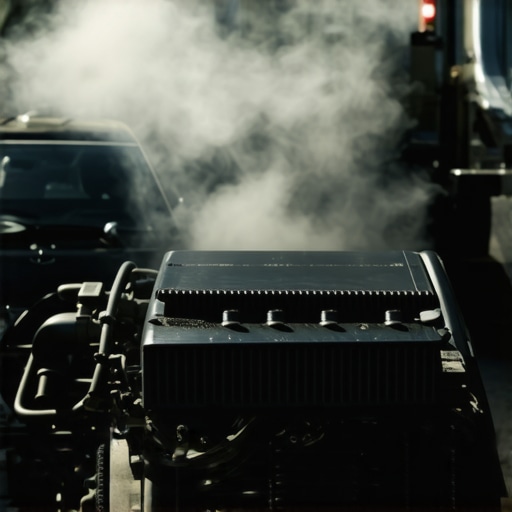
Ever been startled by that sharp, smoky scent wafting into your car cabin after a quick trip around the block? I remember dismissing it as nothing more than a passing weird smell—until one day, the scent became persistent, and I finally realized something was seriously wrong. That burning rubber smell is more than just an odd olfactory experience; it’s often a signal of a problem lurking under the hood, waiting to cause bigger headaches down the road.
Deciphering the Burning Rubber Smell: Why It Happens
That familiar scent of burning rubber can stem from several issues—overheated belts, worn-out hoses, or even brake problems. When I first encountered this smell, I thought a piece of rubber was stuck somewhere or maybe I had driven through a patch of asphalt that heated up unexpectedly. But as the smell persisted, I knew I had to dig deeper. One common culprit is a slipping or worn serpentine belt, which can overheat and produce that distinctive smell. Similarly, brake calipers sticking or brake pads rubbing excessively can generate heat and give off a burnt odor.
Interestingly, a study by the National Highway Traffic Safety Administration highlights that early signs like strange odors can help you prevent costly repairs, emphasizing the importance of paying attention to these sensory cues. Decoding your vehicle’s signals is essential—after all, your car’s strange smells are its way of telling you something’s not right.
Could This Be Just a Quick Fix or Is It Time for Professional Help?
Initially, I made the mistake of ignoring the smell, thinking I could handle it with a simple DIY inspection. But that only delayed diagnosing the real issue, leading to more expensive repairs later. Recognizing the smell as a warning sign is the first step—trust me, addressing it promptly can save you both money and inconvenience. So, if you’ve experienced that unmistakable burning smell after short drives, you’re not alone—and there’s a straightforward way to identify and resolve the problem before it worsens. Ready to uncover the cause and keep your vehicle running smoothly? Let’s dive into practical tips and expert advice that can help you troubleshoot and fix this issue efficiently.
Start with a Visual Check
Before diving into complex diagnostics, perform a quick visual inspection of belts, hoses, and brake components. Look for signs of wear, cracks, or fraying on serpentine belts. For example, I once noticed a cracked belt while inspecting my engine bay, which confirmed my suspicions about the smell. Use a flashlight to check for any loose or glazed belts that might be slipping.
Listen and Feel for Clues
Drive gently and listen for squealing or slipping sounds, especially during acceleration or braking. Feel for any unusual vibrations or resistance. When I experienced the smell, I also noticed my steering felt slightly heavy, hinting at brake caliper issues. Pay attention to when the smell intensifies — is it during acceleration, braking, or idle? Decoding your vehicle’s signals will help interpret these clues better.
Inspect Belts and Hoses
Check the serpentine belt and timing belt for glazing, cracks, or looseness. A worn belt can slip, creating heat and the burning rubber smell. Use a belt tension gauge if available, or simply press on the belt — it should have some give but not be too loose. Replace any damaged belts promptly; neglect can lead to overheating and further damages.
Replace or Tighten Belts
If the belt shows signs of wear, replace it following manufacturer specifications. For loose belts, adjust the tensioner or routing. Remember, a properly tensioned belt minimizes slipping and heat generation. I once used a belt tension tester that revealed my belt was a few pounds loose, and after tightening, the smell disappeared during drives.
Examine Brake Components
Lift the vehicle safely and check the brake calipers, pads, and rotors. Look for signs of sticking or excessive heat: discoloration, warped rotors, or pads gluing to the rotor. I found a sticking caliper that was causing my brakes to overheat, and resolving that stopped the burning smell. Regular brake inspection is essential—visit our brake service guide for detailed procedures.
Address Brake Issues Immediately
If you find sticking or uneven wear, have a professional service your brakes. Brake systems are safety-critical, and neglect can lead to dangerous failures — a point emphasized in this comprehensive brake myth-busting guide.
Monitor Engine and Transmission Temperature
Overheating can also produce a burnt rubber smell. Use an IR temperature gun to check belt and pulley temperatures, aiming for manufacturer-specified ranges. Excessive heat indicates slipping or failure. Keep an eye on your cooling system; coolant leaks or radiator issues may compound this problem. Regularly inspect radiator hoses and coolant levels, following tips in the vehicle diagnostics troubleshooting guide.
Utilize Diagnostic Scanners
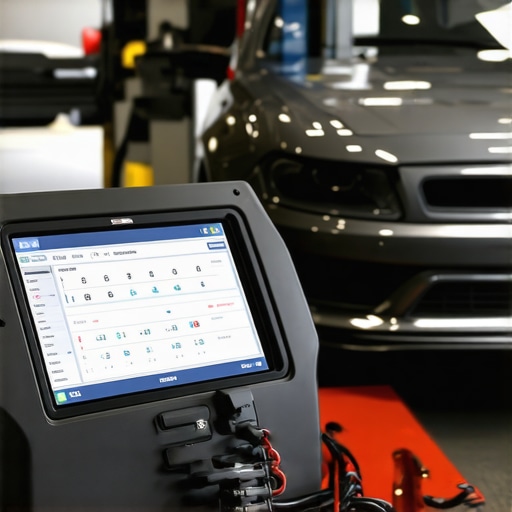
If visual checks don’t pinpoint the issue, connect an OBD-II scanner to read fault codes. Modern vehicles can reveal engine or transmission problems contributing to belt or belt-driven accessory failures. I once used a scanner that flagged a misfire, which caused excessive belt slip and the smell. Invest in a good diagnostic tool or visit a trusted mechanic familiar with advanced diagnostics for accurate readings.
Decide Between DIY and Professional Help
While minor belt replacements can often be DIY projects, complex issues like internal brake caliper failures or cooling system repairs may require professional expertise. Recognizing your limits saves time and prevents further damage. If you’re unsure, consult a trusted mechanic or use online resources to assess the repair scope. Remember, safety comes first — especially with brake or cooling system problems.
Document and Track Your Repairs
Keep records of inspections and repairs to monitor recurring issues. This habit helps identify patterns, such as a belt needing replacement every few years, or brake pads wearing faster under certain conditions. Well-documented maintenance extends your vehicle’s lifespan and prevents unexpected breakdowns, aligning with auto repair best practices found here.
Many car owners operate under misconceptions when it comes to vehicle diagnostics and repairs, often leading to unnecessary expenses or overlooked issues. One common myth is that a diagnostic scanner alone can pinpoint every problem, but in reality, relying solely on these tools can cause you to miss the subtleties of your vehicle’s condition. Advanced diagnostics, like those discussed here, require an expert to interpret complex data patterns—not just read error codes.
Another frequent mistake is assuming that brake service is purely about replacing pads. However, as detailed here, proper brake maintenance involves much more: checking calipers, rotors, and hydraulic systems regularly. Skipping these nuances can compromise safety and lead to costly repairs.
Concerning oil changes, many believe that draining and refilling the oil is straightforward, but modern advancements have introduced technologies that extend oil life and improve engine performance—something you can explore here. Neglecting these innovations might result in premature engine wear, especially if you’re oversimplifying your maintenance routines.
Now, consider this question for the advanced enthusiasts: How do diagnostic data patterns help predict future failures before they become visible signals? A study by automotive engineers indicates that recognizing early data anomalies can forecast issues like belt slip or sensor failures, preventing breakdowns with far greater accuracy. This proactive approach shifts auto repair from reactive to preventive, saving you time and money.
But here’s the catch—a prevalent trap involves overconfidence in quick fixes. For example, using high-mileage oil additives without understanding their effects can cause more harm than good. These additives often contain detergents and conditioners that may interfere with modern engine components if misapplied. Always verify with trusted sources before adding such products to your routine.
Have you ever fallen into this trap? Let me know in the comments. Remember, effective auto maintenance combines knowledge, attention to nuance, and a proactive mindset—something every responsible car owner should embrace to keep their vehicle running smoothly for the long haul.
Investing in Precision: My Top Recommendations for Auto Maintenance Tools
Maintaining your vehicle’s health over the years demands more than just intuition; it requires the right equipment and a strategic approach. I personally rely on a combination of professional-grade diagnostic scanners like the Autel MaxiCOM for comprehensive fault code retrieval and a high-quality infrared temperature gun to monitor belt and component heat levels. These tools have saved me countless trips to the mechanic by allowing early detection of potential failures, especially when dealing with belt slippage or brake overheating.
For preventive maintenance, I always keep a sturdy creeper and a magnetic pick-up tool in my arsenal. The creeper makes under-vehicle inspections safer and more comfortable, while the magnetic tool helps retrieve dropped fasteners in tight spots, saving time and avoiding unnecessary disassembly.
When it comes to software, I recommend advanced diagnostic software that interfaces with Bluetooth-enabled scanners. These applications not only read error codes but also provide live data streams, graph trend analysis, and reset capabilities—empowering both seasoned DIYers and aspiring professionals to perform accurate diagnostics and maintenance scheduling.
How to Keep Your Tools Effective Over Time
Regular calibration of your diagnostic devices and cleaning of your mechanical tools ensure their longevity and accuracy. For example, I calibrate my infrared thermometer every six months using a blackbody calibration source, maintaining its precision for critical maintenance tasks. Additionally, storing your tools in climate-controlled environments prevents rust and degradation, especially for sensitive electronic components. Keeping a maintenance log for your tools can prompt timely replacements, ensuring your equipment remains dependable.
Looking Ahead: What the Future Holds for Vehicle Maintenance Tools
Emerging technologies like AI-powered diagnostic apps and wireless sensor networks promise a future where vehicle health monitoring becomes more predictive and less reactive. Imagine receiving real-time alerts on your smartphone about belt wear or coolant degradation before symptoms even appear. Such advancements will democratize auto repair, making sophisticated diagnostics accessible to everyday vehicle owners and reducing costly breakdowns.
Wondering how do I maintain tools over the long term?
Start by establishing a routine calibration schedule, keep your tools clean and dry, and store them in an organized manner. For electronic diagnostic tools, regularly update their firmware and back up data. Practices like these ensure your tools provide reliable readings, helping you catch issues early and prolonging their service life. Remember, well-maintained tools are the backbone of effective vehicle diagnostics, contributing to safer, more reliable auto repairs.
If you haven’t already, try integrating an advanced diagnostic app into your maintenance routine. It’s a game-changer for proactive vehicle health management and can help you avoid unexpected breakdowns. Ready to level up your auto maintenance game? Get started today and enjoy peace of mind on every trip!
The Hardest Lesson I Learned About Diagnostic Tools and Car Maintenance
Early in my auto repair journey, I believed that a quick scan and a few replacements could solve any problem. It wasn’t until experience taught me that truly understanding my vehicle required patience, nuanced inspections, and trusting my senses — especially smell and sound. The lesson? Never underestimate the power of sensory cues; they often reveal issues that code readers might overlook, saving time and money in the long run.
What I Wish I Knew Before Ignoring Burning Smells
Initially, I dismissed the burning rubber odor as a minor annoyance. Big mistake. This smell was my car’s cry for help, signaling overheated belts or sticking brakes. Recognizing these signs early can prevent costly engine damage or safety hazards. Investing in basic tools like an infrared temperature gun and understanding their readings changed how I approached vehicle health, emphasizing that sometimes, simple equipment unlocks complex problems.
My Personal Tip for Troubleshooting Without Overwhelm
Break down diagnostics into manageable steps: visual checks, listening for unusual sounds, and monitoring temperatures. This approach prevents feeling overwhelmed and helps build confidence. For example, checking belts and brake pads during routine maintenance can uncover issues before a breakdown occurs, reinforcing the importance of routine inspections and preventive care.
Curated Recommendations for Auto Enthusiasts
1. Advanced diagnostic software — It’s my go-to resource for interpreting complex data and preventing breakdowns before symptoms appear.
2. Top auto repair tips — Following proven strategies keeps my vehicle running smoothly longer.
3. Essential auto repair strategies — These are invaluable for quick DIY fixes and knowing when to call in pros.
4. Brake service insights — A comprehensive understanding of brake health has kept me safe on the road.