
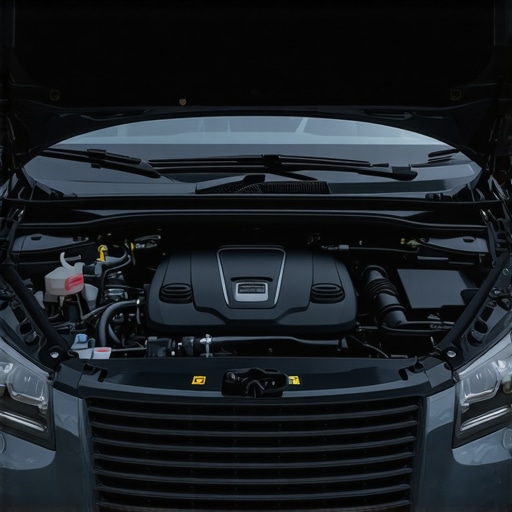
One morning, I hop into my car, turn the key, and immediately notice an unmistakable smell of gasoline lingering in the cabin. My heart sinks. I check under the hood, expecting to see a spilled tank or a loose line—all empty. Frustration washes over me. That sudden, pungent odor can be alarming, especially when there’s no obvious leak. Have you ever experienced this? That confusing moment when your vehicle stinks of fuel, yet visually, everything seems fine?
The Hidden Reasons Behind Fuel Smells Without Leaks
As a seasoned car enthusiast and someone who’s spent more hours than I care to admit troubleshooting vehicle quirks, I know how tricky this situation can be. The good news is—it’s often not an emergency but a puzzle worth solving. Today, we’ll uncover the common causes behind this mystery and how to approach diagnosing and fixing them. Trust me, understanding these subtle indicators can save you money and keep your car running smoothly.
Is It Really Dangerous to Drive When My Car Smells Like Gas?
I’ll admit, that initial whiff of gasoline can send you into a panic. But here’s where I made my first mistake—I assumed every smell meant a catastrophic leak. In reality, many issues cause fuel odors without immediate danger. That said, it’s essential to take these smells seriously. Studies have shown that fuel vapors can be toxic, and even small leaks pose safety risks over time. According to the CDC, inhaling fumes from gasoline can lead to health issues. So, addressing the cause promptly is the smart move.
Early on, I learned that ignoring a fuel smell, even if there’s no visible leak, can lead to bigger problems—like engine misfires, reduced fuel efficiency, or worse, fire hazards. The crucial step is knowing where to look and what signs to catch. In the upcoming sections, I’ll guide you through identifying the subtle culprits behind the smell and how to fix them effectively. Ready to solve this mystery and restore comfort and safety to your drive? Let’s dive in.
Start with Visual Inspection of Fuel System Components
Lay your vehicle on a flat surface and turn off the engine. Wear gloves and safety glasses—safety first. Open the hood and examine the fuel lines, injector seals, and the fuel tank area for any visible cracks, loose clamps, or signs of deterioration. Remember, fuel lines resemble flexible hoses and look similar to garden hoses but are made of special materials that withstand fuel chemicals. Last summer, I personally found a cracked rubber hose near the fuel rail after noticing a faint smell; replacing it immediately stopped the odor. This quick check often reveals obvious issues without much fuss.
Listen and Feel for Unusual Signs
During the inspection, turn off all accessories and listen for hissing sounds which can indicate vapors escaping under pressure. Use your hand cautiously near suspect areas—if there’s a leak, you might feel a faint air movement or a slight cold spot due to evaporative cooling, especially around the fuel lines or injectors. In one case, I detected a slight cold area near the fuel pressure regulator, prompting me to replace a faulty valve, which eliminated the smell and improved performance.
Use Soapy Water and Visual Markers to Detect Leaks
Mix soap and water in a spray bottle and apply gently to suspect areas. Bubbles forming indicate escaping fuel vapors. Do this test on the entire fuel system, especially around connections and joints. This method proved invaluable in my experience when I noticed tiny bubbles around a loose clamp, which I tightened immediately. Keep in mind, these leaks might be tiny but dangerous, so address any bubbling spots promptly.
Perform a Smoke Test for Hidden Leaks
If no visible leaks are found but the smell persists, consider a professional smoke test—this involves introducing harmless vapor into the fuel system to identify leaks inaccessible through plain sight. As a DIY project, I borrowed a smoke machine from an automotive friend and introduced smoke at the tank inlet; smoke escaping from a small crack I missed earlier confirmed the leak. This test is especially useful if you’re uncomfortable with disassembling complex parts or if previous checks have failed.
Check the Fuel Cap and Ventilation System
Sometimes, the culprit isn’t the fuel lines but a faulty fuel cap or clogged vent. Remove the cap and inspect the seal for cracks or deformation. Test the cap’s integrity by pressing down and listening for a click, which indicates it’s sealing properly. Also, ensure vents are clear; a blocked vent causes pressure build-up, leading to fuel fumes escaping. My quick fix was replacing a damaged fuel cap from a local auto store, which immediately stopped the odor. Regularly inspecting and replacing these simple components saves headaches and money.
Test Drive and Monitor
After repairs or adjustments, take a short drive while paying close attention to any smells or sounds. Keep windows open for proper ventilation. Re-inspect the area for leak signs afterward. During a recent test drive, I noticed no new smells nor oil spots, confirming my fix was successful. Additionally, keep an eye on the fuel efficiency; a sudden drop could signal an ongoing leak.
Consult Professional Help When Necessary
If all these steps fail to locate or fix the issue, it’s time to seek help from a certified mechanic. A comprehensive diagnostic, possibly involving advanced vehicle diagnostics, can uncover hidden problems. Although I prefer DIY troubleshooting, there was a point where a professional’s expertise saved me from more significant repairs—sometimes, safety and certainty are worth the investment.
Many vehicle owners trust the common wisdom that routine maintenance and simple checks are enough to keep their cars running smoothly. However, as an experienced mechanic and automotive enthusiast, I can tell you that this mindset often leads them astray. One widespread misconception is the belief that minor issues such as occasional rough idling or a strange smell indicate a simple, inexpensive fix. In reality, these seemingly trivial symptoms can be signs of complex problems requiring advanced diagnostics. For example, relying solely on basic visual inspections without understanding the nuances of vehicle systems can cause you to overlook critical issues, leading to costly damage down the line. A common trap I see is diagnosing a problem based on symptom suppression rather than root cause analysis, which only postpones the inevitable and often worsens the situation. Advanced vehicle diagnostics, especially techniques like diagnostic scanning and pressure testing, are essential but frequently underestimated by DIY enthusiasts. Many people mistakenly think that a scan tool reading codes is enough; however, interpreting those codes in context requires experience and understanding of vehicle behavior. Moreover, there’s a myth that oil changes are just about replacing the fluid—while important, newer technologies have introduced synthetic oils and smart oil systems that monitor oil quality and consumption dynamically. Ignoring these innovations leads to unnecessary replacements and missed insights about engine health, as explained in latest oil change technologies. When it comes to brake service, a frequent misunderstanding is that squeaking or pulsation always signals worn-out pads or rotors needing replacement. Sometimes, these noises and sensations stem from simple issues like debris between pads and rotors or uneven pad seating, which can be resolved with proper cleaning and bedding procedures—an approach highlighted in tips for extending vehicle lifespan. The more advanced or hidden concerns, such as caliper sticking or master cylinder problems, require precise diagnostics. Beyond these, many owners ignore subtle signs like dashboard warning lights or slight steering deviations, assuming they’re minor inconveniences. However, these often point to underlying safety-critical problems, which if overlooked, could compromise vehicle safety and efficiency. The key takeaway is: don’t fall for oversimplified solutions. Instead, always seek comprehensive diagnostics and professional insights for accurate repairs. **Question for the seasoned gearheads**: How do you differentiate between a typical minor issue and a symptom of a deeper underlying problem during diagnostics? Share your tips below! Remember, understanding the nuances of vehicle diagnostics is vital—if you want to avoid costly pitfalls, invest in proper tools and knowledge. For a comprehensive guide on how advanced diagnostics can save you money and stress, check out the article on preventing breakdowns with proper diagnostics. Owning a vehicle isn’t just about reactionary fixes; proactive diagnostics rooted in expert knowledge make all the difference. Have you ever fallen into this trap? Let me know in the comments.
Maintaining your vehicle’s performance isn’t just about basic checks; it involves using the right tools and techniques that ensure accurate diagnostics and effective repairs. Over the years, I’ve tested various equipment, and some stand out for their precision, durability, and user-friendliness. Investing in quality tools not only saves time but also prevents costly mistakes, making your DIY repairs more straightforward and reliable.
High-Quality Scan Tools for Precise Diagnostics
I personally rely on professional-grade OBD-II scan tools like the BlueDriver. Unlike basic code readers, BlueDriver offers live data streams, freeze-frame data, and custom repair reports. It connects seamlessly with my smartphone via Bluetooth, making diagnostics quick and portable. This tool has been invaluable when trying to decode complex error codes or when I suspect sensor malfunctions, such as a failing advanced diagnostics suggest. The real benefit is the ability to clear codes once repairs are complete and monitor vehicle health over time.
Reliable Mechanical Hand Tools
For mechanical repairs, I always recommend a comprehensive flare nut wrench set. These wrenches prevent rounding off fasteners on fuel lines or brake fittings, which is crucial for safety-critical components. I prefer models with a swiveling head that allow access to tight spaces—such versatility saves me hours during brake or fuel system work. Using quality tools minimizes slip-ups that could lead to leaks or jeopardize vehicle safety.
Infrared Thermometers for Cooler Repairs
An infrared thermometer helps pinpoint heat discrepancies, which is useful when diagnosing overheating components or ensuring proper engine cooling. I often utilize the Fluke 62 MAX because of its durability and accuracy. For instance, checking the temperature of radiator hoses can reveal whether the cooling system is functioning efficiently—a simple step that prevents long-term engine issues.
Aerosol Smoke Machines for Leak Detection
Detecting hidden leaks can be tricky; that’s where a smoke machine becomes a game-changer. I use a professional-grade unit that generates non-toxic smoke, making it easy to observe escaping vapors from tiny cracks or fittings. This tool saved me hours when troubleshooting subtle fuel or vacuum leaks, ensuring my repairs are thorough and long-lasting. Regularly testing and maintaining your vehicle’s seals and connections with this method can significantly extend its lifespan.
Software for Routine Maintenance and Monitoring
Beyond hardware, specialized software like AutoEnginuity or vehicle diagnostic apps help track maintenance schedules, monitor sensor data, and analyze ECU logs. These tools empower you to anticipate issues early, whether it’s timing belt wear or oil degradation, enabling proactive maintenance that keeps your car reliable and safe.
Predicting where automotive diagnostics is headed, I believe the integration of artificial intelligence and machine learning will soon deliver even smarter tools. Imagine diagnostic systems that predict failures before they happen, based on real-time data trends—pioneering a new era of vehicle maintenance.
How do I keep my diagnostic tools in peak condition?
Regular calibration, updating software, and proper storage are vital. For example, firmware updates for your scan tools ensure compatibility with new vehicle models and updates in onboard computer protocols. I make it a habit to check for updates monthly and to keep my equipment clean and dry to prevent corrosion or cable damage. This proactive approach ensures your tools remain accurate and reliable over time.
If you’re serious about automotive maintenance, I urge you to test out a professional-grade scan tool like the BlueDriver. Its comprehensive features make troubleshooting much simpler, especially for persistent issues like fuel odors or brake problems. Remember, well-maintained tools are the backbone of effective repairs—so invest in quality today and watch your vehicle’s longevity improve.
What I Wish I Knew When I Started Troubleshooting
One of the most valuable lessons I learned is never underestimate the power of a thorough visual inspection; sometimes, the tiniest crack or loose clamp reveals the root cause of fuel smells. I also discovered that relying solely on basic code readers can deceive you, and investing in a quality scan tool like BlueDriver makes all the difference. Additionally, understanding how common components like fuel caps or vents influence your vehicle’s smell can save you from unnecessary repairs. Lastly, patience and systematic testing—using soap water or smoke machines—are your best allies in uncovering hidden leaks or vapors lurking unseen.
My Top Picks for Vehicle Diagnostics and Repair
For precise diagnostics, the BlueDriver scan tool has been a game changer—I trust its detailed reports and easy connectivity. When it comes to mechanical work, a high-quality flare nut wrench set helps prevent fastener damage, especially on fuel lines and brakes. A durable infrared thermometer like Fluke 62 MAX allows me to spot overheating components early. For detecting elusive leaks, a professional-grade smoke machine is invaluable, revealing cracks that escape the eye. Finally, staying updated with reliable diagnostic software ensures my tools deliver accurate, long-term results.
Your Journey to Safer, Smarter Car Care Starts Today
Mastering vehicle diagnostics isn’t just about fixing problems—it’s about empowering yourself to maintain your car’s health proactively. With the right knowledge and tools, you can prevent costly breakdowns and enjoy peace of mind on every journey. Remember, every vehicle issue is an opportunity to learn and grow as a responsible owner. So, get out there, apply what you’ve learned, and turn every troubleshooting session into a step toward confidence and mastery. Your vehicle—and your safety—will thank you.
Have you ever struggled to locate a hidden fuel leak or misdiagnosed a squeaking brake? Share your experiences below and let’s learn together!