
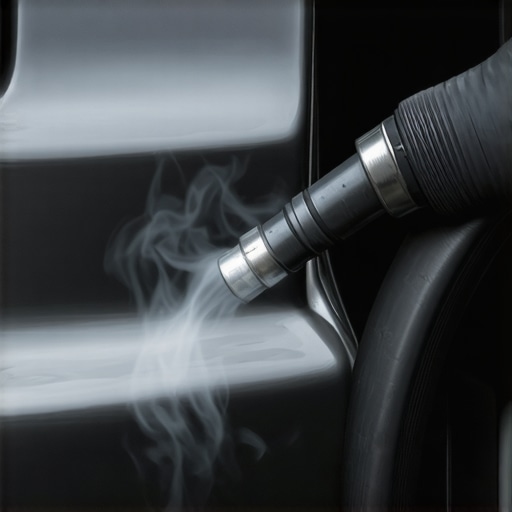
Have you ever been sitting in your car after filling up, only to be hit with an unexpected whiff of gasoline? It’s a moment that instantly raises your heart rate—thoughts racing about whether there’s a leak or something more serious lurking beneath the surface. I remember the first time this happened to me. I was proud of myself for finally getting to the pump, only to be greeted by that sour smell as I shifted into drive. Instantly, I felt a twinge of panic, wondering if I had just handed over money for a faulty tank or a looming repair bill.
This seemingly small issue is actually more common than many realize—and it can be surprisingly complex. Today, I want to share my journey of troubleshooting this gas smell, what I learned along the way, and how you can address this issue before it spirals into something costly. If you’ve experienced the same frustration, you’re not alone. Recognizing the source of the odor can save you a lot of trouble, and I’ll walk you through the essential steps to identify and fix the problem.
The Gas Smell After Filling Up: What’s Really Going On?
Could It Be a Simple Loose Cap, or Is Something More Serious?
Early on, I mistakenly thought the issue was just a faulty gas cap—a common culprit in these scenarios. But that was a mistake I made when I overlooked the importance of inspecting the entire fuel system. While a loose or damaged gas cap can cause fumes to escape, often the problem lies deeper within the vehicle’s emissions or fuel system components. According to experts, cracked or worn hoses, a faulty fuel vapor canister, or a leaking fuel injector might be the real culprits.
Understanding the difference between trivial leaks and major system failures is crucial. A small crack in a hose might seem insignificant, but it can allow vapors to escape only when the tank is full and pressure builds, creating that unmistakable gasoline smell. Conversely, a more serious leak might also pose safety risks beyond just odors, including potential fire hazards. To avoid these dangers, regular inspections are recommended—more on that later in this guide.
If you’re wondering whether this problem is worth the fuss, I suggest reading about auto repair tips to boost your vehicle’s lifespan. Proper maintenance can prevent small leaks from turning into major issues, and catching them early will save you money in the long run.
Have you noticed this smell after a fill-up? If so, don’t ignore it. Even minor leaks can lead to more significant problems, or worse, environmental hazards. Next, let’s dive into the common causes of this issue—so you can tell whether a quick fix will do or if it’s time to call in a professional.
Start with a Visual Inspection of the Gas Cap
My first step was to check the gas cap for tightness and damage. Think of it like sealing a paint can; if it’s not snug, fumes can leak. I unscrewed the cap, examined the rubber gasket for cracks or wear, and replaced it with a new one from the auto parts store. This quick fix reduced the smell noticeably. If your cap looks fine but the smell persists, move on to checking the entire fuel system.
Test for Loose or Damaged Hoses
Next, I inspected the fuel vapor hoses connecting the fuel tank to the engine bay. These hoses are like blood vessels—if cracked or loose, they cause leaks. I used a flashlight and mirror to access hard-to-see areas, looking for cracks, soft spots, or disconnected clamps. I gently squeezed each hose; if it felt overly soft or cracked, I replaced it. Secure all clamps tightly, just like tightening hose clamps on a garden hose to prevent leaks. If no damage is found, proceed to the next step.
Check the Fuel Vapor Canister and Emissions System
The charcoal canister stores fumes from the fuel tank, acting like a sponge. If it’s clogged or damaged, fumes escape, creating a gasoline smell. I located the canister under the vehicle, generally near the fuel tank or rear wheel wells. I looked for signs of damage or cracked lines. Using a diagnostic scanner with emissions testing capability, I checked for error codes related to the evaporative emissions system (EVAP). If codes pop up, follow the specific repair procedures to replace or repair the system components.
Perform a Pressure Test on the Fuel System
For a precise diagnosis, I performed a fuel system pressure test. This involves connecting a specialized pressure gauge to the fuel rail or service port, then turning on the ignition without starting the engine. If pressure drops quickly, there’s a leak. I observed the gauge for a few minutes; a steady reading means sealed, but a dropping pressure signals a leak in the system, possibly in the injectors or fuel lines. This test is best done with proper safety precautions, as fuel is volatile. If you’re uncomfortable, consider professional diagnostics.
Use Advanced Vehicle Diagnostics to Pinpoint Hidden Issues
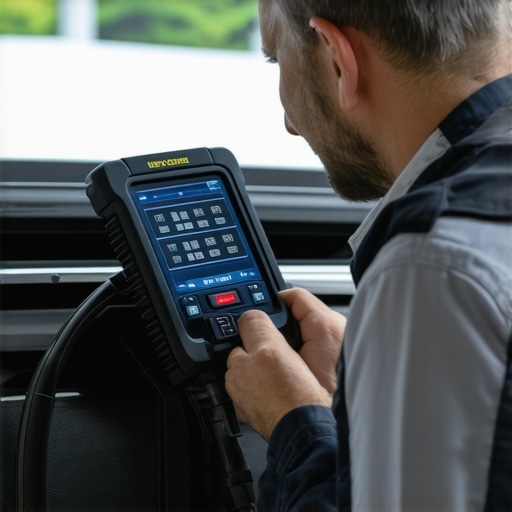
If all previous steps fail to locate the leak, advanced diagnostics are essential. Modern vehicles use sensors and ECUs to monitor emissions and fuel delivery. Using a scanner like advanced vehicle diagnostics, I checked for hidden faults in sensors or control modules that could be causing the fumes. This method can uncover issues like malfunctioning purge valves or faulty pressure regulators that aren’t visible to the naked eye. For complex cases, professional equipment ensures an accurate diagnosis.
Consult a Professional if Necessary
Sometimes, despite all your efforts, the source remains elusive. Like a detective following a tricky lead, consulting a qualified mechanic can save time and ensure safety. They may perform smoke tests, leak detection sprays, or detailed system scans to trace the leak. Remember, gasoline fumes are hazardous, and small leaks can turn into fire risks. Regular maintenance and inspections aligned with auto repair tips to extend your vehicle’s lifespan will prevent problems before they become dangerous.
Many car owners believe they understand the basics of auto maintenance, but there’s often a profound misconception about what truly constitutes effective repair and diagnostics. One common myth is that a quick fix, like replacing a part based solely on a fault code, guarantees the problem is solved. In my experience, relying solely on diagnostics without considering the broader vehicle context can lead to overlooked issues that worsen over time. This is especially true for complex systems like brakes or engine management where multiple sensors and components interact intricately.
Another widespread mistake involves engine oil changes. While many think that extending intervals between oil changes saves money, recent innovations highlight how higher-quality synthetic oils and advanced filtering technology actually allow for longer, safer service intervals—more info here. Neglecting these advancements can inadvertently cause engine wear, particularly in high-mileage or heavily loaded vehicles.
What Advanced Diagnostics Reveal That Standard Checks Miss
Many enthusiasts overlook the importance of advanced vehicle diagnostics when troubleshooting persistent issues. Relying solely on OBD-II scanners or visual inspections can miss subtle problems like sensor drift or partial fuel injector failures. For example, a misfiring cylinder caused by a partially clogged injector might show no fault code but can dramatically affect performance and emissions. Employing more sophisticated diagnostic tools can uncover these hidden faults, preventing costly breakdowns down the road.
Moreover, consistent misinterpretation of diagnostic data can lead to unnecessary repairs. A study published in the Journal of Automobile Science emphasizes that deep understanding of sensor data patterns is vital for accurate diagnosis, especially with the advent of complex systems like hybrid drivetrains or advanced driver-assistance features.
Be aware that many auto repair shops might fall into the trap of replacing parts based on generic service manuals rather than individualized diagnostics. This approach risks unnecessary expenses and overlooks underlying causes. To truly optimize vehicle health, integrating thorough diagnostics with knowledge of latest advances in auto repair technology is key.
Have you ever fallen into this trap? Let me know in the comments. Being aware of these nuances ensures you don’t just fix symptoms but address root causes—saving you time, money, and frustration in the long run.
Keep Your Vehicle Running Smoothly with the Right Tools
Ensuring your car remains reliable over time requires more than just occasional visits to the mechanic. Having a curated set of specialized tools and adhering to precise maintenance routines can save you money and extend your vehicle’s lifespan. I personally rely on a combination of diagnostic scanners, quality hand tools, and innovative testing equipment that allow me to identify and address issues before they become costly repairs.
Advanced Diagnostic Scanners Are Game-Changers
I’m a big fan of using professional-grade diagnostic scanners like the OBD-II/EOBD scanners that support live data streaming and advanced fault code analysis. These devices help me understand what’s happening beneath the surface, especially when subtle sensor failures or partial system malfunctions occur. The ability to read real-time data allows for pinpointing issues such as sensor drift or minor actuator failures that standard scanners might miss.
Precision Hand Tools Make All the Difference
For routine maintenance like oil changes or brake inspections, I rely on high-quality socket sets, torque wrenches, and specialty tools like brake caliper wind-back tools. These ensure that parts are installed correctly and prevent damage from over-tightening. Remember, a properly torqued component enhances safety and durability, which is why I prioritize maintaining a calibrated torque wrench in my toolbox.
Leak Detection and Pressure Testing Equipment
One of my favorite additions is a smoke machine for leak testing. It allows me to verify fuel vapor system integrity by introducing a harmless smoke into the sealed system, making invisible leaks obvious. Similarly, a fuel pressure tester can reveal issues like failing fuel pumps or regulator problems. As vehicle systems become more complex, having reliable testing equipment becomes indispensable for accurate diagnostics.
Future Trends: Smarter Tools for Smarter Maintenance
The future of auto maintenance appears to be heading toward integration with AI and machine learning. Devices that can automatically interpret data patterns and suggest precise repairs are on the horizon. Meanwhile, staying updated with the latest diagnostic software updates and manufacturer-specific tools ensures I am always prepared to handle evolving vehicle technology.
How do I maintain vehicle diagnostics over time?
Regular software updates for your diagnostic tools are essential to keep pace with new vehicle models and systems. Coupling this with scheduled inspection routines—like checking for leaks, worn belts, and fluid condition—ensures problems are caught early. Remember, proper maintenance strategies significantly reduce the chances of unexpected breakdowns.
Don’t hesitate to try out that advanced smoke test or use a professional-grade scanner to gain deeper insights into your vehicle’s health. These small investments in the right tools and knowledge can make a tremendous difference in your auto care routine.
Lessons That Transformed My Approach to Auto Repair
One of the most impactful lessons I learned was that no matter how experienced you are, trusting solely in diagnostic codes can lead to overlooking root causes. A false sense of certainty can mask underlying issues, making thorough inspections vital. Additionally, I discovered that regular maintenance isn’t just about adhering to schedules; it’s about developing a keen understanding of your vehicle’s unique behaviors, especially when troubleshooting problems like gasoline odors. Lastly, patience and a willingness to learn continually have been my greatest tools—every fix teaches something new, deepening my auto repair wisdom.
My Go-To Resources for Staying Ahead
I rely heavily on professional-grade diagnostic scanners, like the advanced vehicle diagnostics tools, which offer real-time data insights. The book Auto Repair Tips to Boost Your Vehicle’s Lifespan provides foundational knowledge that keeps me vigilant about potential issues. For hands-on tasks, I’ve found that quality tools like a smoke machine for leak detection and precise torque wrenches make complex diagnostics manageable. These resources have been game-changers in ensuring my vehicle remains safe and efficient.
Fuel Your Passion for Auto Care and Stay Inspired
Your journey toward confident auto repair begins now. Embrace each challenge as an opportunity to learn and improve—your vehicle’s health is a reflection of your dedication. Remember, developing a deep understanding of your car not only saves you money but also empowers you to handle unexpected problems with confidence. So, keep exploring, practicing, and never shy away from seeking help when needed. Your car is a machine, but it’s also a trusted partner on the road—treat it with the care it deserves, and it will reward you with years of reliable service.
Have you ever struggled to pinpoint a gasoline smell or fixed a leak on your own? Share your experiences below—I’d love to hear your stories and tips for fellow auto enthusiasts!