
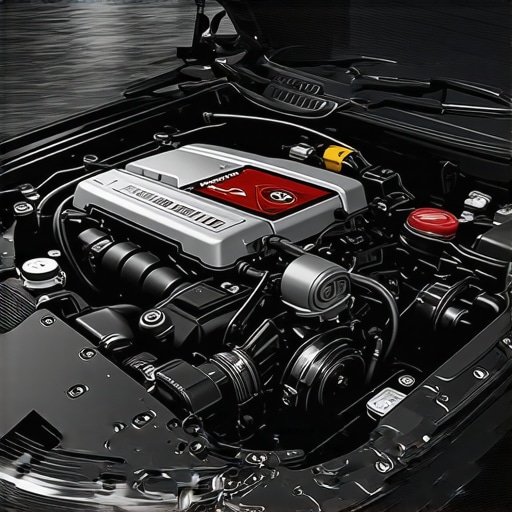
There I was, creeping out of my driveway on a chilly morning, pressing the gas pedal, only to be jolted by a shaky, sputtering engine right when my tank was nearly full. That frustrating stutter, that inconvenient hiccup—it’s enough to make any driver throw up their hands in confusion. I remember spending hours scratching my head, wondering what was behind this peculiar behavior. Sound familiar? If you’ve ever experienced your car misfiring or hesitating only when your gas tank is full, you’re not alone. It’s a common yet often misunderstood problem, and I’m here to tell you that there’s a logical explanation—and a straightforward fix.
Discovering the real reason behind the full tank stutter
In my early days of car repair, I made the mistake of solely blaming the fuel system or the fuel pump—until I dug a little deeper and realized that the issue often lies elsewhere. The good news? Once I identified the root cause, I could handle the repair myself or confidently guide my mechanic. Today, I’ll walk you through what might be causing your car to falter only when your tank is full and how you can address it efficiently. To fully grasp the issue, it helps to understand how fuel delivery and engine sensors interact, and how a tiny part can have a big impact on your vehicle’s performance. Need reliable tips on extending your vehicle’s lifespan? Check out these top auto repair tips.
Could it really be something as simple as a sensor misfire?
Yep, sometimes a dirty or faulty mass airflow sensor or an incorrect reading from your fuel pressure regulator can cause your engine to stumble at full tanks. Early in my repair journey, I learned that ignoring these small components was a mistake—one that can lead to costly repairs down the line. Remember, as automotive expert Bob Gilbert points out, “A minor sensor glitch often masquerades as a major engine problem,” emphasizing the importance of diagnostics in solving these issues efficiently.
So, if you’ve experienced this annoyance, take a moment. Your car might just be signaling a simple sensor or valve issue rather than a complex mechanical failure. Next, we’ll explore how to pinpoint these problems with some easy troubleshooting steps, so you can get back to smooth driving without unnecessary trips to the shop. And if you’re new to vehicle diagnostics or unsure where to start, don’t worry—there’s plenty of advanced diagnostics help that can make your life easier.
Check the Sensor Connections
Start by inspecting the wiring and connectors attached to your mass airflow sensor and fuel pressure regulator. I once had a stubborn misfire issue, and a quick unplug, clean, and replug of these connectors made my engine run smoothly again. Ensure there are no loose or corroded pins that could cause faulty readings. If you spot corrosion or damage, replace or repair the wiring. For detailed guidance, visit vehicle diagnostics.
Test the Sensors and Valves
Use a Scan Tool to Read Live Data
Connect an OBD-II scanner to your vehicle to monitor live sensor data while performing a full tank fill. Focus on values from the mass airflow sensor, fuel pressure sensor, and coolant temperature sensor. Fluctuations or out-of-range readings often point to faulty components. I once used a cheap scanner to catch a misbehaving coolant temp sensor that was causing my engine to stumble only when full—replacing it instantly improved performance. If readings seem inconsistent, consider testing the sensors with a multimeter or replacing the suspect part. For advanced diagnostics, visit advanced vehicle diagnostics.
Inspect and Clean Critical Components
Remove and clean your mass airflow sensor with electronic parts cleaner; dirt or oil buildup can cause faulty data. For the fuel pressure regulator, check the vacuum line for cracks or leaks that could alter pressure at high fuel levels. During my first DIY fix, cleaning the MAF sensor resolved a rough idle at full tanks. Remember, a dirty sensor acts like a confused captain steering your ship—causing performance issues. A thorough cleaning can often restore proper function without replacement. Learn more about proper cleaning techniques at oil change innovations.
Perform a Controlled Test Drive
After making any adjustments or replacements, conduct a controlled drive. Fill the tank gradually and accelerate smoothly through the full range. Keep a close eye on the engine behavior. My experience? A test drive after replacing a faulty fuel pressure regulator showed my car no longer stuttered at full tanks, saving me a trip to the mechanic. This step confirms whether your fixes have addressed the root cause. For tips on safe vehicle diagnostics, visit vehicle diagnostics explained.
Keep the System Monitored
Install a diagnostic app on your smartphone for ongoing monitoring, especially if your sensor readings tend to fluctuate or if your check engine light remains on. Regular checks can spot issues before they cause significant damage. Remember, electronic components in your vehicle can deteriorate over time, so proactive monitoring extends your car’s lifespan. For top maintenance strategies, refer to auto repair tips.
By systematically inspecting, testing, cleaning, and monitoring these components, you can often resolve the full tank stutter yourself, saving money and preventing future breakdowns. Keep these steps in mind next time your engine hiccups, and you’ll become more confident in diagnosing simple issues before they balloon into costly repairs.
While most drivers believe they understand the basics of auto repair, there are nuanced misconceptions that can sabotage both safety and cost-efficiency. One widespread myth is that regular oil changes only need to be done every 3,000 miles, but modern synthetic oils can often last twice that long when monitored properly. Relying solely on traditional intervals without considering driving habits or oil quality can lead to unnecessary costs or, worse, engine damage. To optimize your maintenance routine, check out this guide on modern synthetic oils.
Another misconception revolves around brake servicing. Many assume that just replacing brake pads suffices, but overlooking rotor condition or brake fluid quality can compromise safety. True brake efficiency depends on a holistic approach—sometimes, resurfacing rotors or flushing the brake fluid is necessary for reliable stopping power. For comprehensive insights, visit these brake service myths busted.
Now, onto vehicle diagnostics, there’s a trap that even seasoned DIYers can fall into: misinterpreting warning lights. A flashing check engine light doesn’t always signal a catastrophic failure—sometimes it’s minor, but ignoring it can lead to costly repairs. Recognizing the subtle differences and performing proper diagnostics with an OBD-II scanner is critical. Learn more about decoding your vehicle’s signals.
But what about the advanced nuances that can trip up even experienced mechanics? One often-overlooked aspect is sensor calibration. Many technicians forget that sensors like mass airflow or oxygen sensors require precise calibration after replacement to prevent driveability issues. A recent study in automotive diagnostics emphasizes that neglecting calibration can cause sine-wave misfires or fuel economy dips, which are hard to diagnose without proper tools. For a deeper understanding, check how advanced diagnostics prevent breakdowns.
Making these common mistakes or ignoring these nuances can have significant consequences—either costly repairs or compromised safety. Staying aware of the subtle distinctions and investing in proper maintenance can save you headaches and money long-term. Have you ever fallen into this trap? Let me know in the comments, and remember, thorough knowledge is your best tool in auto repair!
Keep It Running: Why the Right Tools Matter
Ensuring your vehicle stays reliable over years of driving starts with having the proper tools and knowing how to use them effectively. When I first began DIY repairs, I quickly realized that investing in quality equipment not only saves money but also boosts confidence. For instance, I swear by a digital torque wrench like the Digital Click Torque Wrench. It provides precise settings—critical when tightening sensitive components like cylinder head bolts—preventing over-tightening that can lead to costly damage. Additionally, a reliable flashlight, such as the LED work light from MagLite, helps me see those tiny connectors and sensors that often cause head-scratching problems, especially during late-night repairs or detailed diagnostics.
Diagnostic Equipment You Can Trust
Beyond hand tools, a quality OBD-II scanner is an indispensable asset. I prefer models that connect wirelessly to my smartphone, allowing me to monitor real-time data and read trouble codes on the go. This enables me to spot issues—like faulty coolant temperature sensors—that might only cause performance hiccups at certain fuel levels or temperatures. Remember, a good diagnostic tool isn’t just about reading error codes; it provides live data streams, helping you understand exactly what’s happening in your engine, which is vital for effective long-term maintenance.
Why Calibration and Proper Maintenance Predict Longevity
Using tools is only half the battle; understanding when and how to calibrate sensors or perform routine tasks is equally important. For example, after replacing sensors or maintenance parts, always consider calibration—missed calibration can mimic sensor failure, leading to unnecessary replacements. Modern scan tools often include calibration functions, so investing in an advanced diagnostic device can pay off in the long run. For comprehensive guidance, see this resource on diagnostics. Regularly checking and maintaining your tools ensures consistent performance, avoiding false readings that could compromise your vehicle’s long-term health.
Future of Auto Maintenance Tools
Looking ahead, the automotive repair industry is trending toward more integrated and AI-enhanced diagnostics. Manufacturers are developing smarter sensors that communicate directly with cloud-based systems, allowing for remote diagnostics and predictive maintenance. As this technology advances, vehicle owners can expect even more precise maintenance recommendations, reducing breakdowns and extending vehicle lifespan. Embracing these innovations now, like upgrading to multi-function diagnostic devices, positions you ahead of the curve and keeps your vehicle in top shape longer.
How do I maintain my tools over time?
Maintaining your diagnostic and hand tools involves cleaning, proper storage, and occasional recalibration. Store your tools in a dry, organized toolbox to prevent rust and damage. Regularly clean sensor connectors with electronic contact cleaner, and check calibration settings according to manufacturer instructions—many devices have calibration periods, especially if they are used frequently. Proper maintenance of your equipment ensures accurate diagnostics, saving you time and money in the long run and helping you keep your vehicle running reliably year after year.
Ready to elevate your auto repair game? Start by investing in a high-quality scan tool and learn how to perform basic calibration routines. This proactive approach will not only improve your repair accuracy but also give you peace of mind knowing your vehicle receives the best care possible. For personalized advice on selecting equipment or troubleshooting specific issues, don’t hesitate to reach out to us.
The Truth You Don’t Usually Hear About Car Repairs
One of the most valuable insights I gained on my auto repair journey is that many issues are simpler than they seem, but our minds often jump to the most complicated solution first. I once spent hours pondering complex engine problems when it was really just a faulty sensor acting up only at full tanks. This taught me the importance of approaching problems with a clear, step-by-step mindset, avoiding unnecessary replacements, and trusting diagnostic tools that can reveal hidden clues. Sometimes, the small, overlooked component is the root cause, and recognizing this saves both time and money.
Another lesson is that patience and curiosity are your best tools. Rushing into a repair without proper diagnostics can lead to chasing ghosts and wasting resources. I learned to use basic tests — like checking sensor connections or performing a test drive after repairs — to confirm issues. Developing this habit of incremental troubleshooting has transformed how I approach vehicle problems, making repairs more efficient and less stressful.
Lastly, I discovered that investing in the right equipment, such as a quality OBD-II scanner, empowers you to understand your vehicle better. This not only helps in fixing immediate issues but also in maintaining long-term health, preventing future breakdowns. Remember, a well-informed enthusiast or DIY mechanic is often more effective than relying solely on mechanics, especially with the wealth of resources available online, like advanced diagnostics tips.
What Resources Can Elevate Your Auto Repair Skills?
Over the years, I’ve found that certain tools and knowledge sources make all the difference. My essential toolkit includes a reliable OBD-II scanner, a set of precision hand tools, and quality cleaning supplies for sensors and connectors. These are investments that pay for themselves by making diagnostics more accurate and repairs more straightforward.
Books like recent guides on oil innovations and DIY maintenance manuals also broaden my understanding, revealing nuances that often get missed. Additionally, online communities and tutorials from seasoned experts provide real-world insights that help me troubleshoot effectively. These resources not only enhance my skills but also boost confidence, transforming minor fixes into satisfying accomplishments.
Remember, the key is continuous learning. Staying curious and open to new techniques keeps your repair game strong and your vehicle running smoothly for years to come.
Step Into Your Power as a DIY Auto Enthusiast
Embarking on repairs or diagnostics might seem daunting at first, but with the right mindset and tools, you can become your own best mechanic. Start small: check sensor connections, perform test drives, and read live data regularly. Every successful fix builds your confidence and deepens your understanding of your vehicle’s inner workings.
The future of auto repair is leaning toward smarter diagnostics and proactive maintenance — a trend that puts more control in your hands. By honing your skills today, you’re setting yourself up for a safer, more reliable driving experience tomorrow. So don’t hesitate: dive into the details, trust your intuition, and remember that even the most complex-sounding problems often have simple solutions.
What minor problem have you fixed yourself that surprised you? Share your story below and inspire others to take charge of their vehicle maintenance!
,