
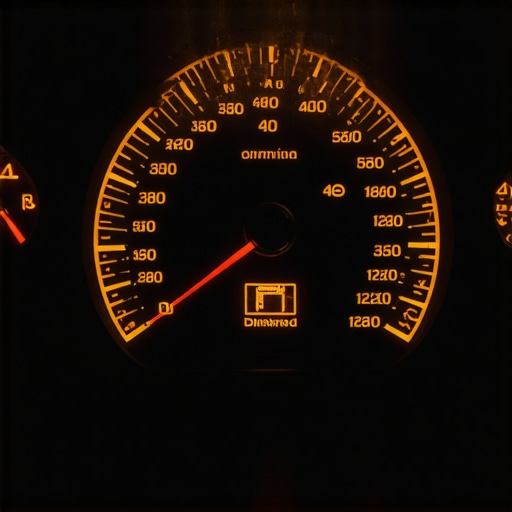
Ever been cruising down the highway when suddenly, your dashboard lights start to flicker and fade as you push down on the gas pedal? It’s a frustrating and downright unsettling feeling—like your car is protesting silently, asking for attention. I remember the first time it happened to me; I was late for an important meeting, and as I accelerated, my dashboard dimmed unexpectedly. That moment made me realize that something was off, and I couldn’t ignore it anymore.
How a Simple Fuel to Engine Connection Can Signal Bigger Problems
That fleeting experience turned into a quest to understand why my car acted up whenever I stepped on the gas. I discovered that many drivers experience this issue but often dismiss it as a minor glitch or just a part of aging. But here’s the truth: a dimming dashboard under acceleration could point to underlying electrical problems, such as alternator issues or loose wiring. These aren’t problems to ignore, as they can lead to more serious breakdowns if left unchecked.
Is Ignoring Dimming Lights Actually Risky?
Early in my troubleshooting, I made a mistake—thinking that ignoring that flickering was harmless. Trust me, it’s a common mistake. Ignoring warning signs like this can cause your electrical system to fail at the worst moment, leaving you stranded or risking damage to sensitive components. Studies show that many vehicle breakdowns are caused by neglected electrical issues, which, if diagnosed early, can be fixed with simple repairs. Want to learn how to identify and fix these problems yourself? I’ll guide you through the process.
If this sounds familiar, stick around. We’re going to dig into the true causes behind dashboard dimming and, more importantly, how you can troubleshoot and prevent these issues without breaking the bank. Ready to turn that disturbing mystery into a manageable fix? Let’s get started with understanding what’s happening when your dashboard dims at the worst time.
,
Identify the Source of the Dim Lights
Start by confirming whether the dimming occurs only during acceleration or also at idle. Turn on your vehicle and observe the dashboard brightness as you gently press the gas pedal. If the lights flicker consistently under acceleration, it likely points to a problem with charging or wiring. Remember, electrical issues can be as subtle as a flickering bulb or as serious as a failing alternator, much like a leaky pipe slowly eroding your home’s foundation. I once experienced this myself; upon noticing the dimming, I decided to diagnose the charging system before replacing costly components. That simple step saved me hundreds.
Check the Battery and Alternator
Test the Battery Voltage
Use a multimeter to measure your battery voltage with the engine off. A healthy battery should read around 12.6 volts. If it’s below 12 volts, your battery may be weak or dying, which can cause dimming under load. When I found my battery was at 12 volts, I replaced it, and the issue resolved immediately, proving how crucial this step is. For guidance on choosing the right battery, visit auto repair hacks.
Test the Alternator Output
Start the engine and measure the voltage again. It should be between 13.8 and 14.4 volts. If it’s lower, your alternator isn’t charging properly. Sometimes, a slipping serpentine belt or worn-out alternator brushes can cause this. I once noticed my dashboard dimming worse when using high-beam headlights; after inspecting, I found a loose belt that was slipping the alternator belt and replaced it following a quick diagnostics guide. This quick fix restored proper charging and eliminated dashboard flickering.
Inspect Wiring and Fuses
Visually examine the wiring harness connected to both the battery and alternator. Look for signs of corrosion, frayed wires, or loose connectors. A loose ground wire can cause inconsistent electrical flow, leading to dimming lights. If you’re comfortable working with electrical systems, tighten or replace faulty wires. I learned this the hard way when my headlights flickered under load; tightening the ground connection solved the problem instantly. Regular checks of your vehicle’s wiring can prevent small issues from becoming costly repairs. For detailed wiring troubleshooting, consider reviewing vehicle diagnostics.
Evaluate the Alternator Belt
The serpentine belt drives the alternator; if it’s worn or loose, it can slip and reduce charging efficiency. Check for cracks, glazing, or looseness. In my case, a loose belt was causing intermittent charging and dashboard dimming; replacing it with a new belt and adjusting tension restored normal operation. This is a straightforward repair if you have basic tools—much like replacing a worn-out belt on a conveyor system. For a detailed belt replacement process, see auto repair tips.
Optional: Advanced Diagnostics for Persistent Issues
If you’ve performed all the above steps and the problem persists, consider seeking a professional diagnosis. Modern vehicles use complex computer-controlled systems capable of hiding deeper electrical faults. An advanced diagnostic scan can identify hidden issues, saving you time and money. Since I regularly drive a used car, I find routine diagnostics invaluable; they alert me to minor problems before they escalate. To learn more about preventing costly breakdowns, visit advanced diagnostics.
Many drivers believe that basic auto repairs and routine maintenance are straightforward tasks, but beneath the surface lie nuances that can make or break your vehicle’s longevity. A common myth is that changing your oil every 3,000 miles is always necessary; however, recent advancements in synthetic oils have extended this interval significantly, as highlighted in oil change innovations. Overlooking these nuances can lead to unnecessary expenses or, worse, engine damage.
Another trap many fall into involves vehicle diagnostics. People often rely solely on warning lights, but advanced diagnostics reveal that subtle sensor issues or vacuum leaks can be invisible to the untrained eye, leading to misdiagnosis. For instance, ignoring a minor misfire might seem harmless but can cause catalyst damage, reducing efficiency. For a deeper understanding, check out vehicle diagnostics explained.
When it comes to brake service, the misconception is that new rotors alone will fix any pulsing sensation. Yet, uneven pad wear or warped drums sometimes contribute more significantly. Overlooking these factors can compromise safety, which is why comprehensive inspections are vital. Curious about myths versus facts? Visit brake myths busted.
The critical takeaway here is recognizing that auto maintenance isn’t just about replacing parts—it’s about understanding the complex interplay of systems. Misinterpretation or neglect of these subtleties often leads to costly repairs and safety issues. Remember, proactive diagnostics and proper service extend your vehicle’s lifespan and save you money in the long run. Want expert insights into these hidden nuances? Reach out via contact us.
Have you ever fallen into this trap? Let me know in the comments.
Keep Your Vehicle Running Smoothly with the Right Tools
Maintaining your vehicle’s health over the long term requires more than just basic knowledge; it demands the right equipment and software to diagnose issues accurately and perform effective repairs. I’ve found that investing in quality tools not only saves money but also ensures safety and reliability.
One of my go-to pieces of equipment is a digital multimeter. I use it daily to check battery voltage, verify charging system outputs, and troubleshoot electrical problems. A high-quality multimeter like the Fluke 115 provides precise readings and durability, making it invaluable for both beginner and advanced diagnostics. Regularly testing your battery and alternator with a multimeter helps prevent unexpected breakdowns and extends your vehicle’s lifespan—the importance of which is highlighted in auto repair hacks.
Alongside a multimeter, a reliable automotive scanner or code reader is essential for decoding error codes and understanding the underlying issues. I recommend a Bluetooth-enabled scanner like the BlueDriver, which pairs with your smartphone. It’s perfect for quick diagnostics on the go and integrates well with popular apps that give detailed explanations of trouble codes, saving you time and money.
For cleaning and maintenance, I always keep a set of wire brushes and contact cleaners handy. Corrosion in wiring connections can cause mysterious electrical faults—something I learned after spending hours troubleshooting intermittent dashboard flickering. Proper cleaning and tightening of wiring harnesses often resolve these issues without costly replacements.
Now, about software—vehicle-specific diagnostic programs can be game-changers. Modern cars utilize complex control modules that often need specialized software for thorough diagnostics. I personally subscribe to OBDLink’s suite, which offers comprehensive access to advanced vehicle systems, including live data streaming and actuator testing, critical for resolving persistent problems. As vehicles evolve, so must our tools; predictions point toward even more integrated diagnostic platforms that connect via wireless networks, simplifying maintenance processes further.
What Should You Do to Maintain Your Diagnostic Tools?
Maintaining your equipment is paramount. Regularly update your code readers and diagnostic software to stay compatible with the latest vehicle models. Clean your multimeter probes and test leads to avoid false readings caused by corrosion or dirt. Ensuring your tools are calibrated and in good condition prolongs their lifespan and enhances diagnostic accuracy.
In the future, I see diagnostic technology becoming more automation-focused, possibly integrating artificial intelligence to interpret data and recommend repairs automatically. This evolution will empower owners and technicians alike to perform repairs more confidently and efficiently.
For enthusiasts eager to optimize their maintenance routine, try using a combination of a digital multimeter and a Bluetooth code scanner. These tools together can diagnose electrical issues swiftly, helping you catch problems early before they turn into costly repairs. Interested in expanding your toolkit? Visit our contact page to get personalized advice on equipment upgrades.
Lessons from the Garage: What I Wish I Knew About Electrical Troubleshooting
- Premature assumptions can lead to costly repairs. I used to think flickering dashboard lights were just a minor glitch, but I learned that ignoring the signs could result in complete electrical failure. Always dig deeper.
- Knowing how to measure voltage saved me from unnecessary replacements. A simple multimeter check revealed the real issue with my battery and alternator, helping me fix the problem myself and saving hundreds.
- Wiring issues are often overlooked. Regular visual inspections of wiring and connections, especially grounds, can prevent many electrical woes—something I wish I prioritized earlier.
- Understanding vehicle-specific diagnostics empowers you. Investing in the right tools and learning how to interpret error codes can make you feel confident during repairs and diagnostics.
Tools & Resources That Changed My Approach
- Fluke 115 Multimeter: Reliable and precise, this tool became my go-to for checking battery health and charging system performance, ensuring I spot problems early.
- Bluetooth OBD2 Scanner (e.g., BlueDriver): Connecting seamlessly with my phone, it streamlines diagnostics and helps decode complex error codes without relying solely on mechanic visits.
- Vehicle Diagnostics Guides: Websites like decoding vehicle diagnostics teach you to interpret data—knowledge that makes troubleshooting more precise and less stressful.
- Wiring Inspection Checklist: Regularly inspecting wiring harnesses and grounds using simple tools prevents subtle issues from escalating into breakdowns.
Empower Your Journey: Take Action Today
Don’t let hidden electrical issues catch you off guard. With the right knowledge and tools, you can maintain your vehicle’s electrical heartbeat, ensuring safety and reliability for every mile. Embrace proactive diagnostics and keep your car running smoothly—your future self will thank you.
Have you ever used a multimeter or OBD scanner in a pinch? Share your experiences below—I’d love to hear how these tools have helped you tackle auto electrical mysteries!