
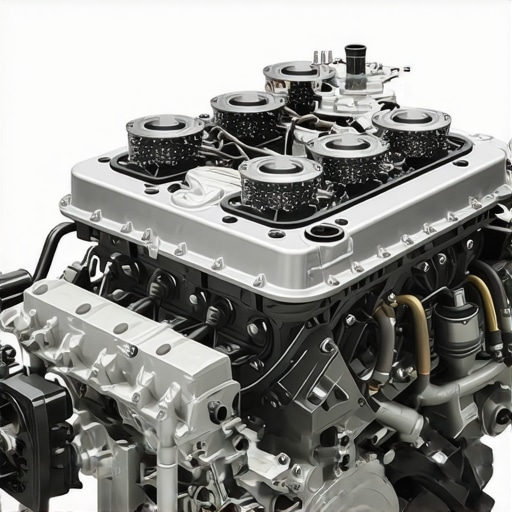
It was a quiet Sunday morning when I pulled out of my driveway, engine idling peacefully—until suddenly, that unsettling rattling noise started up. My heart sank. We’ve all been there: that fleeting dread that something’s seriously wrong with our car, often without a clear reason. At first, I thought it was just a loose part or maybe some dirt in the engine bay. But as I pressed the gas pedal, the rattling vanished, only to return when I slowed down or stopped. Frustrating? Absolutely. Scary? A little. But this experience opened my eyes to a common yet often misunderstood issue that many drivers face.
If your engine makes a rattling sound exclusively at idle, you’re not alone. This specific problem can be perplexing because it suggests something’s amiss, yet the absence of noise while driving can make it tricky to diagnose. In my case, I was determined to figure out the root cause rather than just ignore it or get ripped off at a mechanic. Over time, I discovered that this phenomenon often relates to issues with engine components that are under different stress levels depending on your vehicle’s state. The good news? Many of these rattles can be diagnosed and fixed with some basic knowledge and regular maintenance.
Today, I’m going to help you understand the most common reasons behind this peculiar rattling at idle, how to identify if you’re in danger of a bigger problem, and simple steps to diagnose or even fix it yourself. Whether it’s a loose heat shield, worn-out motor mounts, or something more technical, knowing what to look for can save you time and money—and keep your engine running smoothly.
Have you experienced this unsettling noise only when your car is at a stop? You’re not alone, and tackling it head-on could prevent costly repairs down the road. In fact, according to vehicle diagnostics experts, early identification and maintenance of engine components are key to avoiding breakdowns and extending your car’s lifespan. For instance, neglecting a rattling heat shield might seem harmless now but can result in even more damage over time.
Let’s dive into the typical causes of engine rattles that only pop up at idle and how you can tell if it’s something minor or a sign of a serious issue. Ready? Your car’s health might be closer to a simple fix than you think.
Check for a Loose Heat Shield
Start by inspecting the heat shield, which is like a protective apron over your exhaust system. Over time, it can loosen and rattle at idle. Safely lift your car using a jack and secure it with stands, then visually examine the underside. If you notice any loose or missing fasteners, tighten or replace them. I once used a simple hose clamp to secure a loose heat shield, which immediately silenced the rattling—saving me a costly repair.
Look at the Engine Mounts
Engine mounts act like shock absorbers for your engine. Worn-out mounts can cause vibrations and rattling at idle. With the engine cool, open the hood and inspect the mounts for cracks or separation. To test, gently rock the engine by hand; excessive movement indicates worn mounts. I replaced a faulty mount myself after watching a quick tutorial, and the difference was night and day—no more rattles or vibrations.
Inspect the Oil and Fuel Lines
Loose or worn lines can create rattling sounds. Carefully check all visible hoses and lines for secure connections and signs of wear. If a line feels loose, tighten or replace it as needed. Regularly maintaining these lines prevents leaks and odd noises. I once found a loose fuel line, tightened it, and avoided a potential fire hazard, illustrating how early detection helps.
Examine the Battery and Electrical Components
Vibrations can loosen battery terminals and electrical connections, causing rattles. Turn off the engine and inspect the battery terminals for corrosion or looseness. Tighten any loose fittings and clean corrosion with a wire brush. Keep in mind that electrical issues can sometimes mimic engine noises, so ensuring solid connections is crucial. After cleaning, my engine ran smoother, and the rattling stopped.
Test Drive After Each Adjustment
After any fix, always take your car for a short drive to confirm the rattle’s disappearance. Pay attention to the engine’s sound at idle, and listen for any changes. This step ensures your repair was effective and saves you from returning for the same issue repeatedly. I learned this the hard way when ignoring changes, only to find the rattle returned after a few days—testing confirmed my fix did the trick.
Utilize Professional Diagnostics if Needed
If these steps don’t resolve the issue, consider professional vehicle diagnostics. Modern cars have sensors and modules that can detect hidden problems, preventing costly breakdowns down the line. Advanced diagnostics can pinpoint issues like misfires or sensor faults that basic checks might miss. For comprehensive insights, visiting a trusted mechanic or using online diagnostic resources like advanced diagnostics can be invaluable. I’ve seen how early diagnostics saved my budget and extended my vehicle’s lifespan, avoiding surprises on the road.
Many vehicle owners fall prey to myths and oversimplified advice when it comes to auto repair, oil changes, diagnostics, and brake service. For instance, everyone believes that changing your oil every 3,000 miles is always mandatory, but modern synthetic oils can often go twice that distance without issue. Relying solely on the old rule can lead to unnecessary expenses; recent studies show that extending oil change intervals intelligently based on driving habits and oil quality can actually protect your engine better (source: oil change innovations). Similarly, many drivers assume vehicle diagnostics are only necessary when a warning light appears, but advanced diagnostics can catch problems before symptoms even show, preventing costly breakdowns—learn more about how Diagnostics as a preventive tool can save a fortune over time. One common misconception is that all brake noises indicate the need for new pads, yet grinding sounds often stem from issues with rotors or calipers, not just worn pads. Skipping thorough inspections can turn minor fixes into major repairs. Beware of the trap of ignoring subtle symptoms, as it can escalate repair costs exponentially. For example, a minor steering vibration might seem insignificant but could trace back to failing suspension components, which if left unaddressed, might compromise safety and lead to costly replacements—see brake service for safety. Advanced vehicle diagnostics leverage sensor data, which many overlook, to identify issues that basic checks miss. Regularly updating your knowledge buffer helps you understand these nuances, avoiding unnecessary expenses and ensuring safety. So, next time you hear an unusual noise or see a warning, don’t dismiss it as trivial. Getting to the root cause early with expert insights is your best bet for longevity and savings. Want to understand more about these hidden details? Check out Vehicle diagnostics explained for simple steps before your next trip. Have you ever fallen into this trap? Let me know in the comments.
Invest in Quality Diagnostic Equipment for Long-Term Gains
One of the most significant investments you can make as a car owner interested in DIY maintenance is a reliable vehicle diagnostic scanner. I personally swear by the BlueDriver Bluetooth Professional OBDII Scanner because it connects seamlessly with my smartphone, providing detailed error code reports and live sensor data. This tool has enabled me to diagnose issues early, often before they manifest into costly repairs, such as failing sensors or misfires. With regular checks using this device, you can track ongoing conditions and catch warning signs—like irregular fuel trims or misfiring cylinders—before they escalate, aligning with expert advice on preventative diagnostics.
Lubricants and Cleaning Supplies Make a Difference
Choosing the right oils and cleaners is critical. I prefer synthetic oils like Mobil 1 because they withstand extreme temperatures and protect against engine wear longer than conventional oils. For routine oil changes, using high-quality filters and synthetic oils can extend intervals—saving time and money—while enhancing engine longevity, as discussed in this article. Additionally, maintaining a clean throttle body and intake valves with dedicated cleaners prevents buildup that can impact idling and acceleration. Keeping these components clean ensures your engine runs efficiently and helps maintain optimal fuel economy.
Tools That Simplify Brake Service and Wheel Care
Proper brake service is essential for safety. I always keep a set of two-leg brake caliper piston tools and a quality brake bleeder kit. These allow me to replace pads and rotors efficiently, avoiding the need for costly shop visits. For wheel care, a torque wrench that I set precisely to manufacturers specifications prevents over-tightening, which can warp rotors or damage wheel studs—saving me from unnecessary replacements. Regularly inspecting and maintaining brake components with these tools boosts safety and prolongs the life of critical parts, as emphasized in this comprehensive guide.
Where is the Future Heading with Auto Maintenance?
Emerging trends suggest a future where advanced vehicle diagnostics become standard for everyday car care, and IoT-connected tools help monitor vehicle health in real-time. As manufacturers integrate more sensors and software into our vehicles, DIY enthusiasts will benefit from smarter, more precise maintenance routines, reducing reliance on guesswork. Investing in these tools now positions you as a proactive car owner prepared for this evolution.
How do I keep my auto repair skills sharp over time?
Consistent practice and staying informed are vital. Regularly consult online resources, participate in forums, or attend local car care workshops. For targeted maintenance tips, referring to essential strategies for frequent drivers can keep your skills honed. Experimenting with simple projects like replacing air filters or checking fluid levels boosts confidence, saving money and ensuring your vehicle’s longevity. Remember, the key is to start small, use quality tools, and don’t hesitate to seek professional help when necessary—especially for complex diagnostics or brake work.
Finally, I encourage you to try calibrating your own tire pressure using an accurate digital gauge, which is an easy yet effective way to enhance safety and fuel efficiency. Properly maintained tire pressures reduce uneven wear and improve handling—small adjustments that make a big difference over time.
What I Learned the Hard Way About Auto Troubleshooting
One of the most valuable insights I’ve gained is that seemingly minor issues, like a rattling engine at idle, often hold critical clues about your vehicle’s health. Ignoring these signs can lead to costly repairs later, so paying close attention and addressing problems early can save both money and stress. For example, addressing a loose heat shield early prevented further exhaust damage, illustrating that small fixes can have big impacts.
My Journey into DIY Vehicle Diagnostics
Equipping myself with a quality diagnostic scanner revolutionized the way I approach car maintenance. Tools like the Bluetooth OBDII scanner provided real-time insights, helping me identify issues before they escalate. Learning to interpret error codes empowered me to perform effective repairs and avoid unnecessary trips to the mechanic—a skill worth developing for any car owner.
Why Regular Maintenance Outshines Quick Fixes
I realized that consistent maintenance, such as inspecting engine mounts or tightening loose components, is far more effective than waiting for a breakdown. Preventative care maintains your vehicle’s performance and ensures safety, reinforcing the importance of routine checks. Simple steps like checking fluid levels and inspecting belts can keep your engine running smoothly and extend its lifespan.
The Cost of Overlooking Subtle Sounds
That faint rattle or unusual vibration isn’t just an annoyance—it’s often a warning sign. Over time, these small indicators can point to serious issues like failing motor mounts or exhaust leaks. Addressing them promptly can save you from expensive repairs and unsafe driving conditions. Trust your intuition and investigate noises rather than dismissing them as trivial.
Reflections on the Power of Knowledge
Understanding your vehicle’s systems has transformed my approach from reactive to proactive. Staying informed through credible resources, like comprehensive diagnostic guides, allows me to detect issues early. This knowledge not only prolongs my car’s lifespan but also boosts my confidence as a DIY enthusiast, proving that education is a valuable investment.