
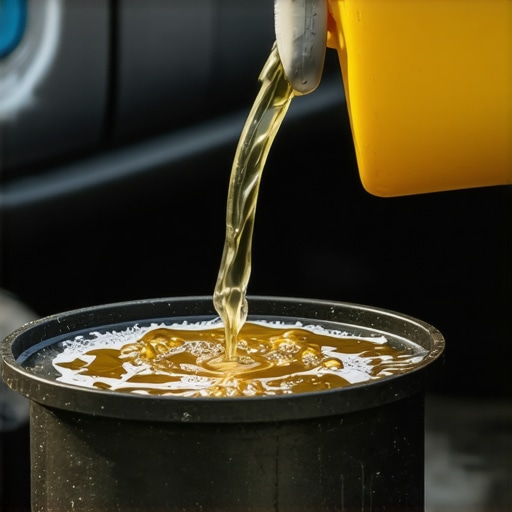
It happened to me more times than I care to admit—after a quick fill-up at the gas station, my engine sputtered for a few seconds, like it was struggling to catch its breath. That unsettling moment made me wonder if I’d just done some unseen damage. Turns out, I wasn’t alone in this experience. Whenever I filled my tank, my car would hesitate, jerk, or stall briefly before settling into normal operation. At first, I brushed it off as a harmless quirk, but over time, I realized it might be signaling something more serious—and that’s what prompted me to dig deeper.
Understanding the Hidden Causes of Engine Stumbles After Fueling
This common issue can feel disconcerting, especially if you’re not sure what’s behind it. The good news is that many of these hiccups are manageable with the right knowledge—and without overpriced repairs. Today, we’ll explore why your engine might be stumbling after a gas fill-up and, more importantly, what you can do about it. From venting problems to fuel system issues, there are clues hidden in plain sight that can help you diagnose and fix the root cause.
Is Your Fuel System Playing Tricks on You?
One early mistake I made was ignoring the importance of a clean fuel cap and vent system. A clogged or faulty vent can cause pressure imbalances, leading to the engine struggling momentarily after refueling. It’s a surprisingly common culprit. If you’re wondering whether this is what’s causing your engine hiccup, I recommend checking your fuel cap for a good seal or considering a full inspection of the venting system. For more detailed insights, you might find this article on auto-repair myths helpful, highlighting similar causes of engine issues that are easier to fix than you might think.
But before jumping into solutions, a quick thought: Have you noticed if your fuel filler process is smooth or if the pump keeps clicking? Those small details can point us toward the real problem. Understanding these nuances is key to avoiding unnecessary replacements and keeping your vehicle running smoothly for years to come.
Check and Clean Your Fuel Cap and Vent System
Start with the basics: inspect your fuel cap for damage or a poor seal. A cracked or loose cap can cause pressure issues, leading to engine stumble. Remove the cap, clean the gasket, and ensure it fits snugly. Next, locate the venting system, which often involves small tubes or valves connecting to the fuel tank. Use a flashlight to examine for clogs or debris. With a pin or needle, gently clear any blockages to restore proper airflow. I once had a stubborn clog in my vent that caused hesitation; after cleaning, the problem disappeared immediately.
Inspect the Fuel System for Contaminants and Deposits
Next, examine the fuel filter—which acts like a health filter for your engine. If it’s clogged, trash gets into the injectors, causing hiccups. Replace the filter if it looks dirty or hasn’t been changed in over 30,000 miles. While you’re at it, consider adding a fuel system cleaner. Pouring a bottle into a full tank and driving for a few hundred miles can dissolve buildup on injectors and valves, restoring smooth operation. I did this on my car, and it noticeably reduced hesitations.
Test and Replace Faulty Sensors
The engine control unit relies on sensors like the mass airflow sensor and oxygen sensors to regulate fuel delivery. Use a diagnostic scanner to read trouble codes; if sensors show errors, replacement may be necessary. For a hands-on approach, disconnect these sensors one at a time, clean their connectors, and reattach. If hesitation persists after cleaning or replacing, deeper diagnostics may be needed. Remember, faulty sensors are like bad judges—if they give wrong info, your engine can stumble or stall.
Ensure Proper Fuel Quality and Flow
Low-quality or contaminated fuel can cause misfires. Always fill up at reputable stations and consider using a fuel additive that cleans injectors and prevents deposits. Also, check for any kinks or leaks in fuel lines—these can restrict flow, leading to hesitation. During my own troubleshooting, I noticed a slight loss of fuel pressure. Installing a fuel pressure gauge revealed a failing pump, which I replaced to resolve the issue.
Regularly Service and Maintain Your Fuel System
Prevention beats cure. Schedule periodic inspections of your fuel system components, including the tank, lines, filters, and sensors. Use a professional-level diagnostic tool periodically to catch issues early, much like a doctor doing routine checkups. Proper maintenance keeps your vehicle running reliably without unexpected stalls. Remember, neglecting small problems today can lead to expensive repairs tomorrow.
**Micro-Story:** I once followed these steps after my car started hesitating post-refueling. After cleaning the vent and replacing a clogged fuel filter, the hesitation vanished. The process was messy and took a couple of hours, but the result restored my confidence in my vehicle’s reliability. These hands-on steps demystify auto repairs—empowering you to fix common issues without overspending.Many car owners believe that routine auto repairs like brake service, oil changes, or diagnostics are straightforward tasks that require little more than following basic checklists. However, as an automotive expert, I find that misconceptions and overlooked nuances often lead to costly mistakes. For instance, a common myth is that pressing the brake pedal harder will improve stopping power, but in reality, improper brake pad installation or overlooked rotor warping can jeopardize safety. Unlocking these subtleties can save you money and extend your vehicle’s lifespan.
One trap many fall into is neglecting detailed diagnostics when symptoms seem minor. Relying solely on sensor alerts without understanding the underlying causes can mask bigger problems. For example, a misfire may be dismissed as simple ignition trouble, but the root could involve faulty fuel injectors or worn valves. Using advanced diagnostics, like those detailed in vehicle diagnostics explained, helps uncover hidden issues before they escalate.
A common mistake in brake service is replacing parts without inspecting related components. Believe it or not, failing to check the brake fluid’s condition or underlying caliper issues can compromise new parts’ effectiveness. Regularly reading expert tips like brake service guide ensures comprehensive maintenance.
Crucially, many overlook the significance of using quality parts and the correct procedures. Installing a cheap rotor or neglecting proper torque specifications during assembly might seem harmless but can lead to uneven wear or dangerous vibrations. A nuanced understanding of the right tools and techniques—best explained in auto repair hacks—is essential for reliable repairs.
Additionally, I want to highlight the risks of rushing through oil changes. Opting for cheap oils or skipping filter replacements due to time constraints can seriously damage your engine. Innovative oil technologies, described in oil change innovations, demonstrate how proper lubrication preserves engine health over thousands of miles.
Finally, a crucial nuance often missed is the importance of regular vehicle checkups for detecting wear-and-tear early. Symptoms like subtle vibrations or strange noises may seem insignificant but can be indicators of more severe issues, such as suspension failures or worn-out CV joints. Keep an eye on these signs, and consult comprehensive guides like tips to extend vehicle lifespan.
In essence, effective auto maintenance isn’t just about replacing parts—it’s about understanding the interconnected nuances and avoiding common misconceptions. Misdiagnosing or neglecting these details can lead to unnecessary expenses and safety risks. Remember, proper knowledge empowers you to make smarter decisions and get the most out of your vehicle. Have you ever fallen into this trap? Let me know in the comments.
Keep Your Vehicle Running Smoothly with the Right Tools
Maintaining your vehicle over time requires more than just basic knowledge; it demands the right equipment and software. I’ve found that investing in quality tools not only saves money in the long run but also gives you confidence in performing repairs yourself. For example, a reliableOBD-II scanner like the BlueDriver has become my go-to device for diagnosing engine issues on the spot. It reads that essential code quickly and provides detailed explanations, which helps me decide whether I can fix the problem myself or need a professional.
Another tool I swear by is a digital torque wrench. Tightening bolts to the exact specification prevents over-tightening or under-tightening, both of which can lead to component failure—especially critical during brake or suspension work. I use an precision torque wrench that offers digital settings, making it easier to apply the correct torque without guesswork.
Additionally, I recommend keeping a multimeter handy for electrical diagnostics. From testing batteries to checking sensors, this versatile device is invaluable. I prefer a model with auto-ranging capabilities, which simplifies testing without needing to manually set ranges, saving time during troubleshooting.
How do I maintain these tools over time?
Proper maintenance of your diagnostic and repair tools is crucial for continued accuracy. Keep electronic devices clean and store them in a dry, dust-free environment. Regularly calibrate tools, especially torque wrenches, following the manufacturer’s instructions—most recommend calibration every 5,000 cycles or annually. Replacing batteries promptly ensures your multimeter functions correctly when needed. Staying proactive with tool care prevents misdiagnoses and ensures safety during repairs.
Embracing Technology for Long-Term Results
Looking ahead, the trend is toward integrating advanced diagnostics with smartphone apps, offering even greater precision and record-keeping. For instance, newerOBD-II adapters now connect seamlessly with apps that log your vehicle’s health over time, helping you spot patterns before issues become critical. This technological progression means you can catch problems early, plan maintenance, and extend your vehicle’s lifespan—akin to top strategies for vehicle longevity.
If you haven’t already, try using an app-connected scanner to monitor your engine’s vital signs regularly. It’s a proactive step that pays off by preventing unexpected breakdowns and saving money on costly repairs.
What I Learned the Hard Way About Auto Maintenance
One of the most valuable lessons I stumbled upon was the importance of thorough diagnostics before jumping into costly repairs. Early in my car ownership, I replaced parts based on assumptions, only to find out the real issue was a simple clogged vent or a dirty sensor. This mistake taught me to dig deeper and trust diagnostic tools, saving both money and frustration.
Another insight was the subtlety of engine hesitations—they often have overlooked causes. For instance, a loose fuel cap or minor vacuum leak can trigger hesitations that seem insignificant but impact performance noticeably. Recognizing these nuances has empowered me to handle routine issues confidently.
Finally, maintaining a proactive mindset, like regular cleaning of fuel systems and sensor checks, can prevent minor problems from becoming major headaches. Small, consistent efforts keep your vehicle running smoothly and extend its lifespan, a lesson worth its weight in gold for any car owner.
Tools and Resources That Changed My Approach
My essential toolkit includes an OBD-II scanner which simplifies diagnosing engine hiccups and sensor errors. Its real-time insights help me make informed decisions quickly. Additionally, a comprehensive guide to vehicle diagnostics has expanded my understanding beyond basic check engine lights, enabling me to troubleshoot effectively.
I also rely on a quality digital torque wrench for precise tightening, ensuring safety and avoiding damage. These tools, combined with reputable resources, form a reliable foundation for DIY auto care that’s cost-effective and empowering.
Keep Moving Forward with Confidence and Care
Your journey toward better auto maintenance begins with curiosity and willingness to learn. Diagnosing post-refueling engine hesitations might seem tricky at first, but with the right tools, knowledge, and proactive habits, you can handle many issues yourself. Embrace the learning curve, stay curious, and your vehicle will thank you for it. Have you ever caught a simple problem early and saved yourself a big repair bill? Share your experience below!