
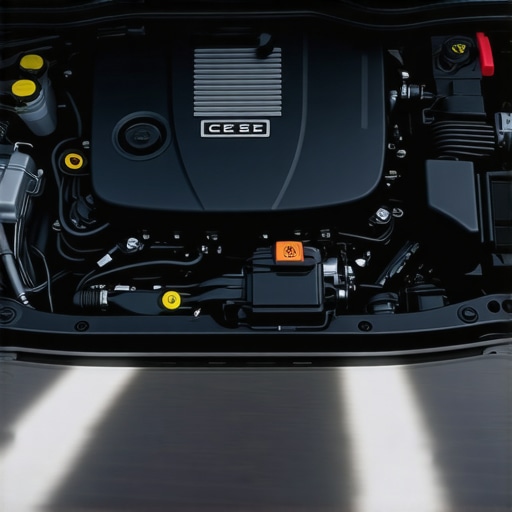
Have you ever been cruising along, enjoying a smooth ride, and suddenly your engine jerks or stalls just as your fuel gauge dips below a quarter tank? That frustrating moment where your car feels like it’s struggling, even though you’ve just filled it up yesterday. I remember the first time this happened to me—thinking it was just a fluke, only to realize it was a nagging issue lurking beneath the surface. It’s a lightbulb moment many drivers experience but few understand fully.
Getting to the Root of the Problem
The truth is, this phenomenon isn’t just a coincidence or a simple matter of running out of gas. It often points to a specific flaw within the fuel delivery system or related components in your engine. When the tank runs low, the conditions inside change, revealing hidden issues that stay hidden when the tank is full. Today, I’ll walk you through what might be causing your engine to stumble only at low fuel levels, and more importantly, how you can troubleshoot and fix this common annoyance.
Is Your Fuel Pump to Blame?
One of the leading culprits is your fuel pump. As the fuel level drops, debris or sediment at the bottom of your tank can get sucked into the pump, choking the flow of fuel. Over time, dust and rust accumulate at the bottom of tanks—especially in older vehicles—which can clog the pump or fuel filter, causing engine stumbles when it’s most vulnerable. Early on, I made the mistake of ignoring this problem, thinking a simple fill-up would fix it. But I soon learned that neglecting a potential clogged filter or weak pump can lead to more serious engine issues. Want to see how to diagnose if this is the case? There’s an easy trick involving a cigar that can help you spot vacuum leaks and identify fuel delivery problems—check out this method [here](https://repairmycarpro.com/the-5-minute-trick-to-find-a-vacuum-leak-with-a-cigar).
But before jumping into repairs, it’s essential to understand the signs and what’s happening behind the scenes when your tank gets low. That way, you won’t just be guessing—you’ll be fixing efficiently. Now, let’s explore some common causes and how to diagnose them step-by-step.
Inspect the Fuel Pump and Filter
Begin by locating your fuel pump, usually inside the fuel tank, and listen for a humming noise when turning the key to the “ON” position—this indicates functionality. If no sound, the pump might be dead or faulty. Remove the access panel in your trunk or under the rear seats to inspect the pump and filter for debris or corrosion. During my own attempt, I carefully disconnected the filter and found thick sediment clogging it, which was causing low fuel flow. Replacing a clogged filter is straightforward and can restore smooth engine performance. Check out this guide if you’re unsure about replacing filters.
Use a Cigar to Detect Vacuum Leaks
Sometimes, low fuel issues stem from vacuum leaks leading to inconsistent fuel delivery. To diagnose, flick a lit cigar near vacuum hose connections while the engine is idling—if the engine revs or smooths out, you may have a leak. I tried this method on my vehicle, and the engine responded noticeably when the cigar was near the intake manifold gasket, confirming a leak that needed sealing. This simple trick can save you time and money before resorting to complex repairs. Learn more about this technique at this resource.
Check and Replace the Fuel Pump
If your pump runs but still struggles at low fuel levels, it might be weak or failing. Using a multimeter, measure the voltage at the pump during operation—if voltage is stable but flow is low, replace the pump. For older vehicles, sediment buildup can cause a weak pump; in such cases, replacing the pump and cleaning the tank together is advisable. I experienced this firsthand when my car sputtered near empty; replacing the pump eliminated the stalls. Note: Always relieve fuel system pressure before disassembly to prevent spray accidents. For tips on safely removing and replacing oil pan bolts, see this guide.
Test Fuel Pressure and Flow
Attach a fuel pressure gauge to the fuel rail or Schrader valve to verify pressure matches manufacturer specifications. Low pressure indicates a weak pump or clogged fuel filter. During my test, I found my pressure was half of the recommended range, confirming the need for a pump replacement. If pressure is fine but the engine still stalls, consider inspecting the injectors for clogging or leaks. Proper pressure testing ensures you pinpoint the exact cause without unnecessary parts swapping.
Ensure Proper Fuel Delivery at Low Levels
Older tanks tend to have sediment or rust at the bottom, which gets stirred up when fuel drops below a quarter tank. Regularly topping off your tank with high-quality fuel prevents debris from causing blockages. Additionally, adding a fuel stabilizer during refills can reduce deposit buildup. I started doing this after experiencing sluggish acceleration at low fuel; consistent topping off and fuel system cleaning prevented future stalls. For a deeper dive into maintaining your fuel system, see this article.
Many car owners believe that sticking to the routine — like brake pad replacements or oil changes — keeps their vehicle in prime condition. However, this mindset often overlooks the subtle nuances that can make a significant difference in performance and longevity. For example, numerous drivers assume that a simple brake pad swap suffices, but neglecting rotor condition or caliper health can lead to squealing or uneven wear over time. As an expert, I’ve seen countless cases where misdiagnoses or skipped steps, such as ignoring hidden rust on brake lines or failing to check brake fluid contamination, have caused costly repairs down the line.
Why Do Most People Overlook Brake System Complexities?
It’s easy to think of brakes as a straightforward component: pads press against rotors, and you’re done. Yet, brake systems comprise multiple interconnected parts, and ignoring subtle signs—like a soft pedal or pulsations—can spell disaster. The trap here is assuming that all brake noises or sensations are normal wear and tear, when sometimes, they indicate issues like warped rotors or sticking calipers. In practical terms, a comprehensive inspection involves checking for uneven pad wear, measuring rotor thickness, and assessing brake fluid quality. This level of detail can prevent premature part replacements and ensure safety, which is why I always recommend detailed diagnostics rather than a quick pad change.
Vehicle Diagnostics: What Common Myths Lead You Astray?
One widespread misconception is that if the check engine light isn’t on, the vehicle’s systems are perfect. Reality check: modern cars have complex sensors that can fail silently or not trigger warning lights until a critical point. Relying solely on scan tools or the absence of warning lights can hide underlying issues like sensor calibration errors or hidden vacuum leaks. Advanced diagnostics—such as smoke testing for vacuum leaks, or performance data logging—are essential. An often-overlooked trap in diagnostics is assuming that all faults reset after repairs unless specific procedures are followed. For example, a misdiagnosed oil leak might seem fixed after topping up oil, but if sensor calibration isn’t reset, the engine control unit (ECU) won’t recognize the repair, leading to persistent issues. To deepen your understanding, check out detailed diagnostic methods at this resource.
Editions in Oil Changes That Many Forget
Many assume that an oil change is merely draining old oil and adding new, but the nuances lie in choosing the correct oil weight and knowing when to switch to synthetic or high-mileage formulas. For older engines, using the right oil—like the secret to high-mileage oils—can prevent engine wear. Also, draining the oil completely without cleaning the oil pan and replacing the filter can lead to residual debris causing long-term problems. Another mistake is neglecting to check for metal shavings or sludge—indicators of internal engine wear that require more than just an oil change. Recognizing these subtleties can extend engine life and improve overall vehicle health.
Have you ever fallen into this trap? Let me know in the comments.
Prioritize Precision with Professional Diagnostics
One of the best investments I made was returning to professional-grade diagnostic tools, like the Autel MaxiDiag Elite. This handheld device offers comprehensive OBD-II scanning capabilities, allowing me to pinpoint issues like vacuum leaks or sensor faults with confidence. Unlike generic scanners, it fetches OEM-specific codes, which saves time and reduces guesswork. With regular use, I can verify that my engine’s parameters stay within optimal ranges, especially after repairs or oil changes—helping me catch minor problems before they escalate.
Invest in Quality Hand Tools for DIY Maintenance
Basic socket sets are fine, but I prefer a precision torque wrench like the GearWrench ½-inch drive. Proper torque is critical, particularly for components like wheel lug nuts or oil drain plugs, to prevent over-tightening that can strip threads or under-tightening that leads to leaks. Maintaining correct specifications ensures safety and avoids future repairs. Additionally, I keep a set of magnetic pick-up tools and LED work lights in my garage—these seemingly small additions make diagnosing and swapping out parts much more manageable, especially in tight spaces.
Specialized Equipment Enhances Long-Term Results
For tasks like inspecting the integrity of fuel injectors or detecting vacuum leaks, smoke machines are indispensable. Using a smoke tester, such as the Holts or Lisle brand, I can visualize leaks that might be invisible to the naked eye. Even better, combining smoke testing with the cigar trick mentioned earlier provides an unbeatable edge in diagnosis. Investing in such tools might seem costly upfront, but the time saved and accuracy gained are well worth it, especially when working on critical systems like your fuel delivery or brake hydraulics.
Have a Routine Maintenance Checklist
Beyond tools, a structured approach to maintenance ensures longevity. I schedule regular inspections for fluid levels, brake pads, and belts—using apps like CarGauge for tracking. Setting reminders for oil changes, filter replacements, and brake fluid flushing keeps the vehicle running smoothly over time. Adopting a proactive mindset means fewer surprises and keeps your repair costs predictable. Plus, it allows early detection of wear, like rust on brake lines or worn calipers, which can be costly if neglected.
The Future of Auto Maintenance: Going Digital and Automated
Looking ahead, I expect vehicle diagnostics and maintenance to become increasingly automated, with AI-driven sensors providing real-time feedback. Already, some high-end models integrate predictive maintenance, alerting drivers to component wear before failure. Embracing these advancements now—by investing in universal diagnostic tools and learning how to interpret data—positions you to stay ahead in vehicle care. For example, mastering the use of diagnostic software will become essential as cars become more complex.
Thinking about your maintenance routine? Try integrating a vacuum leak detection method with your existing tools. It’s a simple, yet effective step that can save you from costly repairs down the line. Remember, the key to keeping your vehicle reliably on the road is using the right tools effectively—don’t settle for makeshift solutions when precision makes all the difference.
Lessons the Road Taught Me About Fuel and Repairs
- Never underestimate the quiet signs—sometimes, your car whispering “something’s off” at low fuel levels is a cry for attention, not just routine fuel starvation.
- Something as simple as sediment buildup can cause unexpected engine stalls; regular inspections and early cleaning can save you from costly repairs later.
- Tools like smoke testers or a cigar trick are invaluable—giving you a sneak peek into hidden leaks that sabotage your vehicle’s performance.
- Patience and attention to detail during diagnostics pay off. Diagnosing a weak fuel pump isn’t guesswork—it’s about listening, testing, and knowing when to replace.
- Embrace preventative maintenance—topping off your tank regularly, replacing filters on schedule, and using quality fuel to keep sediment and debris at bay.
Tools and Resources That Changed My Approach
- The Autel MaxiDiag Elite—A powerhouse for comprehensive diagnostics; it’s like having a mechanic’s expertise in your pocket.
- Smoke testers—Investing in quality equipment like Holts or Lisle makes leak detection straightforward, saving hours of guesswork.
- Fuel pressure gauges—With accurate readings, you can confidently determine if your pump or filter is to blame, avoiding unnecessary replacements.
- Online tutorials and guides—Resources like repairmycarpro.com have been transformative, offering step-by-step insights on everything from fuel pump replacements to vacuum leak detection.
Keep Moving Forward with Confidence
Understanding the nuances of your vehicle’s fuel system and adopting proactive diagnostics elevates your auto repair game. Trust me, mastering these small but powerful techniques not only saves money but also empowers you as a responsible driver. Don’t shy away from getting your hands a little dirty—they’re the first step toward dependable, trouble-free travel. What low fuel challenge taught you the most? Share your stories below—I’d love to hear how you tackled them!