
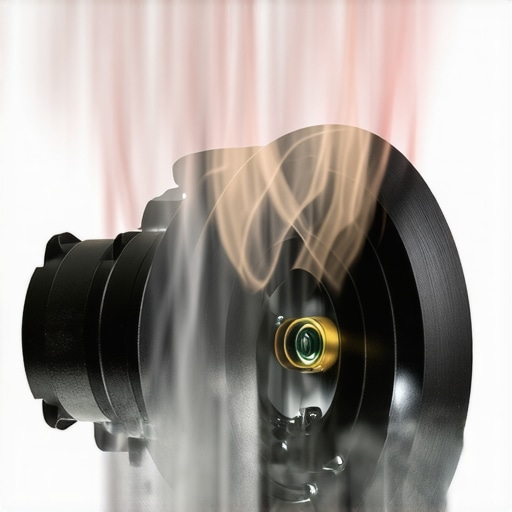
I vividly remember the first time I installed new brake pads on my car, thinking I was finally making an upgrade. But as I drove off, a strange, acrid smell started to fill the cabin. Turns out, that burning odor was not something to ignore. It was a lightbulb moment for me, realizing that new brake pads often emit a smell during the initial few miles—something I’d overlooked for too long.
Don’t Ignore That Smell: What It Really Means
The smell of burning brakes can be alarming, especially if you’re a new car owner or someone who just had brake service done. Often, it’s caused by the pads bedding-in to the rotors—a normal process where the pad material transfers slightly onto the rotor surface. But, if the smell persists beyond the initial break-in period or is accompanied by a feeling of the pedal being hard or spongy, it might indicate an issue that needs immediate attention.
Being aware of what’s normal and what’s not can save you a lot of trouble—and money. For instance, a consistent burning smell could be a sign of stuck brake calipers, brake fluid leaks, or contaminated pads. Early detection prevents excessive wear or even safety hazards. If you’ve recently experienced this problem, don’t wait until it’s too late. Check out some practical tips [here](https://repairmycarpro.com/the-ultimate-guide-to-brake-service-for-safety-and-performance).
What if I just replaced my brake pads? Is this still a concern?
Absolutely. New brake pads may emit a burning smell during the bedding-in phase, which is natural and usually temporary. However, if the smell continues after a few hundred miles, it could signal a problem such as improper installation or a malfunctioning component. Making the mistake of ignoring persistent odors can lead to warped rotors or brake failure. Early intervention is key.
In my early days of vehicle repair, I made the mistake of dismissing a lingering smell, thinking it was just part of the process. That oversight cost me more time and money later. By learning from those mistakes, I now know to verify that all brake components are correctly installed and functioning properly. Want to avoid costly repairs? These [auto repair hacks](https://repairmycarpro.com/auto-repair-hacks-save-money-without-sacrificing-quality) are invaluable.
In the upcoming sections, I’ll guide you through the straightforward steps to determine whether that burning smell is normal or something requiring professional attention. Understanding your vehicle’s warning signs can keep you safe and extend the lifespan of your brakes—even when that familiar smell appears. Ready to dive into how to troubleshoot and fix this issue yourself?
Inspections to Pinpoint the Issue
First, safely park your vehicle on a flat surface and turn off the engine. Use a flashlight to examine the brake calipers, rotors, and pads for signs of overheating, discoloration, or uneven wear. If the calipers are sticking or if you notice uneven pad deposits, these are red flags. Remember, a stuck caliper can cause continuous friction, leading to that burning smell even after a short drive.
Check for Brake Caliper Sticking
Gently try to move the caliper smoothly. If it feels stuck or if the piston doesn’t retract properly, it might need repairs or replacement. Applying a caliper lubricant can sometimes resolve minor sticking, but persistent issues require professional servicing. I once faced this myself; after cleaning and recoating the caliper slides, the sticking stopped, and the smell disappeared.
Measure Brake Rotor Temperature
Use an infrared thermometer to check rotor temperatures after a brief drive. Significant temperature differences between wheels indicate uneven braking forces. For example, if one rotor exceeds 500°F (260°C) while others stay below 300°F (150°C), it suggests caliper or brake hose problems. This quick check helped me identify a seized caliper that was causing overheating before driving to a mechanic.
Addressing Maintenance and Repair
If visual inspections reveal worn or damaged pads, replace them promptly. During pad replacement, ensure correct bedding-in procedures, which involve gradually increasing brake pressure to transfer an even layer of pad material onto the rotor—this process naturally produces a temporary smell. To avoid poor bedding, follow specific instructions from your brake manufacturer or consult [this guide](https://repairmycarpro.com/the-ultimate-guide-to-brake-service-for-safety-and-performance).
Flush and Replace Brake Fluid
Old brake fluid absorbs moisture, which can lower boiling points and cause vapor lock during heavy braking—contributing to overheating and smell. Flushing the brake system removes degraded fluid and contaminants. This process is straightforward: attach a clear hose to the bleeder valve, pump the brake pedal, and drain old fluid until clean fluid appears. I completed this on my car during routine maintenance, which significantly improved braking performance and reduced the smell.
Check Brake Lines for Leaks or Contamination
Inspect the brake hoses and lines for cracks, bulges, or leaks that may allow brake fluid to escape or contaminate pads. Seized or leaking lines can cause uneven pressure and excessive heat buildup. Replacing faulty lines restores proper brake operation and prevents further overheating. Remember, routine visual checks help catch these issues early.
Knowing When to Call a Professional
If after these steps the smell persists, or if you’re uncomfortable performing inspections, it’s safest to seek expert help. A professional mechanic can perform comprehensive diagnostics, including sensor checks and rotor assessments, to isolate hidden issues. Regular maintenance and early diagnosis save you from costly repairs or unsafe driving conditions, so don’t hesitate to visit [support](https://repairmycarpro.com/contact-us) if doubts arise.
Many car owners operate under assumptions about auto repair, oil changes, and diagnostics that can lead to costly mistakes. For example, the widespread belief that changing your oil every 3,000 miles is necessary despite advancements in synthetic oils is a myth that can cause unnecessary expenses. Modern synthetic oils can last 7,500 to 10,000 miles depending on driving conditions, as detailed in expert analyses. Relying on outdated intervals may cause you to replace oil prematurely, but ignoring actual vehicle needs can lead to engine wear.
Why Do Some Vehicles Require Different Service Guidelines?
Understanding that vehicle maintenance isn’t one-size-fits-all is critical. Factors like engine design, driving habits, and climate conditions influence service intervals. Some manufacturers recommend longer oil change periods or specific brake fluid replacements, which can be overlooked if owners follow generic advice. Consulting your vehicle’s manual or professional diagnostics ensures you’re not hampering performance. A common mistake is trusting automated alerts blindly; vehicle diagnostics tools can detect nuanced issues beyond dashboard warnings, saving you money and preventing breakdowns. As explained in expert guides, advanced diagnostics can reveal hidden faults, like minor leaks or sensor failures, before they escalate. When it comes to brake service, believing that squealing always indicates worn pads misses the nuance that dirt and moisture can cause temporary noise, and replacing pads unnecessarily can be costly. Conversely, overlooking persistent noise can lead to rotor damage.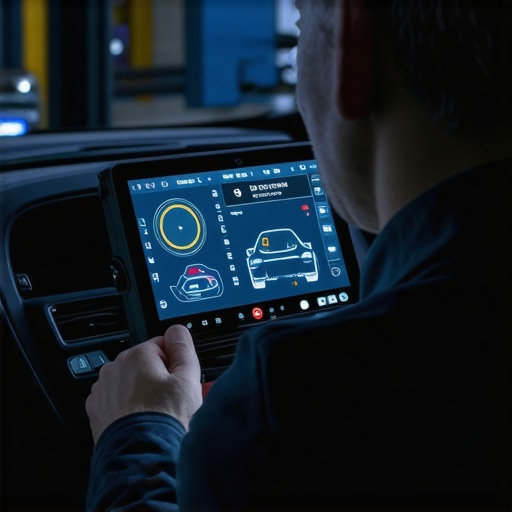
Make sure to perform thorough inspections and trust your mechanic’s expertise—learning this nuance prevents both over- and under-maintenance. Especially in vehicle diagnostics, understanding the subtleties can be the difference between a smooth ride and unexpected breakdowns. Have you ever fallen into this trap? Let me know in the comments for more insights on avoiding common repair pitfalls.Maintaining your vehicle’s performance requires more than just the basics; it involves investing in quality tools and mastering effective methods. Personally, I rely on a digital infrared thermometer to monitor brake rotor temperatures after a test drive. This tool provides instant, accurate feedback on overheating issues that can be missed during visual inspections. Its ease of use and precision make it indispensable, especially when diagnosing uneven pad wear or sticking calipers. For complex diagnostics, I turn to professional-grade automotive scan tools like the Autel MaxiCOM series, which allows me to read and clear error codes, view live sensor data, and evaluate engine performance comprehensively. These tools empower me to identify issues early, saving time and money while ensuring safety.
When it comes to fluid maintenance, I prefer using a quality brake fluid tester like the Snap-on BAC3400. It measures moisture content in brake fluid, which is crucial because contaminated fluid can cause vapor lock and brake fade. Regular testing helps me decide when a fluid flush is necessary, extending the lifespan of brake components and maintaining optimal braking performance. For oil changes, I follow the latest innovations highlighted in expert reviews, such as synthetic oils with high-temperature stability and enhanced additive packages that last longer—and I use high-precision oil filters from reputable brands to prevent contaminants from circulating.
Looking ahead, the evolution of vehicle diagnostics points toward increased integration of AI and connected devices. I predict a future where real-time data from your vehicle can be accessed and analyzed remotely, offering proactive maintenance alerts before issues become critical. Staying abreast of these advances will allow DIY enthusiasts and professionals alike to optimize upkeep and reduce unexpected breakdowns.
How do I keep my vehicle running smoothly over time? It’s all about consistency. Regularly scheduling inspections, using appropriate tools for diagnostics, and adhering to manufacturer guidelines are key. For instance, I recommend performing routine brake fluid tests every two years and oil analyses annually—these simple steps can reveal impending problems early. Want to get started with advanced diagnostics? Try using a scan tool like the Autel MaxiCOM to read your vehicle’s error codes; it’s straightforward and immediately insightful. Remember, the right tools make all the difference in maintaining reliability and safety on the road.
Little Tricks That Made All the Difference in Auto Repair
One of the most valuable lessons I learned was the importance of trust in quality diagnostic tools. Investing in a reliable infrared thermometer transformed how I identify overheating issues, saving me time and unexpected costs. Real-world experience showed me that cheap tools often lead to missed problems, which can escalate into costly fixes. So, prioritizing precision over price has become my approach for maintaining safety and performance.
Another eye-opener was discovering how comprehensive knowledge about brake bedding-in procedures can extend the lifespan of new pads. Following manufacturer-specific methods after replacements prevents squeals, uneven wear, and ensures optimal braking performance. This detail was something I overlooked initially, but now I see it as a crucial step that I can’t ignore for lasting results.
Finally, I realized that routine fluid testing, especially brake fluid moisture content, is a simple but effective way to prevent brake fade and corrosion. Regularly using a quality tester like the Snap-on BAC3400 helped me catch issues early, avoiding dangerous situations. These lessons proved that paying attention to small details makes my vehicle more reliable and safer on the road.
My Go-To Resources That Boost My Car Care Confidence
Whenever I want to improve my auto repair skills, I turn to trusted tools like the latest synthetic oils and engine tech guides. They help me understand how innovations can prolong engine life, which is essential even if I’m just doing routine oil changes myself.
For diagnostics, I rely on detailed tutorials and forums that provide real-world insights from experienced mechanics. The guide on advanced vehicle diagnostics opened my eyes to early warning signs I’d previously missed, like subtle sensor readings or uneven wear patterns. Having access to these resources boosts my confidence in troubleshooting effectively.
And when it comes to brake service, the comprehensive brake systems guide has been invaluable. It helped me understand proper bedding-in processes and when to seek professional help, making my repairs safer and longer-lasting.
Believe in Your Ability to Keep Your Car at Its Best
Every successful repair or maintenance task I’ve completed has reinforced that you don’t need to be a professional mechanic to care for your vehicle properly. With the right tools, trusted resources, and a mindset of continuous learning, you can handle many issues before they turn into emergencies. Remember, taking proactive steps now can prevent costly repairs and keep you safe during every drive. So, why not start your next auto maintenance project today? Share your experiences with brake smells or diagnostics below—I’d love to hear your stories!