
Ever been stranded on the side of the road, frustration boiling, while your car stubbornly refuses to start or behave oddly? I remember the lightbulb moment when I realized my vehicle’s dashboard was eerily quiet—no warning lights, no alert, yet something was undeniably wrong. That silence can be deceiving and, honestly, dangerous.
Why You Might Miss Critical Sensor Failures Without a Check Engine Light
Many drivers assume that if their dashboard isn’t flashing warnings, everything must be fine. But here’s the truth: some issues can hide behind the scenes, quietly damaging your engine or transmission. They fail silently because they don’t trigger the familiar warning system. This oversight can lead to costly repairs or even breakdowns.
I’ve learned this the hard way—early on, I ignored the subtle signs because the warning light didn’t come on. My mistake was assuming the absence of a check engine light equates to a clean bill of health. However, recent studies highlight that certain sensor failures can escape the diagnostic scanner’s eye unless you know exactly where to look. According to a report by CARFAX, nearly 30% of engine problems originate from sensors that don’t illuminate the check engine light, leading to delayed repairs and increased costs.
So, what are these sneaky sensors? And how can you identify issues before they snowball into expensive repairs? That’s exactly what we’ll explore. Stay tuned, because understanding these silent failures could save you a fortune—and a lot of stress.
Ready to dig deeper? Let’s go beyond the dashboard lights and uncover what might be hiding in plain sight.
Start With a Basic Inspection of Sensors and Connections
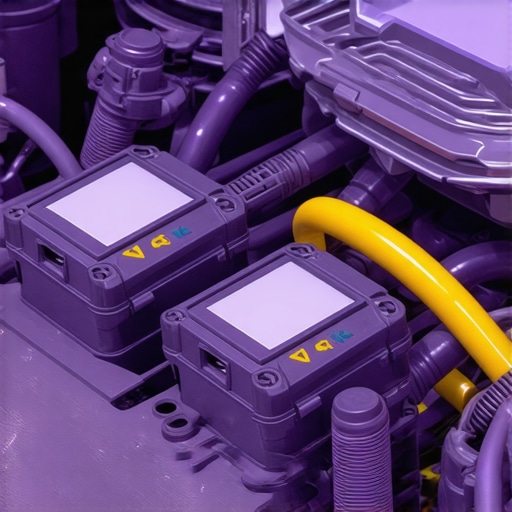
Mirror the process of checking your home wiring: look for loose or corroded connectors. Remove the sensor modules if accessible, and visually inspect for damage, dirt, or corrosion. Remember, a faulty connection can mimic sensor failure. I once found a loose oxygen sensor connector that was causing subtle engine misfires, even though the check engine light stayed off. Tightening the connection restored normal performance without replacing parts.
Use a Diagnostic Scanner Beyond the Default Codes
Many drivers rely solely on generic OBD-II scanners, but these often miss specific sensor issues that don’t trigger a warning light. Invest in an advanced scan tool or access online resources to interpret live data streams. For example, monitoring parameters like intake air temperature or fuel trim values can reveal anomalies. In my experience, watching these real-time readings uncovered issues that the scanner’s error codes didn’t report, saving me from unnecessary repairs.
Compare Sensor Readings During Different Conditions
Imagine your vehicle as a patient; taking measurements in various scenarios helps identify inconsistencies. Drive in normal conditions, then test under hard acceleration or cold starts, noting discrepancies in sensor data. If a sensor’s output varies abnormally with temperature or load, it’s a red flag. I once noticed my manifold absolute pressure sensor’s readings spiked randomly during a test drive, indicating it was malfunctioning, despite no warning lights showing.
Perform a Controlled Test or Swap Sensor Modules
Think of this like swapping a faulty light bulb — swapping similar sensors can confirm the suspect. If you have spare sensors or can borrow from another vehicle, swap them out temporarily. Observe if the issue persists. When I swapped an oxygen sensor with a known good one, the engine ran smoothly, confirming the original sensor’s failure was silent but impactful. Be cautious: some sensors require calibration after replacement, which leads us to the maintenance step.
Reset System Alarms Properly After Repairs
After fixing or replacing sensors, the vehicle’s system needs to be reset to clear error states. Use a scan tool capable of clearing codes and resetting specific alarms. Incorrect resets may cause persistent false positives. I once reset my maintenance light with a DIY scanner, and it kept coming back because I didn’t follow the proper reset procedure—closely follow manufacturer instructions or consult reliable guides. You can find detailed steps tailored for 2026 models on the site here.When it comes to vehicle care, there’s a common misconception that basic alerts and standard procedures are enough. Many drivers believe that if the check engine light isn’t on, their car is fine, or that routine oil changes and brake services are straightforward with no room for error. However, this oversimplification can lead to overlooked issues and costly repairs. Let’s explore some nuanced pitfalls that even experienced DIYers and seasoned mechanics often miss.
One major myth is the faith placed in generic diagnostic tools. While these scanners are handy, they frequently fail to detect certain critical failures, especially in newer vehicles with complex electronic systems. According to expert analysis, most inexpensive scanners overlook approximately 30% of GDI (Gasoline Direct Injection) sensor failures, which can cause silent damage to the engine. Relying solely on these tools might give a false sense of security, leading you to ignore subtle signs of impending trouble.
Another common mistake involves underestimating the importance of sensor connections. Many assume that if the engine runs smoothly, sensors are functioning perfectly. However, loose or corroded connectors can mimic sensor failures without triggering warning lights, as I experienced when a loose oxygen sensor connector caused misfires but kept the dashboard clear. Visual inspections and proper connections are sometimes more revealing than digital readouts.
A particularly sneaky trap is the assumption that regular oil changes are enough to prevent sludge formation. While following the 4,000-mile rule is generally sound, some drivers overlook the fact that modern bio-synthetic oils require specific protocols to avoid internal sludge buildup, especially in turbocharged engines. Neglecting manufacturer-recommended oil types and change intervals—like the 3,000-mile intake cleaning in GDI engines—can accelerate engine degradation. Learn more about these advanced practices to keep your engine clean and healthy.
For advanced DIY enthusiasts, understanding when to calibrate systems after repairs is vital. For instance, after replacing brake sensors or recalibrating the transmission, failing to reset the system properly can cause persistent error codes or false alarms. Some vehicle systems demand precise procedures, which can be overlooked if you’re unaware. Check out detailed reset guides to avoid this common mistake.
How Can You Detect Silent Sensor Failures Before They Cause Damage?
This question taps into the deep nuance of diagnostics. Monitoring live data streams under varied conditions helps identify anomalies that standard error codes miss. Tools that interpret real-time sensor data—like intake temperature or fuel trim—offer early warnings. Additionally, knowing how to perform controlled swaps or tests can confirm if a sensor or connection is at fault. Remember, advanced tools like AI diagnostics can sometimes miss critical failures if they aren’t programmed to recognize newer failure modes, so supplementary manual inspections remain essential.
In conclusion, while routine maintenance seems straightforward, the real nuances involve understanding system intricacies, avoiding complacency with diagnostic tools, and recognizing the importance of detailed inspections. Ignoring these hidden factors can lead to more severe problems down the line.
Have you ever fallen into this trap? Let me know in the comments. Staying vigilant is key to keeping your vehicle running smoothly and avoiding expensive surprises.
Prioritize Reliable Diagnostic Equipment for Consistent Results
Investing in a high-quality OBD-II scanner is fundamental for maintaining your vehicle’s health over time. I personally rely on advanced scan tools like the Autel MaxiCOM series because they offer comprehensive live data streaming, which helps me monitor sensor performance beyond basic error codes. Unlike generic scanners, these devices allow real-time parameter checks such as fuel trim, ignition timing, and turbo boost pressure, enabling early detection of issues before they trigger warning lights.
Furthermore, pairing your scanner with specialized software like OBDLink’s mobile app adds flexibility and detailed insights. This combination lets me perform deep diagnostics, reset trouble codes properly, and track historical data, making troubleshooting more effective.
Implement Routine Maintenance with Precision Tools
Long-term vehicle health depends heavily on routine tasks like oil changes and brake service. For oil maintenance, I recommend using a quick oil drain pump that connects to your car’s drain plug, allowing faster, cleaner oil changes especially in tight engine bays. This tool, combined with a quality oil extractor, minimizes mess and ensures you replace oil filters thoroughly. For brake service, a digital caliper is invaluable—enabling precise pad thickness measurements and even caliper piston adjustments. I’ve found that maintaining accurate measurements prevents premature wear and improves stopping power.
Keep Systems Calibrated with Specialized Equipment
Modern vehicles require specific calibrations after sensor or actuator replacements. For example, brake-by-wire systems or regenerative braking calibrations are critical. Using dedicated calibration tools, like the brake sensor calibration kits linked here, helps ensure these systems function flawlessly. Proper calibration avoids false obstacle warnings or sluggish brake responses, which could be dangerous.
Tools That Future-Proof Your Repairs
As vehicle technology advances, so does the need for more sophisticated equipment. I predict that in the near future, AI-powered diagnostic platforms will become more prevalent, offering predictive maintenance insights—detecting potential sensor failures or mechanical wear before they manifest as issues. Currently, I use a combination of standard scanners and diagnostic software that can interpret complex data for newer vehicles, but keeping an eye on emerging AI diagnostic tools can give you an edge.
How do I maintain vehicle diagnostics and repairs over time?
The key is regular calibration and software updates for your tools. Ensure your diagnostic software stays current; developers often release updates to accommodate new vehicle models and fault codes. Additionally, conducting periodic system checks—like verifying sensor readings with a secondary device—can catch discrepancies early. Remember, calibration kits and live data monitoring are your allies in long-term reliability. For instance, if you’re handling brake sensor replacements, always perform a reset and calibration immediately after to prevent false alarms. Try using the calibration procedures linked here for your next brake service and see the difference it makes.
Lessons from My Garage: The Snags Car Owners Often Miss
One eye-opening lesson was realizing that a quiet dashboard doesn’t guarantee a healthy engine. Sometimes, silent sensor failures creep in without warning, almost like stealth agents, causing long-term damage. I learned to trust my intuition and dive deeper, inspecting connections and monitoring live data streams. Tiny issues like a loose oxygen sensor connector can masquerade as benign faults but have serious implications.
Another revelation was the importance of calibrated swaps—exchanging sensors with known good units to pinpoint the problem. This approach saved me from costly replacements and highlighted how systems need proper resets afterward to function flawlessly. It’s a reminder that DIY isn’t just about replacing parts but understanding the system holistically.
Investing in advanced diagnostic tools, like those discussed in this resource, can reveal faults that basic scanners overlook. The key is combining high-tech with traditional inspection—striking that perfect balance is what sets a proficient DIYer apart from the rest.
Gear Up: Tools That Transformed My Maintenance Routine
Using a top-tier OBD-II scanner with live data streaming capabilities has been a game changer for me. It allows early detection of anomalies, such as irregular fuel trims or intake temperatures, before warning lights flash. Similarly, tools like precision calipers and dedicated calibration kits, linked here, have enabled me to perform system resets confidently and accurately.
Routine tasks like oil changes are no longer guesswork. I use specialized pumps that minimize mess and ensure optimal filter change, as recommended in this guide. These small investments in quality tools boost long-term engine health, especially for complex GDI engines affected by carbon buildup or sludge.
Building Your Auto Repair Playbook
As vehicle systems become more digital, staying ahead requires continuous learning. Regularly updating your diagnostic software and calibrating systems after repairs ensures reliability. For instance, calibrating brake-by-wire systems with specific kits prevents false alerts or slow responses, as shown here. Remember, proactive maintenance can save thousands—think of it as preventative healthcare for your car.
Embrace the Future: Diagnosing Like a Pro
Emerging AI-driven diagnostics promise predictive insights, but until then, combining sophisticated tools with keen observation is your best strategy. Monitoring sensor data during various driving conditions can reveal silent failures—be proactive! By integrating these insights and tools into your routine, you transform from a casual DIYer into a true automotive detective.
Insider Wisdom: Lessons Learned and Myths Debunked
- Ignoring the absence of warning lights can lead to missed critical sensor faults. Always check connections and perform live data analysis.
- Basic scanners aren’t enough—upgrading to advanced tools uncovers hidden failures.
- Calibrations after sensor swaps are essential; skipping them can cause system errors and drivability issues.
- Preventative maintenance, like proper oil changes and system resets, is more cost-effective than repairs.
- Trust your process—combining technology with simple inspections yields the best results.
Tools That Keep My Vehicle Running Smoothly
- Autel MaxiCOM series: Comprehensive diagnostics with real-time data.
- Specialized calibration kits: Ensuring systems like brakes and sensors work flawlessly.
- Quality oil extractors and digital calipers: Enhancing routine maintenance precision.
- Online repair resources tailored for modern vehicles: Staying updated with the latest repair techniques.
Your Drive to Master Vehicle Care Starts Now
Taking control of your vehicle’s health isn’t just about fixing problems—it’s about understanding how your car communicates. By investing in the right tools, honing your inspection skills, and staying informed, you’re building a safety net against silent sensor failures and costly repairs. Remember, every expert was once a beginner. Now is the moment to embrace proactive, informed auto care—your vehicle will thank you for it.
Have you ever caught a silent sensor issue before it caused major damage? Share your story below and let’s learn together!