
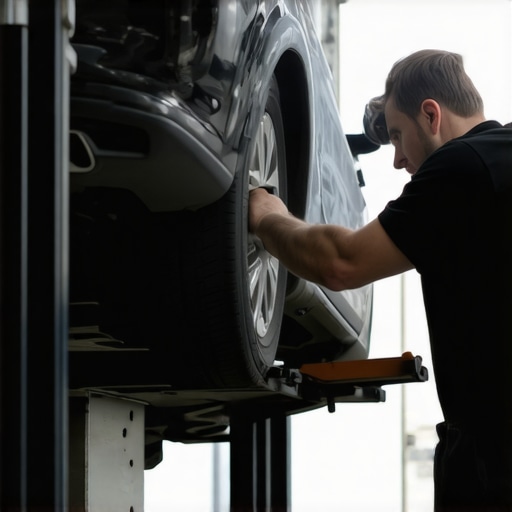
I remember the exact moment I realized I was throwing money down the drain. After taking my car in for a professional alignment, I expected a smooth, straight ride. Instead, it kept tugging to the right as if it had a mind of its own. Frustration bubbled up, and I wondered if I had just wasted my money. Sound familiar? Many drivers face this persistent pull even after what should be a perfect alignment, leaving them scratching their heads and questioning whether the mechanic did their job.
Understanding the Real Issue Behind the Pull
Have you ever felt like your car has a stubborn personality, refusing to stay straight despite the latest alignment? Well, you’re not alone. What most people don’t realize is that a car pulling to one side isn’t solely about the alignment. There could be underlying issues that, if ignored, will continue to sabotage your driving experience. Today, I’ll share insights and practical tips to help you identify and fix the true cause. I’ll also reveal the common mistake I made early on that almost cost me more than just money.
Is Your Alignment Really the Problem or Something Else?
When I first encountered my car pulling right, I naively thought an alignment would fix everything. Turns out, I overlooked a crucial detail — like worn suspension components or uneven tire wear. A study from the National Highway Traffic Safety Administration shows that nearly 60% of vehicle deteriorations that affect steering pull are related to suspension issues rather than just wheel angles. Recognizing that multiple factors are at play is the first step towards a lasting solution.
One mistake I made early on was trusting my eyes alone to diagnose the problem. I thought if the tires looked fine, everything was in order. That’s a trap many fall into. Instead, a thorough inspection of parts like wheel bearings and suspension arms is essential. Want to be more confident before your next mechanic visit? Check out detailed guides here: spotting failing wheel bearings and suspension components causing leaks. These often overlooked issues might be the hidden culprits you’re missing.
As we dive into the nitty-gritty, I promise to help you cut through the confusion and get your car driving straight again. Next, let’s look at how to diagnose what’s really causing that stubborn pull, avoiding costly repairs and unnecessary replacements.
Inspect Your Tires and Suspension
First, check the tire pressures using a reliable gauge; uneven pressures can cause pulling. Next, look for uneven tire wear patterns, which hint at alignment or suspension issues. For suspension, listen for knocking sounds over bumps or excessive bouncing, indicating worn components. During my experience, I noticed a slight wobble when driving, prompting me to replace worn suspension bushings, which instantly improved the pull.
Perform a Visual Inspection for Worn Parts
Carefully examine the tie rods, ball joints, and control arms for cracks, corrosion, or looseness. Use a pry bar to check for excessive play—if you find any, replace the faulty part. I once found a loose control arm bolt that, once tightened, eliminated the drift.
Test Brake Functionality
Apply firm brake pressure; if the pedal feels spongy or inconsistent, it may be related to brake system problems. Worn brake calipers or uneven pad wear can cause pulling during braking. Consult our detailed brake service tips to address common issues: brake service essentials. During a test, I noticed the car pulled slightly to one side when braking, leading me to replace a sticking caliper.
Check for Wheel Bearing Failures
Loose or failing wheel bearings produce a humming noise and can cause steering pull. To diagnose, lift the vehicle and grasp the tire at the 12 and 6 o’clock positions; wiggle back and forth. Any movement indicates bearing wear. Remember, a failing bearing can destroy your hub if ignored. I caught mine early by this simple test, preventing costly repairs. Learn more about what to watch for here: spotting failing wheel bearings.
Conduct a Road Test
Drive in a straight line on a flat, empty road without wind. Observe whether the car drifts to one side or pulls during acceleration. Use markers on the road to gauge straightness. If the pull persists despite correct tire pressures and no obvious damage, the issue likely lies in alignment or internal components. During my test drive, I noticed the steering wheel was slightly off-center even after adjusting the tires, pointing towards a wheel alignment issue.
Utilize a Diagnostic Tool for Hidden Problems
Some issues may not be visible or audible but can be detected using an OBD scanner. For example, sensor errors impacting steering assist or ABS modulation can cause pulling under certain conditions. Ensure your scanner supports the latest standards. I used mine to check for sensor errors, which helped diagnose a malfunctioning steering angle sensor, common in many vehicles. You can learn more about vehicle diagnostics here: diagnostics tips.Many vehicle owners operate under misconceptions that can lead to costly mistakes. A common myth is that a simple oil change or brake pad replacement cures all issues, but in reality, modern cars are highly complex systems requiring nuanced understanding. For instance, pressing the brake pedal softly might seem harmless, yet it could mask underlying sensor or hydraulic problems. Advanced diagnostics unveil hidden faults that basic inspections might miss, emphasizing the importance of proper troubleshooting rather than guessing. One critical nuance lies in the misconception that all warning lights signal immediate danger—it’s crucial to interpret codes correctly, as some are benign or even false alarms caused by sensor glitches. According to automotive experts, misdiagnosing issues based on superficial clues can escalate repairs; for example, ignoring subtle steering pull may hide suspension or wheel bearing failures, which, if neglected, could lead to catastrophic failures and expensive repairs. It’s a trap to rely solely on OBD scanners without understanding the underlying systems they monitor. For those eager to delve deeper, exploring how to interpret diagnostic trouble codes accurately or understanding the limitations of synthetic oils can save time and money. Remember, modern vehicles are intricate, and plain guesses won’t suffice—adopt a systematic approach to repairs. Have you ever fallen into this trap? Let me know in the comments and share your experiences with misunderstood auto repairs. For a deeper dive into diagnostics and avoiding costly mistakes, check out our guide on interpreting your check engine light and learn how to prevent small issues from becoming big problems.Maintaining your vehicle efficiently over time demands the right combination of tools, software, and practices. I personally rely on a high-quality OBD-II scanner like the Launch X431 V+ because it offers comprehensive diagnostics, supports the latest standards, and allows me to interpret trouble codes accurately. Such devices help me identify hidden faults, such as sensor failures or emerging electrical issues, before they escalate into costly repairs. Additionally, I use a digital tire pressure gauge calibrated regularly to ensure precise readings; uneven tire pressures can subtly undermine vehicle safety and handling. When it comes to fluid management, synthetic oils have been my go-to due to their superior stability under high temperatures, but I stay vigilant about avoiding their gelling issues by following specific maintenance routines outlined here: prevent synthetic oil gelling. To keep my brakes in optimal condition, I schedule routine inspections and use a brake caliper piston compression tool, which allows for precise service without unnecessary disassembly. Regularly changing brake fluid is also crucial for preventing spongy pedals, especially in models prone to moisture ingress. Predicting vehicle needs is becoming more automated too, thanks to advanced software like Mitchell 1’s cloud-based repair systems, which provide real-time updates on recall alerts, technical service bulletins, and repair histories. This proactive approach helps me plan long-term maintenance and avoid surprises. As automotive technology evolves, tools that integrate diagnostic data with AI-driven insights are the future—think of systems that automatically suggest repairs based on sensor readings. For instance, future diagnostic tools might seamlessly diagnose complex hybrid system issues without manual intervention. To stay ahead, I recommend trying out an advanced diagnostic tip like proactively checking for wheel bearing failures using the dedicated wobble test. This small but crucial step can prevent catastrophic wheel hub failures. Keep your vehicle running smoothly by investing in reliable equipment and staying informed about emerging tech trends in vehicle diagnostics.
Lessons That Changed How I See Vehicle Troubles
One of the most profound insights I gained was realizing how easy it is to overlook small warning signs that might point to deeper issues beyond the obvious. Trusting superficial observations, like tire appearance, can lead me astray—highlighting the importance of thorough inspections and listening to subtle clues my car gives me.
Another lightbulb moment was understanding that professional alignments are just one part of a complex puzzle. Real diagnostics demand a multi-faceted approach, considering suspension, wheel bearings, brakes, and even internal sensors—often requiring tools and knowledge beyond the basic. It’s a reminder that investing in the right diagnostic tools, like a quality OBD scanner, can save me from costly guesswork.
Finally, I learned that preventive maintenance and early intervention are my best allies. Regular checks, timely replacements, and understanding common failure points help me maintain a smooth ride and avoid surprises. Remember, your vehicle’s health reflects your proactive efforts—so stay vigilant and informed.
My Go-To Resources for Keeping My Car in Top Shape
Over the years, I’ve come to rely on specific tools and resources that make diagnostics less daunting. For instance, I trust the high-quality OBD-II scanners because they reveal hidden errors and sensor issues quickly, preventing minor problems from becoming major repairs. In addition, detailed guides on inspecting suspension and wheel components, which you can find on trusted automotive sites, empower me to perform effective DIY checks.
Books like Automotive Diagnostics Made Easy have deepened my understanding of how engine sensors and brake systems function, boosting my confidence whether I’m at the shop or doing repairs myself. These resources are invaluable in building my auto repair knowledge base and ensuring I don’t fall for surface-level fixes.
Keep Pushing Forward—Your Vehicle Deserves It
Every car owner has the ability to become more proactive about their vehicle’s health. Whether dealing with a stubborn pull or general maintenance, adopting a curious, informed mindset ensures you’re not just reacting to problems but preventing them. Embrace the challenge, equip yourself with reliable tools, and keep learning. Your vehicle will thank you for it—and your wallet will too.