

Have you ever experienced that sinking feeling when your turbocharged engine starts making strange noises or, worse, stalls unexpectedly? I certainly have. I remember the first time my turbo hesitated, the fear that I might be looking at a costly repair. That lightbulb moment hit hard: it wasn’t just about top-notch parts or a fancy tune-up—it was about the oil.
How a Simple Oil Change Became My Lifeline
In my journey as a DIY enthusiast, I learned that synthetic oil isn’t just a marketing gimmick; it’s the heartbeat of turbo engines. The harsh realities of turbo operation—high heat, pressure, and rapid acceleration—demand an oil that can keep up. When I switched to a high-quality synthetic, my engine’s response improved, and I finally understood why my turbo was so sensitive to oil quality. According to industry experts, using synthetic oil can extend engine life by reducing wear and tear, which is especially critical for turbocharged setups. (Source: Engine Builder Magazine)
That realization made me question everything I thought I knew about oil changes and engine maintenance. If you’re like me, you’ve probably ignored the significance of synthetic oil, dismissing it as just another expense. But the truth is, your turbo’s survival depends on it. Whether you’re battling the same noise, sluggish acceleration, or oil consumption issues, understanding this simple yet vital aspect can make all the difference. Ready to dive into why synthetic oil is the hero your turbo didn’t know it needed?
Is Synthetic Oil Worth the Hype, or Just Expensive Hype?
Early in my experience, I made the mistake of sticking with cheap conventional oil, thinking it was good enough. That choice backfired during a hot summer drive when my turbo started whining loudly. Trust me, I learned the hard way that skimping on quality oil is a false economy, especially for turbocharged engines. If you’ve ever worried about the cost of synthetic versus the potential repairs caused by inadequate lubrication, you’re not alone. The key is understanding that the right oil choice isn’t just about performance—it’s about longevity. Curious about how to choose the best synthetic oil? I recommend checking out this guide for more insights into optimal oil change intervals for GDI turbo engines.
Now, let’s get practical. If you’re serious about protecting that turbo and avoiding costly repairs, knowing when and how to change your synthetic oil is essential. But before we jump into the steps, I want to ensure you’re aware of common pitfalls and how to steer clear of them—so your engine stays healthy and happy for miles to come.
Gather Your Tools and Supplies
Before diving in, assemble everything you need: new synthetic oil (check your owner’s manual for the correct grade), an oil filter, a wrench set, a drain pan, and gloves. Remember, using high-quality synthetic oil is crucial for turbo engines, as it reduces wear and prevents sludge buildup. My first time doing this, I mistakenly grabbed the wrong filter, which caused a delay—so double-check part numbers beforehand.
Prepare the Vehicle and Safeguard Yourself
Park on a level surface and turn off the engine. Engage the parking brake. For added safety, let the engine cool for at least 15 minutes to avoid burns. Using jack stands and wheel chocks will give you better access underneath—don’t skip these; I learned this the hard way when I tried to slide under without proper support and felt insecure.
Drain the Old Oil
Place the drain pan beneath the drain plug. Use the appropriate wrench to loosen and remove the plug. As the oil begins to flow out, imagine it like a stubborn pipe needing a gentle twist to release pressure. Once drained, replace and tighten the drain plug securely—over-tightening can strip the threads, which I discovered when my first attempt caused a leak.
Insert a New Oil Filter
Before installing the new filter, apply a bit of new oil to the rubber gasket to ensure a good seal. Screw it in by hand until snug, then give it a slight tighten with the wrench—think of it like screwing on a bottle cap for a tight seal. A proper seal prevents leaks, which are common pitfalls if overlooked. My experience included a small leak due to uneven tightening, so use a torque wrench if possible.
Refill with Synthetic Oil
Open the hood and locate the oil fill cap. Pour in the recommended amount of synthetic oil slowly to avoid spilling. Use a funnel for accuracy. After filling, replace the cap securely. It’s like filling a water bottle—don’t overfill. I once added too much, triggering a warning light, so check your vehicle’s manual for exact quantities.
Check the Oil Level and Start the Engine
Use the dipstick to verify the oil level is within the recommended range. Wipe the dipstick clean, insert it fully, then remove and read the level. Add oil if necessary. Start the engine and let it run for a few minutes to circulate the new oil. Turn off the engine again and recheck the level—think of it as letting the oil settle after a massage; this ensures an accurate reading. I found that neglecting this step led to low oil pressure warnings.
Reset the Oil Maintenance Light
Many modern vehicles have an oil change indicator that needs reset after a DIY oil change. Consult your owner’s manual or visit this guide for specific steps. This process is like resetting a timer after baking—ensure it’s set correctly to track future oil changes accurately. I once forgot to reset mine, which caused confusion during maintenance schedules.
Dispose of Old Oil Responsibly
Never pour old oil down the drain or onto the ground. Take it to a recycling center or automotive store that accepts used oil. Proper disposal is environmental responsibility—think of it as leaving your garage cleaner than when you arrived. During my first oil change, I learned that local service stations often accept used oil for free, simplifying the process.
Final Checks and Documentation
Start the engine again, inspect for leaks, and check the oil level one last time. Record the date and mileage of the oil change for future reference. Regular synthetic oil changes, especially every 3,000 miles for turbo engines, can prevent costly rebuilds. This routine maintenance is like brushing your teeth; it keeps the engine healthy and prolongs its life.
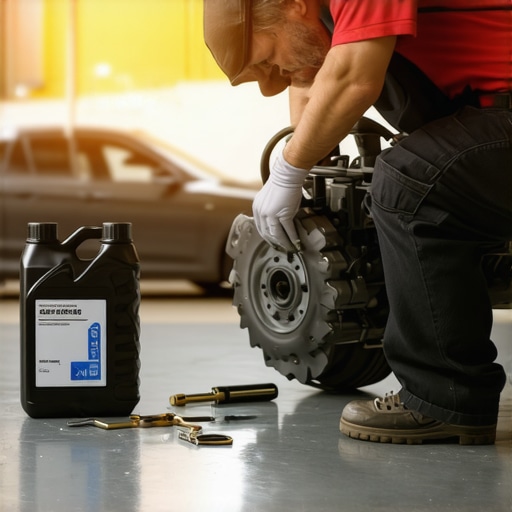
Many car enthusiasts and even seasoned mechanics fall prey to misconceptions that can cost them time and money. A common myth is that all brake pads are created equal, leading many to choose the cheapest option without considering the long-term implications. In reality, cheap brake pads often wear out faster, causing uneven braking and potential rotor damage—see how quality matters by exploring this detailed guide. Moreover, a surprisingly overlooked nuance involves vehicle diagnostics: a frequent mistake is ignoring the importance of proper scanner calibration. Using an uncalibrated or outdated diagnostic tool can provide false readings, leading to misdiagnoses and unnecessary repairs. For instance, issues like sensor lag or false alarms may persist if the diagnostic system isn’t correctly reset or updated—learn how to reset your diagnostic tools properly for accurate results.
Why do some advanced diagnostics fail to identify real problems?
Many assume that the latest scan tools are infallible, but experts stress that hardware obsolescence and software glitches can lead to false negatives. Advanced vehicle systems, particularly in newer models, often require specific calibration procedures or firmware updates to function correctly. Ignoring this can cause even professional diagnostics to miss critical issues, such as partial sensor failures or subtle leakages. Studies on diagnostic accuracy, like those from the Society of Automotive Engineers, confirm that regular calibration significantly improves detection precision. Next time you’re troubleshooting, consider that inaccuracies might stem from overlooked calibration steps—don’t fall for the trap of assuming your scanner is foolproof.
Another advanced mistake often made pertains to oil change intervals. Many rely solely on mileage or time, but modern turbo engines benefit from more nuanced schedules. For example, synthetic oils can extend intervals beyond traditional 3,000 miles if the driving conditions are low-stress, but neglecting to consider engine operating temperature or short-trip driving can lead to sludge buildup—see how following the 4,000-mile rule specifically for turbo engines. Overlooking these nuances may cause incomplete lubrication or carbon deposits, which impair performance over time. Being aware of such subtleties enhances your maintenance strategy and preserves vehicle longevity.
Have you ever fallen into this trap? Let me know in the comments. Remember, true expertise lies in understanding these hidden nuances that most overlook—it’s what bridges the gap between average and exceptional maintenance skills.
How Do I Maintain My Car’s Performance Over Time?
Consistent maintenance is the key to keeping your vehicle running smoothly for years to come. Investing in the right tools greatly simplifies this process and ensures accuracy. Personally, I rely on a high-quality OBD-II scanner like the Bluelink Fusion, which offers real-time diagnostics and can even reset maintenance alerts—saving me trips to the mechanic. For my oil changes, I use a magnetic drain plug to catch metal particles, which helps monitor internal wear without invasive inspection. When it comes to vehicle diagnostics, I prefer tools that offer firmware updates and compatibility with latest vehicle protocols. Up-to-date software not only prevents misdiagnoses but also ensures you catch issues early, like subtle sensor failures or early-stage leaks.
Looking ahead, I predict that diagnostic tools will integrate more AI-driven analytics, providing predictive maintenance alerts. This proactive approach can prevent breakdowns before symptoms even appear, a game-changer in auto care.
Why Should You Use Specific Tools for Maintenance?
Using tailored equipment, such as a digital torque wrench, guarantees that parts like wheel lug nuts or brake calipers are installed with proper tension. Over-tightening or under-tightening can lead to uneven wear or component failure—I’ve seen many DIYers struggle with this step. Likewise, a quality oil filter wrench, like the Black & Decker VersaClamp, simplifies the filter replacement and ensures a precise fit, minimizing leaks. For vehicle diagnostics, I rely on tools that include calibration features, crucial for accurate readings—especially after sensor replacements. Proper calibration prevents issues like false alarms or missed faults, which cost time and money. For detailed calibration procedures, I often refer to industry standards outlined by SAE, such as in their technical papers.
Regularly updating your diagnostic software and firmware is also vital. Manufacturers release updates fixing known bugs or adding new vehicle protocols. I make it a habit to check for updates at least quarterly, preventing issues like signal interference which can crash your scanner, as explained in this guide.
What Tools Would I Recommend for Long-Term Success?
For sustained vehicle health, I recommend scheduling routine fluid tests with a refractometer. This simple yet effective tool measures oil contamination levels, alerting you to oil breakdown or coolant leaks early. Additionally, a thermal imaging camera can pinpoint hidden issues like electrical hotspots or exhaust leaks that could cause long-term damage. Personally, I use the FLIR InstaCheck because it’s portable and provides instant visual feedback, helping me catch problems before they escalate. Incorporating these tools into your maintenance routine enables you to address minor issues promptly, extending your vehicle’s lifespan.
In the realm of auto repair, precision tools make all the difference. Don’t skimp on quality—using subpar equipment can lead to costly mistakes, like stripping bolts or misaligning sensors. For example, always prefer a certified calibration tool when working on advanced systems such as brake-by-wire or GDI engines to ensure safety and reliability. Consistent use of proper tools not only makes repairs more straightforward but also bolsters your confidence as a DIYer. Try integrating a calibration routine using a dedicated scanner; it’s a proven way to prevent false sensor readings and improve diagnostic accuracy, ultimately saving you money and time.
Remember, maintaining your vehicle isn’t just about quick fixes—it’s about building a comprehensive, sustainable approach. Regularly review your toolkit, stay updated with the latest software, and don’t hesitate to consult detailed guides and technical documentation to refine your skills. With the right tools and mindset, your car will thank you with years of reliable service.
Take the challenge today: Try calibrating your vehicle’s brake sensors using a professional-grade scanner. This small step can prevent phantom braking and sensor ghosting issues, saving hours of frustration. Curious how? Visit this guide for detailed instructions.
What I Wish I Knew About Oil Before Diving In
- One of the hardest lessons I learned was that synthetic oil isn’t just a premium upgrade—it’s the foundation of turbo longevity. Skipping this step or choosing cheap alternatives can silently sabotage your engine, leading to costly repairs that could have been prevented.
- Ignoring recommended oil change intervals might seem convenient, but I discovered that extending these beyond manufacturer guidelines often results in sludge and carbon buildup, especially in GDI turbo engines. Following the 4,000-mile rule can keep your engine clean and responsive.
- Calibrating diagnostic tools isn’t just for professionals—I’ve found that overlooking updates or calibration steps can give false readings, causing unnecessary anxiety or missed issues. Regular calibration ensures accurate diagnostics, saving you time and money.
- Investing in the right tools, like a quality torque wrench or a dedicated scanner, transforms DIY maintenance from guesswork into precision work. Relying on subpar equipment has cost me unnecessary hassle, so choose wisely.
- Staying curious about how your engine works opened my eyes to small nuances—like how short trips and cold starts can affect oil performance—that can make a noticeable difference over time.Why synthetic oil is the only thing keeping your turbo alive