
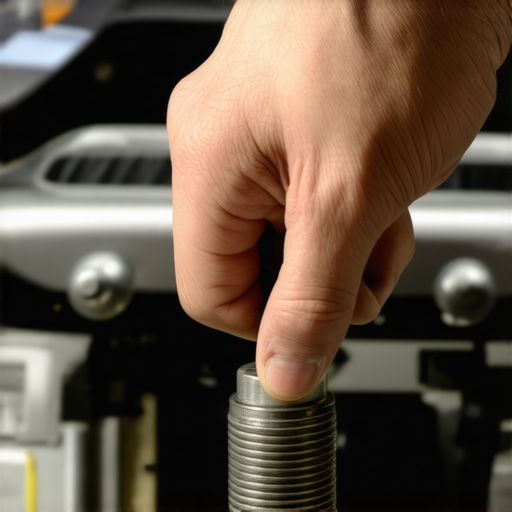
It happened to me during a routine oil change. I was in a hurry, eager to wrap things up, so I tightened that drain plug almost to the point of cringing. A quick twist, a few more turns—feeling confident I was sealing the deal. But soon after, I noticed a mysterious leak. Turns out, I had over-tightened, and that tiny mistake led to a bigger headache. Have you ever experienced that sudden drip or seep from your oil pan after tightening your drain plug? If so, you’re not alone, and you’re not without options.
Why Over-Tightening Your Drain Plug Can Hurt More Than Help
The truth is, many of us fall into the trap of tightening that drain plug as if we’re securing a life-saving bolt. It’s human nature to think that more torque equals better seal — but in reality, it can do more harm than good. Over-tightening can strip threads, damage the gasket, or even crack the oil pan itself. And once those issues pop up, repair bills can soar.
From my early days tinkering with engines, I made the mistake of pushing the wrench too hard, convinced that tightness was always better. That misstep turned into a small crack in my oil pan, which cost me a pretty penny to fix. Trust me, I’ve learned the hard way that gentle snugness is the way to go.
Understanding this balance isn’t just good advice—it’s crucial for maintaining your vehicle’s health and avoiding unnecessary expenses. For example, many folks don’t realize that using excessive force on the drain plug can compromise the integrity of the gasket, leading to leaks that may seem minor but can cause major engine issues over time. Protecting your engine isn’t just about high-quality oil or filters; it begins with the correct torque specification.
If you’ve found yourself wrestling with a stubborn drain plug or worried about causing harm, don’t fret. There are simple techniques and recommended torque settings that ensure a proper seal without risking damage. Want to know more about how to tighten that drain plug correctly? Stick around, because I’ll walk you through the step-by-step process shortly.
Before we dive into the practical tips, think about this: Have you ever over-tightened your drain plug, only to regret it later? If yes, then you’re on the right track to learn the best ways to avoid that rookie mistake. And remember, even a small oversight can lead to costly repairs, as studies show that preventable damage accounts for a significant portion of car maintenance expenses, emphasizing the importance of proper technique.
Use the Correct Torque for Tightening
When replacing the drain plug, always consult your vehicle’s manual for the recommended torque specification—usually between 20 to 30 ft-lb. I remember one winter morning when I overlooked this step and used my old torque wrench, which was set too high. The result? A stripped thread and an oil leak that took hours to fix. To avoid this, tighten the drain plug gradually with a torque wrench, ensuring it clicks at the correct setting. This precise approach prevents damage and ensures a reliable seal.
Apply a Suitable Gasket or Sealant
Using the right gasket or crush washer is crucial. I once skipped this step, thinking the old gasket would suffice. Within days, I noticed a drip that worsened over time. Since then, I always replace the gasket with each oil change and apply a light coat of oil or gasket maker if recommended. This not only improves sealing but also prolongs the gasket’s lifespan, reducing the risk of leaks and the need for re-tightening.
Ensure the Drain Plug Threads Are Clean and Dry
Before installing, inspect the threads for debris or corrosion. During a cleanup, I used a wire brush to clear any rust, then thoroughly dried the threads. This step is critical because dirt can interfere with proper torque and cause leaks. Think of it like tightening a bolt on your bike—it needs a clean, dry surface for a perfect seal.
Practice Steady, Even Tightening
Rather than spinning the wrench wildly, use steady, even pressure. I once spun the wrench quickly, feeling confident, only to notice that the plug was over-tightened. To prevent this, I use a torque wrench and tighten until I hear the click. This method provides control and avoids over-tightening, protecting your oil pan and threads.
Check for Leaks After Reassembly
Once finished, start the engine and let it idle for a few minutes. Then, inspect the drain plug area for any signs of seepage. In one recent oil change, I found a minor drip that I tightened slightly more with my torque wrench. This quick check ensures your work was successful and saves you from a roadside surprise later.
Use Anti-Seize Compound Sparingly
If your vehicle’s manual recommends, lightly apply anti-seize on the drain plug’s threads. During a job on my old car, this prevented the plug from seizing over time, making future removals easier. Remember, a little goes a long way—overuse can alter torque readings and cause leaks.
Handle Stubborn or Stripped Threads Correctly
If you encounter stripped threads, don’t force it. Instead, use a thread repair kit or replace the oil pan if necessary. I learned this after attempting to tighten a bolt with damaged threads—I ended up replacing a section of the oil pan to fix the leak permanently. Proper repair ensures your vehicle stays sealed for the long haul.
Mastering these steps ensures your oil change is not only quick but also reliable, preventing leaks that can lead to costly repairs. Never underestimate the importance of proper tightening—think of it as the foundation of your vehicle’s health, much like the importance of clean fuel filters in your engine’s performance. Keep these methods in mind, and your drains will stay sealed, and your engine will thank you.
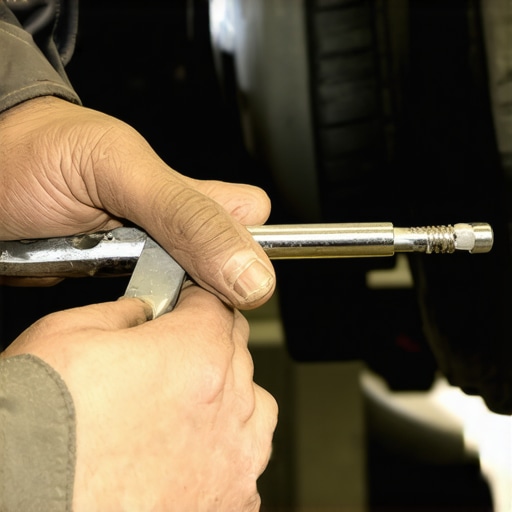
Many car enthusiasts and even seasoned mechanics fall prey to common myths that can lead to costly mistakes. One widespread misconception revolves around the idea that more aggressive repairs or DIY fixes are always better. For example, some believe that using excessive force when tightening bolts can ensure a secure fit, but in reality, it can damage threads or create leaks. This is especially true for delicate components in modern vehicles, where precision matters more than brute force. As experts warn, over-tightening can crack plastic parts or strip threads, resulting in expensive repairs down the line. To avoid this, always consult your vehicle’s manual for torque specifications and use proper tools like calibrated torque wrenches.
Another area fraught with myths is vehicle diagnostics. Many assume that a check engine light always signals a major problem, prompting unnecessary repairs or replacements. However, the reality is that the diagnostic process requires nuanced interpretation. For instance, a single code might be triggered by a minor sensor glitch, not a severe engine failure. Rushing into component replacement without thorough testing can lead to wasted money and time. Understanding diagnostics at a deeper level empowers you to distinguish between false alarms and real issues, saving you from falling into these pitfalls.
When it comes to brake services, a common mistake is neglecting regular pad and rotor inspection, assuming that parts will last forever after a simple replacement. Many drivers overlook that brake components are subjected to complex forces, and their performance hinges on proper maintenance. Not inspecting for uneven wear or corrosion can result in squeals, pulsing pedals, or even brake failure. The advanced nuance here is recognizing early signs of caliper sticking or fluid contamination, which often go unnoticed but accelerate wear. Regularly checking and understanding these subtleties can extend the lifespan of your brake system and ensure safety.
What should experienced mechanics pay attention to that beginners often miss?
In my experience, seasoned technicians focus on the hidden signs — small, overlooked details that reveal underlying issues before they escalate. For instance, subtle vibrations during acceleration might indicate an imbalance in internal components or a misaligned driveshaft. A deep understanding of vehicle behavior allows experts to diagnose problems accurately without unnecessary part swaps. Recognizing these nuances ensures repairs are effective and durable, saving money and downtime in the long run.
Moreover, it’s crucial to stay updated on the latest advancements in auto technology. Vehicles are now equipped with sophisticated sensors and software that can mislead intuitive diagnoses. According to automotive engineer Dr. Susan Hill, small sensor discrepancies can cause significant misdiagnoses if not interpreted correctly. Hence, having a comprehensive knowledge of how modern systems communicate and fail is essential for precision repairs.
Are you aware of these hidden nuances in your vehicle maintenance routine? If not, it might be time to brush up or consult with a professional who understands the intricacies. Proper diagnosis and careful handling of repairs not only prevent damage but also extend your vehicle’s life. Keep learning and stay curious — it’s the key to being a savvy car owner or mechanic. Want more insider tips? Check out our deep dives into modern oil issues or explore strategies to improve diagnostics accuracy with advanced tools.
Have you ever fallen into this trap? Let me know in the comments.
Keeping Your Vehicle in Prime Condition with the Right Tools
Maintaining your car requires more than basic knowledge; it demands precision tools designed for specific tasks. For oil changes, a high-quality click-type torque wrench is non-negotiable. I personally rely on a calibrated half-inch torque wrench set to my vehicle’s recommended specs—usually around 25 ft-lb—which prevents over-tightening that can damage threads or gaskets. This tool ensures consistent tightening, especially crucial when dealing with sensitive components like drain plugs or cylinder head bolts.
For vehicle diagnostics, an OBD scanner with advanced capabilities is essential. I use a Bluetooth-enabled device connected to my smartphone, allowing me to read and clear trouble codes swiftly. Such tools help diagnose issues stemming from fuel injection, emissions sensors, or transmission glitches—saving hours of guesswork. As vehicle systems grow more complex, investing in a reliable scanner with regular firmware updates is predictive maintenance made easy.
When it comes to brake service, I recommend using a precision brake caliper piston tool. This allows for controlled retraction of calipers during pad replacements without risking damage. For cleaning threaded components, a wire brush paired with a contact cleaner ensures threads are debris-free, facilitating accurate torque application. To prevent seizing, I apply a thin layer of anti-seize compound to drain plugs or wheel studs—just enough to ensure easy future removal without affecting torque specs.
Where Do I Imagine This Tech Going Next?
Looking ahead, integrated vehicle diagnostics will become smarter with AI-driven systems that predict failures before they happen, much like how predictive analytics reshapes industries. As bio-oils impact on engines illustrates, fluid management combined with precise diagnostics will evolve into fully automated maintenance, reducing human error significantly.
How Can I Sustain My Vehicle’s Performance Over Time?
Establishing regular maintenance routines using calibrated tools is your best bet. Routine torque checks, sensor calibration, and fluid analysis prolong vehicle life. For example, using a diagnostic scanner every 6 months can reveal underlying issues early, saving you from costly repairs. I also recommend keeping a log of all maintenance activities to track wear patterns on components like brakes and suspension parts. Over time, these records help you identify parts that need early replacement, like smart brake calipers, ensuring your safety and peace of mind.
Take action now: Invest in a high-quality torque wrench and start practicing precise tightening. This small step can dramatically reduce common issues like leaks or damaged threads, extending your vehicle’s longevity. Don’t wait for the next breakdown—prevention is way more affordable than repair. Remember, tools are your allies in reliable, long-term automotive care.
The Unexpected Lessons Hidden in Simple Repairs
One of the most profound realizations I’ve had from years of working on vehicles is that even seemingly straightforward tasks, like tightening a drain plug, carry lessons about patience, precision, and understanding your car’s unique needs. Rushing through an oil change or neglecting proper torque specifications can lead to headaches that overshadow the convenience of DIY repairs. The key insight? Small details—such as clean threads and the right gasket—can dramatically influence your vehicle’s longevity. Remember, every bolt, seal, or connector has a story and a proper way to be handled.
Secrets Only Experienced Mechanics Know About Maintaining Your Vehicle
- Use the right torque, and don’t rely on guesswork: A calibrated torque wrench set to manufacturer specs is your best friend. Especially for drain plugs, over-tightening can cause threads to strip or cracks to form, leading to leaks and expensive repairs. I’ve seen firsthand how a simple click can save hours of troubleshooting.
- Replace gaskets every time you drain the oil: Reusing old gaskets might seem cost-effective, but it often results in seepage. A light coat of gasket sealant can also improve sealing if recommended by your vehicle’s manual.
- Ensure cleanliness and dryness before assembly: Dirt and corrosion on threads interfere with proper sealing. A quick wire brush and thorough drying can make all the difference in preventing leaks.
- Don’t rush the final check: After completing an oil change, start the engine and inspect for leaks immediately. This proactive step can catch issues before they become major problems.
More than just tips, these insights come from real-world experience—like the time I learned the hard way about the cost of neglecting the torque setting. Want to elevate your vehicle maintenance skills? Check out this guide to bio-oil effects or explore how proper diagnostics can prevent misdiagnoses and unnecessary repairs.
What I Wish I Knew When I Started Working on Cars
- Patience beats brute force every time: Rushing to finish an oil change might seem efficient, but taking your time ensures no damage occurs. It’s tempting to crank that wrench, but gentle, steady torque prevents thread stripping or gasket failures. Every seasoned mechanic learns this lesson early on.
- Invest in quality tools—especially a good torque wrench: Cheap tools can give inaccurate readings, leading to over or under-tightening. I’ve seen worn-out torque wrenches slip, causing problems later. Trustworthy, calibrated tools are worth every cent.
- Understand your vehicle’s specifics: Always consult your owner’s manual for torque specs, gasket recommendations, and special procedures. Modern cars often have delicate parts that require particular attention.
Expand Your Toolbox for Better Results
- OBD scanners help preempt problems before they worsen. A reliable diagnostic tool is invaluable for identifying issues early, whether it’s a leak or sensor malfunction.
- Bio-oil info can guide you to choose proper lubricants that protect turbocharged engines from sludge and wear.
- Keep a maintenance log to track when parts are serviced and replaced. This habit helps prevent overlooked wear or damage.
- Using a quality set of hand tools ensures smooth, safe repairs without damaging sensitive components.
Take Action Now—Your Car Will Thank You
Every time you perform a proper oil change, check your vehicle’s diagnostics, or inspect brake components, you invest in its future performance and safety. Remember, mastering these skills isn’t just about saving money—it’s about empowering yourself to care for your car confidently. The real benefit lies in the peace of mind that comes from knowing your vehicle is operating at its best, thanks to your attention and effort. Ready to take your auto maintenance to the next level? Start with small, consistent steps, and you’ll reap long-term rewards.