
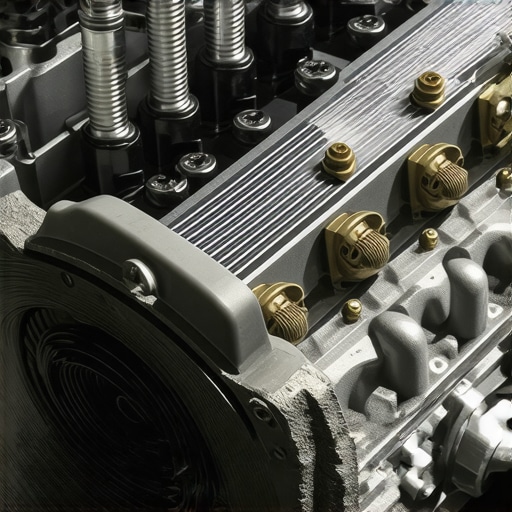
Just yesterday, as I was starting my car on a chilly morning, I heard that faint but unmistakable tap-tap for about two seconds. It’s that sound that makes you pause and wonder if your engine is whispering—or warning—you about impending trouble. For years, I brushed it off as just a minor quirk, until one day, it felt like the sound was getting louder and more persistent. That moment marked the beginning of my deeper dive into engine noises and what they really mean.
If you’ve ever experienced that quick, rhythmic tapping right after startup, you’re not alone. It’s a common issue, but one that can be surprisingly elusive to diagnose. The good news? We can get to the root of it and learn how to manage or even eliminate that unsettling sound.
Understanding the Cause of the Tapping Sound
Before jumping into fixes, I want to share what I’ve learned from personal experience and research. That quick tap often points to a variation in oil pressure or valve train activity when the engine is cold or just starting up. In many cases, it’s linked to oil flow—either because the oil isn’t reaching certain parts quickly enough or because some components are slightly out of sync.
What complicates things is that the sound can sometimes mimic more serious issues, like worn lifters or loose valves. However, in most instances, it’s a harmless process that’s just magnified by colder temperatures, thinner oil, or minor delays in oil circulation.
Early on, I made the mistake of ignoring the sound entirely, thinking it was just a quirk of my engine. But I eventually realized that persistent tapping, especially if it worsens or lasts longer, can lead to unnecessary wear or even damage if left unaddressed. That’s why understanding why your engine taps is critical—so you can distinguish between normal startup behavior and real trouble.
And if you’re curious about silencing that whistle or tap, check out this helpful guide on how to silence a whistling engine at idle for free. It offers practical tips that can improve your drive and peace of mind.
So, what do we do next? Stay tuned, because I’ll guide you through the actionable steps to diagnose and fix this common but often overlooked engine sound—and help you ensure your car runs smoothly without unnecessary anxiety.
Check Your Oil Level and Quality
Start by ensuring your engine has enough high-quality oil. Low or old oil can cause valves to hesitate, creating tapping sounds. I once discovered my oil was nearly empty after a quick dipstick check, which explained the noise. Top it off with fresh synthetic oil following your manufacturer’s recommendations, avoiding cheap oils that break down quickly. For turbo engines, always heed the advice on choosing the right oil.
Inspect for Loose or Damaged Components
Next, examine your engine bay for loose bolts, brackets, or covers. Use a flashlight and a ratchet set to tighten or replace any loose parts, focusing especially on valve cover bolts and spark plug wires. I once found a slightly loose valve cover bolt that, when tightened, reduced my tap significantly. Remember, vibrations from bad mounts or worn belts can amplify these sounds, so check those as well.
Conduct a Visual and Diagnostic Inspection
Perform a thorough visual scan for cracks, leaks, or worn parts. Use a vehicle diagnostic scanner to check for error codes related to valves or sensors. If you notice persistent codes or irregular readings, consider advanced diagnostics like a DIY vehicle diagnostics to pinpoint underlying issues.
Test and Replace Valve Train Components
For a more precise diagnosis, listen closely with a mechanics stethoscope or a long screwdriver placed near valves and lifters. If the tapping coincides with engine temperature or rpm changes, worn lifters, timing chain stretch, or valve clearance issues are likely culprits. Replacing worn lifters or adjusting valve clearances can eliminate the noise. If you’re not comfortable, consulting a professional is wise, but these DIY steps can often resolve minor problems without heavy costs.
Improve Oil Circulation and Additives
If oil flow seems sluggish, consider flushing the engine with a good synthetic cleaner, and then add a high-quality oil additive designed to enhance lubrication. This can help thin-out old or thick oil and improve valve operation, especially in aged engines. Keep in mind, synthetic oils contain additives that can clog deposits if used incorrectly; therefore, choosing the right type is critical. Learn more about synthetic oil problems that can occur in this guide.
Consider Fuel and Driving Habits
Finally, poor fuel quality or erratic driving can influence engine noises. Using top-tier fuel and avoiding excessive idling will keep components operating smoothly. I noticed my taps worsened after several long idling periods, prompting me to adjust my driving style and fuel choices, which reduced the noise significantly. Consistent maintenance, including timely oil changes and routine inspections, prevents minor issues from escalating, saving you money in the long run.
When it comes to automotive care, many car owners believe they understand the basics: change the oil regularly, get your brakes checked once a year, and trust the mechanic to handle the rest. However, beneath these surface-level practices lie subtle nuances that can significantly impact your vehicle’s health and longevity. One common misconception is that following generic maintenance intervals is sufficient for all engines, but the reality is that factory recommendations often overlook individual driving habits and environmental factors. For example, sticking to a strict 5,000-mile oil change without considering your climate or driving style can lead to unnecessary oil changes or, worse, engine wear due to neglecting real needs.
Are All Engine Oils Created Equal for Modern Engines?
Contrary to popular belief, not all synthetic oils are suitable for every engine type, especially with advancements like GDI (Gasoline Direct Injection) technology. Many drivers assume that synthetic oil is a one-size-fits-all solution, but some formulations can actually harm newer turbocharged engines by causing sludge or coating vital components. Experts suggest that choosing the wrong oil can reduce engine efficiency and lifespan. To avoid such pitfalls, it’s smarter to consult your vehicle’s manufacturer recommendations and stay informed about specific oil grades and additives suited for your engine, such as avoiding 0W-8 oils past 2026 for GDI turbo engines, as discussed in this guide on oil selection.
Moreover, many overlook the importance of synthetic oil quality and how it interacts with synthetic additives, which can either extend or diminish your engine’s lifespan. As research shows, certain bio-synthetic oils, if not formulated correctly, may accelerate deposits in turbo engines, leading to premature failure. Staying ahead means understanding these nuances and not blindly trusting popular brands or outdated advice.
Regularly performing vehicle diagnostics, especially with advanced 2026-compliant tools, can reveal hidden issues before they escalate, saving you big bucks and headaches. Check out this article on diagnostics hacks to get started.
Additionally, many car owners fall into the trap of delaying brake service until they hear squealing or feel pulsing, but early intervention—like rotor resurfacing or caliper maintenance—can prevent costly replacements and accidents. Frequent brake inspections and understanding warning signs are essential.
Don’t forget that vehicle diagnostics go beyond just checking engine codes; they encompass sensors, calibration systems, and even PID parameters that influence overall safety and efficiency. Learning to interpret these signals or leveraging DIY diagnostic tools can empower you to catch issues early, rather than relying solely on a mechanic’s intuition.
In conclusion, the real secret lies in appreciating the complexity beneath the surface. Recognize that each vehicle is unique, and that informed, nuanced maintenance can extend your car’s life dramatically. Have you ever fallen into this trap of oversimplification? Let me know in the comments.
Choosing the Right Equipment for Longevity
To keep your vehicle running smoothly over the years, investing in the right tools is crucial. I personally rely on a high-quality digital obd2 scanner like the Autel MaxiScan MS300 because it provides instant access to comprehensive error codes and live data, making diagnostics quick and accurate. Unlike generic code readers, this device offers detailed insights into sensor health, fuel system issues, and emission controls, saving me from costly trips to the mechanic for minor problems.
Another indispensable tool is a digital tire gauge combined with a portable air compressor. Maintaining proper tire pressure not only improves safety and fuel economy but also extends tire life. I prefer models with digital readouts and auto shut-off features, which ensure precise measurements even in challenging lighting conditions.
Adopting Routine Diagnostic Practices
Modern vehicles come with complex electronic systems, making diagnostics more sophisticated yet accessible. I use the 2026-compliant OBD scanner to regularly check for hidden faults. Setting a weekly diagnostic routine helps me catch anomalies early, from pending sensor failures to EVAP leaks. This preventative approach minimizes unexpected breakdowns and costly repairs later.
Tools That Improve Maintenance Efficiency
When performing brake services, I swear by a caliper piston tool. A quality piston compressor like the GearWrench 3975 allows me to safely retract the calipers without damaging seals or pistons. Using this tool ensures proper pad fitment and prolongs caliper life, and it’s essential for drainage or leak-related repairs.
During oil changes, I recommend torque wrenches, especially the ACDelco 505-427, which helps you tighten drain plugs and filter housings to manufacturer specs, preventing leaks and damage. paired with a color-changing oil filter wrench, this approach speeds up the process and minimizes over-tightening risks.
Where Automotive Trends Are Heading
Looking ahead, insights from industry experts like those at specialist blogs suggest that vehicle diagnostics will become increasingly AI-driven, with real-time predictive maintenance. This shift means that owning advanced diagnostic equipment and understanding best practices will be vital for proactive care, not just reactive repairs.
How do I maintain diagnostic accuracy over time?
Regularly calibrate your scanner and update its firmware. Connect it to the latest cloud-based databases, which will ensure you detect the newest error codes and system updates. Integrating these practices ensures your diagnostics remain precise and relevant, safeguarding your vehicle’s health long-term.
If you haven’t tried it yet, I highly recommend experimenting with that simple OBD scanning routine with your advanced plug-in tools—it’s a game-changer for early fault detection and maintaining peace of mind on the road.
Lessons Hidden in the Noise
One of the most valuable insights I discovered was that not all engine tapping signifies looming disaster. Often, these sounds are nature’s way of telling us that our engine is adapting, not suffering. Recognizing this nuance has saved me from unnecessary repairs and eased my mind during chilly mornings. I also learned that patience and a keen ear are essential—rushing to fix a minor tap might ignore underlying issues or, worse, overlook the simpler cause like oil flow delays. The biggest lesson? Stay curious, and listen closely. Your engine’s whisper can be a powerful guide if you learn to interpret it correctly.
Tools and Resources That Changed My Approach
Over time, I trusted my own toolkit more than guesswork. A high-quality digital OBD scanner, such as the 2026-compliant OBD scanner, provided me with real-time insights into hidden faults. Coupled with a good set of basic tools—like a mechanic’s stethoscope and torque wrenches—I began diagnosing and resolving minor issues myself, saving money and gaining confidence. Supplementing these tools with trusted guides on how to silence engine whistles and oil rules for GDI turbo engines gave me a comprehensive approach to vehicle care. These resources became my automotive compass, guiding me through diagnostic and repair decisions with confidence.
Igniting Your Passion for Vehicle Care
This journey into engine sounds and diagnostics fuels my enthusiasm for maintaining and understanding my car. If you’re ready to take control of your vehicle’s health, start small—invest in a good scanner, familiarize yourself with your engine’s normal noises, and stay curious. Remember, every click, tap, or whistle offers a message—learning its language turns your car from a mere machine into a trusted companion. Don’t let fear or uncertainty hold you back; with knowledge and the right tools, you’re capable of ensuring your vehicle’s longevity. So go ahead, listen closely, and take your automotive care into your own hands—the road to a smoother, more confident drive begins now.