

I remember the first time I bought a brand-new car and left it parked for just a couple of days. When I returned, the engine wouldn’t start. Turns out, that shiny new battery was already on its way out! It was frustrating and confusing—why would a brand-new battery die so quickly? That lightbulb moment led me down a rabbit hole of auto repair knowledge, and I want to share what I uncovered.
Understanding the Heartbeat of Your Car: The Battery’s Hidden Struggles
Batteries are the unsung heroes of our vehicles. You might think a new battery would last years, but surprisingly, many die within weeks or even days if certain issues go unnoticed. The problem often isn’t the battery itself but a sneaky parasitic drain, a faulty alternator, or even simple user oversight. Early on, I made the mistake of assuming the battery was defective when it was actually something much simpler—something I now avoid by doing regular checks and understanding my car’s quirks.
Is Your Car’s Battery Really Worth All the Fuss? Or Just Overhyped?
Many people brush off early battery issues, thinking, “It’s new; it should be fine.” But the truth is, batteries can fail early, and often it’s due to hidden electrical gremlins or maintenance mistakes. If you’ve faced a dead battery shortly after installation, you’re not alone. Trust me—I’ve been there, and I’ve learned to diagnose the real cause instead of just swapping out parts. Want to learn my secrets? Keep reading. If you’re curious about other brake or electrical issues, check out how to avoid costly mistakes on hybrids or discover the signs your alternator is on its way out. Knowing these little details can save you time and money in the long run. Let’s dive into what might be draining your fresh new battery and how to get ahead of the problem before it leaves you stranded.
Identify the Root Cause Before Jumping to Conclusions
Start with a clear diagnosis. For example, if your car is sluggish, don’t just assume it’s the transmission. Check simple things first, like the battery voltage, using a multimeter. I once used a basic DIY kit to test my battery and found it was drastically undercharged, which was causing the power issues. This saved me a trip to the mechanic and a service bill.
Gather the Right Tools and Safety Gear
Having the correct tools is essential. For brake service, you’ll need a jack, jack stands, lug wrench, and possibly a brake caliper piston tool. Always wear gloves and safety glasses to protect yourself. I remember once working in the driveway with bare hands and getting brake dust in my eyes—definitely a lesson in safety gear.
Follow a Systematic Approach to Repairs
Break down the process into steps. For example, when replacing an alternator, first disconnect the negative battery terminal. Then, remove the serpentine belt, unbolt the alternator, and replace it. Reassemble in reverse order. Sticking to a sequence minimizes mistakes. I once rushed through an alternator replacement and ended up reinstalling the belt incorrectly, leading to belt squeal and further delays. Patience and methodical work are key.
Use Visual Aids and Diagrams for Clarity
Consult repair guides with diagrams. Many online resources offer step-by-step images. For my last brake pad change, I used a YouTube video that showed exactly how to compress the caliper piston, preventing damage. 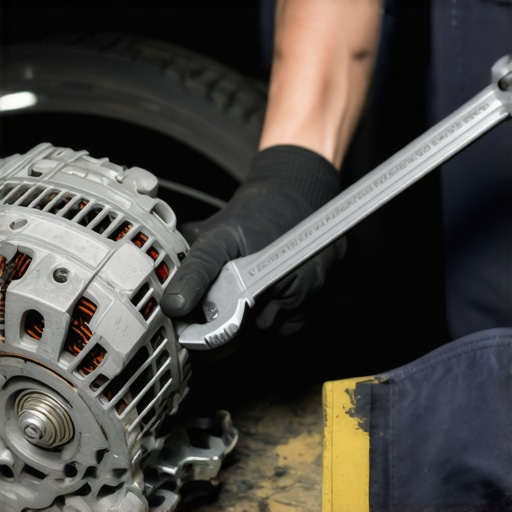
Test Your Repair Properly
After completing a repair, always perform tests before concluding. For example, after replacing a sensor, clear any error codes and drive the vehicle to see if the issue persists. I once replaced a faulty sensor and forgot to reset the ECU, leading to the check engine light sticking around. Proper testing saves time and rework.
Keep a Maintenance Log
Document repairs, dates, and parts used. This practice helps track what you’ve done and plan future maintenance. I inherited a notebook that had every oil change and repair I made, making it easier to troubleshoot recurring issues or when selling the vehicle.
Many car owners assume that routine maintenance tasks like oil changes and brake services are simple, straightforward processes. However, even seasoned enthusiasts often overlook nuanced pitfalls that can lead to costly mistakes or incomplete repairs. Let’s dig deeper to reveal some of these hidden complexities that most people get wrong.
One widespread misconception is that all synthetic oils are interchangeable and suitable for every engine. In reality, manufacturers specify particular oil formulations based on engine design, operating temperature, and driving habits. Using the wrong type can accelerate wear or cause sludge buildup, contrary to popular belief that synthetic oils always outperform conventional ones. For instance, a study by Petro-Canada highlights that synthetic oils with improper additive packages can lead to deposit formation, especially in turbocharged engines. Always consult your vehicle’s manual or a trusted specialist before switching.
When it comes to brake service, many assume that new pads and rotors will eliminate noise or vibration permanently. But without proper bedding-in procedures, your brake system might develop a squeal or uneven wear within weeks. This is a common trap: neglecting to properly seat new brake components can cause a short lifespan, contrary to the assumption that replacements are foolproof. For an in-depth look at brake bedding techniques, check out this detailed guide.
Vehicle diagnostics can be another area fraught with misconceptions. Many believe that a single code or sensor reading provides a complete diagnosis. However, as I’ve learned, issues like GDI carbon build-up or GDI injector problems can be missed if you only rely on basic scans. Advanced diagnostics, such as pressure tests and visual inspections, are crucial. This is particularly true for newer model vehicles with complex systems—see what experts say about 2026 TPMS sensor errors for a comprehensive approach.
A common mistake in auto repair is overlooking the importance of the sequence in repair procedures. For example, when replacing an alternator, failing to disconnect the negative terminal or improperly aligning belts can cause damage or misdiagnosis later. Following a systematic approach, as explained here, can save hours of rework and prevent damage.
Additional pitfalls include neglecting to verify repairs through proper testing. After fixing a component, a test drive or system reset isn’t just optional—it’s essential. For instance, if you replace a sensor but forget to clear error codes, the warning light may stay on, leading to unnecessary part replacements. Always finalize repairs with thorough testing.
Have you ever fallen into this trap? Let me know in the comments. Understanding these hidden nuances ensures your vehicle runs smoothly and saves you money in the long run. Remember, the devil is in the details—trust expert advice and invest in proper diagnostics to truly master auto repair.
Keeping Your Vehicle in Peak Condition with the Right Tools
Maintaining a car efficiently over the long term requires more than just basic knowledge; it demands the right equipment and a systematic approach. Personally, I rely on a combination of professional-grade diagnostic tools and quality hand tools to ensure each repair or maintenance task is performed accurately and safely. For instance, my trusted OBD-II scanner isn’t just a simple code reader—it’s a comprehensive diagnostic tool that allows me to interpret complex sensor data, identify issues early, and validate repairs thoroughly. This proactive approach significantly reduces the chance of minor problems escalating into costly repairs down the line. Additionally, investing in a quality set of torque wrenches allows me to tighten components precisely, preventing over-tightening that can lead to damage or under-tightening that may cause failures. These tools are part of a long-term strategy that emphasizes prevention and precise work, ultimately saving time and money. In the coming years, I predict that vehicle maintenance will increasingly rely on portable, advanced diagnostic software integrated with mobile devices, making it easier for enthusiasts and professionals alike to stay ahead of issues without needing costly dealership scans. Regular updates and training on these tools will be vital to keep pace with rapidly evolving vehicle technology.
How do I maintain my tools and ensure long-term results?
I perform routine calibration of my diagnostic scanners and keep all hand tools clean and properly lubricated. Storing tools in a dedicated, dry toolbox prevents rust and damage, ensuring they remain accurate and reliable. For software, I subscribe to updates from reputable providers, allowing me to stay current with the latest vehicle models and diagnostic protocols. Doing so guarantees that I can handle even the newest systems without unnecessary guesswork. Remember, the key is consistency—using the right tools for each task and maintaining them diligently can make the difference between a quick fix and a repeat visit to the shop. For example, properly maintaining your brake components after installation, as outlined here, https://repairmycarpro.com/why-your-new-brakes-still-grind-after-a-professional-service, extends their lifespan and ensures safety. Try incorporating a high-quality torque wrench into your routine to experience how precise tightening improves your repairs’ durability. As vehicles continue to become more sophisticated, investing in advanced, reliable tools now sets the foundation for effective, long-term maintenance—so you’re always ready to tackle the next repair challenge confidently.
The Hard-Won Wisdom No One Tells You About Auto Repairs
One of the most eye-opening lessons I learned early on was that not every problem has a straightforward fix, and rushing often leads to mistakes. I once assumed that replacing a worn-out brake pad would solve all noise issues, only to discover that improper bedding-in caused squealing months later. That experience taught me to never overlook the importance of proper procedures—sometimes, the small details make all the difference.
Another revelation was realizing how critical diagnostics are before jumping to conclusions. Using a simple multimeter to check battery voltage saved me from unnecessary replacements. It’s tempting to swap parts on a whim, but tools like advanced vehicle diagnostics help pinpoint the root cause, saving both time and money.
Learning the significance of patience and systematic work transformed my approach. Rushing through alternator replacements or belt adjustments often led to rework. Now, I follow step-by-step guides and double-check each step, which minimizes errors—trust me, this discipline is invaluable.
Understanding that the right tools are an investment rather than an expense was a game-changer. From quality torque wrenches to reliable diagnostic scanners, these tools ensure durability and precision. They may seem pricey initially, but their long-term benefits far outweigh the cost, especially when resolving complex issues like hybrid system diagnostics orfuel pump troubleshooting.
Finally, the importance of continuous learning cannot be overstated. I regularly revisit trusted resources and forums for the latest insights, particularly as automotive technology evolves rapidly. Staying updated ensures I catch emerging issues early—like 2026 TPMS sensor errors or GDI carbon buildup—before they cause bigger problems. The combination of knowledge, tools, patience, and curiosity has made my auto repair journey rewarding and safer for my vehicle and me. Want to avoid common pitfalls? Dive into the recommended resources and keep refining your skills—your future self will thank you.
Must-Have Resources to Level Up Your Repair Game
- OBD-II Diagnostic Tools: I trust my OBD-II scanner for accurate readings and quick fault identification. It’s an essential for modern vehicles with complex electronics.
- Repair Guides and Diagrams: Websites like Repair Café and YouTube tutorials provide step-by-step visuals, crucial for visual learners and tackling unfamiliar tasks, such as brake caliper retraction.
- Reliable Parts Suppliers: Building a relationship with trusted auto parts stores ensures quality replacements, reducing the risk of premature failures—especially important when replacing critical components like alternators or CV axles.
- Continual Education: Subscribing to automotive forums and reading industry blogs keeps me ahead of emerging issues like hybrid system optimizations andnew sensor technologies.
Your Next Steps in Auto Repair Confidence
Remember, every repair is an opportunity to learn and improve. Equipped with proper tools and knowledge from trusted sources, you can approach each task with confidence and precision. Don’t shy away from challenges—embrace them as lessons that strengthen your skills. The road to auto mastery is paved with patience and curiosity, and with each repair, you get closer to becoming your own mechanic hero. Are you ready to take on your next project with newfound zeal? Share your experiences or ask questions below; I’d love to hear about your auto repair journeys and help troubleshoot any hurdles you encounter along the way.