

One chilly morning last winter, I turned the key in my car’s ignition, expecting it to roar to life as usual. Instead, I was met with a sluggish click, then silence. Turns out, a seemingly innocent ground wire was acting up, mimicking a failing starter. It had me scratching my head for hours, wondering what could possibly cause such a frustrating problem.
How a Ground Wire Can Fool You into Thinking the Starter Is Gone
This experience taught me a valuable lesson: sometimes, the cause of a no-start isn’t the starter itself, but something much simpler—a loose or corroded ground wire. These wires serve as the electrical ground, completing the circuit and ensuring smooth power flow. When they falter, your car’s electrical system gets confused, and your starter can appear dead even though it’s perfectly functional.
What made my mistake worse was contemplating a costly starter replacement before I took a closer look at the wiring. That unnecessary part replaced, I realized how critical regular inspections of your ground connections are. And let me tell you—ignoring them can lead to stranded mornings or costly repairs. Curious if your ground wire might be the culprit? Stick around, because I’ll show you how to identify and fix this sneaky issue.
Is a Faulty Ground Wire Really the Root of Your Starting Troubles?
Early on, I assumed that a weak battery or a worn-out starter was the only explanation for my car’s refusal to start. I was making the classic mistake of jumping straight to the most expensive part without considering the basics. That’s a common error, but one that can be costly if you’re not cautious.
Studies show that electrical connection issues account for a significant percentage of starting problems in vehicles, often more than actual component failures. So before you rush to replace parts, a thorough check of your ground wires might save you a lot of time and money. Think I overlooked something? You might want to read more about common auto repair mistakes and how to avoid them at this guide.
With this in mind, let’s get into the practical steps you can take to diagnose and fix a ground wire that’s causing your starter to fake a failure. It’s simpler than it sounds—and could be your ticket to saving money and avoiding unnecessary breakdowns.
Locate the Ground Wire and Connection Points
Start by safely lifting your vehicle using a jack and secure it with jack stands. Identify the battery negative terminal and follow the grounding cable to where it attaches to the vehicle chassis or engine block. I remember a time when I accessed the ground strap on my old sedan—discovered it was corroded and loose, which mimicked a faulty starter. Clearing debris and tightening the connection immediately restored reliable starting.
Inspect for Corrosion, Damage, or Loose Fittings
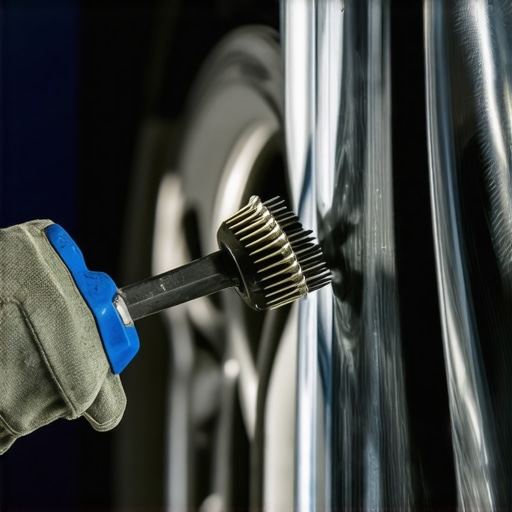
Remove the ground wire terminal with a wrench. Look for rust, oxidation, or corrosion on both the wire terminal and the grounding point. If the connection appears dirty or corroded, use a wire brush or sandpaper to clean the contacts thoroughly, exposing shiny metal. I once hurried through this step without cleaning the terminal, which caused my car to intermittently not start. Cleaning and tightening the connection fixed the issue permanently.
Test the Ground Connection
Use a multimeter set to measure resistance. Attach one probe to the terminal on the ground wire and the other to the metal chassis or engine block. A reading close to zero indicates a good ground. If the reading is high, it signals poor contact, and further cleaning or replacing the wire might be necessary. Remember, a loose or corroded ground wire is like a leaking water pipe—your electrical system can’t complete circuits properly, causing starting issues.
Secure and Reassemble the Grounding Point
After ensuring the connection is clean and solid, reattach the terminal securely. Use a wrench to tighten the bolt or nut firmly—avoiding over-tightening, which can damage the terminal. It’s similar to tightening a bolt on a bicycle wheel; too loose, and it wobbles; too tight, and it may break. Once secured, replace any covers or protective boots to prevent future corrosion.
Test Your Repair
Reinstall the battery cable to the negative terminal, making sure it’s snugly in place. Start the vehicle; it should turn over smoothly. To confirm your fix, consider turning off the car, disconnecting the battery, then reconnecting and attempting a restart after a few minutes. In my case, this quick check confirmed that my ground wire issue was resolved, preventing unnecessary replacement of the starter. Remember, a simple inspection and cleaning often outperform costly parts substitutions.
Prevent Future Ground Wire Failures
Regularly inspect ground connections, especially before winter or long road trips. Applying a dielectric grease to the cleaned contacts helps repel moisture and corrosion. Also, periodically check the condition of the ground strap—replace it if it shows signs of cracking or excessive wear. For advanced tips on vehicle wiring health, explore detailed guides or diagnostic tools, such as AI scanner tips.
Challenging the Popular Belief: More Parts Always Means Better Repair
One widespread misconception is that replacing multiple components simultaneously guarantees a fix. However, this can lead to unnecessary expenses and overlooks the importance of precise diagnostics. Many auto technicians now emphasize using advanced vehicle diagnostics tools like AI scanner technology to identify the exact issue before component replacement. This approach minimizes guesswork and resource waste, ensuring repairs are both effective and economical.
Beware of the Overconfidence Trap
A common pitfall is assuming your mechanic is infallible, leading you to accept repairs without question. This complacency can result in overlooking simple yet critical issues—like corroded wiring or hidden leaks—that can cause recurring problems. For example, neglecting to perform a detailed inspection of the brake system can cause you to replace rotors prematurely. Always ask for diagnostic reports and understand the reasoning behind each recommendation; it might save you from costly redo repairs.
Mastering the Nuances in Vehicle Diagnostics
Did you know that even low-level sensor glitches can mislead diagnostics systems and cause misdiagnoses? Many vehicle owners rely on OBD-II scanners, but these devices often only display generic trouble codes. To truly comprehend what’s happening under your hood, leveraging more sophisticated tools or insights—such as checking for TPMS sensor errors—is crucial. Recognizing false positives can prevent unnecessary repairs like replacing a perfectly functional part, which is both costly and time-consuming.
Why Push Beyond the Surface When Diagnosing Engine Issues?
Advanced troubleshooting involves exploring beyond the initial code or symptom. For instance, engine misfires that worsen in rainy weather might be related to high-voltage leaks or corroded wiring, not just spark plugs. Diagnosing such nuanced problems requires an analytical mindset and sometimes, detailed inspections of wiring harnesses and sensors. Remember, understanding the subtle clues can prevent future breakdowns and extend your vehicle’s lifespan. For in-depth guidance on avoiding common DIY pitfalls, see this expert resource.
Spotting the Snags in Brake and Oil System Maintenance
Many assume that routine maintenance like brake servicing and oil changes are straightforward, but overlooking specific nuances can lead to significant issues. For example, using the wrong type of oil or neglecting to clean brake calipers properly can cause uneven wear or early failures. A trap to avoid is following the 10,000-mile oil change myth—modern synthetic oils often last longer if used correctly, such as in hy Losnbrid models. Always consult your vehicle’s manual and apply expert insights to optimize performance and longevity.
Better Maintenance, Less Costly Repairs
Neglecting the detailed aspects of brake and oil system care can lead to expensive repairs down the line. For instance, failing to replace worn-out components promptly or using incorrect fluids can cause damage that costs thousands to repair. The key is educating yourself on the finer points of vehicle upkeep, like checking for signs of early transmission wear and understanding when to act. Remember, proactive maintenance is cheaper than reactive repairs — a truth grounded in automotive science.
So, are you falling into any of these common traps? Share your experiences below and let’s keep the conversation going! Understanding these hidden nuances helps you become a more confident car owner and saves you money in the long run.
How Do I Maintain Vehicle Systems Over Time?
Consistent maintenance is the cornerstone of reliable vehicle performance. I rely heavily on advanced diagnostic tools like the AI scanner technology because it helps me pinpoint issues before they escalate. This is especially crucial in areas like turbo engine oil management, where synthetic oils play a vital role. As noted in technical guides, using quality synthetic oils significantly prolongs engine health and reduces sludge buildup. Regularly updating your diagnostic software and maintaining a detailed service log ensures your vehicle stays road-ready for years to come.
Must-Have Tools for Reliable Diagnostics and Repairs
Over the years, I’ve found that investing in a few key pieces of equipment has paid dividends. An inductive clamp meter for checking electrical currents without disconnecting wires has saved me hours troubleshooting wiring issues. For engine health, a compression tester allows me to assess cylinder integrity, especially useful before changing head gaskets or addressing misfires. I also swear by a mechanic’s stethoscope for isolating noises—be it a knocking sound or a hissing leak.
Another indispensable tool is a vehicle-specific service manual, which provides precise procedures and torque specs—saving you from accidental damage. Additionally, using a high-quality scan tool that supports multiple protocols ensures you’re not limited to generic codes. With the advent of advanced vehicle diagnostics hacks, I recommend embracing these technologies early to stay ahead of potential issues.
What’s Next for Vehicle Maintenance Tech?
The future of auto repair leans toward smart diagnostics and AI-driven predictive maintenance. As vehicle systems become more interconnected, tools capable of analyzing data trends—like predictive oil consumption models—will help owners and mechanics prevent breakdowns before they happen. I predict that integrating IoT sensors into everyday maintenance routines will become standard, making proactive care more accessible and cost-effective.
Stay Ahead: Manage Your Vehicle’s Health with Confidence
To truly keep your vehicle working smoothly, I recommend adopting a systematic approach: use diagnostic software to monitor condition parameters, keep tools like a compression tester handy, and stay informed about emerging technologies. For instance, regularly checking for oil pressure sensor issues can save you from sudden failures. Don’t hesitate to test out one of these advanced tips—like setting up a scheduled diagnostic scan—and watch your vehicle’s reliability improve. Remember, a little investment in the right tools today ensures long-term savings and peace of mind on tomorrow’s road trips.
Lessons From the Garage That Changed My Approach to Car Care
- One of the biggest lightbulb moments was realizing that seemingly minor issues like a corroded ground wire can masquerade as major component failures, preventing me from rushing into costly replacements.
- Trusting diagnostic tools over assumptions saved me from unnecessary repairs. Investing in quality scanners and understanding their limitations made a significant difference in accuracy and cost-saving.
- Regularly inspecting and maintaining wiring and connections, rather than just replacing parts when problems arise, can extend the lifespan of critical systems and improve reliability.
- Learning to interpret subtle signs—like a slight hesitation in acceleration or minor electrical quirks—helped me catch potential issues early before they turn into expensive repairs.
- Understanding the importance of using the correct, high-quality fluids and replacing them on schedule has kept my engine running smoothly and avoided avoidable damage.
My Go-To Tools and Resources for Auto Diagnostics
Over the years, I’ve come to rely on a few key resources that have become invaluable in my repair journey. The AI scanner tools provide deep insights that generic code readers miss, saving me time and guesswork. A compression tester helps me assess engine health beyond what surface diagnostics show and catches issues early. I also keep a vehicle-specific service manual on hand—nothing beats manufacturer guidance for accurate repairs. These resources, combined with ongoing education, keep me confident behind the wheel and in the garage.
Embrace Your Inner Gearhead—The Road Awaits
Understanding the often-overlooked details of auto repair, vehicle diagnostics, and maintenance isn’t just for professionals—it’s empowering for any car owner. Taking small steps like inspecting ground wires or interpreting diagnostic codes can prevent breakdowns and save hundreds of dollars. The journey toward mastering your vehicle’s health is ongoing, but every bit of knowledge builds confidence. So, what’s the first small fix you’ll try today? Share your story below—I’d love to hear how you’re taking control of your car care journey!