
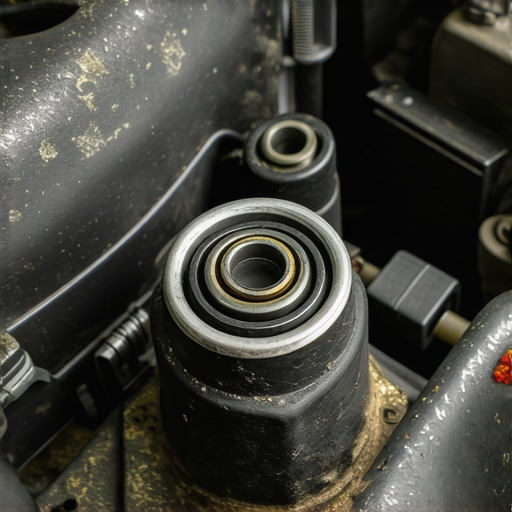
It was a cold morning, and I was already running late. As I turned the key in my car, the engine struggled to fire up. Instead of the usual roar, I was met with a sputter and a hesitant cough. Suddenly, I was stranded—stuck in my driveway, frustrated and a little embarrassed. That lightbulb moment hit me hard: I had no idea how close I was to a fuel pump failure. Later, I learned that early signs can be subtle, yet crucial.
Why Recognizing Fuel Pump Warnings Can Save You from Unexpected Breakdowns
Your fuel pump is the heart of your vehicle’s fuel system, responsible for delivering gasoline from the tank to the engine. When it starts to fail, it doesn’t just die overnight. Usually, there are warning signs—like sputtering, loss of power, or difficulty starting—that, if overlooked, lead to unexpected stalls or complete breakdowns. The truth is, spotting these signals early on can prevent emergency repairs and dangerous roadside situations.
I used to dismiss minor hesitations or rough starts as just normal wear, but that mindset almost cost me dearly. An early mistake I made was ignoring a slight decrease in fuel efficiency, which I now know can be an indicator of a weakening pump. If you’re curious about other hidden signs, this [detailed guide](https://repairmycarpro.com/the-specific-reason-your-engine-starts-then-immediately-dies) explains how to diagnose engine issues that might be related to fuel delivery problems.
By becoming aware of these warning signs, you can schedule timely maintenance instead of facing costly repairs or dangerous breakdowns. So, how do you tell if your fuel pump is on its way out? Let’s explore that next.
Check for Engine Hesitation During Acceleration
One of the first signs of a failing fuel pump is hesitation when you press the gas pedal. I recall a time when my car sluggishly responded, almost like it was gasping for breath. To test this, drive your vehicle on a flat road and gradually accelerate. If you notice that the engine stumbles or sputters, it could indicate that the pump isn’t supplying fuel steadily. This step is straightforward but vital to catching problems early before they escalate.
Listen for Unusual Sounds from the Fuel Tank
Fuel pumps produce a faint humming noise when operating properly. When I experienced my own pump failure, I noticed that the consistent hum had faded. To verify, open the driver’s side door and listen near the rear wheel area while the engine is running. A noticeable absence of sound or a loud whining could confirm the pump’s deteriorating condition. Be cautious—if you do hear abnormal noises, it’s time to dig deeper.
Perform a Voltage Test Without a Multimeter
If you lack diagnostic tools, you can perform a basic voltage check using a test light. Safely lift the rear seat or access panel to reach the fuel pump wiring harness. Attach the test light to the positive terminal of the wiring. Turn the ignition to the “On” position; if the light illuminates, the pump is receiving power. If not, the issue might lie with the fuse, relay, or wiring. This test helps pinpoint whether your fuel pump fails because of electrical supply issues or the pump itself.
Inspect Fuel Pressure with a Gauge
To be thorough, use a fuel pressure gauge—a minimal investment—connected to the fuel rail. Turn on the ignition; the gauge should read within manufacturer specifications (often around 40-60 PSI). If pressure is low or unstable, your pump is likely failing. Last time I did this, I noticed inconsistent readings and realized my pump was on its last legs. This step seems technical but provides conclusive insight into fuel delivery performance.
Observe for Hard Starts or Stalling
Repeated difficulty starting or intermittent stalls during drives are classic signs. I once ignored minor stalls, which eventually led to a complete breakdown. To diagnose, pay attention to engine startup behavior and running smoothness. If your engine takes longer to start or stalls unexpectedly, consider the possibility of fuel delivery issues. Cross-referencing these symptoms with other signs strengthens your diagnosis.
Review Fuel Filter Condition and Change if Necessary
A clogged fuel filter can mimic pump problems. Replace the filter at regular intervals—typically every 30,000 miles—since a dirty filter strains the pump. When I replaced my filter, I noticed improved acceleration and smoother operation. This proactive step ensures your fuel pump isn’t overworked and extends its lifespan.
Remember the Importance of Routine Maintenance
Regular checks of the fuel system components are crucial. Schedule inspections if you’re experiencing any symptoms. Keeping your vehicle in top shape not only prevents breakdowns but also ensures safety on the road. Preventative measures like testing and replacing filters reduce strain on the pump, helping you avoid costly repairs later.
Many car owners and even some technicians harbor misconceptions about vehicle diagnostics and repair procedures, often leading to costly mistakes. One prevalent myth is that if a vehicle seems to run fine after a minor repair, it means the issue is entirely resolved. In reality, symptoms can mask underlying problems that develop silently, making thorough diagnostic testing essential. For example, replacing a fuel filter without addressing a failing fuel pump can result in recurring issues, highlighting the importance of understanding the system’s nuances.
Do You Know the Hidden Risks of Relying Solely on OBD Codes?
While On-Board Diagnostics (OBD) systems are invaluable, many assume that a stored code definitively indicates the fault’s exact location. However, studies show that OBD codes can sometimes point to secondary issues or be false positives, especially with complex systems like transmissions or emissions controls. According to automotive expert Mark Wilson, “A faulty sensor might trigger a check engine light, but the root cause could be elsewhere, leading to misdiagnosis if one relies only on scan tools.” This emphasizes the necessity of combining scanner data with a comprehensive physical inspection to prevent missteps like replacing parts unnecessarily.
Another common trap is overlooking subtle signs, such as slight engine hesitation or unusual noises, which often precede major failures. For instance, ignoring early symptoms of a slipping transmission can result in complete mechanical failure, requiring expensive repairs or replacements. Regular maintenance routines, including inspecting fluid levels and belts, are crucial to catch these warning signs early. Skipping these checks, especially in high-mileage vehicles, can lead to a false sense of security and unexpected breakdowns.
Regarding oil changes, many believe that sticking rigidly to a 3,000-mile interval is always necessary. However, modern synthetic oils and engine technologies allow for longer intervals—up to 7,500 or even 10,000 miles—when combined with condition-based monitoring. Over-regular oil changes not only waste money but can also cause unnecessary oil filter replacements, which may lead to engine wear over time, as detailed in this article about high-mileage oil filters.
Being aware of these hidden nuances can significantly improve how you approach vehicle maintenance and diagnostics. It encourages a more sophisticated, less trial-and-error approach, saving you time and money. Have you ever fallen into this trap? Let me know in the comments!
Equip Yourself for Long-Term Vehicle Health
Maintaining your vehicle’s performance doesn’t require guesswork when you have the right tools and routines in place. Personally, I swear by a high-quality digital multimeter for electrical diagnostics—it’s indispensable for quickly evaluating battery health, alternator output, and sensor voltages. For example, a robust multimeter like the Fluke 115 provides accurate readings and durability, reducing the need for repeated purchases. I also rely on a fuel pressure tester to confirm whether my fuel pump is delivering the correct pressure, especially when troubleshooting hesitation or stalling issues, which you can learn to diagnose in this DIY guide.
For software diagnostics, I prefer OBD2 scanners that connect via Bluetooth to my smartphone, such as the BlueDriver Tool. Its ability to read and clear codes, plus provide live data streams, streamlines troubleshooting significantly. I also suggest investing in a dedicated coolant and oil tester—these inexpensive devices can reveal temperature and viscosity inconsistencies that might hint at underlying problems, like coolant leaks or oil degradation.
The Future of Vehicle Maintenance Tools
Automation and AI are beginning to integrate more deeply into vehicle diagnostics. Expect to see smarter sensors that detect issues before warning lights appear and diagnostics apps that analyze patterns across your driving data. Staying updated with these innovations can keep you ahead, reducing downtime and repair costs.
How do I maintain diagnostics accuracy over time?
Regular calibration of your diagnostic tools is crucial. For instance, a multimeter can drift from its true readings over years; periodic recalibration ensures ongoing reliability. Additionally, keep your software up-to-date—many OBD2 apps and scanners release firmware updates that improve functionality and bug fixes. Practicing routine inspections—such as checking for loose wiring or corrosion on sensor connectors—not only prolongs tool lifespan but also enhances diagnostic precision. Remember, precise diagnostics save money and extend vehicle lifespan; I challenge you to try recalibrating your multimeter today to see the difference in your troubleshooting accuracy. It’s an easy step that pays dividends in the long run, especially when diagnosing complex issues like transmission slipping or subtle engine misfires. For further insights, check out [7 signs your transmission is slipping](https://repairmycarpro.com/7-signs-your-transmission-is-slipping-even-if-the-fluid-looks-clean).
Throughout my years of vehicle ownership, I’ve learned that catching warning signs early can mean the difference between a quick fix and a costly breakdown. Recognizing subtle hints like engine hesitation or unusual noises is crucial. Once, I ignored a slight sputter during acceleration, and it led to a stranded night. From that experience, I realized that understanding and acting on these signals is an essential skill for any driver.
Sneaky Clues That Point to Fuel Pump Trouble
Sometimes, the most overlooked signs can alert you to impending fuel system issues. Engine hesitation during acceleration, for example, often feels like the engine is struggling to get fuel. Listening closely near the rear of your vehicle can reveal a faint humming from the fuel pump—a consistent sound that can disappear as the pump deteriorates. Performing simple tests like checking fuel pressure with a gauge or using a test light can provide peace of mind or pinpoint the problem before it worsens.
Overcoming Myths and Misconceptions
One mistake I made initially was relying solely on diagnostic codes from an OBD scanner. While helpful, codes can sometimes be misleading, especially with complex systems like fuel delivery. Supplementing scan data with physical inspections and tests—like listening for pump noises or measuring fuel pressure—can save you from replacing unnecessary parts. Moreover, routine maintenance, such as replacing the fuel filter at recommended intervals, reduces strain on your pump and prolongs its lifespan. For a deep dive into common myths, check out this article on why engines stall immediately after starting.
Be Proactive, Not Reactive
Taking charge of your vehicle’s health means recognizing the early signs and acting swiftly. Whether it’s performing simple voltage tests or inspecting for abnormal sounds, these proactive steps can save you from roadside emergencies. With the right knowledge and routine checks, you become your own best mechanic, ensuring your vehicle remains dependable for years to come. Remember, early detection isn’t just about saving money—it’s about safety and peace of mind.