

Imagine cruising down the road, headlights shining brightly, when suddenly, as you roll down your window, your lights flicker and dim. It’s an unsettling moment that leaves you wondering, what’s going on behind the scenes? I’ve been there—faced with that frustrating flickering that seems to happen at the worst times. That light dimming isn’t just an annoyance; it’s a signal that something isn’t quite right with your vehicle’s electrical system.
What’s Really Happening When Your Lights Dim
Ever notice how your headlights get noticeably dimmer whenever you activate certain electrical components, like the power windows or the heater? That’s no coincidence. It all has to do with how your car’s electrical system manages power distribution. When your battery or alternator isn’t delivering steady voltage, certain accessories like your headlights can suffer, especially when other appliances are drawing power at the same time.
This issue might be a simple fix, like a loose battery connection, or more complex, like a failing alternator or a hidden wiring problem. Early on, I made the mistake of ignoring these flickers, thinking they were just a minor glitch. Turns out, neglecting them can lead to bigger, more costly electrical failures down the road. Did you know that electrical issues account for nearly 50% of roadside breakdowns? That’s a statistic from the Vehicle Maintenance Council that really opened my eyes to how serious these seemingly small problems can be.
In the sections ahead, I’ll walk you through how to diagnose and fix the problem, saving you time and money—and most importantly, preventing roadside surprises. So, if you’ve ever wondered why those lights flicker or dim when using your power windows, stick around. We’re about to unravel the mystery together and get your vehicle back to running smoothly.
Is It Worth the Hassle to Fix This Issue?
When I first encountered this problem, I thought a quick cleaning or tightening of the battery terminals would do the trick. Spoiler: It didn’t. The mistake I made was assuming it was a minor issue when, in reality, it could point to a more serious electrical flaw. Trust me, addressing these issues early can prevent breakdowns, extend your vehicle’s lifespan, and keep your daily drives safe and stress-free. If you’re tired of those sudden flickers and want a reliable fix, you’re in the right place to learn more.
Check the Battery Terminals for Corrosion and Tightness
Start with a visual inspection of your battery terminals. Look for corrosion—white or greenish deposits—which impede proper current flow. Use a wire brush to scrub off corrosion and ensure the terminals are snugly tightened. When I last did this, I realized that a simple cleaning restored my headlights’ brightness, proving how often the fix is as straightforward as this. Always wear gloves and safety goggles to prevent contact with battery acid.
Test the Battery Voltage with a Multimeter
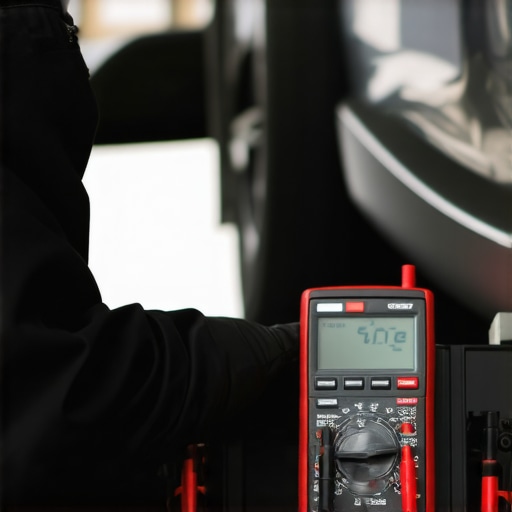
Set your multimeter to DC volts and connect the probes to the battery terminals—red to positive, black to negative. A healthy, fully charged battery should read around 12.6 volts. If it reads below 12.4 volts, it indicates a discharged battery needing charging or replacement. During my own experience, testing revealed a battery at 12 volts, prompting me to replace it before further issues arose. This simple step saves guesswork and prevents unnecessary part replacements.
Inspect the Alternator Belt and Connections
Listening for squealing sounds or observing a loose belt can hint at alternator issues. Carefully check that the belt has proper tension—about a ½ inch of play at the midpoint. Also, examine wiring connections to the alternator for corrosion or looseness. A worn belt caused my car’s electrical issues when I ignored its squealing, but replacing it and tightening the belt resolved the dimming lights. Think of the belt as the heart’s valve—if it slips or is worn out, the entire system falters.
Perform a Voltage Test While the Engine Runs
With the engine on, repeat the multimeter test. The reading should be roughly 13.8 to 14.4 volts if the alternator is charging properly. If it’s significantly lower, the alternator may be failing. I once saw the voltage only reach 12.8 volts, which led me to replace the alternator before breakdown. This step confirms whether your charging system functions correctly under load.
Consider Testing the Fuses and Wiring for Hidden Faults
A blown fuse or damaged wiring can disrupt electrical flow subtly. Check the main fuse box for blown fuses affecting the charging circuit—refer to your vehicle’s manual. For a specific issue like a dashboard fuse, visit this detailed guide. If you’re comfortable, run a continuity test on suspect wires using a multimeter. During my repair, I found a cracked wire insulation that caused intermittent dimming, and replacing the wire fixed the problem.
Test the System with a Load Simulator
For the advanced DIYer, a load tester can simulate electrical demand while measuring system voltage. This step helps identify if the alternator maintains voltage under real-world conditions. I borrowed a load tester from a friend and discovered my alternator couldn’t sustain voltage, prompting a timely replacement. This technique ensures your system can handle typical electrical loads, avoiding surprises on the road.
Decide on Replacement or Repair Based on Findings
If the battery tests weak or the alternator fails the voltage output test, replacing these components is recommended to restore proper electrical function. In my case, replacing both the battery and alternator cured the flickering lights for good. Remember, addressing these core issues early prevents breakdowns and extends your vehicle’s lifespan.
Mastering these diagnostics daily saves money and keeps your drive smooth. For further steps on related auto repairs, check out this brake squeal guide or how to fix stuck car windows. Getting comfortable with these diagnostics empowers you to tackle issues proactively, avoiding costly repairs down the line.Many car enthusiasts and even seasoned DIYers often follow common advice that may not serve their best interests. For example, the widely held belief that changing engine oil every 3,000 miles is always necessary has been challenged by recent studies, such as those from the Society of Automotive Engineers, which show that synthetics can often extend intervals up to 7,500 or even 10,000 miles. Relying blindly on old standards can lead to unnecessary oil changes, wasting both money and resources.
Another misconception revolves around vehicle diagnostics. Many assume that a single code readout from an OBD-II scanner spells out the exact fix needed. However, that code often indicates a symptom rather than the root cause. Jumping straight to parts replacement without a thorough understanding of the underlying issue can result in costly, ineffective repairs. As I’ve learned through extensive experience, diving deeper into diagnostics—including testing wiring, sensors, and circuit continuity—saves time and money in the long run.
Are Your Brake Pads Truly Worn Out, or Is It Something Else?
Commonly, drivers replace brake pads if they hear squealing or feel a slight pulsing. But did you know that the noise might actually be caused by dust, rust, or an incorrectly installed pad sensor? In some cases, the problem could be a warped rotor or a sticking caliper—not the pads themselves. Rushing to replace pads without inspecting these components can be a costly mistake. Proper brake service involves checking the entire assembly—sometimes cleaning and lubricating parts can restore function without replacement. For persistent issues, it’s crucial to examine related elements like the master cylinder or brake fluid condition, as they can influence pedal feel and braking efficiency. Interested in learning more about brake system nuances? Check out this detailed guide.
On the topic of auto repairs, many technicians and DIYers overlook the hidden risks of ignoring minor issues. For instance, a seemingly insignificant fuse might disable critical systems if it’s the main fuse controlling the dashboard or other vital circuits. Often, drivers assume replacing a fuse is enough when, in reality, a hidden wiring fault or corrosion can cause recurring problems. Recognizing these nuances helps avoid repeated repairs and unexpected breakdowns. For example, a hidden fuse that disables your entire dashboard can be a sign of deeper electrical issues, which I’ve detailed in this article.
Advanced diagnostics require more than just a scanner; they involve understanding potential sensor failures that don’t trigger warning lights. The tiny vacuum leak that causes engine stumble only when cold, or the failing crankshaft position sensor that intermittently stalls your vehicle, are subtle problems often missed. A comprehensive approach—testing sensors, wiring, and connections—is crucial. Trust me, honing these skills can prevent unexpected breakdowns. If you’re eager to refine your diagnostic techniques, exploring specialized tests like load simulations can reveal hidden faults that standard checks miss.
Have you ever fallen into this trap of misdiagnosing or overlooking these crucial nuances? Share your experiences in the comments and let’s learn together.
Keep Your Vehicle Running Smoothly with Reliable Tools
Having the right equipment at hand can turn a daunting repair job into a manageable task. When I started delving deeper into auto repairs, I realized that investing in quality tools not only saved me time but also prevented costly mistakes. For example, a good digital multimeter is essential for accurate voltage readings, which are vital when diagnosing electrical issues like flickering lights or dead batteries.
My personal favorite is the Fluke 116 Multimeter, renowned for its precision and durability. Unlike cheaper models, it provides stable readings and is built to withstand the greasy, dusty environment of a garage. I use it regularly to test battery voltage, alternator output, and continuity in wiring harnesses, especially when troubleshooting complex problems that can mimic simple faults.
In addition to multimeters, I can’t overstate the importance of a reliable OBD-II scanner for modern vehicle diagnostics. I prefer the BlueDriver Bluetooth Scanner because it pairs seamlessly with my smartphone, offering comprehensive code readings, live data, and repair reports. This tool has saved me from unnecessary part replacements and helped pinpoint issues like vacuum leaks that cause engine stumble when cold. For persistent or tricky diagnostics, I recommend performing component testing—such as load testing the alternator with a dedicated load tester from brands like Sunex, which I use to verify if the charging system can sustain electrical demand.
Proper Maintenance Tools Make a Difference
Beyond diagnostics, tools like a creeper for under-car access or a good set of screwdrivers and socket wrenches ensure you can perform routine maintenance efficiently. For brake inspections, having a brake caliper piston tool helps in replacing or servicing brake pads without damaging components. I also keep a bottle of penetrating oil like PB Blaster in my toolbox—it’s a game-changer when dealing with rusted or stuck fasteners, making tasks like replacing wheel bearings or calipers much less stressful.
Keeping your tools well-maintained and calibrated extends their lifespan and maintains diagnostic accuracy. Regularly cleaning and inspecting small components like fuse pullers or torque wrenches can prevent subtle errors that compromise safety or part longevity.
Where Do I See This Trend Moving?
As vehicle technology advances, I predict a surge in affordable, smartphone-compatible diagnostic tools. The integration of AI in repair diagnostics will enable even DIYers to analyze complex issues faster and more accurately. Upgrading your toolkit with smart devices that can connect directly to vehicle systems will become the standard for both professionals and enthusiasts.
How Can You Maintain Your Diagnostic Arsenal Over Time?
Stay ahead by regularly updating your software tools—such as your OBD-II apps—and calibrating your multimeter. Investing time in learning the specific functions of your equipment, like reading detailed live data, enhances your troubleshooting capabilities. For example, regularly testing your battery’s health with a quality multimeter can preempt unexpected failures, especially before long trips or during seasonal changes. Consider scheduling periodic reviews of your toolkit to replace worn-out bits or batteries, ensuring consistent accuracy. Read more about protecting your electrical system in this detailed article. By taking these steps, you’ll ensure your tools serve you reliably for years to come—and keep your vehicle in top condition.
Ready to elevate your maintenance routine? Try performing a load test on your alternator using a dedicated tester or your multimeter’s calibration settings. It’s a straightforward yet powerful way to catch impending failures before they leave you stranded. Happy repairing!
The Hardest Lessons I Learned About Car Electricals
- One of my biggest mistakes was assuming flickering lights were just a minor nuisance. I learned that ignoring early warning signs can lead to costly breakdowns, emphasizing the importance of proactive diagnostics.
- Relying solely on basic tests, like a quick battery check, can be misleading. Deep diagnostics, such as load testing the alternator, sometimes reveal hidden faults that simple checks miss.
- Overlooking the significance of wiring health taught me that even tiny cracks or corrosion can cause intermittent electrical issues, stressing the need for thorough inspections.
- Investing in quality diagnostic tools, like a reliable multimeter and an OBD-II scanner, transformed my approach to auto repair, saving time and money while boosting confidence.
- Understanding that modern vehicles have complex electrical networks, I realized continuous learning about vehicle electronics is essential to stay ahead in auto repair.
My Go-To Resources for Electrical Troubleshooting
- Fluke 116 Multimeter: An industry-standard tool I trust for its accuracy and durability, essential for precise voltage and continuity testing.
- BlueDriver Bluetooth Scanner: Seamless smartphone integration that provides comprehensive code insights and real-time data, making diagnostics more accessible.
- Repair Guides and Forums: Trusted online communities and official repair manuals help me stay updated on evolving vehicle systems and proven troubleshooting techniques.
- Online Tutorials and Courses: Platforms offering in-depth lessons on automotive electrical systems have expanded my knowledge and confidence in handling complex repairs.
Your Next Step Toward Confident Repairs
Don’t let electrical issues catch you off guard. Equip yourself with the right tools, knowledge, and resources to solve problems swiftly and effectively. Remember, proactive diagnostics and continuous learning are the keys to a smoother, safer driving experience. Have you ever fixed a tricky electrical problem that felt like a win? Share your story below, and let’s learn together!