
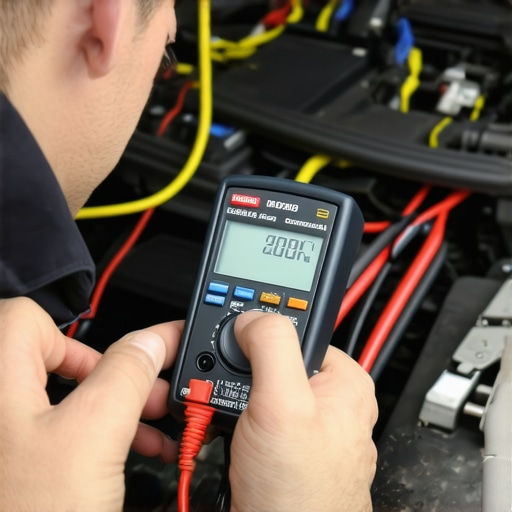
Imagine this: I hop into my car expecting a smooth ride, only to find that my battery’s dead as a doornail just an hour later. Frustrating, right? That’s exactly what happened to me a few weeks ago. My car refused to start, and I was left scratching my head, wondering what could possibly drain a battery so quickly. After some initial guesses—maybe a faulty alternator or a bad connection—I realized the real culprit was something much sneaky: an electrical short. That lightbulb moment changed everything.
Why Cutting-Edge Diagnostics Matter More Than Ever
In today’s vehicles, with all the electronic gadgets packed inside, electrical issues can happen silently and escalate quickly. A short circuit isn’t just an annoyance; it can be a safety hazard and lead to costly repairs if left unchecked. I learned this the hard way, but now I want to share my experience so you can avoid similar headaches. Whether you’re a seasoned mechanic or just a car owner trying to troubleshoot, understanding how to identify and fix an electrical short can save you a lot of time and money.
Is Finding a Deadly Short Really Worth the Hassle?
When I first encountered this problem, I felt overwhelmed. I’d initially made the mistake of ignoring minor electrical quirks, assuming they would resolve themselves—something I now realize is a dangerous game. Early on, I also overlooked the importance of proper diagnostic techniques, which led me down a rabbit hole of wasted effort. Trust me, catching these issues early and correctly can make all the difference. For more on electrical problems and their sneaky nature, check out how we tracked down that short. Now, let’s get into the practical steps I used to solve my problem—and how you can do the same.
Isolate the Circuit That Is Causing the Short
Start by turning off your vehicle and disconnecting the negative battery terminal to prevent further damage. Then, identify which electrical component or system is acting up—headlights dimming, dashboard flickering, or unusual smells can give clues. I once traced a dimming headlight back to a faulty switch by systematically disconnecting wiring harnesses, which clarified the suspect circuit. Use a wiring diagram specific to your vehicle to map out circuits efficiently.
Begin with Visual Inspection
Look for obvious signs of damage such as burnt wires, melted plastic, or corrosion. Think of it as inspecting a garden hose for leaks before turning the water on—spotting cracks early prevents flooding later. I once found a frayed wire beneath the dashboard that had been rubbing against the metal frame, causing intermittent shorts. Replacing damaged wiring here is often the quickest fix.
Test with a Multimeter to Detect Resistance
Set your multimeter to measure resistance (ohms). With the circuit disconnected, check for continuity between the power source and ground. A reading close to zero indicates a direct short. For example, when I tested a suspect wire, I found almost zero resistance, confirming a dead short, which I then isolated further. This method helps pinpoint the exact location of the breach.
Use Powered Testing to Confirm the Short
Reattach the circuit temporarily and turn on your vehicle or component to observe behavior. Use the multimeter’s current measurement mode to check for excessive current flow. Think of it as a doctor listening to your heartbeat—abnormal ‘beats’ signal a problem. I once used this approach to catch a late-stage short in my rear window defroster wiring, saving me a costly repair later.
Addressing the Short to Prevent Future Damage
Once identified, repair or replace damaged wiring, connectors, or components. Ensure all repairs are insulated properly to avoid recurrence. Consider applying protective loom or tape around vulnerable wires, similar to wrapping electrical extensions with electrical tape to prevent fraying. After repairs, reassemble the system and perform a comprehensive test to confirm the short is gone.
Perform a System Test Post-Repair
Reconnect the battery and operate the system as normal. Keep an eye out for issues like dimming lights, flickering, or warning lights on your dash. For an extra check, online guides suggest resetting the warning lights after repairs. Doing so ensures your fix was successful and the electrical system is stable.
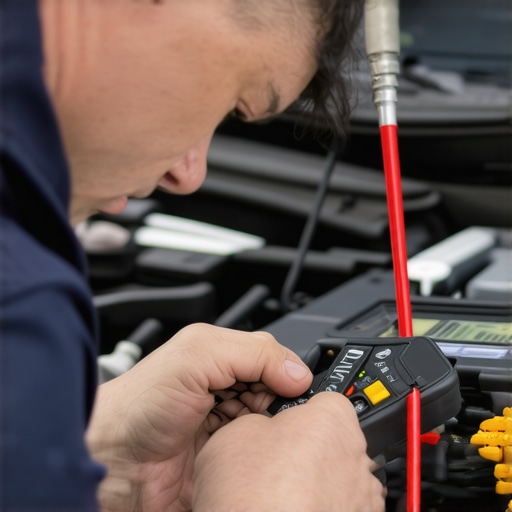
Many car owners and even seasoned technicians fall prey to oversimplified beliefs about vehicle maintenance. One prevalent myth is that changing oil every 3,000 miles is a strict requirement for all vehicles. However, advancements in synthetic oils and engine design mean that this rule isn’t universally accurate. According to auto industry experts, many modern engines can go 7,500 to 10,000 miles between oil changes when using high-quality synthetic oil—yet, this misconception persists among drivers who fear risking engine damage. Overmaintaining or under-maintaining oil changes can both be costly mistakes.
Beware of How Brake Service Gets Oversimplified
Similarly, the idea that brake pads need replacement at a certain mileage threshold can be misleading. Brake wear depends heavily on driving habits, road conditions, and the quality of parts used. Some drivers believe that replacing pads alone will fix all issues, but neglecting to inspect rotors, calipers, and brake fluid can lead to uneven wear, warping, or fluid contamination. This oversight often results in premature repairs or more expensive fixes down the line. For an in-depth view on how brake components interact and what signs you should watch for, you might find this complete guide helpful.
Why Do Some Repairs Fail to Fix the Issue?
Advanced vehicle diagnostics reveal that many auto repairs fail because of this simple but overlooked factor: misdiagnosis. It’s tempting to jump straight to replacing a failing component based on symptom observation, but this approach can ignore underlying causes. For example, a reported engine misfire might stem not from the spark plugs but from vacuum leaks or sensor faults. Relying solely on symptoms without comprehensive diagnostics can lead to repeated visits, higher costs, and frustration. Experts suggest thorough testing—like using specialized tools to detect subtle issues—rather than quick fixes. If you’re interested, check out this article on diagnosing engine misfires for deeper insight.
How Many Drivers Miss the Nuance of Regular System Checks?
Another common mistake involves ignoring less obvious but critical systems, such as the cooling system’s condition. Many drivers overlook that coolant leaks, deteriorated radiator cap seals, or clogged thermostats can silently cause overheating or premature wear. Vehicle diagnostics tailored for these nuances can prevent breakdowns and extend engine life, yet the average driver might only address issues after a costly failure. Regular inspections, especially before seasonal extremes, can save money and downtime. Learn how to spot a blown head gasket early with this simple diagnostic method.
In the rapidly evolving landscape of automotive technology, understanding these subtle but critical factors can mean the difference between smooth operation and costly repairs. Have you ever fallen into this trap? Let me know in the comments.
Investing in the Right Diagnostic Equipment
To ensure your vehicle stays in top shape, I highly recommend investing in a high-quality OBD-II scanner like the BlueDriver or Autel Maxisys series. Personally, I use the BlueDriver because of its Bluetooth connectivity and comprehensive fault code library, which allows me to diagnose issues quickly without heading to the shop. Coupled with smartphone apps, this setup makes vehicle diagnostics accessible and efficient. Additionally, a reputable multimeter with auto-ranging capabilities, such as the Fluke 117, has become an indispensable tool in my garage for testing wiring and electrical components, like those involved in brake systems or headlight circuits. Learn more about electrical diagnostics here.
Utilizing Software for Long-Term Monitoring
Beyond basic scanning, I utilize dynamic monitoring software such as EngineLink or OBDLink, which can log live data over extended periods. These tools help identify intermittent faults that don’t show up during a brief inspection—crucial for troubleshooting issues like irregular engine misfires or short circuits. For example, monitoring fuel trims and sensor voltages over time can reveal subtle problems that, if left unchecked, may cause long-term damage. As vehicle electronics become more sophisticated, adopting advanced software ensures you stay ahead of potential failures, saving you money and minimizing downtime.
DIY Maintenance Techniques You Can Master
Routine maintenance like changing oil, replacing brake pads, or inspecting for leaks can be simplified with the right methods. I recommend keeping a comprehensive set of tools: a quality torque wrench for precise tightenings, specialty drain plugs for quick oil changes, and a UV dye kit to detect elusive leaks in coolant or oil systems. For long-term results, regularly checking and maintaining the health of key components—like changing high-mileage oil filters and scrutinizing bypass valves—prevents costly repairs later. Take the time to learn these techniques; they empower you to keep your vehicle running reliably and extend its lifespan.
Scaling Your Maintenance as Your Fleet Grows
If you manage multiple vehicles or own a fleet, automation and record-keeping become vital. Implementing fleet management software helps track maintenance schedules, recall alerts, and diagnostic histories. Additionally, investing in portable diagnostic tools with cloud connectivity allows quick checks on-site. As technologies evolve, future trends point toward integrated systems that automate diagnostics and suggest repairs proactively, much like advanced predictive maintenance in industrial settings. Preparing now by adopting scalable tools will ensure your vehicles remain dependable, no matter their number.
Maintaining Performance Over Time
To keep your vehicle performing at its best, regular checks of vital systems are essential. For example, inspecting and replacing worn rubber hoses and checking the condition of rubber seals can prevent leaks and failures. Regular fluid analysis, including oil and coolant testing, helps catch early signs of wear before they escalate. Remember, maintenance isn’t a one-time task but an ongoing process. Set reminders for inspections based on your driving habits and environment. For in-depth guidance on diagnosing persistent issues like head gasket failures, refer to this resource. Consistent attention and the right tools will keep your car reliable for many miles to come.
Try implementing a routine diagnostic check using an OBD-II scanner combined with live monitoring software to catch emerging issues early. This proactive approach is a game-changer for long-term vehicle health and can save hundreds of dollars in repairs.
Little Wins That Changed My Approach to Auto Repair
Discovering an electrical short in my vehicle taught me that patience and systematic diagnostics can triumph over frustration. That unexpected breakthrough made me realize the importance of trusting precise testing over assumptions, especially in complex modern cars. I learned that a keen eye for detail—like inspecting wiring for damage—can prevent costly failures and keep your vehicle reliable. My journey underscored that continual learning and proper tools are your best allies in auto diagnostics.
Tools and Resources That Elevate Vehicle Troubleshooting
My essential arsenal includes a high-quality OBD-II scanner like the BlueDriver, which provides instant fault codes and live data logs, making diagnostics accessible whether you’re a DIY enthusiast or a professional. A multimeter such as the Fluke 117 has been indispensable for testing circuits accurately, revealing hidden shorts and resistance issues. For deeper insights into electrical systems, online guides from trusted sites like repairmycarpro.com have saved me time and money. Combining these tools with reputable information has transformed my approach to auto repair.
Channel Your Inner Expert and Take Action
Now is the perfect time to embrace proactive diagnostics and elevate your vehicle maintenance game. By investing in the right tools and learning how to interpret fault codes and electrical signals, you empower yourself to troubleshoot issues early—saving money and extending your car’s lifespan. Remember, automotive repair doesn’t have to be daunting; with patience and the right knowledge, you can confidently address complex problems like electrical shorts. Your vehicle will thank you for it.
What’s the most unexpected issue you’ve resolved with a new diagnostic approach? Share your story below—I’d love to hear how you tackled it!