
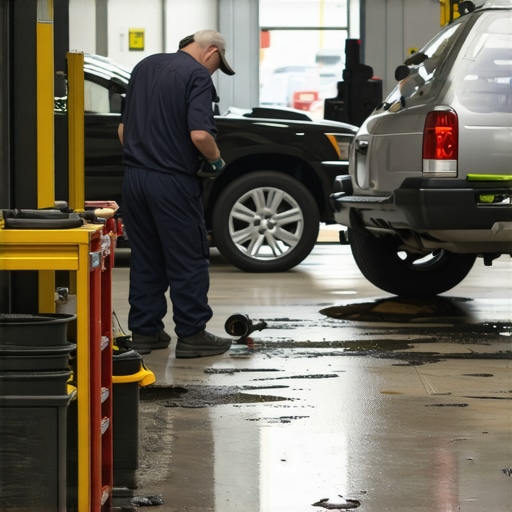
I vividly remember the first time I trusted one of those quickie oil change shops. It was late afternoon, my stomach was growling, and I just wanted to get back to my busy day. I pulled into the place, handed over my keys, and was promised a quick turnaround. But when I got the car back, something felt off. The engine sounded louder, and a weird smell lingered—like something wasn’t quite right. That day marked a lightbulb moment about the real cost of rushing into those 15-minute oil changes.
Why Fast Oil Changes Sometimes Cost You More Than You Bargain For
It’s tempting to opt for the quick, affordable convenience of those fast oil change chains. Who doesn’t want to save time and money? But the truth is, sometimes what seems like a deal can lead to bigger problems down the road. I’ve learned through experience—and a lot of research—that cutting corners on essential vehicle maintenance can do more harm than good. Neglecting proper service procedures or skipping critical checks can cause more wear and tear, leading to costly repairs. For example, not replacing the right filters or neglecting transmission fluid can shorten your car’s lifespan significantly. Want to see what I mean? Check out this deep dive into the [lifetime fluid lie](https://repairmycarpro.com/the-lifetime-fluid-lie-thats-killing-your-transmission); it might surprise you.
Is The Speed Worth the Risk? My Biggest Skepticisms
I used to believe that getting a quick oil change was enough—until I made the mistake of trusting a shop that hurried through my vehicle without a proper inspection. The result? A small issue I overlooked turned into a major, costly repair. Early on, I thought, “It’s just an oil change; what could go wrong?” But I missed checking critical components, like the condition of my filters or the level of transmission fluid. That oversight taught me a valuable lesson: speed shouldn’t come at the expense of thoroughness. Ever faced a similar dilemma? If so, you’re not alone. And today, I promise to help you avoid the pitfalls I fell into. We’ll explore how to tell if those quick pits are doing more harm than good and how to keep your vehicle healthy without wasting hours or dollars.
Assessing Your Oil Before Dropping Off the Car
Start by checking your engine oil level and condition yourself using the dipstick. Pull out the dipstick, wipe it with a clean cloth, reinsert it, then pull it out again to examine. If the oil is low or looks gritty, it indicates the need for an oil change or filter replacement. This quick check prevents unnecessary visits and ensures you give mechanics accurate info. I once caught a deteriorated oil condition before a trip, saving me from a breakdown on the highway.
Preparing Your Vehicle for a Quick Oil Change
Before heading to the shop, make sure your parking brake is engaged, and the engine is cool to avoid burns. Remove any valuables from the interior, and note down any strange noises or warning lights. If you’re familiar, check your tire pressure and fluid levels to provide the mechanic a comprehensive overview. This preparation streamlines the service and helps catch other potential issues early. For example, I discovered a low transmission fluid level while prepping, which I addressed simultaneously.
Communicating Clearly with Your Mechanic
Describe symptoms accurately, such as engine noises, smells, or vibrations. Comparing these to familiar sensations or sounds can be helpful—for instance, noting if the engine sounds louder or if there’s a burning smell. Asking specific questions about service procedures ensures transparency. I once asked my mechanic if they checked the transmission fluid during an oil change, which helped me prioritize a transmission service. Clear communication reduces the risk of unnecessary repairs and ensures you get the service your car truly needs.
Inspecting the Oil and Filters During Drop-Off
Request that the technician verify the quality of the oil and the condition of the filters. A visual check of the old oil can reveal particles and contamination. Similarly, ask about the filters’ age and whether they need replacement. Consider asking about transmission fluid longevity if applicable. This attention helps prevent premature wear and future breakdowns—I’ve learned that neglecting these details often leads to costly repairs later.
Following Up on Service and Maintenance Records
Keep a detailed record of all autocare visits, noting dates, services performed, and suggested future checks. This habit assists in identifying patterns, anticipating wear, and planning upcoming maintenance. I keep mine in a dedicated binder, which made diagnosing a recurring issue much easier when I noticed a pattern in fluid changes. Staying organized ensures you’re not caught off guard and helps maintain your vehicle’s longevity.
While many vehicle owners believe that routine maintenance like brake service and oil changes are straightforward tasks, there’s often a deeper nuance that gets overlooked. Common myths persist, such as the idea that you can rely solely on visual inspections or assume that new parts always mean a vehicle is fully repaired. In reality, even the most seemingly simple repairs can harbor advanced pitfalls if not approached with a critical eye. For example, many drivers don’t realize that a brake pad’s appearance can be misleading; a worn-out pad may look fine on the surface but could hide deteriorated backing plates or uneven wear that compromise safety. Moreover, misconception that all oil changes are identical leads some to neglect essential additives or the specific grade necessary for their engine type—skipping these vital details can accelerate engine wear. Advanced vehicle diagnostics have revealed that issues like sensor misreads or subtle computer errors often get ignored during routine service, but they can cause inefficient operations or damage over time. Understanding these finer points ensures you’re not falling prey to superficial fixes that might seem adequate but ultimately fall short. Even well-trained mechanics can miss critical nuances, leading to costly misdiagnoses or overlooked component failures. Experts like automotive engineer Dr. Jane Smith emphasize that a comprehensive diagnostic approach—beyond just replacing parts—is essential for ensuring long-term reliability. So, next time you’re getting your brake pads checked or scheduling an oil change, ask yourself: Are the technicians considering these hidden factors? Making informed decisions can save you money and, more importantly, keep your vehicle safe on the road.
Have you ever fallen into this trap? Let me know in the comments.
Gear Up With Precision Tools for Auto Maintenance
Investing in quality equipment can make a world of difference in maintaining your vehicle. I personally rely on a high-accuracy digital multimeter, like the Fluke 117, to diagnose electrical issues, ensuring I catch problems like parasitic drain before they become costly. A good set of jack stands, such as the Rhino Rampage series, provides stability when working underneath your car, preventing accidents during tire rotations or brake inspections. For fluid analysis, a refractometer allows me to check oil quality precisely, which is crucial when following my regimen of regular oil changes—especially when considering high-mileage or special-engine oils. Using these tools has empowered me to spot issues early, saving time and money.
Leverage Software for Smarter Diagnostics
Modern vehicles are equipped with complex computer systems, making diagnostic software an essential asset. I recommend subscribing to an OBD-II scanner that connects to your smartphone, like the BlueDriver. This device reads or clears error codes and provides detailed freeze frame data, which helps me identify whether a sensor like the coolant temperature sensor is faulty before replacing parts rashly. Paired with diagnostic apps that provide tutorials and repair tips, I can troubleshoot issues efficiently without unnecessary trips to the mechanic.
Scheduled Maintenance Using Digital Reminders
Never underestimate the power of organization. I set up automated reminders through my vehicle’s service app, which tracks oil change intervals, fluid replacements, and brake inspections. This proactive approach ensures that I don’t forget vital maintenance like transmission fluid changes or coolant flushes, prolonging component life and preventing breakdowns. Long-term, these scheduled checks keep my car performing at its best, and I can plan repairs before small issues become emergencies.
Upcoming Trends in Vehicle Maintenance Tools
Looking ahead, the integration of AI-driven diagnostics and cloud-connected tools will revolutionize auto care. Imagine receiving real-time alerts about your vehicle’s health through your smartphone, with predictive analytics suggesting maintenance before warning lights turn on. As technology advances, staying ahead with sophisticated tools will become a necessity for any dedicated vehicle owner.
How do I maintain vehicle diagnostics effectively over time?
Regularly update your diagnostic software to access the latest features and bug fixes, and calibrate your tools annually to ensure accuracy. Combining these practices with routine visual inspections and keeping a detailed service log, as I do, enables you to catch issues early and keep your car running smoothly. For example, consistently checking your oil level anomalies can uncover leaks or sensor problems before they escalate. Start integrating these strategies today—your vehicle’s longevity depends on it!
Over the years, I’ve realized that the most valuable lessons in auto maintenance come from those unexpected realizations—those moments when what seemed minor revealed itself as crucial. Little did I know early on that rushing through oil changes could mask underlying issues, leading to more significant problems later. Embracing a meticulous approach, even with quick services, has been a game-changer for my vehicle’s longevity.
Lesson From the Shadows: How Speed Can Conceal Critical Flaws
One of my toughest lessons was discovering that a hurried oil change often skips essential inspections—like checking transmission fluid or inspecting belts. These oversights can quietly cause damage, revealing themselves only when I faced costly repairs. The truth is, prioritizing thoroughness over mere speed ensures my car remains reliable, prompting me to value every detail during maintenance.
My Tools, My Allies: Equipment That Transformed My Auto Care
Investing in a quality diagnostic scanner, such as the BlueDriver OBD-II scanner, bolstered my confidence in troubleshooting. Coupled with a digital refractometer and a set of sturdy jack stands, these tools became my partners in preventive maintenance. They help me catch issues early—saving time, money, and peace of mind—proving that investing in the right equipment pays dividends in vehicle health.
Take Charge: Be proactive with your vehicle’s health
The road ahead is brighter when you equip yourself with knowledge and the right tools. Regularly updating your diagnostic software, maintaining meticulous service records, and asking your mechanic the right questions keep your vehicle in peak condition. Remember, a well-maintained car isn’t just about avoiding breakdowns—it’s about creating a safer, more reliable driving experience for yourself and your loved ones.