
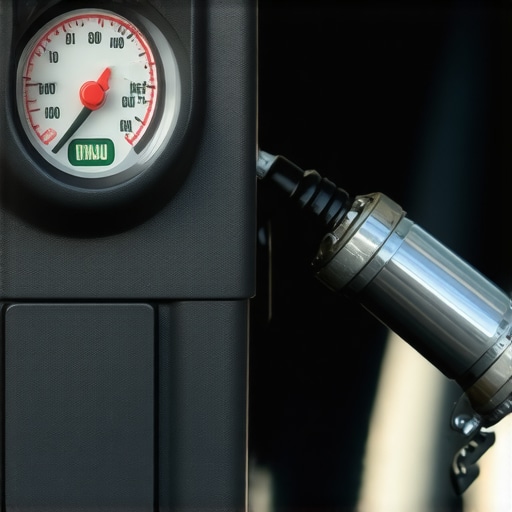
There was a morning I’ll never forget. I pulled into the pump, looked at the price tag, and hesitated. I caught myself subconsciously reaching for the premium gas handle—until a sudden thought struck me: “Do I really need this?” That moment was a lightbulb over my head. I’d been wasting extra cash on high-octane fuel for years, believing it was better for my car’s performance. But as I peeled my hand away, I realized I was fueling my wallet, not my engine’s needs.
Why Many Drivers Overspend on Premium Fuel
It’s a common trap. The owner’s manual—the authoritative guide for your vehicle—often doesn’t require premium gas. Yet, countless drivers still fill up with higher-grade fuel, thinking it’ll make their cars run smoother or improve longevity. I used to be one of those people, convinced that more expensive fuel meant better performance. But here’s the thing: if your car doesn’t specify premium, you’re paying extra for nothing. In fact, I learned early on that this mistake can cost hundreds annually without any real benefit.
In my experience, one of the biggest misconceptions is that premium fuel cleans your engine or prevents knocking better than regular gasoline. Actually, modern engines are built and tuned to run efficiently on regular gas—unless your owner’s manual states otherwise. Studies show that using higher-octane fuel when unnecessary offers no tangible performance advantage and can lead to unnecessary expenses. For example, a report from the AAA Foundation for Traffic Safety confirms that **most cars are optimized for regular fuel, and using premium offers no added benefits unless specified**. (Source: read more about unnecessary fuel costs here.)
Could You Be Falling for This Fuel Cost Trap?
It’s easy to fall prey to marketing hype, especially when gas stations promote premium as a premium experience. But I learned that early mistake—believing my car needed high-octane fuel—cost me dearly over the years. The truth is, your vehicle’s engine is smarter than you might think. If your manual doesn’t say “premium gasoline required,” then you’re probably just paying extra for nothing.
In the next section, I’ll walk you through how to determine what kind of fuel your car really needs and, more importantly, how to save money without sacrificing performance.
Have you ever been convinced to buy premium gas even though your owner’s manual didn’t recommend it? If so, drop a comment below—I’d love to hear your story!
Check Your Owner’s Manual Carefully
The first step is to locate your vehicle’s owner’s manual, which provides specific fuel recommendations. Think of it as a recipe: following the instructions ensures the best results. Last summer, I pulled mine out during a rainy weekend and discovered my car only needed regular unleaded. Ignoring this could cost you hundreds annually in unnecessary fuel costs.
Verify Your Car’s Fuel Type with a Simple Test
Use the engine’s behavior as a clue. If your car runs smoothly without knocking or pinging, chances are you’re on the right fuel. If you notice knocking, it’s time to double-check. A quick method is to observe your engine’s response when you switch fuel types—if uncertain, consult a mechanic or do some research. For example, I once mistakenly used premium for a week and noticed no difference; that’s a clear sign I didn’t need it. For more insights on diagnosing fuel issues, visit this guide on vacuum leak detection.
Inspect Your Fuel Cap and Tank for Seal Integrity
A compromised fuel cap can lead to incorrect fuel vapor pressure, causing your engine to behave as if it’s running on a different octane grade. Seal it tightly and look for cracks or damage. I learned this the hard way when my fuel efficiency dropped unexpectedly; replacing a faulty cap restored normal performance. Regularly checking this can avoid costly diagnostics down the line.
Consider Fuel Branding and Additives
Not all fuel brands are created equal. Some stations add top-tier detergents that may benefit engines, but only if your manual recommends premium. Be cautious of marketing hype. Instead, focus on consistent fueling at reputable stations and avoid unnecessary additive purchases. I once experimented by sticking to one brand for a few months; it reduced engine deposits and improved mileage. For details on how additives can impact engine wear, see this post about engine oil filters.
Monitor Your Fuel Economy and Engine Performance
Track your average miles per gallon (MPG) after every refill. An improvement indicates you’re using the correct fuel grade. If MPG drops or your engine runs rough, reconsider your choice. I recorded my mileage over several tanks and noticed that sticking with regular gas saved me hundreds over a year without sacrificing performance. This ongoing monitoring can be as simple as logging in a notebook or app.
Avoid Cheaper, Low-Quality Fuel Sources
Low-quality fuel from unfamiliar or discount stations can contain more contaminants, leading to engine deposits and reduced efficiency. Stick to stations with good reputations—sometimes paying a bit more saves money in repairs later. Once, I filled up at a less reputable station and experienced rough idling for days. An immediate switch back to my usual station returned smooth operation. To keep your vehicle in top shape, consider a fuel system cleaning periodically—and never hesitate to seek professional diagnostics if problems persist.
Conclusion
Choosing the right fuel isn’t just about saving money—it’s about optimizing your vehicle’s health. By following these simple, actionable steps, you can avoid unnecessary expenses while keeping your engine performing at its best. Regularly consulting your owner’s manual, paying attention to engine behavior, and choosing quality fuel sources are concrete actions that yield real results. Remember, saving money on fuel is a micro decision that, over time, makes a significant difference in your wallet and your car’s lifespan.
 When it comes to vehicle maintenance, many drivers operate with misconceptions that can lead to costly mistakes. For example, the belief that all brake pads need replacing at the same time overlooks the importance of inspecting brake hardware and rotors, which often wear unevenly. Rushing into a rotor replacement without proper diagnosis can be a common pitfall, as the real issue might be contaminated brake fluid or stuck calipers. In fact, regular brake fluid flushes are critical; neglecting this service can cause corrosion and brake failure, something many overlook until it’s too late.
A prevalent myth is that oil changes are a simple task to DIY with just oil and a filter. But seasoned mechanics know the nuance: using the wrong type of oil or ignoring oil viscosity specifications can affect engine longevity. Moreover, some drivers fail to realize that the presence of sludge or metal particles in oil indicates deeper issues like worn piston rings or valve guides—signs that require more than just a quick oil change.
Vehicle diagnostics might seem straightforward—plug in a scanner, follow the codes, then fix. Yet, expert technicians emphasize that codes often mask complex problems, such as sensor wiring faults or intermittent electrical shorts. For instance, a dirty sensor can produce false readings, leading mechanics to replace parts unnecessarily. An advanced mistake is assuming a code indicates the root cause without thorough testing; this oversight can result in repeated repairs.
Let’s address a common misconception in auto repair: the notion that all shops perform equally. The truth is, some repair centers rely on generic parts or perform superficial fixes, which may only mask issues temporarily. For example, replacing a brake caliper without inspecting the brake lines or suspension components can lead to future failures. Educated consumers understand that thorough diagnostics, including checking for vacuum leaks or fluid contamination, are essential for proper repair.
### Why do some vehicle issues persist after supposedly being fixed?
Many car owners find themselves returning for the same repair repeatedly. This often happens because initial diagnoses did not reveal underlying problems—like a failing wheel bearing causing uneven tire wear that was mistaken for alignment issues. Advanced diagnostics techniques, such as using ultrasonic sensors or performing comprehensive visual inspections, are crucial. Regularly consulting expert sources or detailed guides can help you recognize subtle signs, like unusual vibrations or noises, before they escalate.
Knowing the nuances of auto care can help you avoid expensive pitfalls. While it’s tempting to take shortcuts, comprehensive maintenance and diagnostics ensure your vehicle’s reliability and safety. For example, neglecting coolant flushes or ignoring symptoms like a high-pitched whistle during acceleration can result in severe engine damage. The best approach often involves a mix of basic upkeep and understanding advanced indicators—like inspecting for rust on brake lines or checking for abnormal engine sounds when cold.
Have you ever fallen into this trap? Let me know in the comments. Remember, a knowledgeable driver is often the best mechanic for their own vehicle, especially when they understand these common misconceptions and how to avoid them.
Keep It Running: Tools and Methods for Long-Term Vehicle Care
Maintaining your vehicle’s health over time requires not just knowledge but the right tools and consistent methods. From diagnosing issues accurately to performing minor repairs, having the proper equipment can save you money and extend your car’s lifespan. I personally rely on a combination of professional-grade diagnostic tools and simple, effective maintenance supplies that I use regularly to keep my vehicle in top shape.
One of my must-have tools is an advanced OBD-II scanner. Unlike basic code readers, a professional-grade scanner like the Autel MaxiCOM provides comprehensive data, allowing me to interpret sensor readings, monitor fuel trims, and catch potential problems early. I use this device monthly to review diagnostics, especially after a rough drive or irregular performance. Investing in this tool has paid off by helping me spot issues like contaminated sensors before they cause major damage.
Complementing diagnostics, I swear by a good set of mechanical hand tools—ratchets, sockets, screwdrivers, and pliers. But what truly elevates my maintenance routine is a quality multimeter. For instance, when troubleshooting inexplicable electrical issues, I measure voltage and resistance precisely, avoiding guesswork. I often use a Fluke multimeter—its durability and accuracy make it my go-to, especially when testing sensors or wiring continuity, as explained in this detailed guide.
Regular fluid changes are essential. I schedule fluid flushes for brake fluid, transmission fluid, and coolant at manufacturer-recommended intervals. For example, I use a specialized tool to flush and replace transmission fluid, which can be complicated if you’re unfamiliar with the process. This proactive approach prevents costly failures, such as transmission or brake system breakdowns, and is supported by studies highlighting the importance of lifetime fluid management.
Another critical aspect is inspecting components like brake pads and rotors periodically. I use a simple pry bar and a flashlight to check for uneven wear or cracks. For brakes, I implement the method I learned from this article to assess pad thickness without removing wheels, saving time and avoiding unnecessary replacements.
Looking ahead, I see vehicle maintenance trending towards automation—smart sensors and AI-driven diagnostics. However, manual tools like the multimeter and physical inspections will remain vital for personal oversight and cost-effective upkeep. Embracing these tools allows me to stay ahead of potential problems before they escalate.
If you’re seeking to step up your car care game, I recommend starting with a reliable multimeter and an OBD-II scanner. These investments enable you to diagnose and fix issues early, saving money and prolonging your vehicle’s life. Try testing your vehicle’s electrical system with a multimeter this weekend—it’s simpler than you think and incredibly rewarding.
How do I maintain my auto repair toolkit over time?
Keep tools clean, calibrated, and organized. Regularly check for worn-out parts like batteries in your multimeter, and replace as needed. Storing your tools in a dedicated toolbox prevents loss and keeps everything accessible when you need it most. Staying proactive with your toolkit ensures you’re always ready for routine maintenance or unexpected repairs.
Remember, investing in quality tools and disciplined maintenance methods now can prevent costly repairs later. Incorporate periodic diagnostics into your routine, and you’ll notice your vehicle staying healthier longer. For more precise tips, explore this resource.
What I Thought I Knew About Car Maintenance Was Often Wrong
One of the most surprising lessons I learned was that not all repairs require replacing parts immediately. For example, a clicking CV axle might simply be a torn boot, not a failed axle. Diagnosing the root cause carefully saved me hundreds. Similarly, I realized that using the wrong type of engine oil, despite popular belief, can be more harmful than beneficial. Paying attention to manufacturer recommendations has kept my engine running smoothly far longer than blindly following trends.
The Value of Honest Diagnostics Over Quick Fixes
My experience taught me that superficial fixes—like spraying brake cleaner without fixing a sticking caliper—only delay the inevitable. Investing in proper diagnostics, even if it costs a bit more upfront, eliminated repeated visits. I found that understanding how to interpret error codes and assess mechanical wear prevents unnecessary expenses and frustration. This patience and knowledge have profoundly improved my auto repair outcomes.
Thinking Beyond the Surface Can Prevent Major Failures
Ignoring small symptoms, like slight vibrations or subtle smells, can lead to catastrophic failures. For instance, early signs of coolant leaks often reveal themselves as sweet smells or foggy windows. Detecting and addressing these promptly saved my engine from overheating and costly repairs. This proactive mindset, driven by curiosity and careful inspection, makes vehicle ownership less stressful and more cost-effective.
Curated Recommendations for Smarter Car Care
My essential toolkit includes a reliable OBD-II scanner like the Autel MaxiCOM because it provides comprehensive diagnostics that I trust. An experienced mechanic once emphasized that good tools empower you to understand your vehicle better, avoiding unnecessary work. For learning, I highly recommend the book “Auto Repair for Dummies,” which demystifies complex concepts in simple language—it’s my go-to resource for quick reference. Additionally, subscribing to expert blogs such as RepairPal keeps me informed on evolving best practices, helping me stay ahead of potential issues.
Embrace Your Inner Auto-Maintenance Enthusiast
Your vehicle is a complex machine, but with the right mindset and tools, you can master basic upkeep and diagnostics. Taking small steps—like periodically inspecting your brake pads or checking fluid levels—builds confidence and saves money over time. Remember, every expert was once a beginner; your curiosity and willingness to learn are powerful. So, give yourself permission to dive deeper, ask questions, and enjoy the satisfaction that comes from keeping your car in top shape. What’s one small maintenance task you’re eager to try? Share below—I’d love to hear your plans and help you get started!