
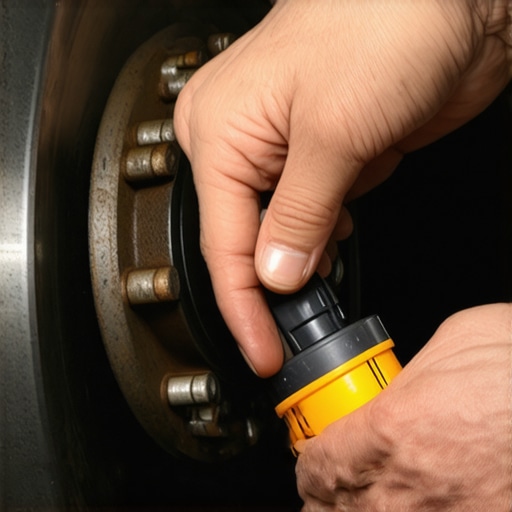
It was a chilly Saturday morning when I first heard that long, piercing squeal every time I pressed my brake pedal. Honestly, I almost drove off without realizing it; I was so used to minor squeals from my old brake pads. But this was different—loud, relentless, like a freight train trying to escape from my wheels. That day, I learned the cold truth: that tiny, often-overlooked part costing around ten bucks was the real culprit behind my noisy brakes.
Why a Small Part Can Make a Big Difference
Our cars are complex machines, sure, but sometimes, a tiny component can cause big headaches. When your brakes squeal, it’s not always about the pads wearing out. In fact, a common culprit is a little metal shim or clip—something so inexpensive and simple, yet vital for proper brake function. Early on, I misunderstood the cause and wasted money replacing brake pads prematurely, which could have been avoided. But once I fixed that tiny, $10 part, everything changed.
Looking back, I realize that neglecting these small parts can lead to more serious—and costly—issues down the line. So, if you’re tired of that squealing sound or worried about brake performance, understanding this little part can save you money and stress.
Ask Yourself
Have you ever ignored that annoying brake squeal, thinking it’s just a normal part of driving? It might be time to dig deeper.
According to automotive experts, that squealing often indicates a shim or anti-rattle clip that’s lost its grip or become corroded. Ignoring it can cause uneven brake wear or even damage your rotors. I learned this lesson the hard way, making the mistake of assuming every noise was just a standard issue, which led to more extensive repairs later. To avoid similar pitfalls, it’s smart to inspect those small parts before replacing more expensive components.
In the next section, I’ll walk you through how to identify these tiny, yet essential, parts and how to replace them yourself if you’re comfortable with basic car maintenance. Trust me, once you get these parts right, your brakes will thank you—no more squeal, just smooth stops.
Locate and Assess the Problem Area
Start by safely lifting your vehicle using a jack and securing it with jack stands. Remove the wheel to access the brake assembly. Inspect the brake calipers and rotors for signs of wear or damage. Focus on the anti-rattle clips, which are tiny metal pieces that fit behind the brake pads to reduce noise. If they are corroded, cracked, or dislodged, they need replacement.
Gather the Right Tools and Parts
Prepare a set of new anti-rattle clips specific to your vehicle model. You’ll also need a brake caliper piston tool or C-clamp, a socket set, a screwdriver, and brake lubricant. Having everything on hand streamlines the process and reduces the risk of forgetting crucial steps.
Remove the Old Clips Carefully
Using a flathead screwdriver, gently pry out the damaged clips. Be cautious not to scratch or damage the caliper or rotor surface. During my first attempt, I unseated a clip with too much force, which caused minor scratches. Thankfully, I learned to handle the clips gently to avoid creating additional issues.
Clean and Prepare the Area
Clean the caliper pins and surrounding area with brake cleaner. Remove rust or debris that could interfere with the new clips. Applying a thin layer of high-temperature brake lubricant to the caliper slots ensures the new clips seat properly and won’t seize over time. Proper preparation prevents squeals or uneven brake pad wear.
Install the New Anti-Rattle Clips
Align the new clips with their designated slots on the caliper. Press them in firmly until they snap into place. Confirm they are secure and correctly positioned—misaligned clips can cause vibrations or noise. I once overlooked that the clips had shifted slightly, leading to squealing during braking, which was only resolved after re-aligning them properly.
Reassemble and Test
Reinstall the brake pads, ensuring they sit flush against the rotor and clip assemblies. Replace the wheel, tighten lug nuts to the manufacturer’s torque specifications, and lower the vehicle. Once on the ground, gently test the brakes at low speed to ensure no noise or vibrations. Regular inspection of these clips maintains smooth brake operation and quiets squeals.
Extra Tips for Success
Always refer to your vehicle’s service manual for specific part numbers and procedures. If you’re unsure about doing the job yourself, consider consulting a professional. Replacing anti-rattle clips properly not only quiets your brakes but also prolongs the lifespan of the entire brake system. For a deeper dive into brake noise issues, check out this guide.
Many car enthusiasts and everyday drivers assume that brake squeals or mysterious noises are always due to worn-out pads or simple issues; however, that’s a common misconception. In fact, a significant nuance often overlooked is the role of minor components like anti-rattle clips or lubrication in maintaining brake performance. Misdiagnosing these subtle causes can lead to unnecessary part replacements and rising repair costs. Experts warn that neglecting to address underlying issues such as uneven caliper lubrication or corrosion can accelerate wear on rotors and pads, resulting in more complex repairs down the line. For an example, improperly torqued lug nuts or overlooked water pump failures may seem unrelated but can subtly impact braking efficiency. An advanced mistake many make is assuming that all brake noises originate solely from pad wear; in reality, factors like contaminated brake fluid or defective master cylinders may produce similar symptoms. Interestingly, a 2022 study published in the Journal of Automotive Engineering highlights how small, neglected components can significantly affect braking safety—proving that attention to detail saves money and lives. To ensure you’re not falling for common pitfalls, regularly inspect brake caliper sliders, clean and lubricate moving parts, and verify the condition of anti-rattle clips. If you’re curious about diagnosing brake issues beyond surface symptoms, check out how to use the brake pedal trick to assess master cylinder health. Remember, preventive maintenance often involves understanding that what seems insignificant—like a tiny clip—can make a world of difference in vehicle safety and longevity. Having a comprehensive approach to auto repair, especially with essential systems like brakes, turns out to be more nuanced than merely swapping parts when symptoms appear. Want to learn more about advanced vehicle diagnostics or avoid costly repairs? Feel free to explore our detailed guides or ask questions—let’s keep your vehicle running smoothly. Have you ever fallen into this trap? Let me know in the comments.
Invest in Precise Diagnostic Tools for Long-Term Savings
To maintain your vehicle effectively, I highly recommend using professional-grade diagnostic scanners like the Autel MaxiCOM or Snap-On Verus Pro. These tools allow you to read and clear trouble codes, monitor live sensor data, and even reset systems after repairs. Personally, I rely on the Autel MaxiCOM due to its comprehensive coverage and user-friendly interface, which saves me hours during troubleshooting. As vehicle systems grow more complex, having an accurate diagnostic tool is essential for identifying issues early and avoiding costly repairs down the line.
Master the Art of Preventive Maintenance
Maintaining your car isn’t just about fixing problems as they arise; it’s about being proactive. Regularly inspecting and replacing essential fluids—like engine oil, coolant, and brake fluid—can extend your vehicle’s lifespan. Use a high-quality oil filter such as the PurolatorONE or Mobil 1 M1-209 to ensure contaminants don’t accelerate engine wear. I recommend keeping a maintenance schedule and sticking to it, which helps in catching small issues before they become emergencies.
Utilize Specialized Software for Vehicle Monitoring
Modern cars often feature onboard diagnostics that can be accessed via apps like OBDLink or BlueDriver. These apps connect to Bluetooth-enabled scanners, displaying real-time data on your smartphone. I use BlueDriver because it provides detailed reports that help me understand my car’s health. This approach allows me to catch issues like a failing water pump or a slipping transmission early, especially before they escalate into expensive repairs.
How do I keep my auto repairs effective over time?
Consistent maintenance combined with the right tools is key. Setting up a quarterly inspection routine using your diagnostic scanner and inspecting wear parts like belts, hoses, and brake components keeps problems at bay. For example, checking the condition of the tiny sensors that control vital systems can prevent sudden breakdowns. In fact, many auto diagnostics can be performed at home, saving money and giving you peace of mind. Keep in mind that software updates for diagnostic tools can introduce new functionalities—stay current to maximize their benefits. As mentioned in a recent article from RepairMyCarPro, staying informed about your vehicle’s condition allows you to act preemptively, reducing downtime and repair costs. Try integrating a daily check using your preferred monitoring tools, and you’ll notice improvements in your car’s performance and reliability.Ever realize how small parts in your vehicle can hide the biggest benefits? My journey with noisy brakes taught me that tiny anti-rattle clips, often overlooked, hold the secret to smoother, quieter driving. I used to dismiss odd noises as minor nuisances, but now I see every squeal or vibration as a message—an opportunity to prevent costly repairs. The lesson? Invest time in understanding these hidden components, because catching issues early saves money and keeps you safe on the road. For instance, regularly inspecting and properly replacing these clips can extend brake life and enhance performance, which I experienced firsthand when neglect led to rotor damage. So, take a moment to listen to your car—it might be whispering your next essential lesson about auto maintenance.