
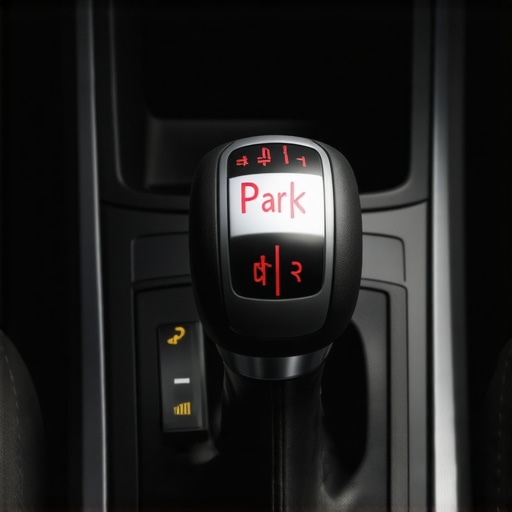
Ever had that frustrating moment when you’re ready to head out for the day, and your car just refuses to budge from the parking gear? It’s like your vehicle suddenly decides, “Nope, not today.” I remember the first time it happened to me — I was in a rush, and that stubborn gear stuck like glue. It’s a common worry among drivers, and honestly, it can be pretty nerve-wracking, especially if you’re unfamiliar with auto repairs.
But here’s the thing: this problem isn’t as mysterious as it seems. Typically, it’s caused by a simple issue that you can troubleshoot without a mechanic’s help, saving you time and money. Today, I’ll walk you through the most common reasons why your car won’t shift out of park and, more importantly, how you can fix it yourself. Whether it’s a malfunctioning brake switch or a problem with the shift linkage, I’ll cover it all.
Pinpointing the Real Cause of Your Stuck Gear
Have you ever spent ages trying to wiggle the shifter and still got nowhere? Frustrating, right? It turns out, a significant reason behind this is often related to the brake light switch, which is a tiny component but plays a pivotal role in the shifting process. When the switch fails or isn’t properly engaged, your car’s transmission control unit might interpret that you’re not pressing the brake pedal, preventing the gear from moving.
In my early days of auto repair, I made the mistake of ignoring this small switch and wasting hours troubleshooting unrelated components. That’s a typical mistake many beginners make, but learning to check the brake switch early can save you a lot of hassle. If your brake lights aren’t turning on when you press the pedal, that’s a big hint the switch might be at fault.
For a quick and easy fix, you can test the brake lights. If they don’t light up, replacing or adjusting the brake switch could do the trick. If you want a detailed guide on how to troubleshoot and replace this component, you can check out this helpful resource: [Why Your Brake Pads Smell Like They’re Burning](https://repairmycarpro.com/why-your-new-brake-pads-smell-like-theyre-burning).
Check the Brake Light Switch First
Start by inspecting the brake light switch, a tiny yet crucial component. When you press the brake pedal, this switch activates and signals the transmission it’s safe to shift. If your brake lights aren’t turning on, the switch might be faulty. To test this, press the brake pedal and observe if the lights illuminate. If not, replace or adjust the switch. I once had a stubborn car that refused to shift, and after replacing this switch, it moved smoothly again. Remember, faulty brake lights can also cause the switch to malfunction, so ensure your brake bulbs work correctly.
Test Your Brake Lights for Proper Function
Before diving into parts replacement, verify your brake lights actually turn on when you press the pedal. If they don’t, it confirms the switch issue or a blown fuse. Replacing a fuse is straightforward; locate the fuse box, identify the brake light fuse, and swap it out with a new one. This simple step saved me hours when my car wouldn’t shift—turns out, a blown fuse was the culprit. Accurate testing here helps you target the right fix without unnecessary confusion.
Inspect the Shift Interlock Mechanism
Most modern cars have a shift interlock system that prevents shifting out of park unless certain conditions are met—like pressing the brake pedal. If the system is malfunctioning, your car might be stuck. To check, locate the shift lock release slot—often a small plastic cover near the shifter. Insert a flat-head screwdriver or key and gently press down to release the gear. This is a temporary fix but can confirm if the interlock is jammed. I once freed a stuck shifter this way when the electronic system failed unexpectedly.
Evaluate the Transmission Range Sensor
The transmission range sensor, also known as the neutral safety switch, tells the car’s computer what gear you’re in. A faulty sensor may prevent shifting out of park. To test, turn on the ignition without starting the engine, then move the shifter through all positions and watch for dashboard indicators. If the sensor is bad, it might need replacement, which involves disconnecting it electrically and swapping it out. This process is more advanced, but with proper tools, you can do it yourself. A malfunction here can also cause your car to think it’s not in the correct gear, trapping you in park.
Verify Proper Brake Pedal Engagement
Ensure you’re pressing the brake pedal fully—sometimes, a worn or dirty pedal switch or misaligned pedal can cause the system to not recognize your effort. Adjust the pedal or clean the switch area if needed. I learned this the hard way when my shifter wouldn’t budge because my pedal wasn’t fully engaged due to a misaligned linkage. Regular maintenance of the pedal and switch helps avoid this common issue.
Inspect for Mechanical Linkage Issues
If your vehicle has a mechanical linkage between the shifter and transmission, check for any disconnected or broken parts. Wiggling the shifter gently while inspecting underneath can reveal loose cables or damaged bushings. Replacing these parts involves removing panels and sometimes the center console but is doable with basic tools. Often, corrosion or wear causes linkage stiffness or disconnection, which prevents shifting. I once fixed a rusty linkage that was sticking, restoring normal operation.
Observe Warning Lights and Error Codes
Modern cars display warning lights or store error codes that can guide troubleshooting. Use an OBD-II scanner to check for transmission or shift-related codes. Clearing the codes and testing the system afterward can confirm if the repair was successful. I’ve used a scanner to diagnose a faulty transmission position sensor, which then allowed me to replace it promptly and restore shifting capability. Always interpret codes carefully, or consult guides to understand their implications.
Summary of Troubleshooting Flow
Begin with simple checks like brake lights and fuses, proceed to mechanical parts, and then move toward electronic sensors and internal components. Each step narrows down potential causes, saving you time and effort. Remember, safety first: disconnect the battery before replacing any electrical components and wear protective gear as needed. With patience and careful inspection, most drivers can resolve this issue without professional help—turning a frustrating experience into a confidence booster.
When it comes to auto repair and vehicle diagnostics, many drivers operate under oversimplified beliefs that can lead to costly mistakes. For instance, everyone assumes that visiting a dealership guarantees the best service, but seasoned car enthusiasts know that independent shops often provide more personalized and cost-effective solutions. Recognizing these nuances allows you to make smarter decisions about your vehicle’s care.
A prevalent myth is that all oils are created equal. In reality, using a synthetic oil like synthetic oil can significantly extend your engine’s lifespan, especially in high-performance or turbocharged engines. Choosing the right oil isn’t just about brand; it’s about understanding the specific formulation that best suits your vehicle’s needs.
One trap many fall into during brake service is neglecting the importance of proper pad bedding. Failing to do so can cause uneven wear and reduce braking effectiveness. Moreover, overlooking brake dust buildup can contribute to premature rotor wear. It’s a subtle nuance that, if ignored, can escalate into more severe issues. Proper procedures, like those outlined in technical service bulletins, can ensure optimal brake performance.
Advanced vehicle diagnostics often involve interpreting complex error codes. Drivers might dismiss a warning light as insignificant, but lingering issues—such as a malfunctioning transmission sensor—can cause drivability problems. Modern tools can read OBD-II codes that reveal hidden problems. Being familiar with these codes can turn a simple check engine light into an opportunity for early intervention.
A particularly overlooked aspect of vehicle maintenance is the effect of small but critical components like the fuse that disables your dashboard. A blown fuse may seem trivial, yet it can prevent vital warning lights from illuminating, leaving you unaware of underlying issues. Regular electrical inspections can catch these subtle faults before they become major repairs.
By understanding the intricacies behind basic services like oil changes—especially the significance of monitoring oil levels—you can prevent engine damage caused by overlooked leakages or incorrect oil types. Remember, regular maintenance isn’t just routine; it’s a carefully calibrated effort to preserve your vehicle’s health.
Have you ever fallen into this trap of underestimating minor components or misconceptions? Share your experiences in the comments below, and let’s drive this conversation forward.Maintaining your vehicle’s performance over time doesn’t have to be a mystery reserved for professional mechanics. With the right tools and a strategic approach, you can keep your car running smoothly, extend its lifespan, and save money on costly repairs. One indispensable piece of equipment I personally rely on is a quality OBD-II scanner. Unlike generic code readers, my go-to scanner provides real-time data, live sensor readings, and detailed error code explanations that help me diagnose issues quickly. Using reputable software like Torque Pro or Car Scanner allows me to interpret data accurately and decide whether a simple fix will suffice or if professional intervention is necessary. Additionally, regularly inspecting and replacing worn components, such as brake pads and sensor connectors, prevents small problems from escalating.
Alongside physical tools, staying updated with vehicle-specific repair manuals is vital. Resources like Mitchell3 or Haynes manuals offer detailed diagrams and maintenance procedures that align with your car’s make and model. I recommend integrating a digital maintenance log, which I track via apps like Fuelly or AutoMate, to schedule timely inspections — especially for tasks like oil changes and fluid checks. For example, monitoring your oil quality and levels (learning how to check for engine oil contamination or water ingress) can prevent catastrophic engine damage.
Prediction in auto maintenance points toward greater integration of diagnostic tools with smartphone apps and AI-based analytics. Soon, we may have systems that alert us to issues before symptoms develop, based on pattern recognition of sensor data. Embracing these advancements today ensures you stay ahead of costly repairs.
How do I keep my vehicle performing well over the years?
One proven method is routine brake maintenance, including proper pad bedding and rotor inspection. Not only does this improve safety, but it also extends the lifespan of your brake components. Regularly cleaning electrical contacts and inspecting wiring harnesses can prevent frustrating issues like dim headlights when using power accessories, which you can read more about here. I highly recommend investing in a multimeter designed for automotive use, which makes testing battery voltage, continuity, and sensor connections straightforward.
Adopting these tools and practices promotes a proactive approach — catching problems early before they turn into costly repairs. The more you familiarize yourself with your vehicle’s electrical and mechanical systems, the more confident you’ll become in handling maintenance tasks. Start with testing your battery voltage and inspecting your brake components regularly; these simple steps can reveal issues before they turn serious. Remember, superior maintenance is about consistency and knowledge.
Ready to elevate your auto repair game? I suggest trying out a diagnostic scan using your OBD-II tool combined with a detailed maintenance log entry. This proactive step will help you spot potential issues early and ensure your vehicle remains reliable for years to come.
What I Wish I Knew Before Running My First Auto Troubleshoot
One major realization was that the smallest components—like a seemingly insignificant switch—can cause the biggest headaches. I learned that taking a step back and testing simple things like brake lights can save hours of frustration. It’s easy to overlook these details, but they often hold the key to resolving complex-sounding problems quickly.
Another lesson was the importance of trusting reliable resources and tools. Having an OBD-II scanner that provides detailed data changed how I diagnosed issues, making me more confident. It’s not about replacing mechanics but empowering yourself with knowledge to handle minor fixes yourself. Over time, I saw that understanding vehicle systems deeply helps prevent repeated headaches and saves money.
And perhaps most unexpectedly—I realized that patience and a systematic approach outperform rushing to conclusions. When I slowed down and followed logical steps, I uncovered issues I hadn’t anticipated, like faulty sensors or linkage problems, that directly impacted my car’s ability to shift out of park. This gradual, methodical mindset transformed my relationship with auto repair from daunting to doable.
My Trusted Arsenal for Auto Diagnostics and Maintenance
First, a quality OBD-II scanner is indispensable. I personally rely on models that connect with my smartphone, like Torque Pro, giving me instant insights and error code interpretation—saving me trips and guesswork. Secondly, keeping a digital maintenance log via apps like AutoMate helps prioritize tasks like oil changes and fluid checks, making sure I don’t overlook seemingly minor but critical ongoing maintenance.
Third, subscribing to reputable repair manuals, such as Mitchell3 or Haynes, provides detailed diagrams and troubleshooting procedures tailored to my vehicle. These resources complement my scans and inspections, turning guesswork into targeted action. Lastly, investing in simple tools like a multimeter and basic hand tools makes testing sensors, fuses, and electrical connections straightforward and effective. Trust me—equipping yourself properly elevates your auto repair game at home.
Step Into the Driver’s Seat—Take Charge Today!
Remember, every car problem you solve yourself adds to your confidence and knowledge. The more you learn about your vehicle’s inner workings, the less intimidating auto repairs become. Don’t wait for a breakdown—start small, stay curious, and slowly build your toolkit and understanding. Before long, diagnosing that stubborn gear jam or fix your oil leak will feel less like a nightmare and more like a rewarding puzzle.
What’s the first small step you’ll take to become your own auto mechanic? Share your plans or questions below—I’d love to hear your journey into smarter car care!