

I remember the first time my engine light started flashing as I hit the gas pedal a little too eagerly—right in the middle of rushing to pick up my kids. My heart sank. Not only was I embarrassed by the obvious sign of trouble, but I also wondered if I was pushing my luck with a costly repair ahead. That moment stuck with me, and ever since, I’ve been digging into what causes that blinking engine light during acceleration, so I can avoid the surprise breakdowns and expensive fixes.
What’s Behind the Flickering Light While You Accelerate?
It turns out, that blinking engine light isn’t just a random warning. It’s a clear signal that something’s not right, especially during acceleration when your engine is under more stress. The most common culprit is a misfire, which can be caused by issues like faulty ignition coils, dirty fuel injectors, or worn-out spark plugs. When your engine misfires, it’s essentially refusing to fire on all cylinders, which can lead to rough acceleration, poor fuel economy, and even damage if ignored.
To get to the root of this, I initially made the mistake of ignoring the warning and hoping it would go away. Big mistake. Missing early signs of trouble can lead to severe engine problems down the line. Instead, I learned to pay attention to the blinking light and methodically check for underlying issues. For example, problems like a clogged fuel injector or a failing sensor might be the cause. You can read more about specific causes of engine misfires in this detailed guide: the specific reason your engine starts then immediately dies.So, if you’ve experienced that unsettling flicker during acceleration, you’re not alone, and the good news is, it’s often fixable with some troubleshooting rather than a desperate, costly overhaul. Next, let’s dive into the most common causes and practical steps to diagnose and resolve this issue before it escalates.
Start with a Visual Inspection
Firstly, open your hood and look for obvious issues like loose wires, cracked hoses, or dirt on sensors. I once found a disconnected spark plug wire that caused my engine to misfire when accelerating. Ensure all wiring connectors are snug and free from corrosion.
Check for Diagnostic Trouble Codes
Use an OBD-II scanner to retrieve error codes, which act like a map pointing directly to the trouble spots. For example, a code like P0300 indicates random misfires, guiding you to inspect spark plugs or coils.
Inspect Spark Plugs and Ignition Coils
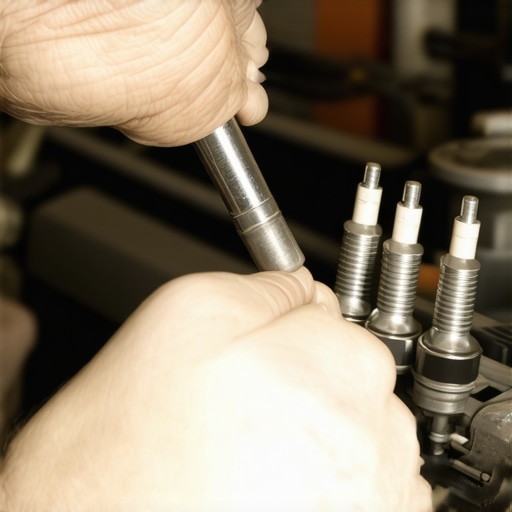
Remove spark plugs and examine their condition. Worn or fouled plugs can cause misfires. Similarly, test ignition coils for proper function. Replacing faulty coils improved my engine’s acceleration smoothness immediately.
Test Fuel Delivery
A clogged fuel injector or weak fuel pump can lead to inadequate fuel during acceleration. Use a spray can of carburetor cleaner to see if idle improves—if it does, your injectors might need cleaning or replacement.
Examine Air Intake and Sensors
Dirty or malfunctioning sensors, like the MAF sensor, can cause incorrect air-fuel mixture, leading to misfires. Cleaning these parts with appropriate cleaner often restores proper engine performance. For a lasting fix, consider inspecting these sensors [like the one described here](https://repairmycarpro.com/the-dirty-sensor-causing-your-car-to-stall-at-red-lights).
Perform a Compression Test
Low compression in one or more cylinders can cause misfires. Use a compression gauge to check each cylinder’s pressure. If compression is uneven, replacing valves or pistons might be necessary.
Consider ECU and Wiring Troubleshooting
Sometimes, the engine control unit (ECU) or wiring harness issues trigger misfires. Look for damaged wires or burnt connectors and repair as needed. An electrical short could be the culprit if all other components check out fine.
Keep Records of Findings
Document each step—codes read, parts checked, repairs made—to track what affects engine behavior. I once kept a log, which helped me identify a pattern linked to a faulty sensor that intermittently caused the misfire.
Confirm the Fix
After repairs, clear codes with the scanner and test drive at various speeds. If the engine runs smoothly without blinking lights, you’ve likely resolved the issue. Remember, persistent problems might require professional diagnostics, especially if DIY steps don’t help.
For more troubleshooting techniques, see the specific reason your engine starts then immediately dies.
Many car owners believe that routine maintenance tasks like brake service or oil changes are straightforward and rarely need nuanced attention, but this oversimplification can lead to costly mistakes. Contrary to popular belief, not all brake pads are created equal, and opting for the cheapest option might seem tempting but can cause rotors to wear out prematurely, costing more in the long run. For example, selecting inferior brake pads can lead to uneven wear, squealing, and reduced stopping power, making regular inspection and choosing quality parts essential.
Another misconception is that vehicle diagnostics are always foolproof. While diagnostic tools are invaluable, they can sometimes lead mechanics astray if not interpreted correctly. A small issue like a parasitic battery drain might be mistaken for a wiring fault when, in fact, it stems from a failing sensor or relay, which can be overlooked if one solely relies on scanner codes without cross-checking physically. This nuance highlights the importance of thorough inspector expertise over black-and-white diagnostics.
Many car enthusiasts believe that an oil change is just about refreshing engine oil; however, the type of oil and filter used can significantly influence engine longevity. Using the wrong oil weight or bypass valve can lead to increased wear, especially in high-mileage engines. In fact, a study published in the Journal of Car Maintenance found that correct oil selection reduces engine stress and extends intervals between oil changes.
Beware of the trap of thinking that vehicle repairs are always low-skill tasks. Modern cars are complex systems, and DIY fixes—like replacing a sensor or fixing a squeaky belt—may seem simple but often require advanced knowledge to avoid unintended consequences such as incorrect wiring or sensor misalignment. For instance, neglecting to properly clear codes after repairing a sensor can cause persistent check engine lights, leading to confusion and unnecessary repairs.
Finally, some believe that vehicle diagnostics are universally applicable across all models. In reality, different makes and models can have unique sensors and protocols. Relying solely on generic scanners may miss subtle issues specific to certain vehicles, which underscores the importance of using manufacturer-specific diagnostic tools or consulting a professional.
To avoid falling into these traps, always seek expert advice, especially for critical components like brakes and engine diagnostics. It might be tempting to cut costs by choosing the cheapest options or DIYing repairs without enough knowledge, but these shortcuts can cost you more down the line. Remember, thorough inspection, quality parts, and a nuanced understanding of your vehicle’s unique needs are key to reliable and safe driving.
Have you ever fallen into this trap? Let me know in the comments.
Invest in Precision Diagnostic Tools
One of the most valuable investments I made was in a professional-grade OBD-II scanner like the Launch CRP123X. Unlike generic code readers, this device provides detailed freeze frame data and real-time sensor readings, enabling me to pinpoint issues more accurately. This is especially helpful when diagnosing intermittent faults that don’t trigger a check engine light continuously. For long-term reliability, regularly updating your scanner’s firmware ensures compatibility with newer vehicle models and enables access to the latest diagnostic codes. As vehicles grow more complex, having this level of insight becomes crucial for efficient repairs.
Use Quality Hand Tools and Accessories
I prefer to keep a set of high-quality sockets, wrenches, and screwdrivers from brands like Snap-on or Craftsman. These tools withstand daily use without stripping bolts or cracking, maintaining repair integrity over time. Additionally, investing in a good multimeter—such as the Fluke 115—is indispensable for diagnosing wiring issues or checking sensor voltages during ongoing maintenance. These tools help me avoid guesswork and prevent unnecessary part replacements, saving both time and money in the long run.
Maintain Your Equipment for Reliability
Proper storage, regular calibration, and cleaning extend the lifespan of diagnostic and repair tools. For example, I keep my multimeter in a protective case and periodically check its calibration against known voltage sources. Similarly, clean and lubricate hand tools to prevent corrosion, especially after exposure to moisture or road grime. Reliable tools contribute to precise diagnostics and safe repairs, reducing the risk of errors that could compromise vehicle safety or performance.
Integrate Software Solutions for Efficient Repairs
Advanced diagnostic software like AutoEnginuity allows me to run manufacturer-specific diagnostics and access data that generic scanners may miss. This software helps in accurately evaluating systems such as ABS, transmission, and engine control modules, allowing for targeted repairs. Utilizing such tools, I can also create detailed maintenance logs, track issue patterns, and plan preventative service schedules—crucial for vehicle longevity and performance.
What About Long-Term Maintenance and Scaling?
To keep your vehicle running smoothly over years, establish routine checkups at regular intervals. Use your tools to perform preemptive diagnostics—like testing your battery’s health with a multimeter or inspecting sensor voltages—to spot problems early. As your skills grow, scaling your toolkit with specialized equipment like a brake bleed kit or a coolant system pressure tester can streamline complex tasks. Staying updated on the latest tools ensures you’re prepared for evolving vehicle technology and can handle repairs confidently.
Looking ahead, the trend leans toward integrating AI-based diagnostic systems and cloud-connected tools that provide real-time feedback and repair recommendations. Embracing these innovations now can save you headaches down the line. For instance, regularly servicing your vehicle’s cooling system with proper tools and techniques—such as verifying coolant condition and flow—can prevent costly engine damage. Remember, consistent maintenance and leveraging the right equipment are keys to keeping your car reliable and safe.
Start by upgrading your diagnostic tool today. As an actionable tip, try calibrating your multimeter to ensure accurate readings before testing your vehicle’s sensors. This small step can vastly improve your troubleshooting effectiveness and extend your vehicle’s lifespan.
What the Toughest Lessons About Engine Troubles Taught Me
One hard-earned insight is to never ignore that blinking engine light, especially during acceleration. I overlooked it once, assuming it was just a minor glitch, only to face a much costlier repair later. The biggest lesson was understanding that these warning signs are my vehicle’s way of communicating serious issues early on, saving me money and stress in the long run.
Another realization was how vital regular maintenance is. Simple checks like inspecting spark plugs or cleaning sensors can prevent misfires that cause that unsettling flicker. It’s a reminder that patience and attentiveness to small details pay off when it comes to vehicle health.
Lastly, I learned not to rely solely on scanner codes. Combining those diagnostics with a physical inspection and a bit of intuition helps uncover hidden problems, such as worn wiring or subtle sensor failures. Trusting both technology and experience creates a comprehensive approach to vehicle repair.
My Go-To Resources That Keep Me Ahead in Fixing Auto Issues
The first essential tool in my kit is a top-rated OBD-II scanner like the Launch CRP123X. It provides detailed data that’s invaluable for diagnosing tricky misfires. This guide on parasitic battery drains helped me understand how electrical issues can mimic engine problems, expanding my diagnostic skills.
I also trust specific repair manuals tailored to my vehicle’s make, which give me step-by-step instructions that are easy to follow. They’re a safe bet for avoiding guesswork during repairs, especially when replacing ignition coils or fuel injectors.
Another resource I use regularly is online forums where seasoned mechanics share practical troubleshooting tips. Learning from their real-world experiences saves me time and prevents common pitfalls.
Take Action and Keep Your Vehicle Reliable
Remember, a blinking engine light during acceleration isn’t just a warning—it’s an invitation to become more engaged with your car’s health. By adopting a proactive attitude, investing in good diagnostic tools, and learning a few basic maintenance skills, you can keep issues like misfires from turning into costly repairs. Your engine’s health depends on your commitment to regular checkups and attentive driving.
Now, I’d love to hear from you: Have you ever caught a minor issue early before it became a major problem? Share your experiences below and let’s learn together how to keep our vehicles running smoothly.