

If you’ve ever been stranded on the side of the road, frustrated because your engine is running rough but the check engine light stubbornly stays off, you’re not alone. I remember the moment vividly — I was halfway through a long drive, feeling that unsettling hesitation and jittery engine vibrations, but the scanner showed nothing. No codes, no warning lights. Just a silent, sneaky misfire that refused to trigger any alerts.
That experience opened my eyes to a common yet often overlooked problem in automotive diagnostics. Many drivers assume that without a warning light or error code, there’s little to worry about. But I learned the hard way that some misfires are stealthy — they don’t set off a code but can still cause serious damage over time.
Facing the Mystery: When No Codes Tell the Whole Story
Today, I want to guide you through the process of identifying those elusive misfires that don’t throw a code. We’ll explore practical steps, personal insights, and key tips to catch these problems early. After all, a misfire not diagnosed promptly can lead to premature catalytic converter failure, reduced fuel economy, and more costly repairs down the line. According to industry experts, untreated misfires can significantly increase engine wear — so don’t brush it off just because the check engine light isn’t flashing.
Have you ever experienced that feeling when your engine jitters, but the dashboard remains eerily quiet? If so, you’re in the right place. Let’s dive into how you can become a detective for your own vehicle and prevent small problems from becoming major headaches.
Is Ignoring No-Code Misfires Worth the Risk?
In my early days of auto repair, I overlooked a misfire that didn’t trigger a code. The mistake wasn’t realizing that some issues are too subtle for the scanner. It was only after the vehicle developed a foul smell and a noticeable loss in power that I understood how dangerous these silent misfires can be. This reinforced that relying solely on onboard diagnostics isn’t enough; you need a hands-on approach to vehicle health.
If you’re curious about other sneaky issues that can go unnoticed, check out how to find a ghost misfire that only happens on hills — a perfect example of a problem that standard diagnostics might miss.
Now, let’s move on to the practical steps you’ll need to confidently diagnose a misfire without solely depending on a check engine light.
Start with a Test Drive and Feel for the Subtle Vibrations
My first real encounter with a silent misfire was during a routine city drive. I noticed a slight hesitation and bump in engine response, but no warning lights appeared. To catch similar issues, take your car for a leisurely drive, paying close attention to any unusual vibrations, rough idling, or loss of power. If you’re experiencing these sensations, it’s time to dig deeper.
Use a Diagnostic Scan Tool Beyond the Check Engine Light
Since some misfires won’t trigger the onboard diagnostics to set a code, consider using an advanced scanner that can read live data streams. Connect it to your vehicle’s OBD-II port and monitor cylinder data, ignition coil activity, and misfire counters. This step is like listening to your car’s heartbeat—if certain cylinders are firing irregularly, it will reveal subtle inconsistencies.
Perform a Visual Inspection of Spark Plugs and Ignition Components
Pull out your spark plugs and examine their condition closely. Look for signs of wear, fouling, or thermal damage. If a spark plug appears more sooty, oily, or eroded than others, that’s a red flag. Swapping out suspect plugs or coils with known good ones can help pinpoint the issue—similar to changing out a bad fuse to see if your system stabilizes.
Test Fuel Injectors and Check Fuel System Health
Misfires can also stem from fuel delivery problems. Use a noid light to verify if injectors are receiving proper signals. In my experience, a faulty injector can cause one cylinder to misfire silently. Ensuring clean, clog-free injectors is crucial—think of it as clearing a clogged artery to keep blood flowing smoothly.
Leverage Advanced Tools and Techniques for Stealthy Failures
For those tricky misfires that only happen on hills or under specific conditions, a specialized approach is necessary. For example, tracking down a ghost misfire requires attaching a portable scanner during real-world driving, as I did on a steep incline. This method helps reveal intermittent problems concealed during stationary diagnostics—like chasing shadows in a dark room.
Test Compression and Vacuum for Underlying Mechanical Issues
If electrical tests don’t yield results, conducting a compression test can uncover worn piston rings or valves. A sudden drop in compression indicates internal problems not visible externally. This comprehensive check prevents misdiagnosis—a vital step to avoid unnecessary replacements.
Inspect for Vacuum Leaks and Tiny Cracks
Unseen vacuum leaks can cause unstable idle and misfires. Use a smoke machine or a simple soapy water spray around hoses and intake manifold joints. When you spot bubbles or smoke escaping, you’ve identified the culprit—similar to finding a small leak in a bicycle tire before it goes flat.
Get a Second Opinion and Follow Up
If all tests point to no issues but symptoms persist, review your findings or seek advice from experienced auto techs. Sometimes, a second set of eyes uncovers overlooked problems — like a hidden sensor or a minor wiring issue, which can be as elusive as a whisper in a noisy room. Remember, diagnosing silent misfires is often about patience and methodical troubleshooting, not guesswork.
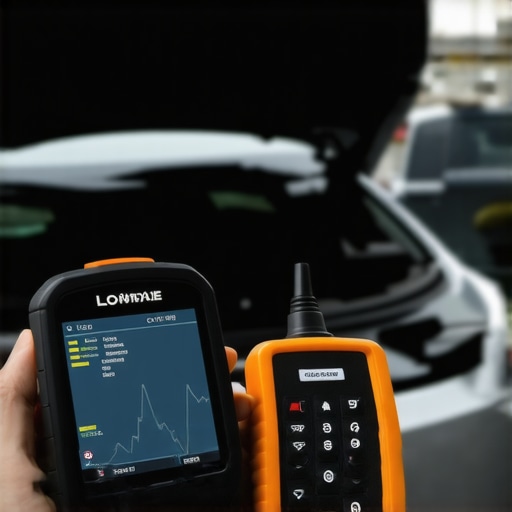
Illustration showing diagnostic tools connected to a vehicle’s engine, highlighting live data streams and sensor readings to detect misfire patterns.
Many car owners fall into the trap of oversimplifying complex maintenance tasks like oil changes or vehicle diagnostics, leading to costly mistakes. One pervasive myth is that frequent oil changes are solely about changing the oil itself, but in reality, using the correct oil type and filter is critical for engine longevity. Overlooking this nuance can cause premature wear despite regular oil replacements. Additionally, many assume that vehicle diagnostics always produce reliable error codes, but advanced issues, such as subtle sensor failures or mechanical inconsistencies, often require a trained eye and experience beyond a basic scanner. This means relying solely on diagnostic trouble codes can give a false sense of security, potentially ignoring silent faults that erode engine health over time.
In brake service, a common misconception is that new brake pads instantly solve squealing noises, but sometimes the issue stems from inadequate installation or contaminated rotors. Failing to recognize these subtleties can lead to repeated repairs and safety concerns. Similarly, amateurs often think that auto repair is straightforward—if it looks broken, fix it—without considering underlying causes or the importance of proper testing. For example, a worn-out transmission solenoid might cause shifting issues, but replacing it without diagnosing the entire system risks unnecessary expenses. This is why understanding the intricacies of each component and their interactions is vital.
Let’s address a question that advanced enthusiasts often ask: How can I detect a hidden versus a symptomatic failure in my vehicle’s systems? The key is understanding that some failures manifest gradually, like a slowly developing vacuum leak causing rough idling, while others trigger immediate alarms, such as a failed sensor causing a rapid loss of power. A study published by SAE International emphasizes that early detection through consistent monitoring and understanding the mechanical nuances can prevent catastrophic failures—saving you money and extending the life of your vehicle. Treatments like inspecting for tiny cracks in vacuum hoses or checking for subtle shifts in pedal feel can reveal problems before they escalate.
The biggest oops is neglecting small, seemingly inconsequential signs—like a faint burning smell from brake pads or a high-pitched whine from the power steering pump. These symptoms often point to underlying issues that, if left unaddressed, evolve into expensive repairs. For instance, ignoring the smell of burning brake pads might lead to warped rotors or a seized caliper. For those looking to avoid unnecessary repairs, I recommend regular detailed inspections—don’t just wait for the big warning lights or symptoms. Remember, many of the issues discussed here can be mitigated by understanding the particular nuances of your vehicle’s behavior—like the difference between normal and abnormal sounds or sensations.
Finally, always verify your findings with reliable sources or consult professional advice. For example, if your vehicle exhibits an unusual vibration at high speed, systemic components like wheels and tires should be thoroughly checked for balance and alignment. Combining a good knowledge base with professional insights can make all the difference. Curious about more advanced troubleshooting tips? Check out how to track down a ghost misfire that only occurs on hills, which underscores the importance of context-aware diagnostics. Have you ever fallen into this trap? Let me know in the comments.
Keeping Your Vehicle in Top Shape: Essential Tools for Long-Term Care
Owning a car is a long-term commitment, and investing in the right tools can save you both time and money. From routine oil changes to complex diagnostics, having reliable equipment ensures you can tackle issues before they become costly repairs. I personally rely on a few standout tools and software that have consistently proven their worth in my automotive projects.
High-Quality OBD-II Scanners for Precise Diagnostics
One of my top picks is the BlueDriver Bluetooth Professional OBDII Scan Tool. Unlike generic scanners, it offers real-time data, freeze-frame readings, and detailed Smog Checks. Its compatibility with a mobile app makes diagnostics accessible, even during roadside emergencies. I use it regularly to monitor misfire counters and sensor data, especially when diagnosing elusive issues like ghost misfires.
Leak Detection with Smoke Machines
For vacuum leaks or intake system problems, a CarScan Tech Smoke Generator has been invaluable. It produces non-toxic smoke that reveals tiny leaks in hoses or intake manifolds—something that standard spray tests might miss. Using this tool has prevented many unnecessary replacements and helped me spot issues early, extending the life of engine components.
Precision in Mechanical Checks: Compression and Leak Down Tests
A reliable TruCool Compression Tester with adapters for all cylinders allows me to perform quick, accurate compression tests. This is essential whenever I suspect internal engine wear, especially after noticing rough idling or low power. Regular compression checks, as seen in transmission health, prevent costly surprises down the road.
Advanced Software for Long-Term Monitoring
Beyond hardware, I recommend OBDeleven or similar software for long-term vehicle monitoring. These apps connect to your car’s ECU and log data over days or weeks, revealing trends like gradual sensor degradation or creeping mechanical issues. Keeping a record helps in planning maintenance and understanding your vehicle’s behavior.
Pay Attention to Consistency and Calibration
Investing in quality tools isn’t just about durability; calibration matters too. Regularly calibrate your scan tools and measurement devices to ensure accuracy. As vehicle technology evolves, staying updated with the latest equipment is vital; for example, EVs and hybrid systems demand specialized diagnostic equipment.
In the near future, diagnostic tools are predicted to become even more integrated with cloud-based data and AI-driven analysis, making diagnostics faster and more accurate. Embracing these advancements now ensures you’re prepared for what’s next.
How do I keep my tools in peak condition?
Routine calibration and proper storage are key. Clean your diagnostic connectors and store sensors in protective cases. Regularly updating software ensures compatibility with newer vehicle models. Don’t forget to revisit your tools periodically—worn probes or sensors can give false readings, leading you astray.
For a practical start, try using your existing scanner to log data during a test drive; this hands-on experience can reveal subtle issues like minor misfires on hills. Remember, proactive maintenance with the right tools can save you from major repairs later. Interested in a step-by-step guide? Check out my detailed post on preventing diagnostic fees or experiment with a smoke test to quickly identify vacuum leaks—an often overlooked yet critical aspect of vehicle longevity.
Unveiling the Costly Mistakes Hidden in Plain Sight
Throughout my years in auto repair, one of the most impactful lessons I’ve learned is that not all problems announce themselves loudly. Silent misfires, subtle vibrations, or unexplained wear often go unnoticed until they escalate into major repairs. Relying solely on diagnostic codes or dashboard lights can be a dangerous trap—sometimes, the real trouble hides beneath the surface, revealing itself only through keen observation and meticulous testing.
One lightbulb moment for me was realizing how tiny vacuum leaks or worn spark plugs can silently degrade engine performance without setting any warning. Paying attention to subtle cues—like a faint engine smell or inconsistent idle—has saved me, and many clients, from costly surprises. Embracing hands-on diagnostics, from visual inspections to advanced tools, opens the door to a deeper understanding of vehicle health, making proactive maintenance a reality rather than just wishful thinking.
My Go-To Resources for Troubleshooting Success
Over the years, I’ve cultivated a toolkit of trusted resources that have become my go-to for tackling tricky auto issues. Firstly, the guides on preventing diagnostic fees remind me how small checks, like ensuring a loose gas cap, often resolve issues without spending a dime. My favorite diagnostic tool is the BlueDriver Bluetooth Professional OBDII Scan Tool—it’s reliable, user-friendly, and provides detailed live data that helps me catch those sneaky silent misfires.
For mechanical assessments, a quality compression tester and smoke machine have been game-changers, allowing me to detect issues like internal leaks or head gasket problems early. Lastly, software like OBDeleven keeps me ahead of evolving vehicle systems, especially as more cars incorporate complex ECU controls. These resources combined offer a comprehensive approach—empowering me to pinpoint issues precisely and nip problems in the bud.
Make the Most of Your Maintenance Journey
If you’re ready to take control of your vehicle’s health, remember that diagnostics extend far beyond the check engine light. Embrace curiosity, invest in quality tools, and stay observant of your car’s signals—small signs often forecast bigger troubles. Don’t wait for a breakdown to start diagnosing; be proactive, and turn every drive into an opportunity for insight.
What’s the most subtle sign you’ve noticed that prompted you to look deeper into your vehicle’s condition? Share your experience below—I’d love to hear how you’ve uncovered hidden issues before they became costly repairs!