
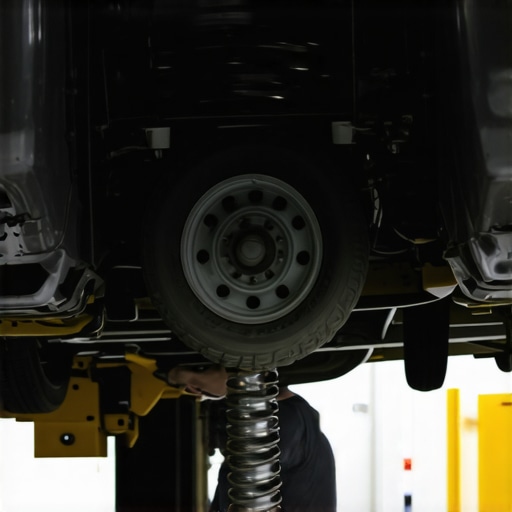
Ever been on a quiet street, turning gently, when suddenly—bam!—a sharp clicking sound rings out from your vehicle. You freeze, wondering if you’ve just broken something, or if your favorite weekend drive has become a ticking time bomb. I remember one such afternoon vividly; I thought I had a minor issue with my CV axle, but it turned out to be something entirely different, leading me down a rabbit hole of auto mysteries. That moment made me realize how often we jump to conclusions about strange car noises, especially when they occur during something as routine as a turn.
The Puzzle Behind the Clicking Sound During Turns
Many drivers experience that odd clicking or clunking noise when steering—it’s more common than you might think. And here’s the kicker: most people immediately suspect a CV axle, because that’s the usual culprit. But in my case, and countless others I’ve spoken to, it’s not always so straightforward. The noise can stem from various sources—control arm bushings, wheel bearings, or even suspension issues—each requiring a different fix. Understanding the real cause can save you time, money, and a whole lot of frustration. Today, I promise to guide you through diagnosing that mysterious turn noise so you can stop guessing and start fixing.
Can You Trust Automated Diagnoses or Is It Time to Get Hands-On?
I’ll admit, early in my repair journey, I relied solely on online diagnostics, trusting that a quick search would pinpoint my problem. That was a mistake. Rushing into repairs without a proper inspection often leads to unnecessary expenses or worse, neglecting the root issue. For instance, I once replaced a wheel bearing only to find out later that a worn control arm bushing was the real culprit. So, what’s the best way to approach this common complaint? Let’s explore how to accurately identify the source of the clicking sound during turns.
If you’ve experienced that unsettling noise, or suspect something’s not quite right, you’re not alone. And with a bit of knowledge, you can turn a confusing noise into a manageable repair. Curious about specific tests or signs to watch for? Keep reading—your vehicle’s health depends on it. To learn more about common suspension issues, check out how to silence the clunking sound in your front end over speed bumps. Now, let’s dig into the details and get your car running smoothly again.
Start with a Visual Inspection
Before diving into complex tests, park your vehicle on a level surface and engage the parking brake. Inspect the outer and inner surfaces of the tires for any signs of damage, such as bulges, cuts, or uneven tread wear. Check for any loose or missing lug nuts. Use a flashlight to examine the suspension components, looking for bent or broken parts. I once found a loose sway bar link by simply jiggling the wheel with my hands—this quick check saved me a trip to the mechanic.
Test the Wheel Bearings
Raise the car using a jack and support it securely on jack stands. Grab the tire at the 12 and 6 o’clock positions and attempt to rock it back and forth. Repeat at the 3 and 9 o’clock positions. A play or grinding sensation indicates a worn-out wheel bearing. To confirm, spin the wheel manually—listen for roughness or noise. When I experienced this, replacing the faulty bearing dramatically reduced the clicking noise and improved steering feel.
Check the CV Axle
Turn the steering wheel fully to one side, then carefully inspect the CV joint boots for tears or grease leakage. If you suspect a torn boot, it’s best to replace the CV axle or have a professional evaluate it. I found a torn boot on my car, which was causing dirt contamination and wear—prompt action prevented further damage. Remember, a clicking noise during turns is often associated with CV joints, but don’t jump to conclusions without proper inspection.
Examine Suspension Links and Bushings
Worn or damaged control arm bushings or sway bar links can cause clunking or clicking sounds. With the vehicle safely elevated, shake the suspension components manually. Use a pry bar to check for excessive movement or play. In my case, a worn control arm bushing was causing the noise. Replacing it tightened the suspension and eliminated the clicking.
Road Test and Narrow Down
To pinpoint the source, conduct a test drive on a safe, quiet street. Gently turn the wheel at low speeds and listen carefully. Note if the noise occurs only during certain turns or speeds. If uncertain, enlist a friend to assist in steering while you observe under the hood or wheel area. I once had a misdiagnosed issue with my wheel bearing, but a test drive clearly revealed the noise was linked to a failing CV joint, guiding me to the right repair.
Consultation and Professional Help
If your inspection points to unresolved issues or you’re unsure, consult a mechanic. Sometimes, especially with suspension problems, a professional diagnosis with specialized tools is necessary. Remember, neglecting these steps or blindly replacing parts can lead to unnecessary expenses. For complex cases, getting a proper diagnostic check often reveals hidden issues, like internal wear in steering rack components or adaptive suspension faults.
Applying these steps methodically will help you identify the true cause behind that perplexing clicking sound during turns, saving you time and money. Always prioritize safety and precise inspection over guesswork, and you’ll keep your vehicle running smoothly and quietly.
Many car owners operate under misconceptions about routine maintenance and repairs, often leading to costly mistakes. One widespread myth is that all brake service involves simply replacing pads. While this might seem straightforward, the real nuance lies in understanding rotor condition and brake fluid quality, both of which significantly impact braking performance. For example, resurfacing rotors before replacing pads can save money and improve safety, but only if the rotors are within wear limits. Relying solely on pad replacement without inspecting other components can cause uneven wear or brake pulsing later on. This oversight is a common trap that many fall into, emphasizing the importance of comprehensive brake diagnostics instead of shortcut fixes.
Similarly, there’s a misconception that oil changes are just about replacing the oil. In reality, a proper oil change includes inspecting for leaks, checking oil filter integrity, and evaluating oil viscosity and contamination levels. Neglecting these nuances can accelerate engine wear. For instance, a dark, sludge-laden oil indicates neglected maintenance and can clog oil passages, risking severe engine damage. Advanced auto repairs often involve diagnosing the root cause behind oil contamination or leaks, which is something many DIYers overlook.
Why Do Some Diagnostics Fail to Spot the Real Issue?
When diagnosing complex vehicle issues, some enthusiasts rely solely on scan tools or generic codes, but this approach can be misleading. Studies show that a significant percentage of engine problems have hidden causes that simple codes don’t detect—like parasitic drains or subtle sensor failures. For example, a parasitic battery drain might be misdiagnosed as a faulty alternator when, in fact, a shorted relay or wiring issue is at fault. Proper diagnostics require deep knowledge and systematic testing. It’s crucial to consider that sometimes, the most apparent code or symptom masks a different underlying problem, which is why expert-level diagnostics are essential to avoid unnecessary repairs or missed issues.
Many automotive technicians make the mistake of replacing parts based on assumptions rather than thorough inspections. For example, replacing a wheel bearing because of noise without checking for other causes like worn suspension components or tire problems can lead to repeated repairs. Advanced diagnostics involve understanding vehicle behaviors and knowing which tests will uncover hidden faults. This approach not only saves money but also extends the lifespan of vehicle components.
By challenging common beliefs and understanding these nuances, you develop a more sophisticated approach to auto repair. Whether it’s recognizing that brake servicing is more than just pad replacement or that engine diagnostics demand a layered evaluation, appreciating these details elevates your repair game. Remember, vague diagnoses can lead to over-repair or overlooking critical issues—so always prioritize comprehensive inspections over assumptions.
Have you ever fallen into this trap of oversimplification? Share your experiences in the comments and let’s learn together how to become more savvy car owners and DIY enthusiasts.
Choosing the Right Diagnostic Tools for Long-Term Vehicle Health
Maintaining your vehicle over time requires more than just basic checkups; it calls for reliable diagnostic tools that can identify issues before they escalate. I personally rely on an automotive scan tool like the Autel MaxiCOM MK808 because of its versatility and detailed fault code reading capabilities. It allows me to quickly pinpoint issues such as parasitic drain sources, which I often diagnose with a simple multimeter-based method. Regular scans can prevent unexpected failures and extend the life of critical components, like your alternator or fuel pump.
Essential Equipment for DIY Maintenance and Troubleshooting
Investing in quality hand tools is crucial. I consider a torque wrench like the Tekton ½-inch Drive indispensable for correct lug nut tightening, ensuring even pressure and preventing wheel bearing issues. Additionally, a pry bar helps me assess ball joints, preventing dangerous looseness that could lead to suspension failure. For routine checks, I keep a magnetic oil drain plug to monitor for metal shavings, which are early indicators of internal wear. These tools empower me to handle maintenance on my schedule, saving costs and providing peace of mind.
Leveraging Software for Predictive Maintenance
Beyond physical tools, software solutions are game-changers. Programs like OBDLink LX interface seamlessly with smartphone apps to monitor real-time engine data, fuel efficiency, and even alert me to pending issues through customizable alerts. The trend leans toward integration, where software can predict upcoming failures—think of it as a health tracker for your car. As technology advances, these solutions will become more affordable and sophisticated, allowing owners to address problems proactively rather than reactively.
Maintenance for Longevity: How Do I Keep It Working Over Time?
Consistent maintenance hinges on understanding your vehicle’s needs and employing the right tools regularly. For example, periodically inspecting and sealing sunroof drains with a flexible wire kit can prevent interior flooding, as detailed here. Additionally, checking for exhaust leaks, especially in winter, helps maintain engine efficiency and prevents costly repairs; I recommend the simple test of listening for hissing sounds or diagnosing with a smoke machine. Routine oil analysis, which involves sending samples to a lab, can reveal early signs of engine wear—an investment that pays off by reducing unplanned repairs. Long-term vehicle health ultimately depends on combining Careful inspections, using advanced diagnostic equipment, and staying ahead with regular software updates.
Future Trends in Vehicle Maintenance and Diagnostics
Looking forward, the integration of AI-driven predictive analytics promises to revolutionize auto care. Vehicles will soon automatically alert owners about impending failures with pinpoint accuracy, minimizing downtime and repair costs. For example, in upcoming years, expect more car models to incorporate embedded diagnostic systems that learn from driving habits to suggest optimal maintenance schedules. Embracing these innovations now will position you as a proactive owner, preventing minor issues from evolving into major breakdowns. So, I encourage you to experiment with a diagnostic tool like the parasitic drain detection method—a simple yet powerful step toward keeping your vehicle in peak condition.
The Hard Lessons Behind Auto Mysteries That Changed My Perspective
- Don’t Rely Solely on Online Solutions: The temptation to trust quick online diagnoses can lead you astray. My biggest mistake was replacing parts based on generic codes without inspecting the actual issue—until I learned that symptoms can mask deeper problems, like rainy-day engine oil contamination suggesting a faulty ring seal buried beneath superficial fixes.
- Engage Your Senses and Hands-on Inspection: Tools and codes are invaluable, but nothing beats physically examining components. I once overlooked a loose control arm bolt, assuming it was fine. It was only when I used a pry bar that I detected the excessive play—an insight that saved my suspension from catastrophic failure.
- Deep Dive Before Part Swapping: Replacing a component without understanding the root cause can be costly. A misdiagnosed wheel bearing led me to unnecessary expenses; only after thorough testing with a multimeter and physical checks did I find the worn alignment or tire issues were the real culprits.
- Embrace Diagnostic Complexity: Modern vehicles often present puzzles. Recognizing patterns, considering multiple potential causes, and not chasing the most obvious fault—like assuming a clicking noise is always the CV joint—have been pivotal lessons I’ve learned over years of auto repair.
- Seek Trusted Professional Advice: Sometimes, a professional’s insight reveals hidden issues. For complex suspensions or electrical systems, connecting with skilled mechanics who use advanced diagnostics can distinguish between a quick fix and an underlying problem needing attention.
Tools and Resources That Reshaped My Approach
- Autel MaxiCOM MK808 — This scanner’s versatility and detailed fault analyses pushed my diagnostic accuracy beyond surface-level guesses, making me more confident in repairs.
- Practical Inspection Kits — From pry bars to magnetic drain plugs, equipping myself with reliable tools turned routine checks into efficient steps, avoiding unnecessary repairs and emphasizing prevention.
- Online Community Knowledge — Forums and guides, like this repair article, broadened my understanding and provided real-world solutions, reinforcing that knowledge is power.
- Automotive Wear Analysis Software — Emerging software solutions now predict potential failures, encouraging proactive maintenance and shifting my approach from reactive to preventive care.
Driven by Curiosity and the Desire to Keep Moving
Taking the initiative to understand vehicle diagnostics on a deeper level has transformed how I care for my car—and how I encourage others to do the same. The journey of learning often reveals that the key to saving money and avoiding breakdowns lies in patience, curiosity, and methodical inspection. Whether you’re troubleshooting a mysterious click during turns or preventing future issues, remember that expertise is built on experience, experimentation, and a willingness to look beneath the surface. So, get your hands dirty, ask questions, and stay curious—your car will thank you for it. What’s the most surprising thing you’ve discovered during your own diagnostic adventures? Share below and let’s grow smarter together.