

I remember the first time my car shimmed violently every time I slammed the brakes during a highway drive. It was nerve-wracking—and honestly, a little terrifying. I felt like I was riding a roller coaster, not a smooth, everyday vehicle. At that moment, I realized that something was seriously wrong, and ignoring it could lead to bigger, more costly problems down the road.
Understanding the Vibration: Why It Happens and Why You Should Pay Attention
That jarring shake when you press the brake pedal at high speeds isn’t just annoying—it’s a warning sign. Over time, I learned that it typically indicates issues with your braking system, suspension, or even wheel alignment. Left unchecked, it can compromise your safety by reducing braking efficiency or causing uneven tire wear.
When I first ignored the problem, I thought it was just a temporary glitch, maybe some debris or a minor wobble. But as the shaking persisted and worsened, I knew I needed to dig deeper. That’s when I started exploring common causes—and I want to share what I discovered to help you avoid the same pitfalls.
Is Your Car’s Shaking Actually Safe to Ignore?
Early on, I made the mistake of just adjusting my driving style, thinking I could control the shaking. Big mistake. According to automotive experts, vibrations during braking often point to warped rotors, uneven brake pads, or loose suspension components. These issues don’t fix themselves, and delaying repairs could lead to more damage or even brake failure.
If you’ve faced this problem—whether during your last highway trip or in city driving—know that there’s a straightforward way to diagnose and fix it. But before jumping into repairs, let’s tackle the biggest doubts you might have about this problem and whether it’s really worth your time and effort.
Start with a Visual Inspection of Your Brakes and Wheels
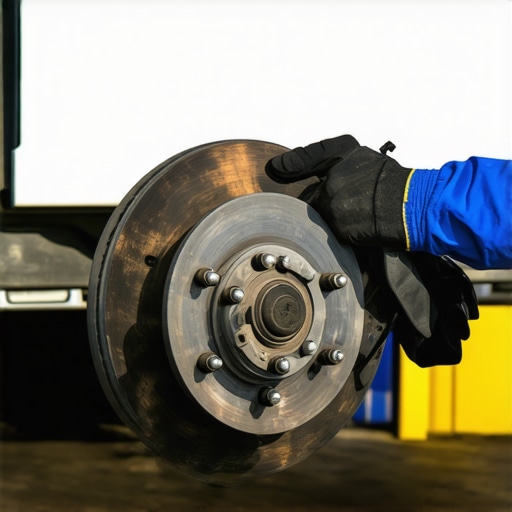
Park your car on a level surface and engage the parking brake. Remove the wheel closest to the suspected brake issue. Examine the brake rotors for warping or grooves, which often cause vibrations during braking. Also, check the brake pads for uneven wear. I once had a wobble that turned out to be a warped rotor—replacing it restored smooth braking. Use a flashlight to inspect for rust or debris that could be causing imbalance.
Test Your Brake Rotors for Warping
After the visual check, grip the rotor edges with a towel and spin it gently. Look for any wobble or deviations. Warped rotors vibrate significantly at high speeds. If you notice this, the rotors may need resurfacing or replacement. Be aware that some rotors are thin and may not be machined; check your vehicle’s specifications. Remember, a warped rotor acts like a bent coin wobbling on a table—causing uneven contact and vibrations.
Assess Suspension and Wheel Alignment
Vibration issues may also originate from suspension components. Check for loose or worn suspension parts, such as ball joints or tie rods. For a quick test, push down firmly on the hood and observe if the car rocks excessively. If yes, suspension may be contributing. Also, consider your wheel alignment. Misaligned wheels can cause uneven tire wear and vibrations, especially during braking. A simple alignment check at a service center can confirm this.
Confirm and Replace Worn or Damaged Components
Replace any warped rotors, worn brake pads, or loose suspension parts. When I replaced my warped rotor, I made sure to also bleed the brake lines to remove air bubbles, ensuring firm pedal feel. If you’re unfamiliar, it’s advisable to have a professional handle bleeding or replacing components. Proper torque specifications are critical—overtightening can cause warping, while undertightening leads to loosening.
Balance Your Tires and Check for Flat Spots
Since wheel imbalance can mimic or worsen vibrations during braking, have your tires balanced. Also, look for flat spots caused by prolonged parking or low tire pressure. An easy way is to observe tire wear patterns; uneven patches may need addressing. Sometimes, simply inflating the tires to the recommended pressure can reduce vibration. Test drive after these steps to see if the problem persists.
Keep Up with Regular Maintenance
Consistent brake service ensures components stay in good shape. Replace brake fluid as recommended, which helps prevent brake fade and uneven pad wear. For high-mileage vehicles, consider inspecting the entire braking system, including calipers and brake lines, for leaks or corrosion. Regular checks can prevent minor issues from turning into major repairs, saving you time and money in the long run. Want to extend the life of your brakes? Learn more about the importance of synthetic oil intervals for high-mileage engines for overall vehicle health.
 Many car owners approach maintenance with misconceptions that can lead to costly mistakes. A common myth is that all brake repairs are straightforward and can be deferred until symptoms become severe. In reality, minor squeals or vibrations often signal underlying issues like uneven pad wear or warped rotors, which, if ignored, can compromise safety and lead to more expensive repairs. Additionally, some believe that regular oil changes are only necessary when the engine oil looks dirty; however, modern synthetic oils last longer but still break down over time, making scheduled changes essential for engine longevity. Advanced vehicle diagnostics are sometimes underestimated, with owners assuming that simple dashboard warnings cover all issues. But vehicles can experience hidden problems, such as minor sensor failures or subtle leaks, that only specialized diagnostic tools can uncover. This is why understanding the nuances of vehicle maintenance is crucial—rushing through inspections or following generic advice can result in overlooked issues that escalate quickly.
Mastering Auto Maintenance with the Right Tools
Keeping your vehicle running smoothly over the long haul demands more than just basic knowledge—it requires having the right equipment and software at your fingertips. I personally swear by a high-quality digital multimeter, like the Fluke 115, which allows me to diagnose electrical issues quickly and accurately. Its true-RMS capability helps me measure voltage and current without guesswork, making troubleshooting much faster. Pairing this with a dedicated scan tool such as the Autel MaxiCOM MK808, I can access live data streams, read and clear diagnostic trouble codes, and perform actuator tests. This combo is essential because relying solely on generic codes can sometimes mislead you about underlying problems.
For brake system work, I recommend a hydraulic pressure tester. It helps me identify if master cylinders or ABS units are delivering proper pressure before replacing parts blindly. As for long-term outcomes, consistent use of these tools enables me to perform preventive maintenance and avoid costly breakdowns down the road. Technology is advancing rapidly, and I predict that integrated vehicle health monitoring systems will become standard, providing real-time alerts that can be accessed via smartphone apps—making proactive maintenance even more accessible.
Making Maintenance Effortless with Software
Software solutions like OBD-II scan apps integrated with Bluetooth adapters facilitate quick diagnostics without lugging around bulky equipment. Apps such as Torque Pro or Car Scanner can display live sensor data and even record trends over time, which is invaluable for catching intermittent issues. I’ve found that regularly reviewing this data can reveal patterns that might escape notice during routine inspections, helping me plan maintenance more effectively.
How do I maintain preventive diagnostics? I set a monthly schedule to review saved data logs and run physical inspections on critical components like brakes, suspension, and fluid levels. This approach ensures my vehicle doesn’t just run but thrives in reliability. Investing in these tools might seem costly initially, but the savings in avoided repairs and extended vehicle lifespan make it well worth it—which is why I always recommend upgrading your diagnostic arsenal.
Scaling Your Vehicle Care Efforts
If you own multiple vehicles or manage a fleet, scalable tools like cloud-based diagnostic platforms become game-changers. They’re designed to handle data from multiple units simultaneously, streamlining maintenance scheduling and record-keeping. For individual enthusiasts, mastering a few key tools and establishing a routine can significantly extend your vehicle’s service life. For example, regularly checking brake fluid quality with a tester and performing oil changes based on real-time oil condition readings from sensors can prevent premature wear. Remember, car maintenance is no longer a guessing game—it’s becoming an exact science driven by technology.
Frequently Asked Question: How do I maintain vehicle diagnostics over time?
Regularly update your diagnostic software and keep your tools calibrated according to manufacturer instructions. Staying informed about the latest firmware updates ensures compatibility with new vehicle models and features. Additionally, investing in a reliable storage system for your diagnostic logs allows you to track trends and anticipate repairs before they become urgent. Over time, this proactive approach not only saves money but also preserves your peace of mind. For more advanced strategies, consider learning how to troubleshoot specific systems, such as [the suspension system most mechanics replace for no reason](https://repairmycarpro.com/the-suspension-part-most-mechanics-replace-for-no-reason). Start by applying these methods in your routine—your vehicle will thank you.
Lessons From the Road Less Traveled in Auto Care
- One of the biggest lightbulb moments I had was realizing that ignoring small signs like brake vibrations could lead to expensive repairs or safety hazards. Getting proactive about diagnostics prevents minor issues from snowballing into major headaches.
- Absolutely nothing beats hands-on experience combined with the right tools. I learned this when I used a hydraulic pressure tester to verify brake system health—it’s a game-changer for accurate diagnosis without guesswork.
- Many car owners underestimate the importance of routine inspections—yet, in my journey, regular visual checks and tire balancing saved me from roadside surprises. Preventive maintenance is truly a form of car love!
Tools and Resources That Elevated My Maintenance Game
- Autel MaxiCOM MK808 Scanner: I trust it for its comprehensive diagnostic capabilities, including live data and code clearing—it’s like having a mechanic in your pocket.
- Digital Multimeter (like Fluke 115): Essential for electrical troubleshooting—accurate readings mean fewer misdiagnoses and better repairs.
- Hydraulic Brake Pressure Tester: Nothing replaces verifying system pressure firsthand, ensuring your brakes are in peak condition before hitting the road again.
- Online Guides and Community Forums: Platforms like RepairMyCarPro provide invaluable insights and shared experiences, helping me learn nuances that a manual might miss.
Your Next Move Toward Safer Driving
Every journey towards vehicle reliability starts with a decision—whether it’s performing a quick tire balance or tackling a more involved brake inspection. Remember, maintaining your car isn’t just about fixing problems; it’s about creating peace of mind and ensuring safety for you and your loved ones. Take that first step today, and keep the roads smoother and safer for everyone.
Have you ever faced a small vibration that turned out to be a major issue? Share your story below—I’d love to hear how you handled it!